Oil prices jumped about 4 percent on Thursday as two supply threats hit at the same time: Hurricane Isaias forced producers to shut in about 1.3 million barrels a day of US Gulf of Mexico output, and fears of renewed US strikes on Iran kept the Strait of Hormuz in focus. Brent crude settled near $104 a barrel.
The international benchmark rose by about $4 on the day, after touching close to $106 at its intraday peak, its highest level since 29 September. US crude, West Texas Intermediate, settled about 3.5 percent higher at around $91.50 after reaching about $93.
Oil on Thursday, 8 October
- ~$104 Brent settlement, up about 4%
- 1.3m barrels a day of US Gulf output shut in
- $89 oil price the IMF assumed in July for 2026
Isaias Empties the Gulf Platforms
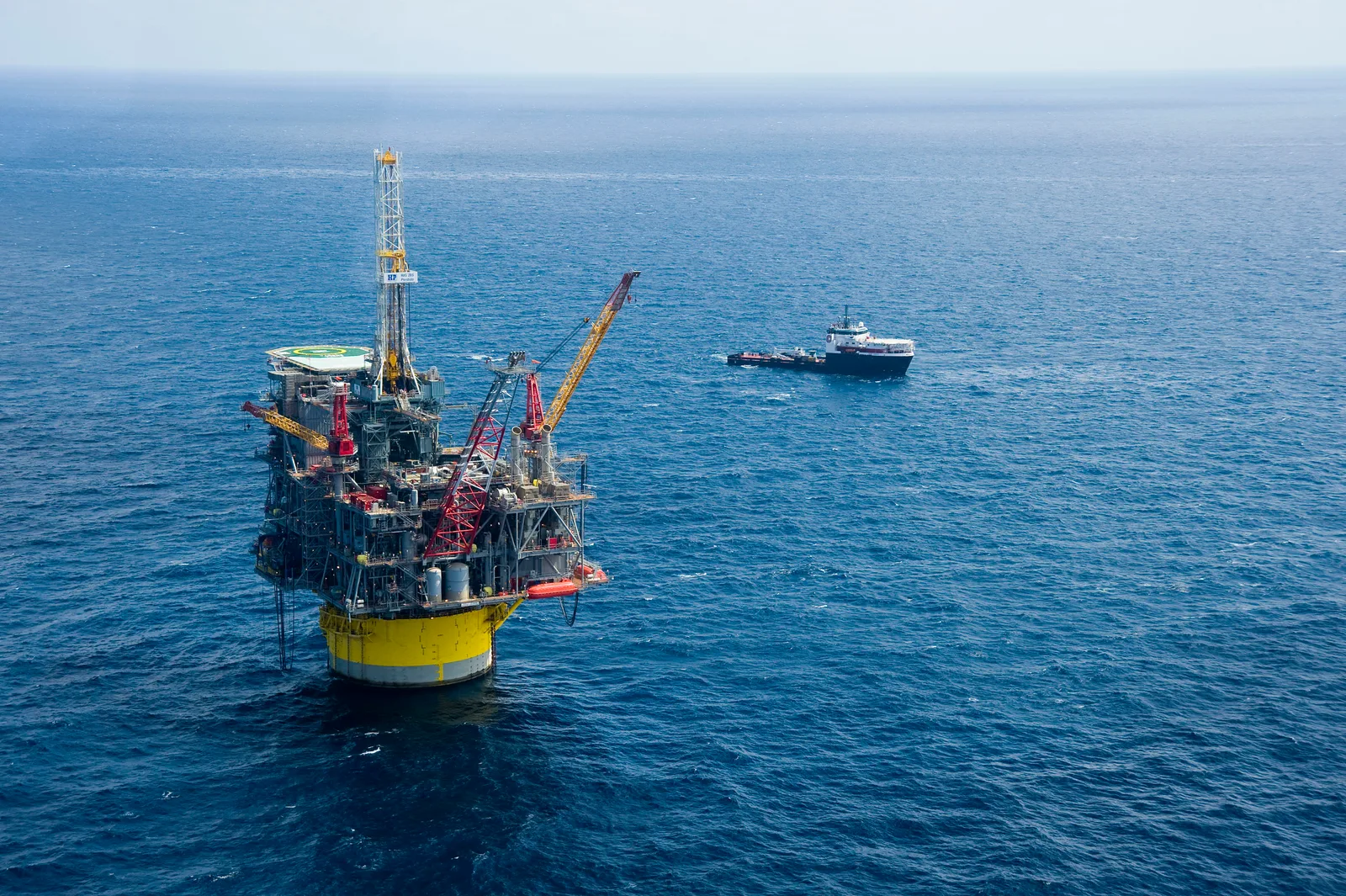
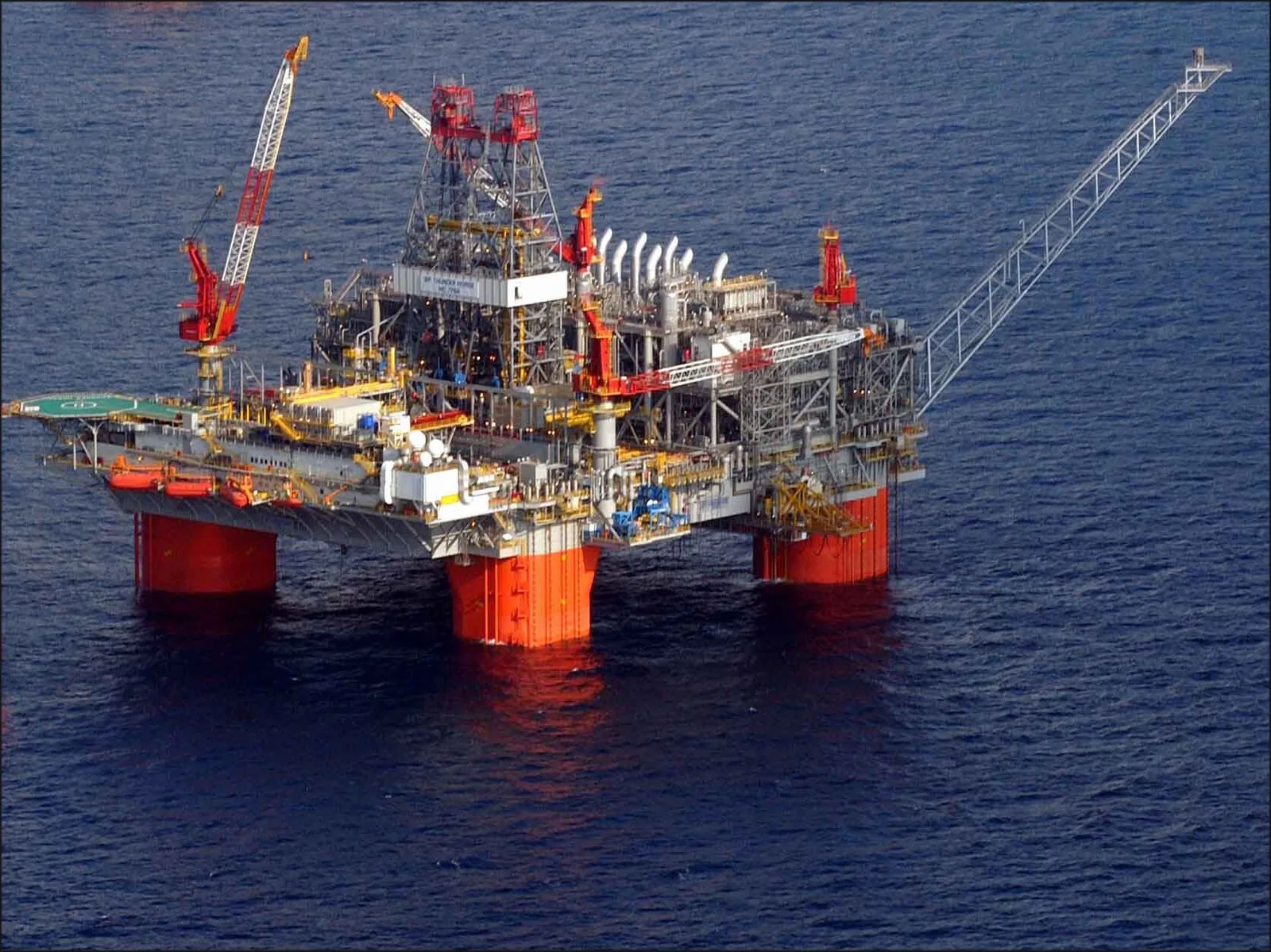
The storm, expected to make landfall on Friday, has shut in roughly two-thirds of current oil production in the US Gulf of Mexico, about 63 percent, according to US offshore regulatory figures cited in market reports. BP evacuated all personnel and halted production at its Na Kika and Thunder Horse platforms. Shell and Chevron said on Wednesday they were curtailing offshore operations.
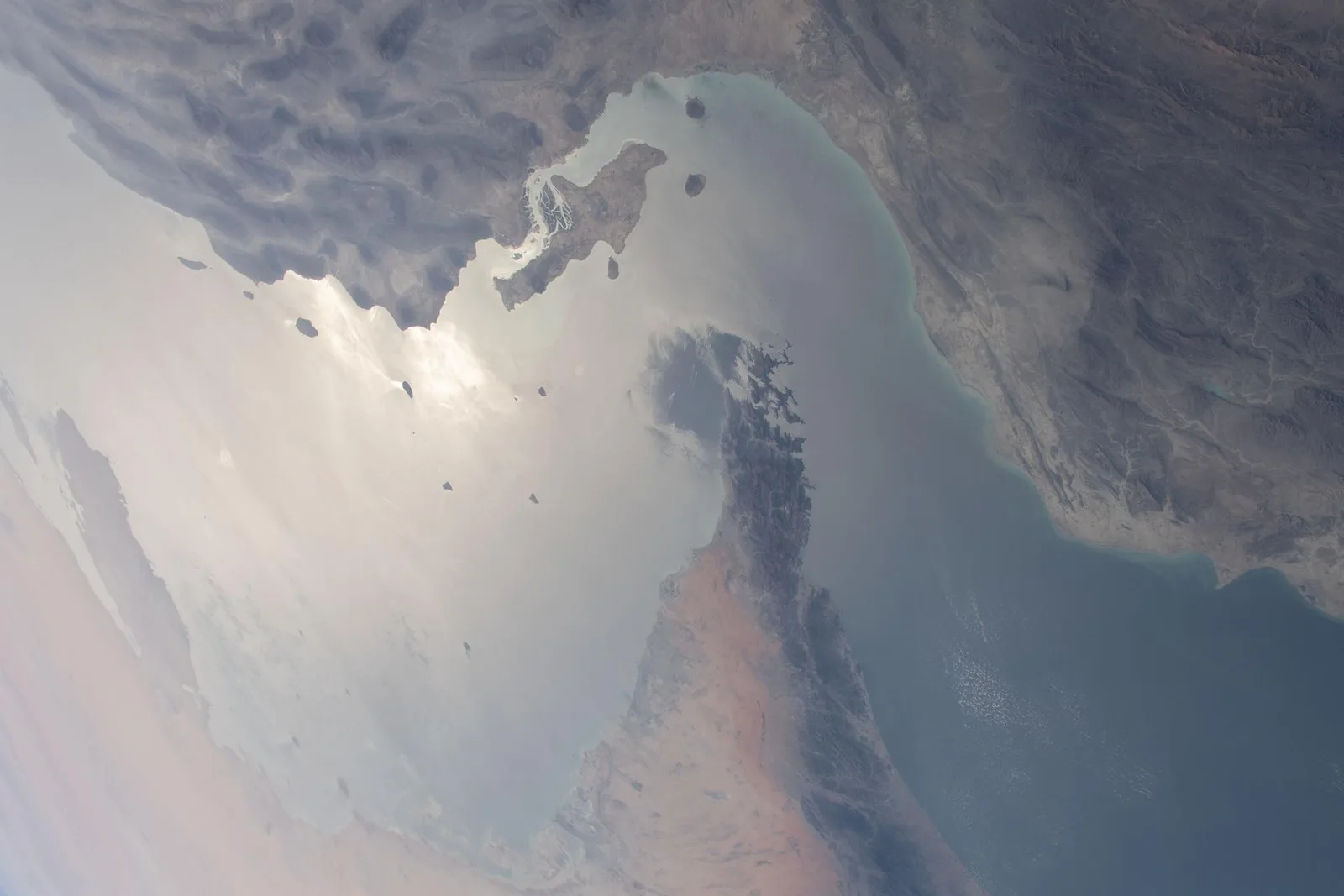
Hurricane shut-ins are usually temporary. Output tends to return within days once platforms are inspected, unless infrastructure is damaged. But the timing matters: any loss of US offshore barrels lands on a market already stretched by the war with Iran, which has choked a route that carried around a fifth of global oil and fuel shipments before the conflict.
Hormuz Keeps the Risk Premium High
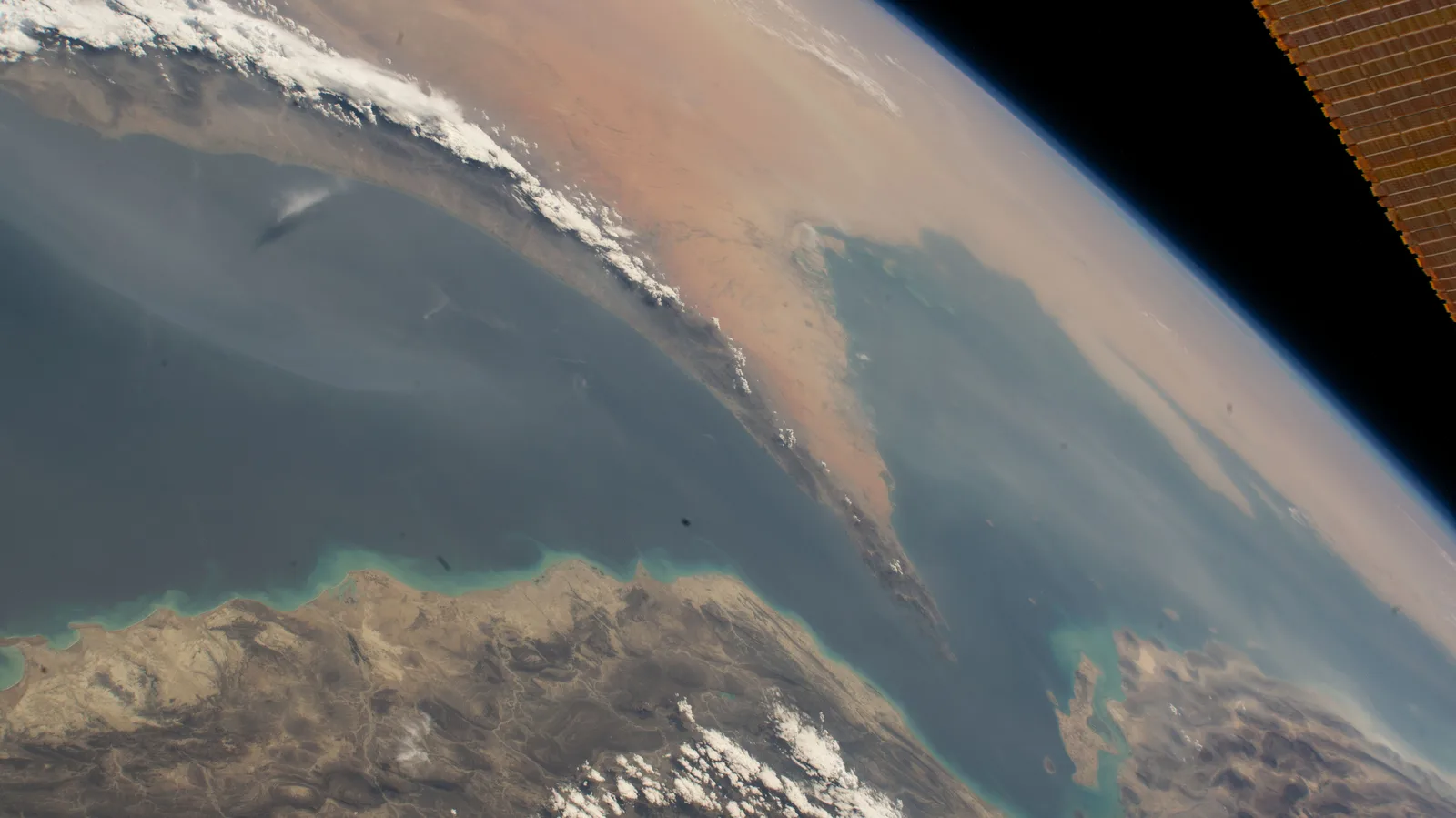
The bigger driver remains the Middle East. The conflict is in its eighth month, and attacks on tankers transiting the Strait of Hormuz last week were the highest since the war began. On Wednesday, Iran threatened to close the southern shipping routes out of the strait, and Brent traded around $100.86 that afternoon.
Iran's Fars news agency reported mine explosions involving tankers in the southern part of the strait, a report that could not be independently confirmed. An adviser to Iran's supreme leader said the strait would not reopen until outstanding issues were resolved.
Diplomacy offered a partial counterweight. Foreign Minister Abbas Araqchi said talks were continuing and that Tehran was reviewing Washington's response to an Iranian proposal under which the strait would reopen within seven days. President Donald Trump said the two sides were holding productive talks and pledged that the US would not attack Iran before the 3 November midterm elections. Brent briefly fell towards $101 after his comments before recovering.
Reports that US operational plans for possible strikes had been completed, though no final decision had been taken, kept traders cautious. The US Treasury, meanwhile, imposed new sanctions on individuals, networks and 17 vessels involved in shipping Iranian crude, oil products and petrochemicals.
Gulf Producers Brace for Attacks
The risk is spreading beyond the strait. A spokesperson for Yemen's Houthi movement warned engineers and technical staff at Saudi oil facilities to stay away from sites the group regards as targets. France and Saudi Arabia are studying options to use French military assets to protect the Yanbu oil terminal on the Red Sea coast, which lies outside the Gulf.
The International Energy Agency agreed on Wednesday to speed up releases from member countries' emergency stocks and to give priority to diesel supplies.
Pressure on Europe's Pumps and Prices
For Europe, oil above $100 is well beyond what forecasters planned for. The International Monetary Fund's July projections assumed an average of $89 a barrel this year, and every sustained move above that adds to fuel costs, transport prices and, eventually, the wider inflation rate.
Governments are already responding. Germany announced a temporary fuel tax cut last week to relieve drivers. Bank of Finland Governor Olli Rehn warned this week that a prolonged war could push energy costs into other prices and wages, though he said such second-round effects had not yet appeared.
The next moves depend on how quickly Gulf platforms restart after Isaias passes, and on whether Tehran's reply to Washington opens a path to reopening Hormuz or the conflict escalates again.
Sources
- investingLive: Oil settles circa 4% higher as two supply threats collide: Iran strike fears and Hurricane Isaias
- Sharecast News: Europe close: Stoxx 600 drops 1 per cent as bond yields climb
- Euronews: IMF chief signals austerity is back as global public debt heads for 100% of GDP
- Euronews: Germany lifts GDP forecast as economy withstands Iran war
- Anadolu Agency: European stocks close higher despite mixed economic data