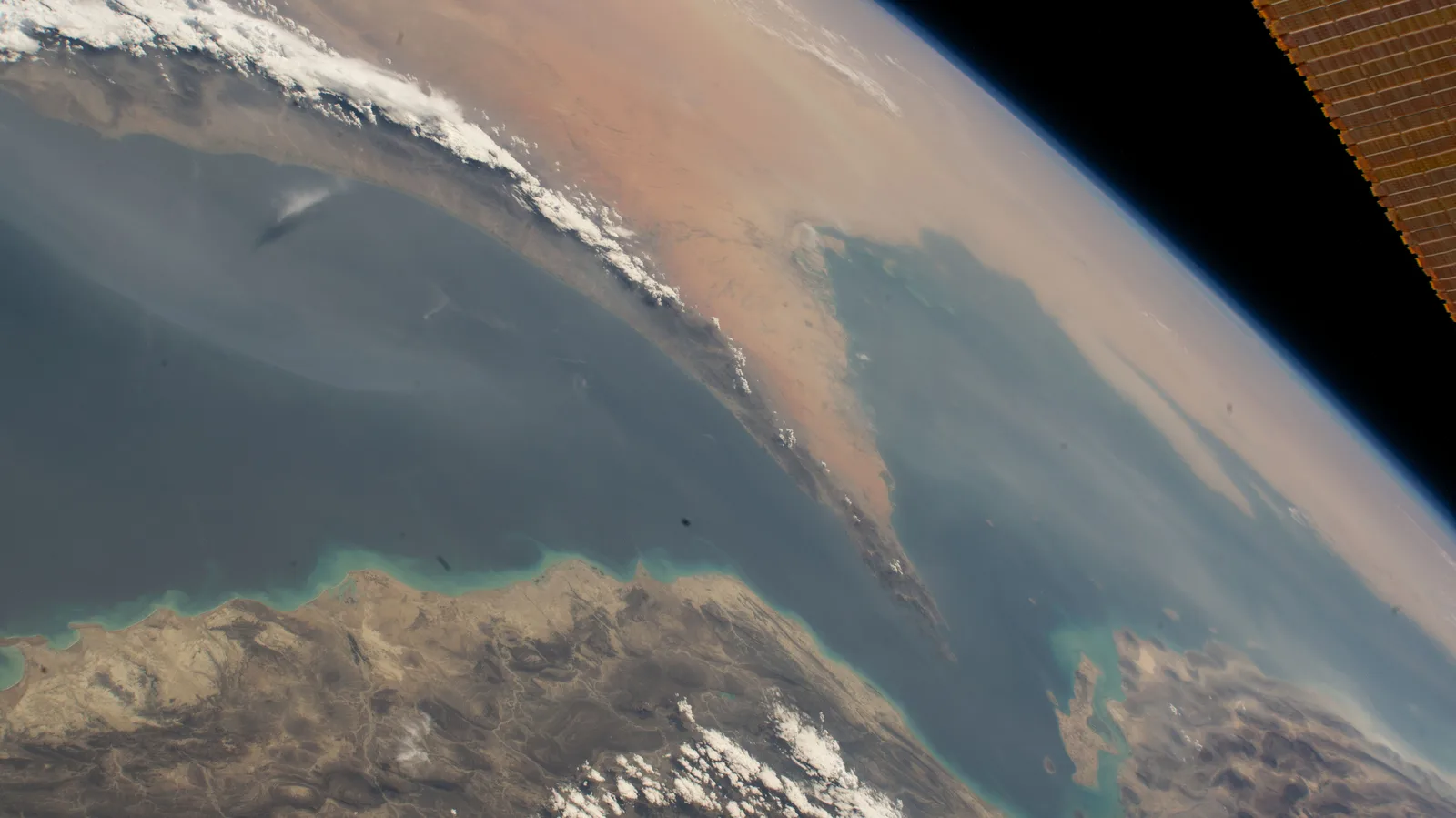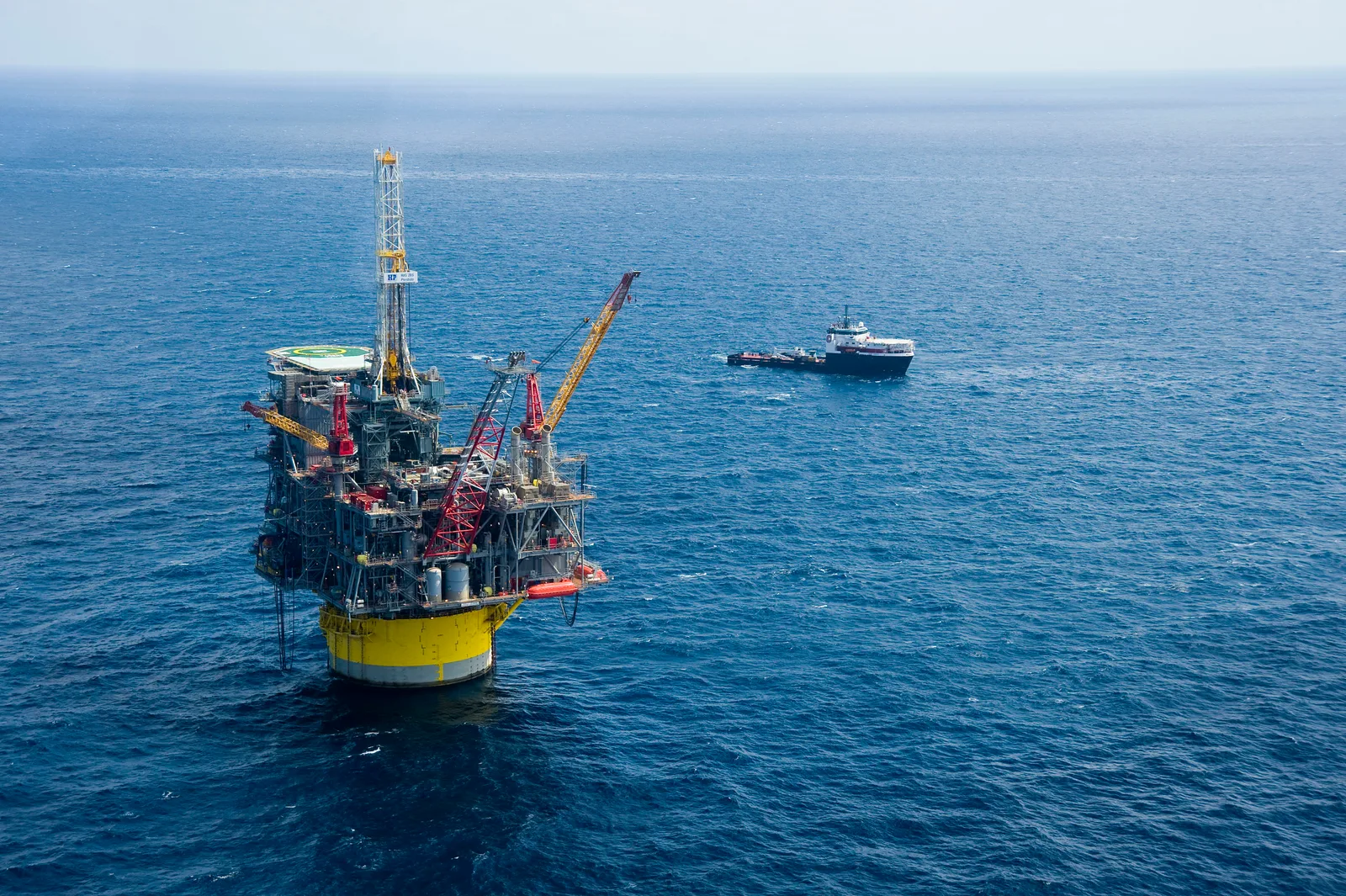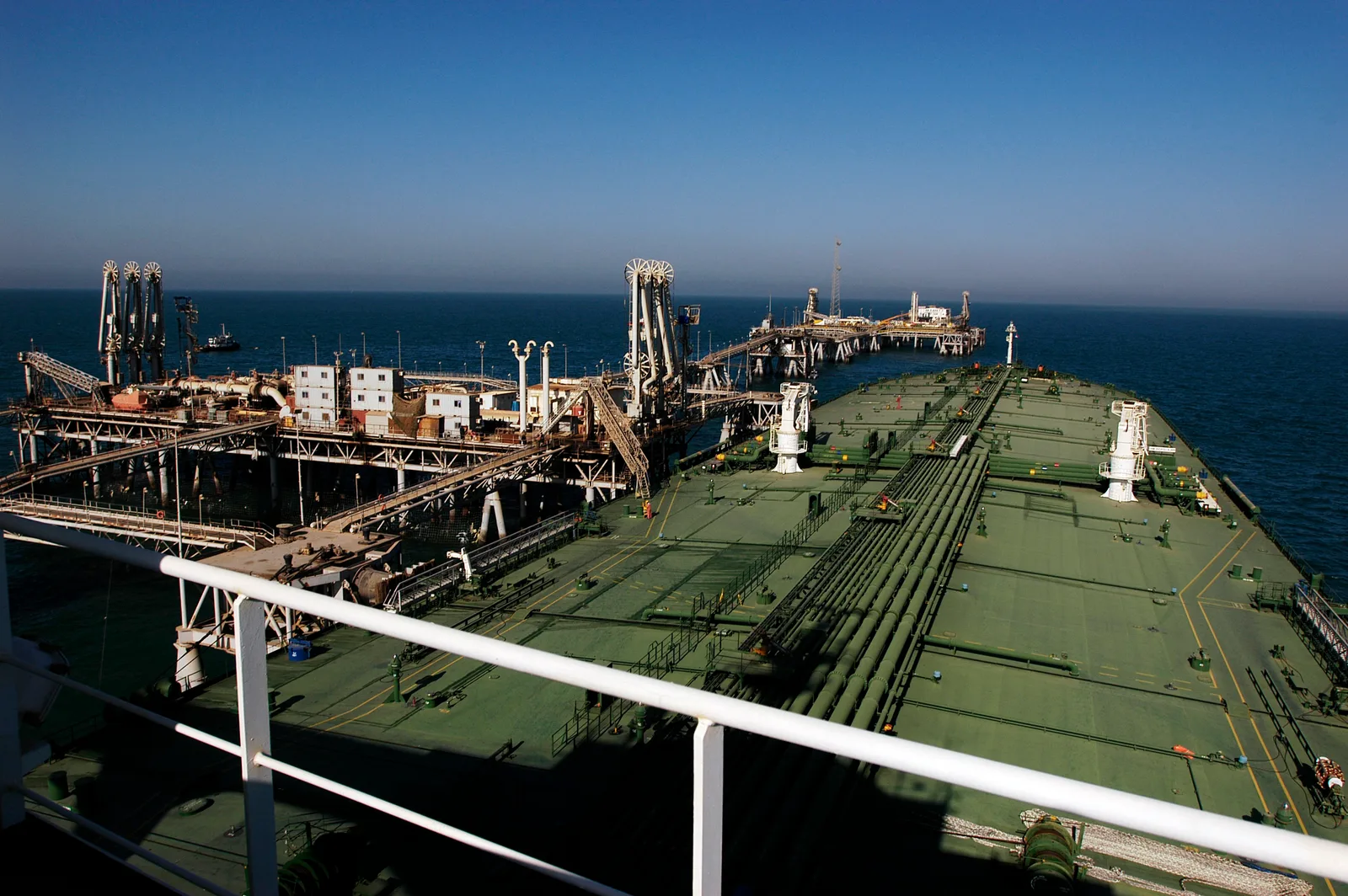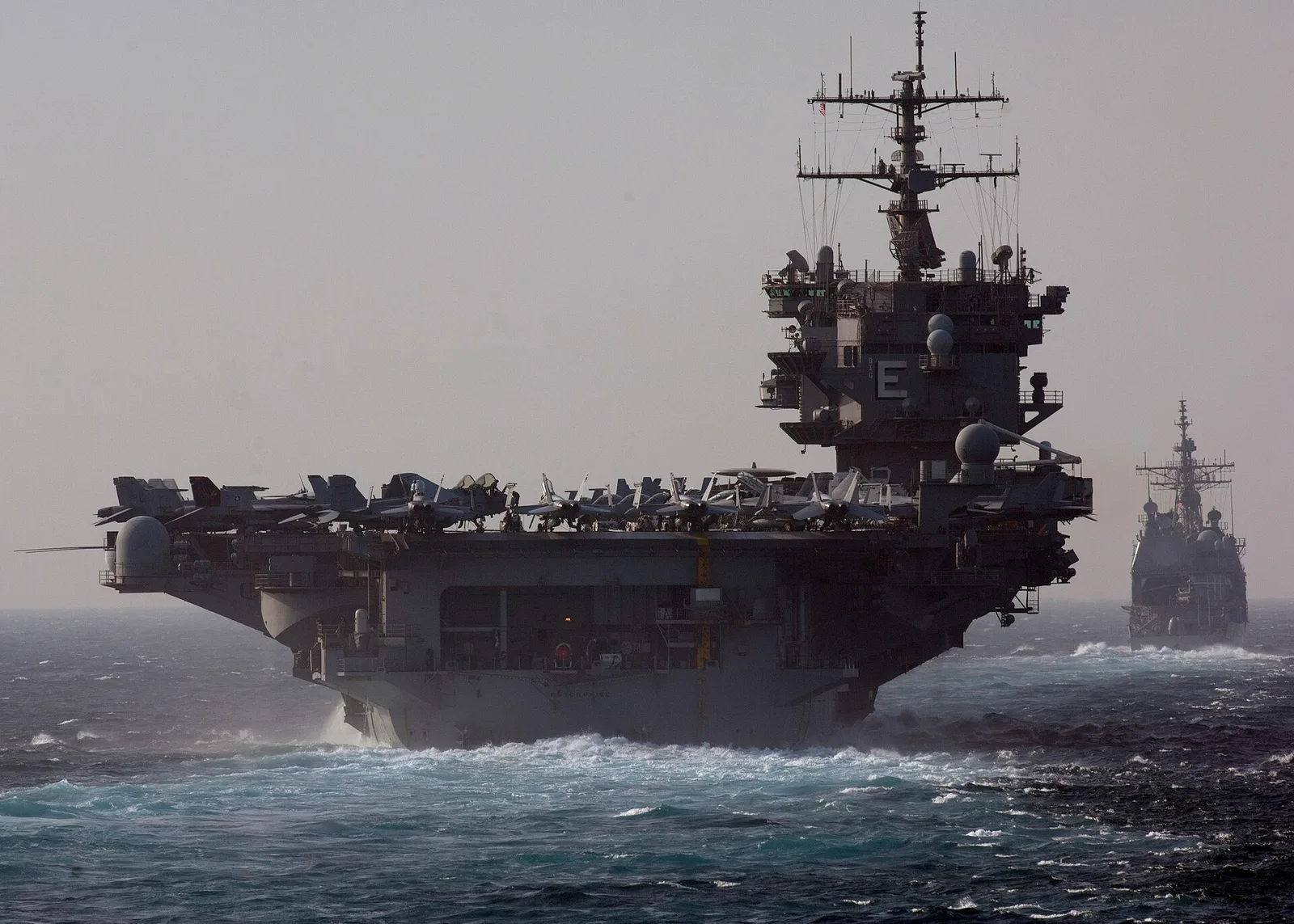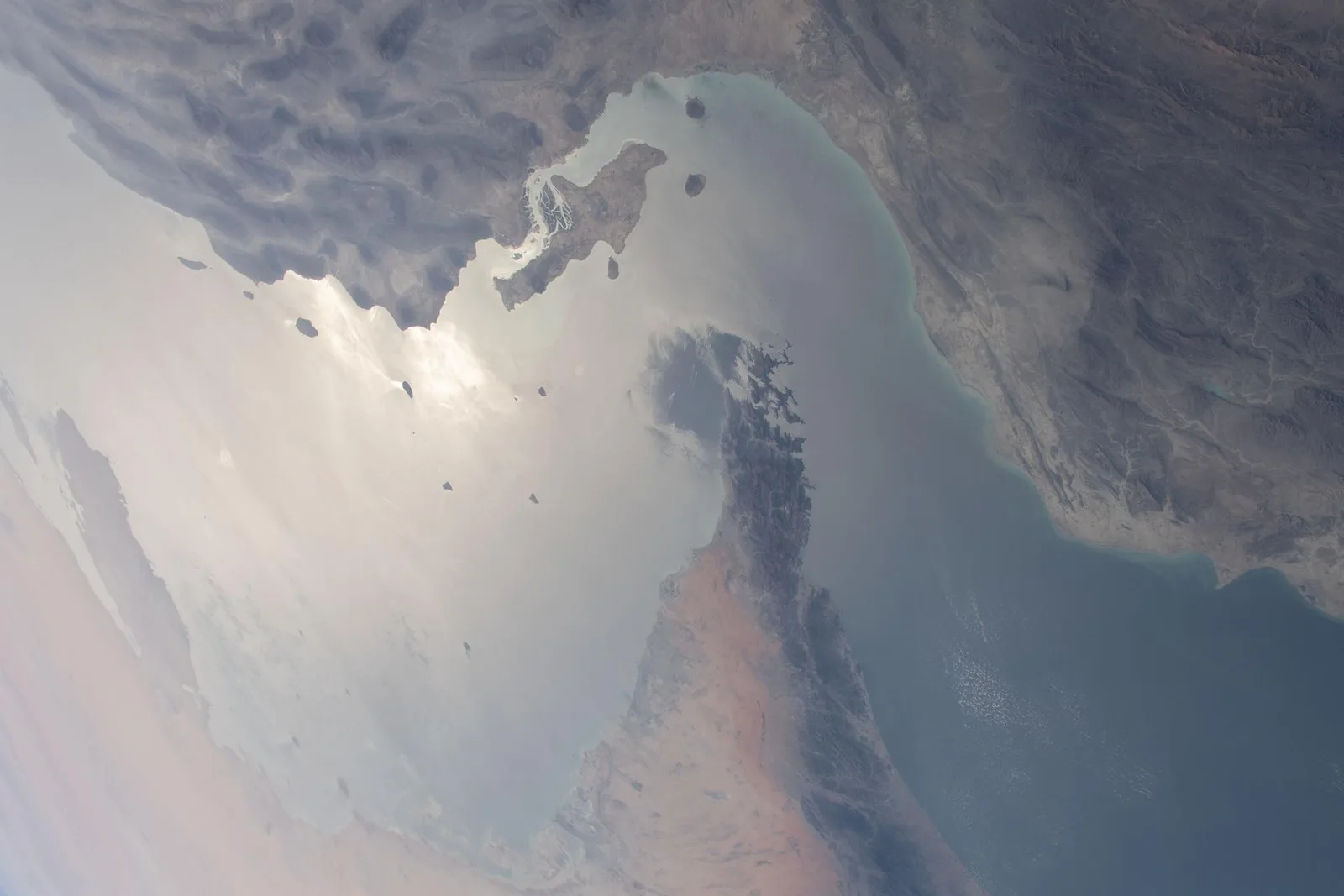
Brent crude rose above $95 a barrel on Wednesday morning, extending a 4.6 percent surge the day before, after President Donald Trump announced US strikes on Iranian targets near the Strait of Hormuz. Shipping through the strait, which carried about a fifth of the world's oil exports before the war, fell to a handful of crossings on Tuesday.
A Second Day of Gains
Brent, the benchmark for about two thirds of the world's oil, rose 0.87 percent to $95.47 a barrel in early trading on 2 September. West Texas Intermediate, the US benchmark, rose 0.55 percent to $90.72.
On Tuesday both benchmarks gained more than $4 a barrel, their biggest daily rise in more than a month.
Oil and shipping, 2 September
- $95.47 Brent per barrel, up 0.87%
- $90.72 WTI per barrel, up 0.55%
- ~5 Hormuz crossings on Tuesday, initial Kpler data
Markets: indices, currencies and commodities
What Triggered the Move
Trump said on 1 September that the United States was launching large strikes on Iranian targets near the strait. He cited what he called a failed Iranian attempt to lay sea mines in the waterway, and eight Iranian missiles fired at a US base in Jordan, all of which were shot down. He warned that a bigger attack was still to come.
Iran acknowledged that several targets in the south of the country had been hit and promised to retaliate. On Wednesday morning Kuwait, Jordan and Bahrain sounded alerts and intercepted missiles. It was the first direct exchange of fire between the United States and Iran in a month.
Kyle Rodda, senior financial analyst at Capital.com, said the renewed fighting had lifted crude, weighed on Wall Street and pushed government bond yields to highs not seen in years, in some cases decades.
The escalation adds to a conflict that began in late February and has kept a risk premium in energy prices for most of the year. Each new round of strikes has raised the same question for traders: whether the disruption to Gulf exports is temporary or lasting.
Hormuz Traffic Dries Up
Shipping data show how quickly the strait has emptied. According to Kpler, crossings by vessels other than container ships fell sharply over the past week.
| Day | Hormuz crossings (excluding container ships) |
|---|---|
| Wednesday 26 August | 23 |
| Thursday 27 August | 25 |
| Friday 28 August | 16 |
| Saturday 29 August | 9 |
| Sunday 30 August | 7 |
| Monday 31 August | 10 |
| Tuesday 1 September | about 5 (initial data) |
Every tanker that does not pass through the strait is supply that has to be replaced from elsewhere or drawn from storage, which is why traders price in a risk premium for as long as the disruption lasts. "Any perceived threat to Gulf shipping lanes will keep an oil-risk premium in place," said Daniel Richards, senior economist at Emirates NBD.
Why Europe Feels It First
Higher crude reaches European consumers quickly through petrol, diesel and heating oil. Dutch and British gas benchmarks also rose on Tuesday, adding to the pressure on household energy bills.
The timing is awkward for the European Central Bank. Euro zone inflation rose to 3.3 percent in August, the highest since September 2023, with energy prices up 14.3 percent from a year earlier. Markets expect the ECB to raise its deposit rate by a quarter point to 2.50 percent at its meeting on 10 September, and a sustained rise in oil would make it harder for policymakers to argue the energy shock will fade on its own.
Investors have already reacted. European energy shares rose 1.8 percent on Tuesday while the wider STOXX 600 fell 0.6 percent to a more-than-one-month low, as bond yields across Europe hit their highest levels in more than a decade.
What to Watch
The direction of oil now depends on whether Iran carries out its threatened retaliation, and on how much traffic returns to Hormuz in the coming days. Kpler's daily crossing counts and any further statements from Washington and Tehran are the indicators traders are watching most closely.
For Europe, the next data points are the ECB decision on 10 September and the full August inflation figures from Eurostat on 17 September.
Sources
- The National: Oil surges above $95 on renewed US-Iran fighting and Hormuz disruption concerns
- Khaleej Times (Reuters): Europe's STOXX 600 hits one-month low as inflation, rising yields pressure markets
- BNN Bloomberg (Reuters): Bond markets: Sell-off in global bond markets deepens
- Euronews: Eurozone inflation jumps to 3.3% in August as energy prices surge
- Eurostat: Euro area annual inflation up to 3.3%