Brent crude swung either side of $100 a barrel this week as markets tried to price the chances of a US-Iran settlement. On Friday Iran's foreign minister offered to reopen the Strait of Hormuz and resume nuclear talks within seven days if Washington accepts a list of conditions, starting with lifting its naval blockade.
The international benchmark hovered above $100 on Friday morning in New York, according to Reuters, after a week in which it fell below $98 at one point and climbed back above $102 two days later. It was around $72 a barrel earlier this summer and came close to $110 in the week of 14 September.
Tehran's Offer and Its Conditions
Iran's foreign minister called on the US to return to an interim arrangement similar to the memorandum of understanding agreed in mid-June, according to Trading Economics. That deal produced a fragile ceasefire that collapsed within weeks.
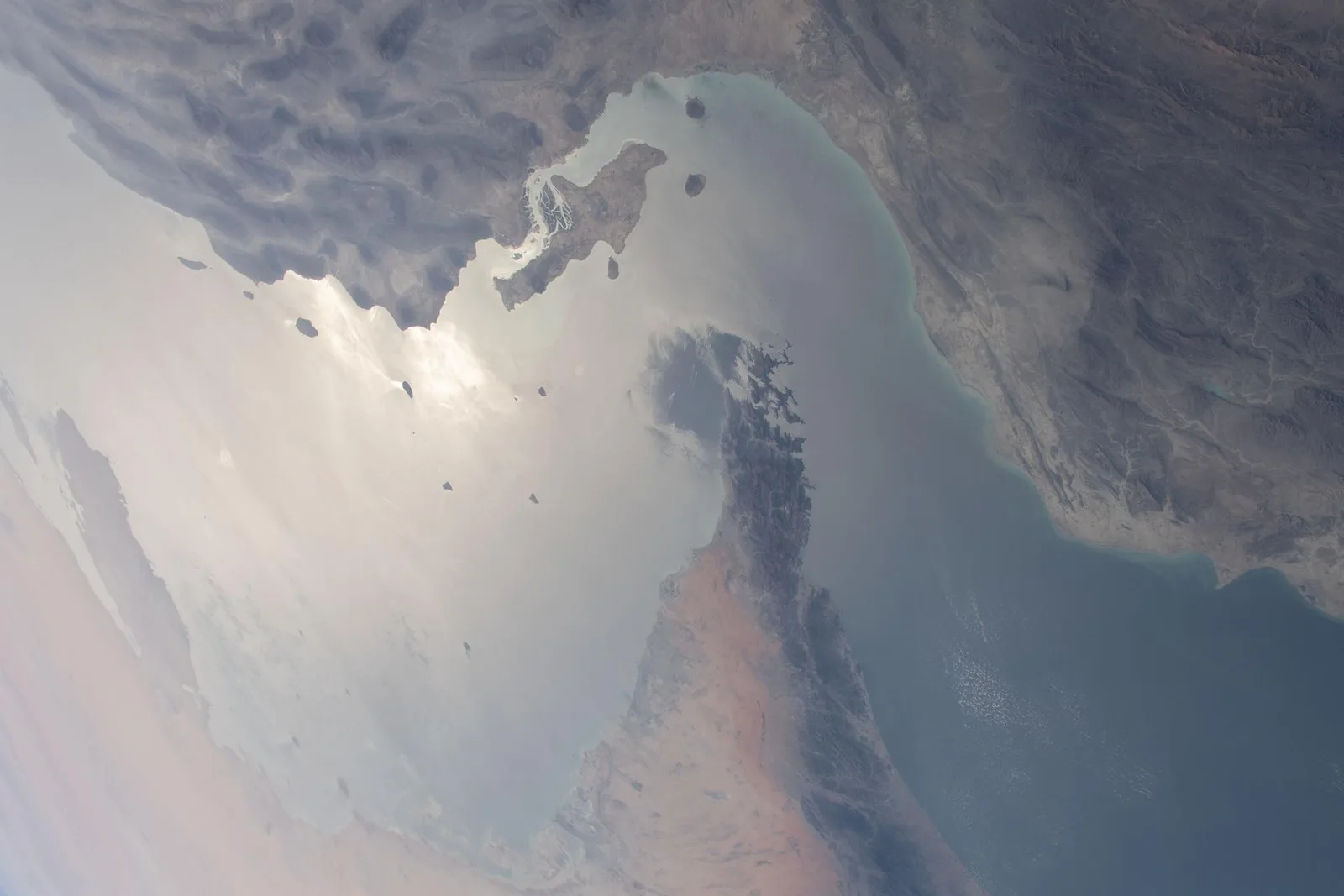
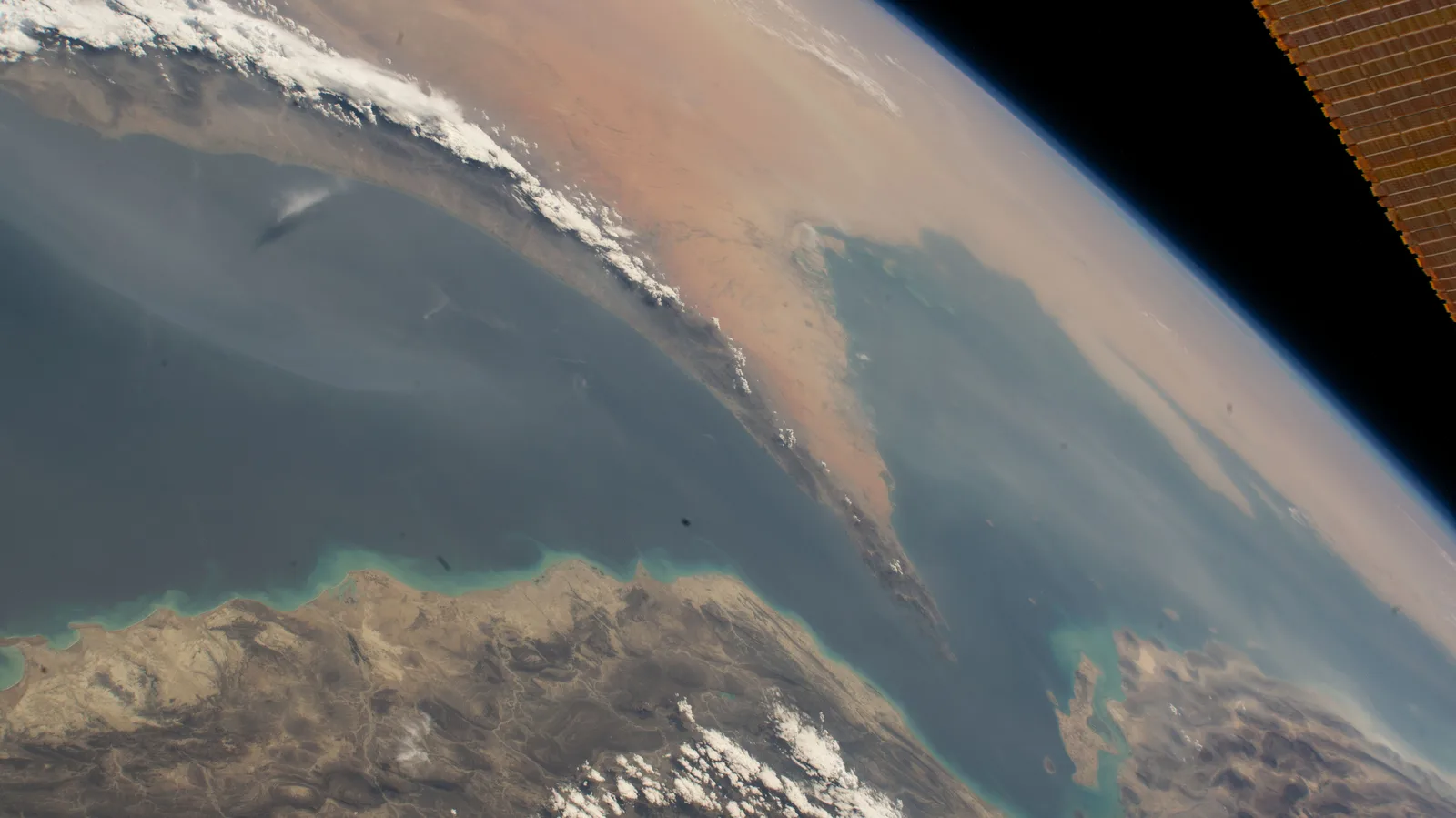
The stakes are high because of geography. The strait, a narrow channel between Iran and Oman, is the only sea route out of the Gulf for tankers loading at the Gulf ports of Saudi Arabia, Iraq, Kuwait, Qatar and the United Arab Emirates, so any change to its status moves the price of crude traded worldwide.
Under the new proposal, Iran would reopen the Strait of Hormuz and restart nuclear talks with the US within seven days of the Trump administration accepting its terms. Those include lifting the naval blockade, unfreezing Iranian assets and ending the war on all fronts.
Reuters reported separately on Friday that US and Iranian negotiators were exploring a phased exit from the conflict, which could see Iran reopen the strait and the US lift its economic blockade.
A Week of Swings in Five Sessions
The week showed how quickly sentiment can turn. Prices fell when hopes rose for a full reopening of the strait to tankers and rebounded each time those hopes faded.
| Day | Brent | Note |
|---|---|---|
| Mon 21 Sep | $100.34 settlement | Down 3.4% on the day |
| Tue 22 Sep | $99.25 settlement | Briefly below $98 during the session |
| Wed 23 Sep | Up almost 4% | After Iran's president spoke at the UN |
| Thu 24 Sep | $102.20 in afternoon trade | Second straight daily gain |
| Fri 25 Sep | Above $100 in the New York morning | After Iran's seven-day reopening offer |
Wednesday's jump came after Iranian President Masoud Pezeshkian used his United Nations speech to blame the US and Israel for global instability, replying to remarks by President Donald Trump. The speech ended hopes of quick talks on lifting the Hormuz blockade and pushed Brent back towards $102 by Thursday afternoon.
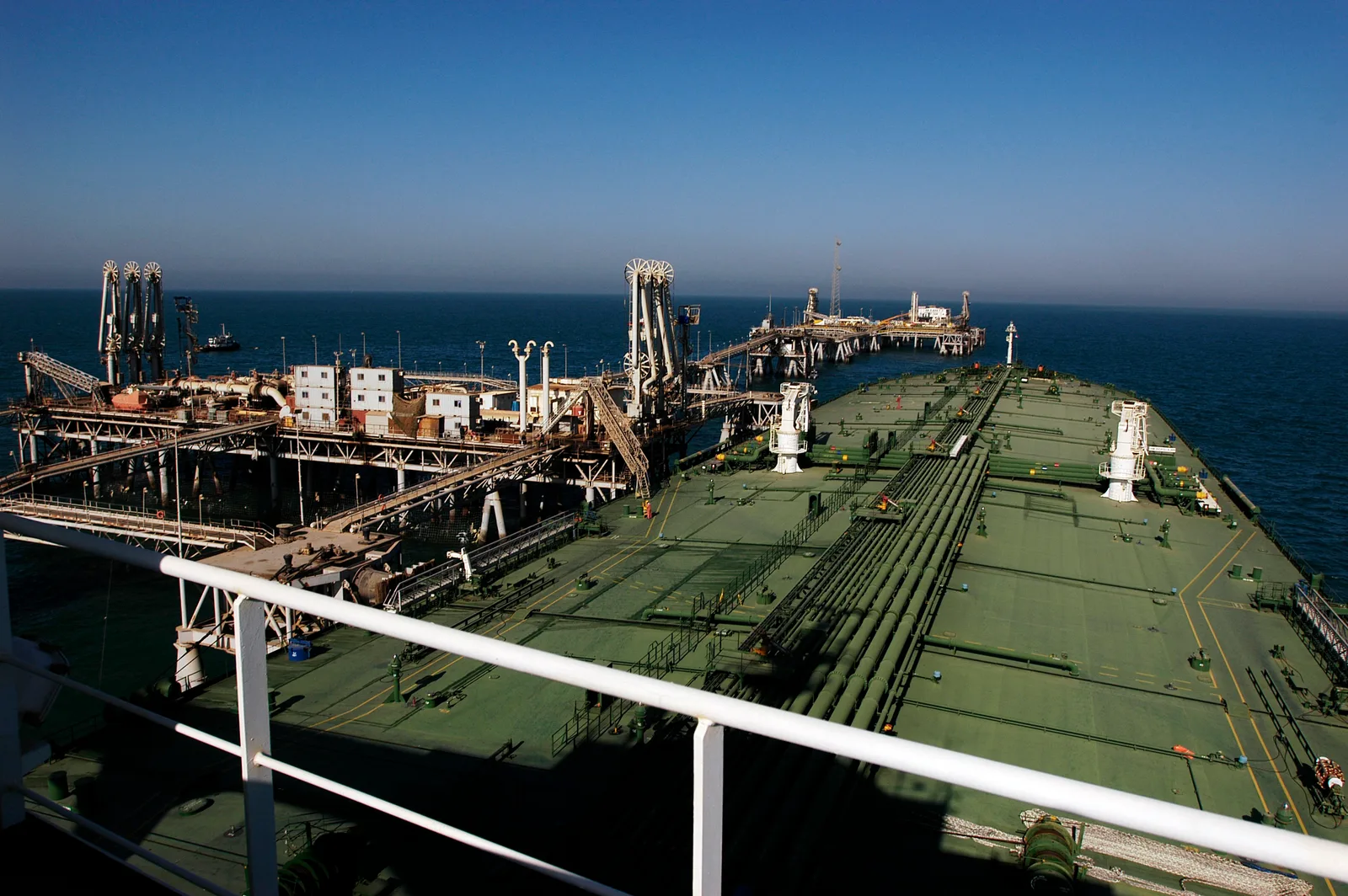
Physical flows have been steadier than prices. Oil moving through the Strait of Hormuz reached 33.7 million barrels this week, roughly in line with the previous week, according to Trading Economics. Traders also weighed speculation that the US could restrict diesel exports, another source of volatility for refined fuel markets.
Europe's Energy Majors Ride the Rebound
Europe's oil producers moved with the crude price. Eni, BP, Shell and Repsol rose strongly on Thursday after recent losses, even as the wider Stoxx 600 index fell 0.6 percent on a bond market sell-off, according to Sharecast.
The swings matter well beyond the energy sector. At around $100, crude is roughly 40 percent dearer than in early summer, and that feeds into petrol and diesel prices, heating costs and transport bills across Europe.
Central banks are already reacting. On Thursday the Swiss National Bank said higher energy prices, chiefly oil products, had pushed Swiss inflation up since June, and Norges Bank cited rising oil and gas prices as it raised Norway's policy rate to 4.50 percent. In the US, oil-driven inflation worries have helped push the 10-year Treasury yield to its highest since 2007.
What Comes Next for Oil
The market's next move depends on Washington's answer. Acceptance of the Iranian terms, or progress on the phased exit Reuters described, would likely put pressure on prices as tankers return to normal routes. A rejection would revive the risk premium that took Brent close to $110 earlier this month.
For European consumers and central banks, the gap between $72 and $100 is the number to watch. As long as crude holds near the upper end of that range, energy will keep inflation higher than policymakers want.
Sources
- Trading Economics: Brent Nears $104 on Hopes Over US-Iran Talks
- The Edge Malaysia (Reuters): Wall Street edges up as AI enthusiasm eases worries over higher oil prices and yields
- IfYouSpent: Week in markets: Sept. 21-25, 2026
- Hargreaves Lansdown (Sharecast): Europe close, 24 September 2026
- Atlanta Journal-Constitution (AP): US stocks rally to their best day in 6 weeks after oil prices and bond yields ease
- Swiss National Bank: Monetary policy assessment of 24 September 2026