Europe's benchmark share index finished the week at its highest close in more than three weeks on Friday. Strong third-quarter numbers from Nordex and Aixtron, after Ericsson's jump a day earlier, outweighed a renewed sell-off in artificial-intelligence stocks.
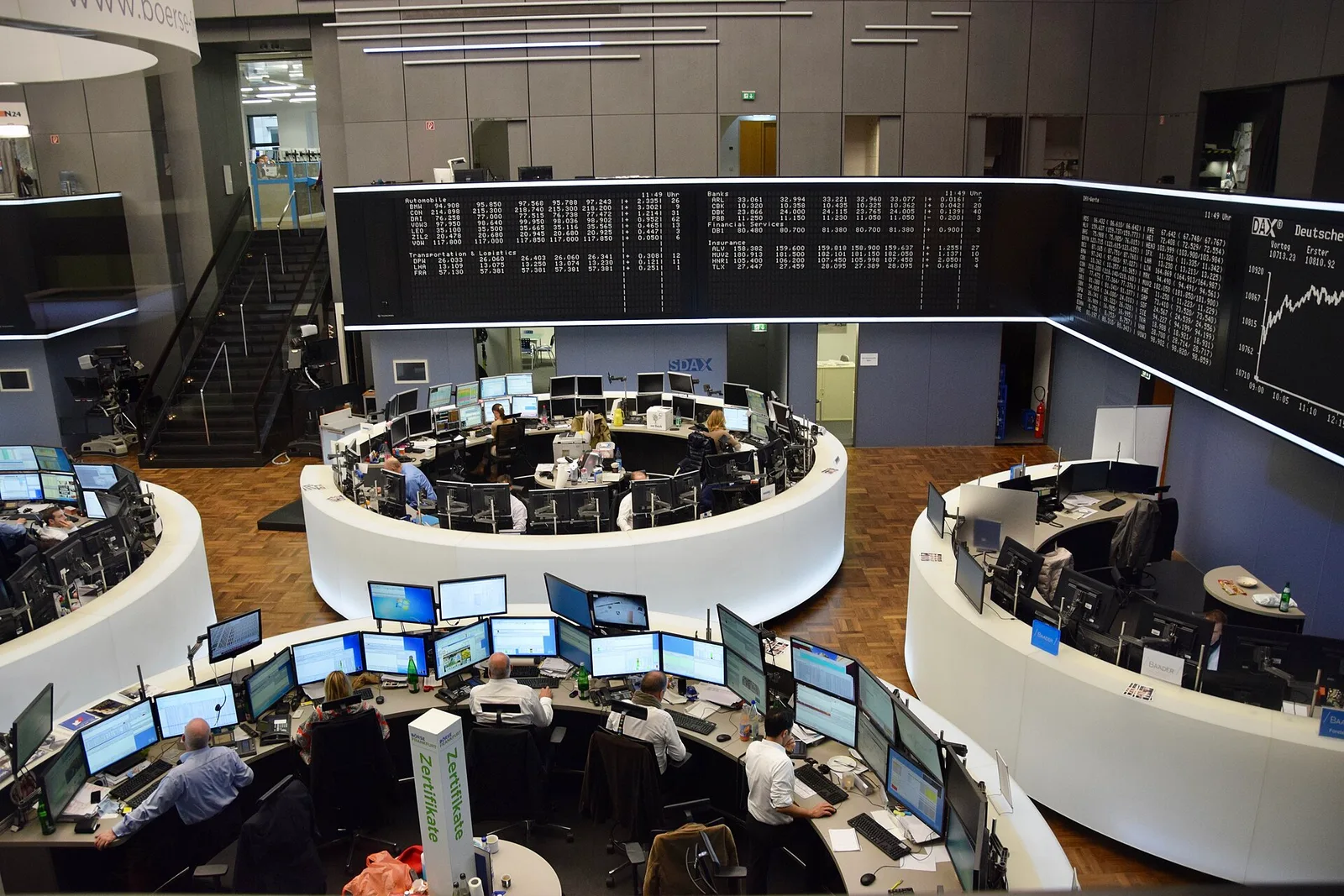
The pan-European STOXX 600 rose 0.67 percent to 644.43 on 16 October. Germany's DAX gained 0.94 percent and France's CAC 40 added 0.28 percent. London's FTSE 100 shook off early losses to close higher as money rotated into defensive shares.
The gain built on Thursday's session, when the STOXX 600 closed 0.4 percent higher at 640.16. That was its fourth rise in five sessions and its best close since 22 September. Friday's finish was higher still.
How the week ended
- 644.43 STOXX 600 close on Friday, up 0.67%
- SEK 59.5bn Ericsson third-quarter sales, up from SEK 56.2bn
- 3.8% euro-area inflation in September, confirmed by Eurostat
Nordex and Aixtron Lead Friday's Gains
Company results did most of the lifting. Nordex surged after the German onshore wind turbine maker reported third-quarter core profit above analysts' expectations.
Aixtron jumped after its third-quarter order intake beat estimates. The company builds deposition systems used to make compound semiconductors, including gallium nitride chips for power electronics and the optical components that carry data inside AI networks. Its orders are watched as an early signal of how much chipmakers plan to spend.
Good numbers did not guarantee a rise. Schneider Electric fell even though the French electrical group raised its 2026 targets for core profit and revenue, its second upgrade this year. Schneider has positioned itself as a supplier of power equipment to the cloud companies building AI data centres, which ties its shares to the mood around AI spending.
Ericsson's Beat Set the Tone on Thursday
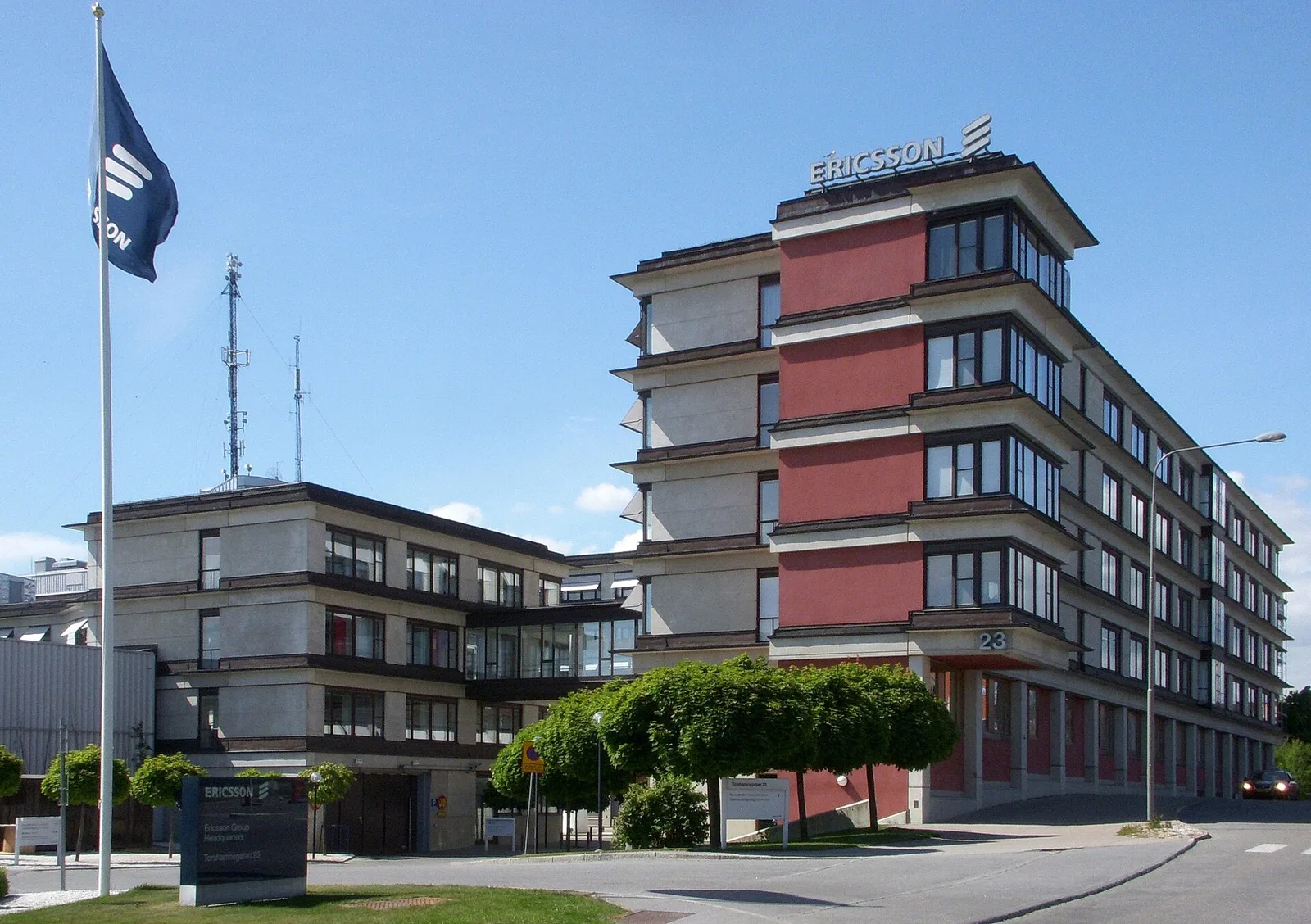
The week's standout move came from Stockholm. Ericsson rose nearly 12 percent on Thursday after third-quarter sales beat forecasts, helped by demand for network equipment in Asia and the Middle East.
Reported net sales rose 6 percent to SEK 59.5 billion, and organic sales grew 7 percent, led by the Networks business. Sales grew in three of the company's four market areas.
Headline profit fell, largely because of a one-off in the comparison. Adjusted EBITA dropped to SEK 10.1 billion from SEK 15.8 billion, because the year-earlier quarter included a SEK 7.6 billion capital gain from a divestment. Without that gain, adjusted EBITA rose. Net income came to SEK 5.8 billion, against SEK 11.3 billion a year earlier, and the group bought back SEK 4.8 billion of its own shares in the quarter.
Chief executive Per Narvinger also announced a simpler operating structure. He was cautious about next year, saying the market for radio access network equipment is flat and that higher component costs will weigh on gross margins.
Chipmakers Pay for AI Doubts
The rally was narrow. Semiconductor and AI-infrastructure stocks fell on Thursday, among them ASML, Infineon Technologies, ASM International, STMicroelectronics and Siemens Energy. Investors worried that higher borrowing costs could make today's pace of AI investment hard to sustain.
Those worries sharpened after US consumer prices rose 3.7 percent in the year to September. The figure strengthened expectations that the Federal Reserve may tighten policy further and keep rates high for longer, which hits richly valued growth stocks hardest.
The tech sell-off spread again on Friday. Global technology shares fell, and both the Dow Jones and the Nasdaq were trading lower late in the European session as concern over AI valuations persisted.
UK Banks Slip on Tax Reports as Inflation Climbs
In London, Barclays, NatWest and Lloyds Banking Group edged lower after reports that the chancellor, John Healey, plans to raise taxes on bank profits in his coming Budget to raise revenue. Early losses in the sector were offset by buying in defensive stocks, which lifted the FTSE 100 into positive territory.
The data backdrop gave little comfort. Eurostat confirmed on Friday that euro-area inflation rose to 3.8 percent in September from 3.2 percent in August, the highest annual rate since September 2023. Prices rose 0.6 percent on the month.
Energy did most of the damage. Energy prices were up 18.9 percent on a year earlier, compared with 14.3 percent in August, and contributed 1.71 percentage points of the headline rate. Earlier in the week, France reported inflation of 3.4 percent for September, its highest since January 2024, while euro-area industrial production fell 0.5 percent in August, a third monthly decline.
For equity investors, that mix keeps the focus on results. Companies that beat forecasts, as Ericsson, Nordex and Aixtron did this week, are being rewarded, while anything priced for an AI boom is vulnerable to any hint that rates stay higher for longer.