French shares have lost 4.5 percent in a month as street violence, curfews and a fight over the 2027 budget drive up the state's borrowing costs. Retailers, luxury houses, banks and property companies carry the most direct exposure, and Moody's verdict on France's rating is due after the close tonight.
A Market Under Domestic Pressure
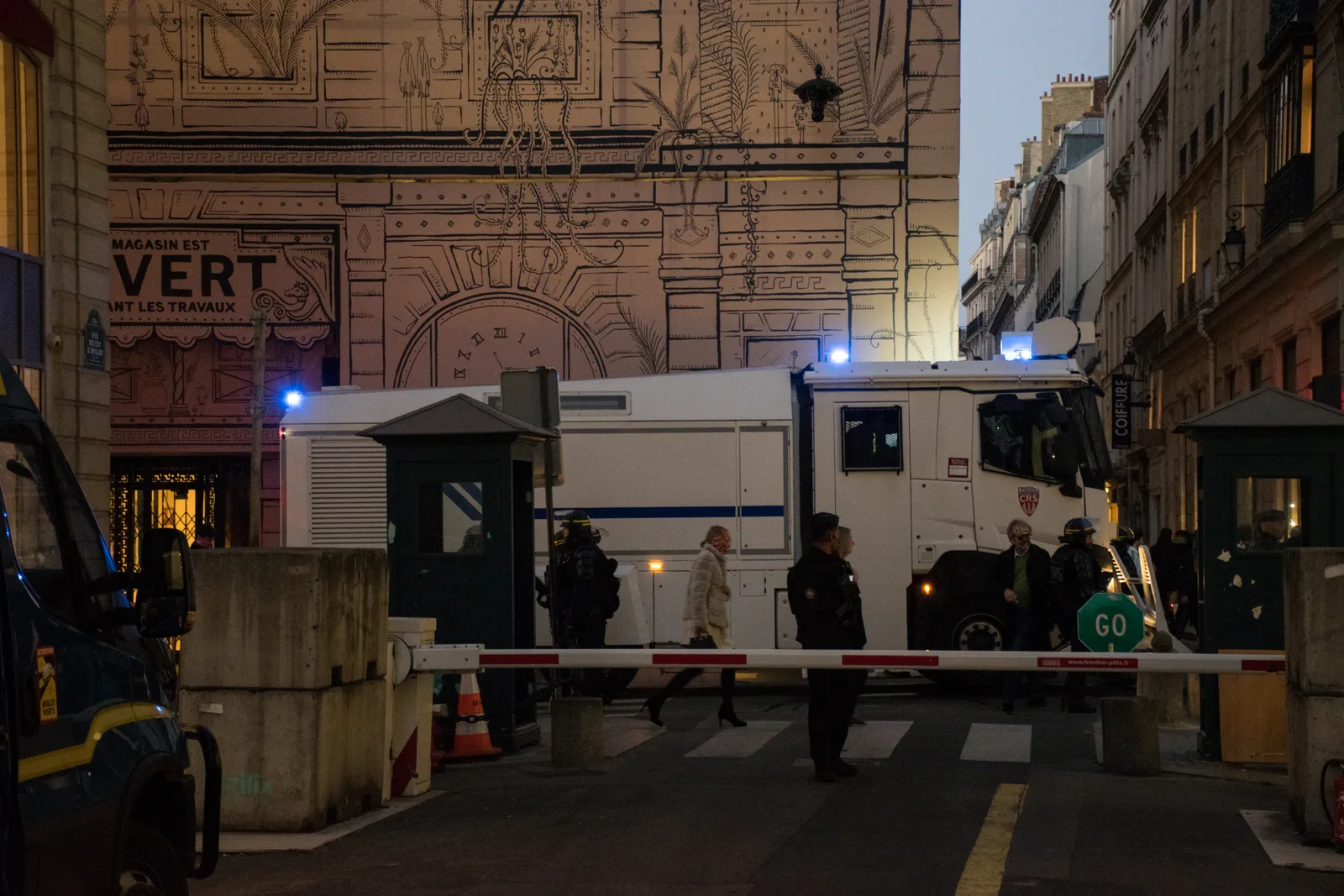
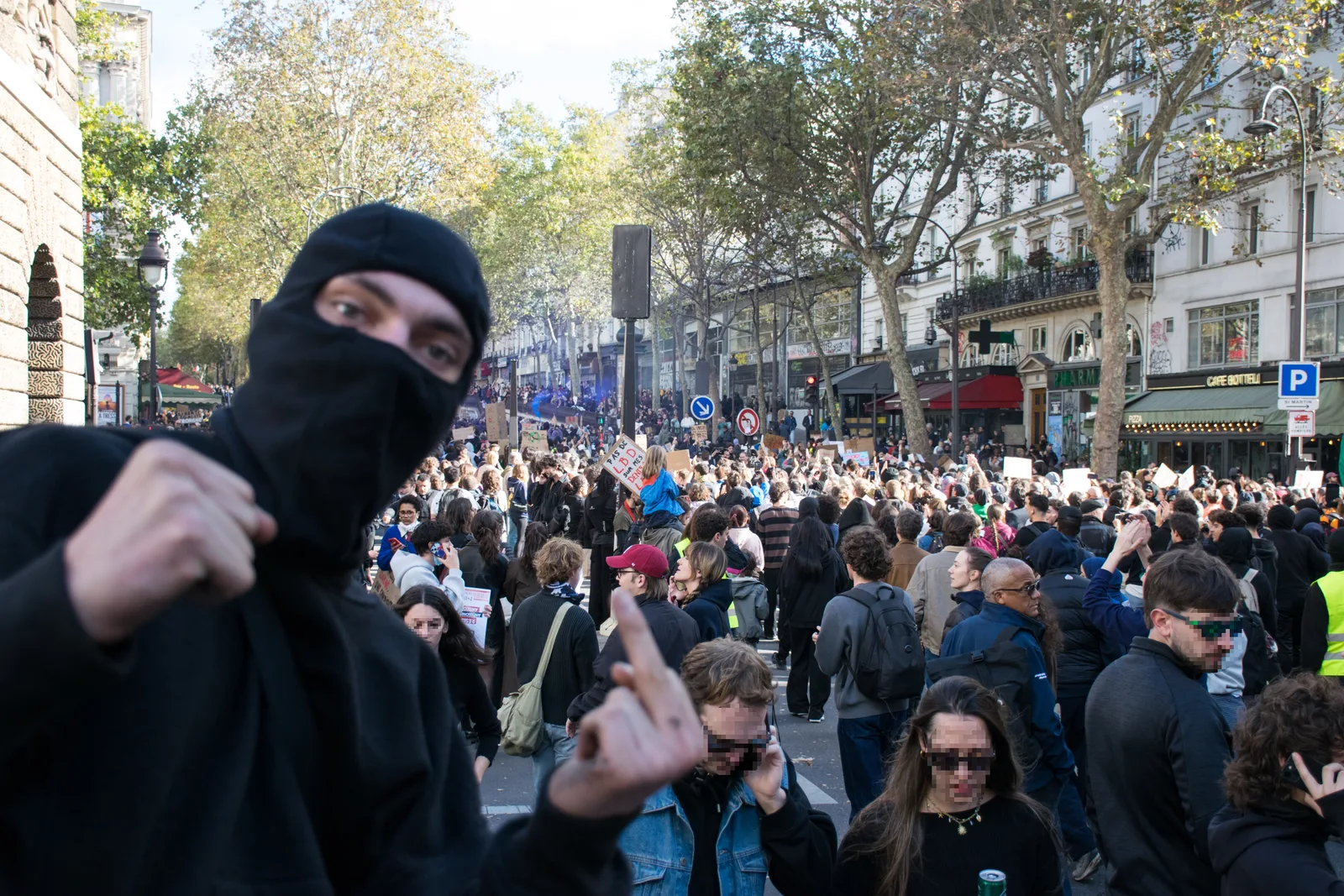
The CAC 40 is down 4.5 percent over the past month. The pressure is home-grown: nationwide marches on 17 October drew about 550,000 people by the authorities' count and 800,000 according to organisers, and weekend protests turned into the worst street violence France has seen in years. Curfews and transport restrictions took effect on Monday, 19 October, protest groups have called another day of action for Saturday, and the government is deploying 20 percent more police officers for the weekend.
The bond market is sending the louder signal. France's 10-year yield rose 11 basis points on Thursday to 5.113 percent, its highest since 2002 and above the US 10-year yield for the first time since 2013. The premium over German Bunds is the widest since November 2011. Lawmakers are debating a budget with about €43 billion of spending cuts that would still leave a deficit of 5 percent of GDP next year.
Retail Takes the First Hit
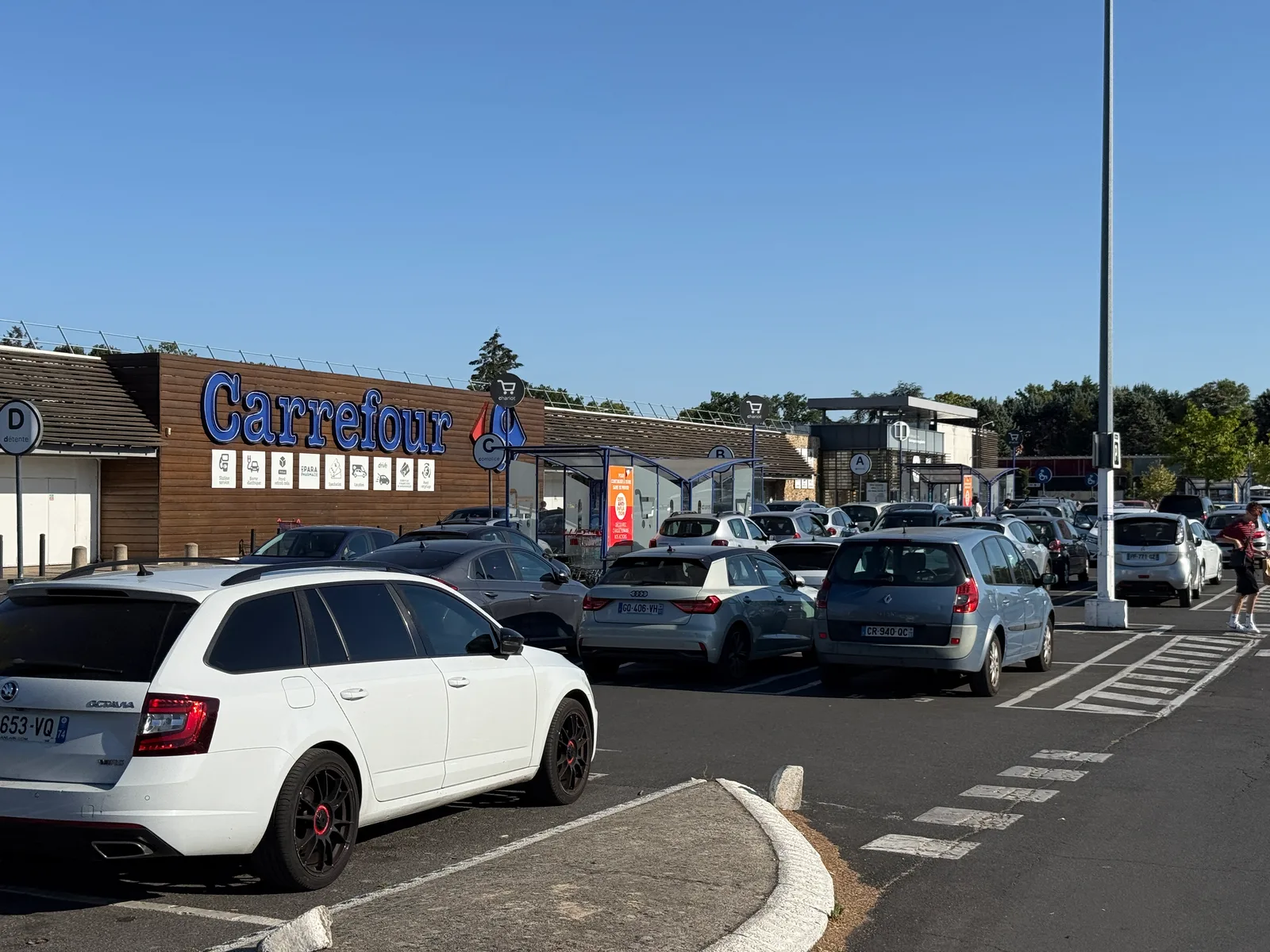
Carrefour gave the clearest measure of the damage so far. The grocer cut its profit outlook on Wednesday, citing the unrest and higher energy costs, and estimated the hit to operating income at €80 million to €200 million. Its shares fell more than 14 percent that day. Chief executive Alexandre Bompard called the situation "unprecedented".
ING has named retail, hospitality and tourism, and transport and logistics as the sectors most exposed. In a note on 20 October, the bank's analysts argued that a lasting loss of confidence can do more harm than a short burst of disruption. Benjamin Schroeder, a rates strategist at ING, said the unrest adds direct costs to the economy through lost output.
Luxury: Tourists and Tax-Free Spending
For the luxury houses, France is a small market by sales but an important one for visitors. France accounted for 8 percent of LVMH's revenue in 2025, and tax-free purchases by tourists make up about 20 percent of its French sales. Analysts warn that fewer visitors to Paris would weigh on that business.
The sector was already under strain before the protests. Kering shares were down 11.5 percent this morning after Gucci's third-quarter sales fell 6 percent on a comparable basis, with weak store traffic in China and Japan the main cause. LVMH and Hermès both reported quarterly sales below expectations in recent days. For these groups, Asia remains the bigger driver of earnings than events in France, but domestic disruption adds to an already difficult quarter.
Banks and Property: The Rates Channel
Bank shares and rate-sensitive property stocks fell earlier in the week as yields climbed. French banks hold large amounts of their own government's debt, and a wider sovereign spread tends to raise their funding costs. Listed landlords are hit twice: higher bond yields lower the value investors place on rental income and raise refinancing costs, while shopping-centre owners also depend on footfall that protests and curfews reduce.
| Sector | Main channel of exposure | Listed French examples |
|---|---|---|
| Food and general retail | Lost trading days, looting costs, energy bills | Carrefour |
| Luxury | Tourist and tax-free spending in France | LVMH, Kering, Hermès |
| Hospitality and tourism | Cancellations, curfews | Accor |
| Transport and logistics | Transport restrictions, disrupted deliveries | Air France-KLM |
| Banks | Wider sovereign spread, funding costs | BNP Paribas, Société Générale, Crédit Agricole |
| Listed property | Higher yields, weaker footfall | Unibail-Rodamco-Westfield, Klépierre, Gecina |
The examples show where each sector's risks sit; they are not a judgement on any company's results or a recommendation to buy or sell.
Rushabh Amin, a portfolio manager at Allspring, said he did not think conditions had reached the point where the European Central Bank would need to step in, because the stress has not spread far beyond France. That limits contagion risk for the wider euro-area market, but leaves French assets carrying the cost on their own.
What Could Change the Picture
Three events will set the tone. Moody's, which rates France Aa3 with a negative outlook, publishes its decision after European markets close today; most economists expect a downgrade. Saturday's protests will test whether the curfews have broken the cycle of violence. And the budget vote will show whether the government can deliver the deficit cut it has promised.
A market strategist quoted by Political.org said passing a budget could bring relief, but a lasting recovery in French assets would need a credible plan to stabilise the public finances. Until then, the sectors closest to the French consumer and the French state's borrowing costs are likely to stay the most volatile part of the CAC 40.
Sources
- Political.org: France's riots rattle markets as bond yields hit 24-year high
- Euronews: French government 10-year bond yield tops 5% for first time since 2002
- Hargreaves Lansdown (Sharecast): Kering shares slide as third-quarter Gucci sales fall
- The Edge Malaysia (Bloomberg): Gucci sales slip again in latest blow to Kering recovery plan
- Selectra: Moody's rating on France on 23 October and home loans