Government bonds steadied on Friday after a sell-off that pushed France's 10-year yield to its highest level since 2002 and sent the UK 30-year gilt yield above 6 percent for the first time since 1998. US Treasuries had just closed their worst quarter since 1994.
The common thread is inflation driven by energy. With Brent crude hovering around $100 a barrel as the war with Iran disrupts Gulf supply, investors have been pricing more rate hikes on both sides of the Atlantic and demanding more to hold long-dated government debt.
Friday brought some relief. Brent crude fell about 2 percent to around $99.95 a barrel, easing fears that the energy shock would push central banks further, and yields came off their peaks.
France's premium over Germany is the widest since 2012
France's 10-year yield hit 4.96 percent on Thursday, the highest since July 2002, before easing to about 4.92 percent by late Friday morning. The spread over German Bunds topped 140 basis points this week, the widest since 2012, after jumping 13.9 basis points on Thursday, its biggest one-day rise since March 2020.
"The daily moves were reminiscent of the Euro crisis in many respects," said Jim Reid, a strategist at Deutsche Bank, who added that sovereign contagion had become a big talking point.
Paris unveiled its 2027 budget this week, with €43 billion of new savings meant to cut the deficit from 5.4 percent of GDP to 5 percent. Public debt is at a post-war record of 119 percent of GDP, and France plans to borrow a record €340 billion next year. The High Council of Public Finances judged the 1 percent growth forecast optimistic and said a return below the EU's 3 percent deficit limit by 2029 was very unlikely.
Finance Minister Roland Lescure insisted that France's signature remained solid. ING analysts expect French bonds to stay under pressure and see a high threshold for any intervention by the European Central Bank. Politics adds to the risk: the far-right leader Marine Le Pen leads the polls before next spring's presidential election.
HSBC: share price, chart and news

Long gilts break 6 percent
In London, the 30-year gilt yield rose above 6 percent on Thursday for the first time since 1998, then fell back to about 5.92 percent on Friday. The 10-year yield eased to about 5.37 percent, below the 19-year high it hit earlier in the week, and the two-year yield dropped more than six basis points to about 4.77 percent.
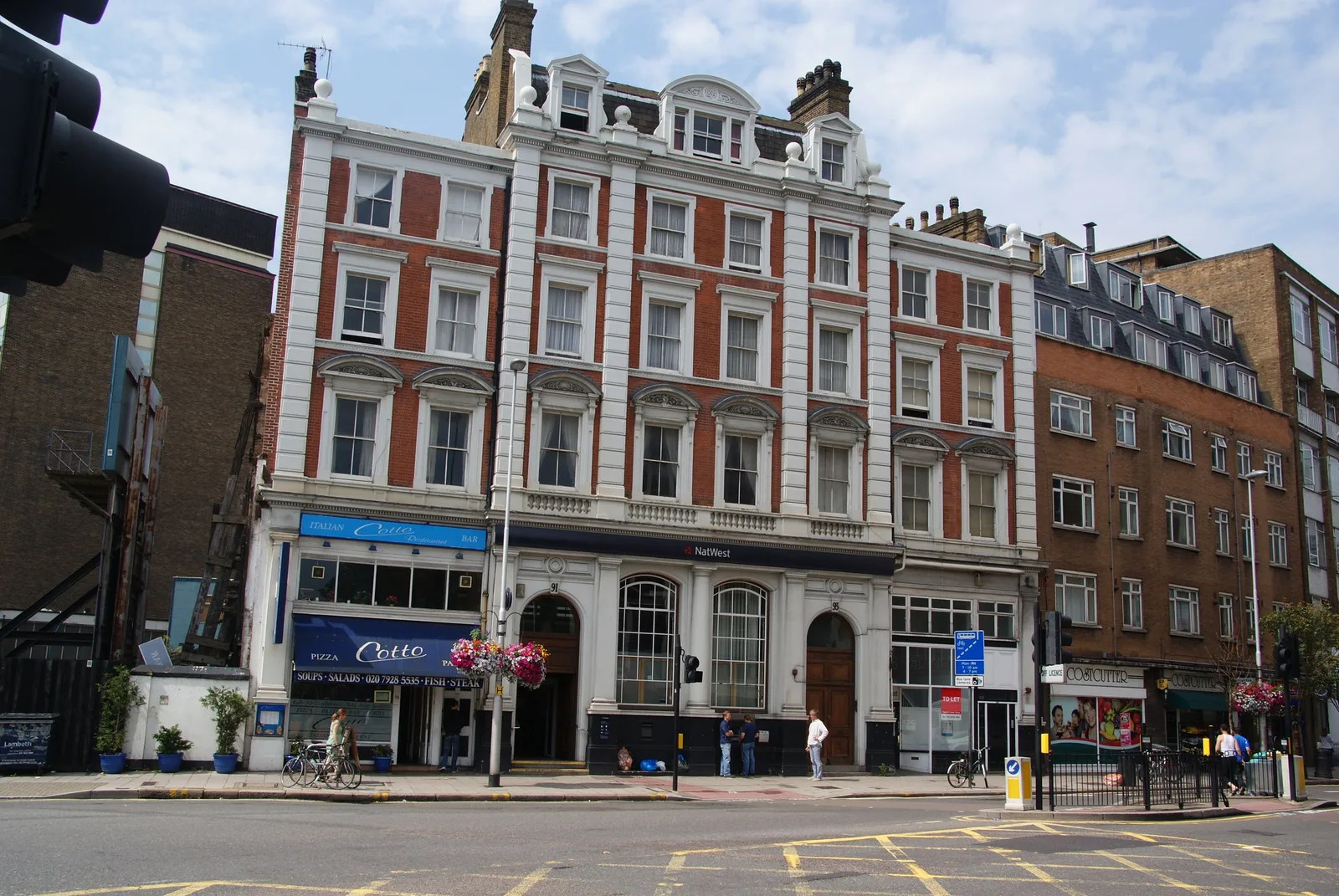
Bank shares took a separate hit. NatWest, Lloyds, HSBC and Barclays fell between 4 and 5 percent on Thursday after Sky News reported that the Chancellor had summoned bank bosses before the 28 October budget, fuelling talk of new bank taxes.
| Bond | Peak this week | Friday morning |
|---|---|---|
| France 10-year | 4.96% (Thursday) | about 4.92% |
| UK 30-year | above 6% (Thursday) | about 5.92% |
| UK 10-year | 19-year high | about 5.37% |
| US 10-year | 5.34% (Thursday) | about 5.26% |
Treasuries suffer their worst quarter since 1994
The US 10-year yield reached 5.265 percent on 29 September, its highest since 2007, as investors increasingly expected at least one more quarter-point Federal Reserve hike before the end of the year. It touched 5.3 percent as the quarter closed, capping the biggest quarterly rise since 1994, and climbed to 5.34 percent on Thursday, the highest since 2002, before slipping back to about 5.26 percent.
Two forces are pushing US yields up. Surging energy costs are feeding inflation, and the borrowing needs of the AI and data-centre boom are competing for investors' capital. After the Fed's September hike, markets expect at least three more increases by mid-2027.
Danny Zaid, a portfolio manager at TwentyFour Asset Management, warned that higher yields tighten financial conditions and could raise the risk of a slowdown.
Interest bills climb as rates reset higher
The cost is already showing up in public budgets. Developed economies paid more than $3.3 trillion (€2.9 trillion) in interest on internationally traded government bonds over the past year, according to the Institute of International Finance, more than estimated global spending on defence or on AI.
In the euro area, Friday's flash estimate put September inflation at 3.8 percent, the highest in three years and the seventh straight month above the ECB's 2 percent target. The ECB raised rates in June and September, and traders expect another quarter point, taking the deposit rate to 2.75 percent, by the end of the year.
For investors, the next tests come quickly: the ECB decides on 29 October, the UK presents its budget on 28 October, and France's budget now goes to a parliament where the government has no majority.