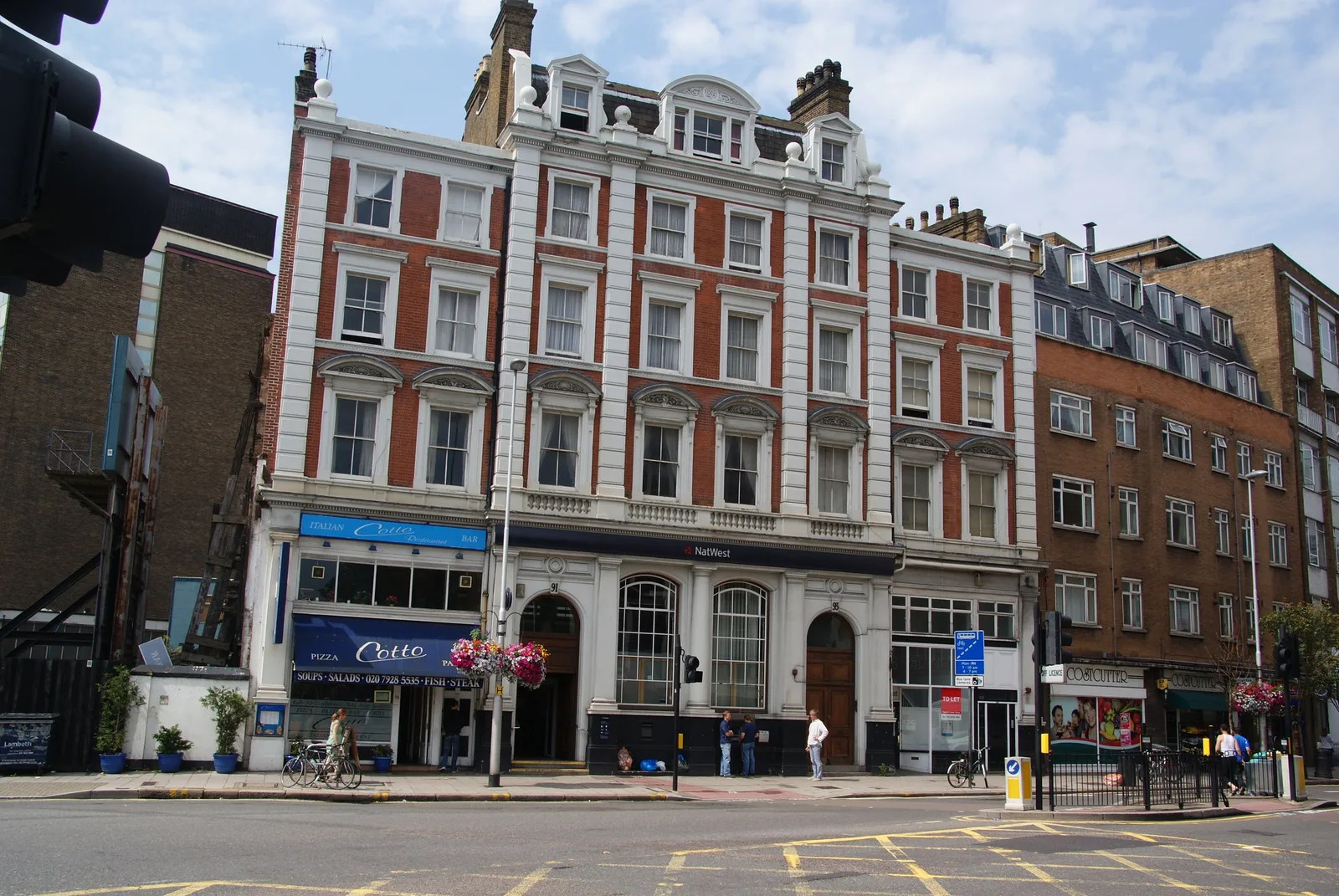
HSBC and NatWest cut fixed mortgage rates on 14 October, with NatWest taking up to 17 basis points off remortgage deals for borrowers with smaller deposits. The cuts brought some relief after a September in which average two- and five-year fixes climbed to around 6 percent and almost every sub-5 percent fixed deal disappeared.
The reductions are modest, but they matter for direction. A month ago lenders were repricing upwards almost weekly. Now two of the country's largest banks are competing on price again, even though the wholesale funding costs that drive fixed-rate pricing have not fallen.
What HSBC and NatWest Changed
NatWest cut rates across its residential range. Its largest reductions, of 17 basis points, went to remortgage deals at 85 percent and 90 percent loan-to-value (LTV), the products used by homeowners with relatively little equity in their property.
On the purchase side, NatWest trimmed two-year fixes at 60 percent and 75 percent LTV by up to 0.1 percentage point. Its five-year fix at 60 percent LTV now starts at 4.95 percent, below the 5 percent line that had become rare in recent weeks.
HSBC reduced two- and five-year fixes for first-time buyers and home movers across 60 percent to 95 percent LTV, and also cut selected buy-to-let, international and green mortgage ranges. Coverage of the move did not give the size of HSBC's cuts.
The specialist lender Foundation, which sells only through brokers, also cut selected buy-to-let products by up to 10 basis points, with an entry rate of 4.99 percent at 75 percent LTV, and took 0.1 percentage point off its holiday-let fixes.

Lenders Cut Even as Swap Rates Rose
Fixed mortgage rates are priced largely off swap rates, the cost at which banks lock in funding for two or five years. Those rates have been volatile, and according to brokers they rose over the past month.
Nick Mendes, mortgage technical manager at John Charcol, said the HSBC and NatWest cuts came despite that rise. He read them as a sign of strong competition among lenders for new business.
Mendes also pointed out that most recent cuts across the market had targeted purchase loans. HSBC moving on remortgage pricing was, in his view, a notable step that could prompt other lenders to follow. NatWest's focus on higher-LTV remortgages offered "some relief for homeowners with smaller deposits or less equity," he said.
HSBC: share price, chart and news
How Far Rates Climbed in September
The cuts start from a high base. Moneyfacts put the average two-year fixed rate at 5.98 percent on 5 October, the highest since mid-December 2023. The average five-year fix reached 6 percent, the highest since late September 2023.
UK fixed mortgage market, 5 October
- 5.98% average two-year fix, highest since December 2023
- 6.00% average five-year fix, highest since September 2023
- 9 sub-5% fixed deals left, down from 1,494 in early September
The collapse in cheaper deals was the sharpest part of the move. At the start of September there were 1,494 fixed deals priced below 5 percent, excluding products available only in Northern Ireland. By 5 October there were nine, a fall of 99 percent.
The repricing was broad. Moneyfacts counted four fixed-rate increases from Barclays in September, and three each from HSBC, Lloyds, Nationwide, NatWest, Santander and TSB. Rachel Springall of Moneyfactscompare.co.uk tied the moves to renewed swap rate volatility and wholesale funding costs pushed up by rising gilt yields.
What It Means for Monthly Payments
The HomeOwners Alliance has put numbers on the damage for a typical borrower. On a £250,000 mortgage over 25 years, a two-year fix taken in February 2026 at 4.85 percent cost about £1,440 a month. Refixing at the October average of 5.98 percent lifts that to about £1,608, an extra £168 a month or roughly £2,016 a year.
For a five-year fix, the move from 4.94 percent in February to 6 percent adds about £158 a month, taking repayments from £1,453 to £1,611.
| £250,000 over 25 years | February 2026 rate | Early October rate | Extra per month |
|---|---|---|---|
| Two-year fix | 4.85% | 5.98% | about £168 |
| Five-year fix | 4.94% | 6.00% | about £158 |
Against those increases, cuts of 0.1 to 0.17 percentage point are small. On the same £250,000 loan at around 6 percent, they save roughly £15 to £26 a month. Their significance lies in what they signal about lender appetite rather than in the savings themselves.
What to Watch Next
Whether more lenders follow depends mainly on swap rates and gilt yields. If funding costs stabilise, competition for business should push more cuts through, especially in the remortgage market where HSBC has now moved. If swap rates keep rising, lenders have limited room to keep cutting without squeezing their margins.
Borrowers whose fixed deals end in the coming months face the clearest decision. Many lenders allow a new rate to be reserved several months ahead, and switching to a lower rate before completion is often possible, so a falling market changes the calculation for those still shopping around.