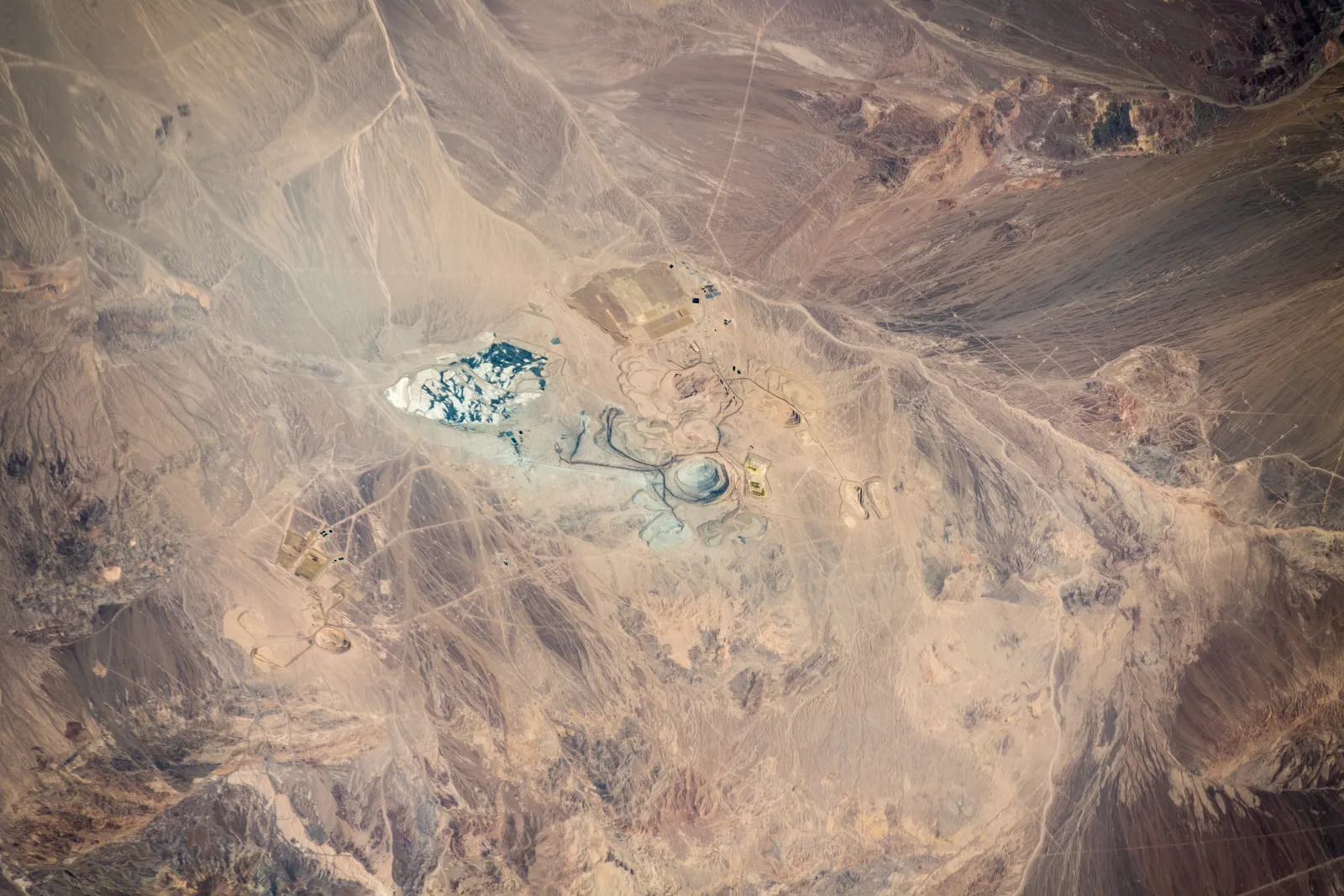
Kootenay Silver has reported new drill results from the Lupe Vein at its Columba silver project in northern Mexico, including 759 grams per tonne silver over 6 metres and a broad 84-metre zone of lower-grade mineralisation. The company said Lupe now measures about 520 metres along strike and 450 metres deep, and is open in all directions.
The results
The TSX Venture explorer said on 22 September that hole CDH-26-256 returned 759 g/t silver, with 0.6% lead and 1% zinc, over 6.02 metres from 378.68 metres down the hole. That included 2.92 metres at 1,184 g/t and a 30-centimetre sample at 4,040 g/t. The estimated true width of the 6-metre interval is 3.01 metres.
Other Lupe holes were wider but lower grade. CDH-26-258 gave 232 g/t silver over 24 metres (15.36 metres estimated true width), including 14 metres at 358 g/t. CDH-26-257 returned 250 g/t over 11 metres with 1.4% lead. CDH-26-254 cut 84.45 metres averaging 94 g/t silver from 392.55 metres, including 1.8 metres at 755 g/t; the company estimates that interval's true width at 57.43 metres.
Holes aimed at Lupe also crossed the neighbouring D Vein, which converges with it towards the east. CDH-26-255 returned 261 g/t silver over 23.63 metres, or 8.51 metres true width. In the B2 Vein, CDH-26-260 gave 209 g/t over 8.3 metres. Gold assays for this batch were still outstanding.
Kootenay Silver: share price, chart and news
Where Columba stands
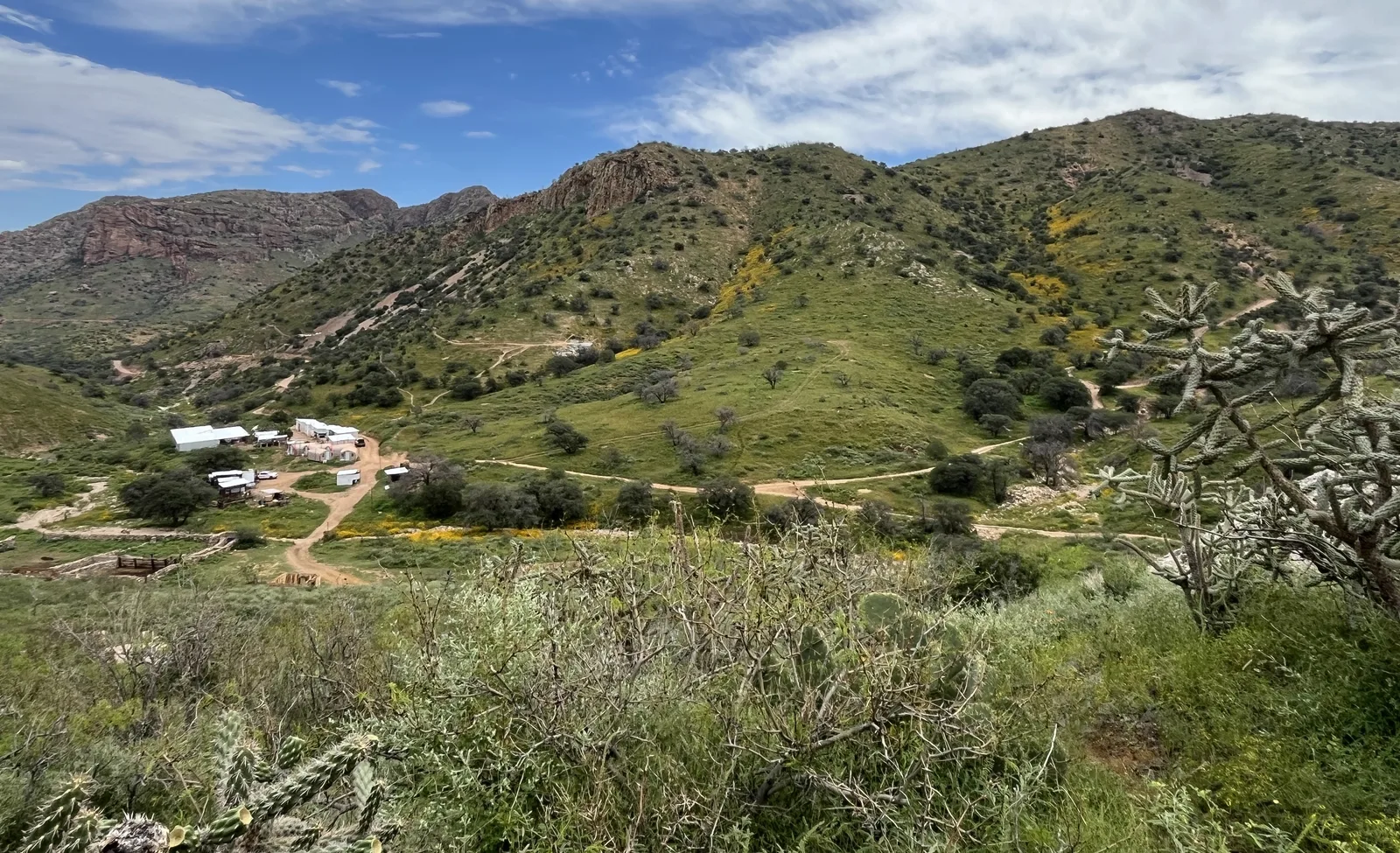
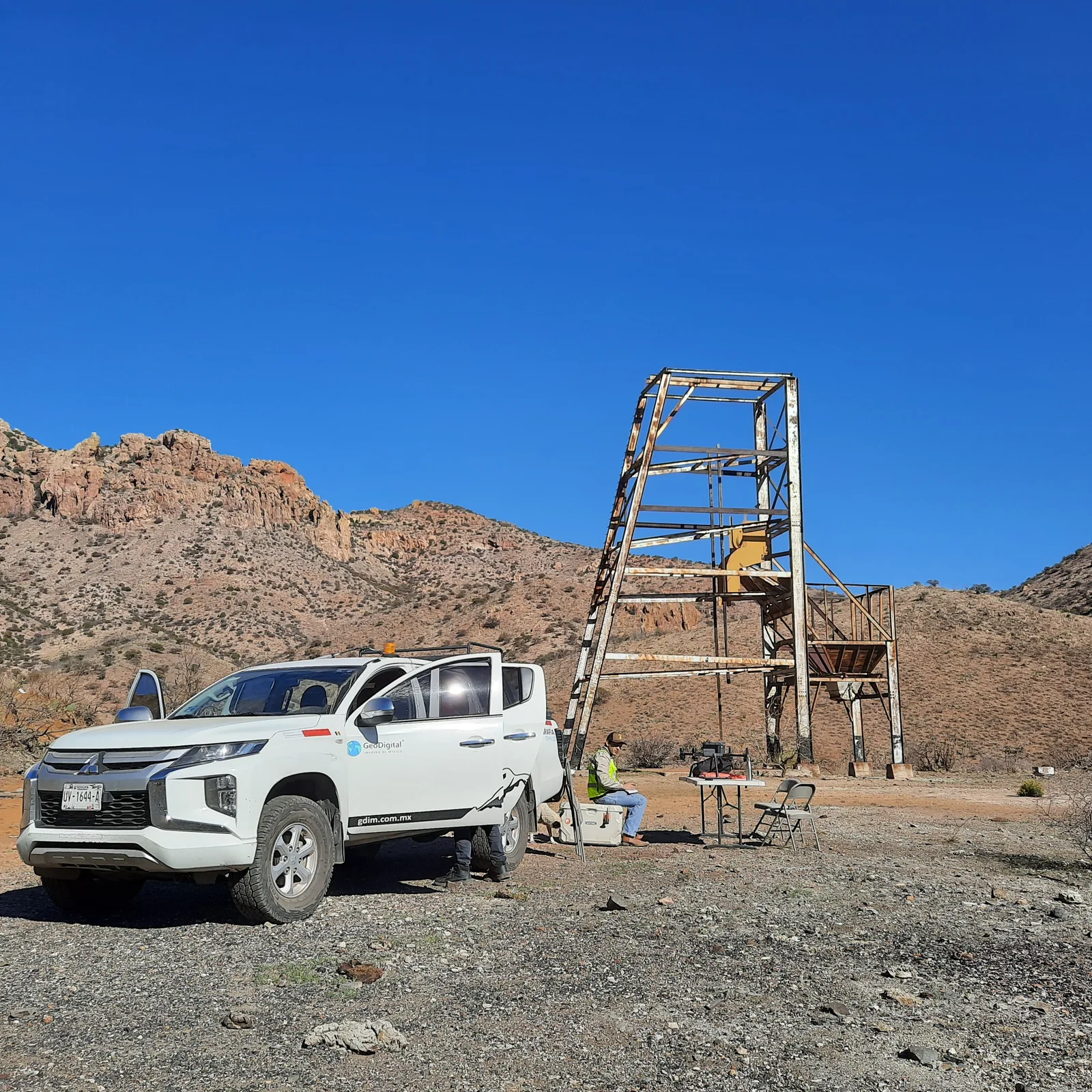
Columba is a high-grade epithermal vein system in a volcanic caldera in Chihuahua state, about 4 by 3 kilometres across at surface. Kootenay published a maiden inferred resource in June 2025 of 54.1 million ounces of silver in 5.92 million tonnes at 284 g/t. Inferred is the lowest-confidence category of resource.
Columba at 22 September
- 30,000 m+ drilled of a staged 60,000 m programme
- 51 holes with results now reported
- 54.1m oz silver in the June 2025 inferred resource
This year's drilling has been stepping out about 100 metres at a time from the edges of that resource. Six days earlier, on 16 September, Kootenay reported D Vein results that extended that vein to about 1,320 metres of strike and up to 600 metres below surface. That batch was lower grade, led by 274 g/t over 6.28 metres in CDH-26-253, but it also identified several veins that do not reach surface, which the company treats as new targets.
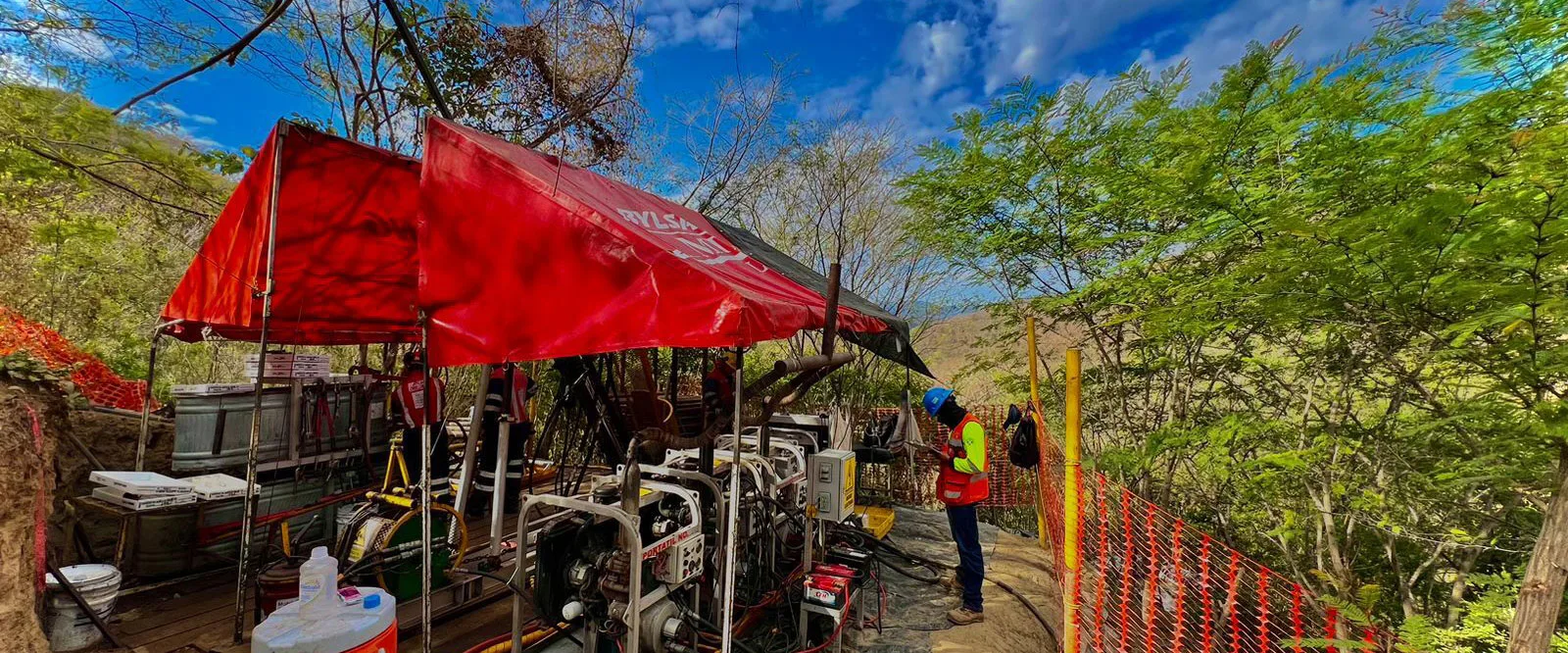
Senior geological engineer Roberto Jordan called Lupe "a principal target in Columba". Drilling has now moved on to extending the Julieta and Santo Niño veins and testing an untested parallel vein, Toro, with two rigs while the company enlarges camp and core storage.
What the results do and do not show
The numbers are drill intercepts, not an updated resource. Single high-grade samples such as the 4,040 g/t interval are very narrow, and broad intervals such as the 84 metres in CDH-26-254 average well below the deposit's resource grade. Kootenay has not said when it will update the Columba estimate.
The company says it is fully funded to finish the 60,000-metre programme. The latest quarterly accounts on its website show C$36.4 million of cash at 31 March, after an C$18 million share placement at C$2.25 in February. As an explorer with no revenue, it will need more money to take Columba beyond drilling, which typically means issuing shares. Exploration at Columba was also halted for a time in June after a contract miner was involved in an accident in the old F Vein shaft.
What to watch
Next at Columba
- Gold assays from the Lupe batch, to be released if gold is present.
- Results from the Julieta, Santo Niño and Toro veins.
- Progress through the second 30,000 metres of the programme.
- Any timetable for an updated resource estimate.