Lake Resources is an Australian developer with one main asset: the Kachi lithium brine project in northwest Argentina. Kachi won its key environmental permit in September and is now in front-end engineering, but the company has about A$10m of cash against a first phase costed at more than US$1bn.
What Lake Resources does
Lake Resources is listed on the Australian Securities Exchange under the code LKE, and its shares also trade in the US over the counter as LLKKF. It is a pre-revenue developer: it has no production and no sales.
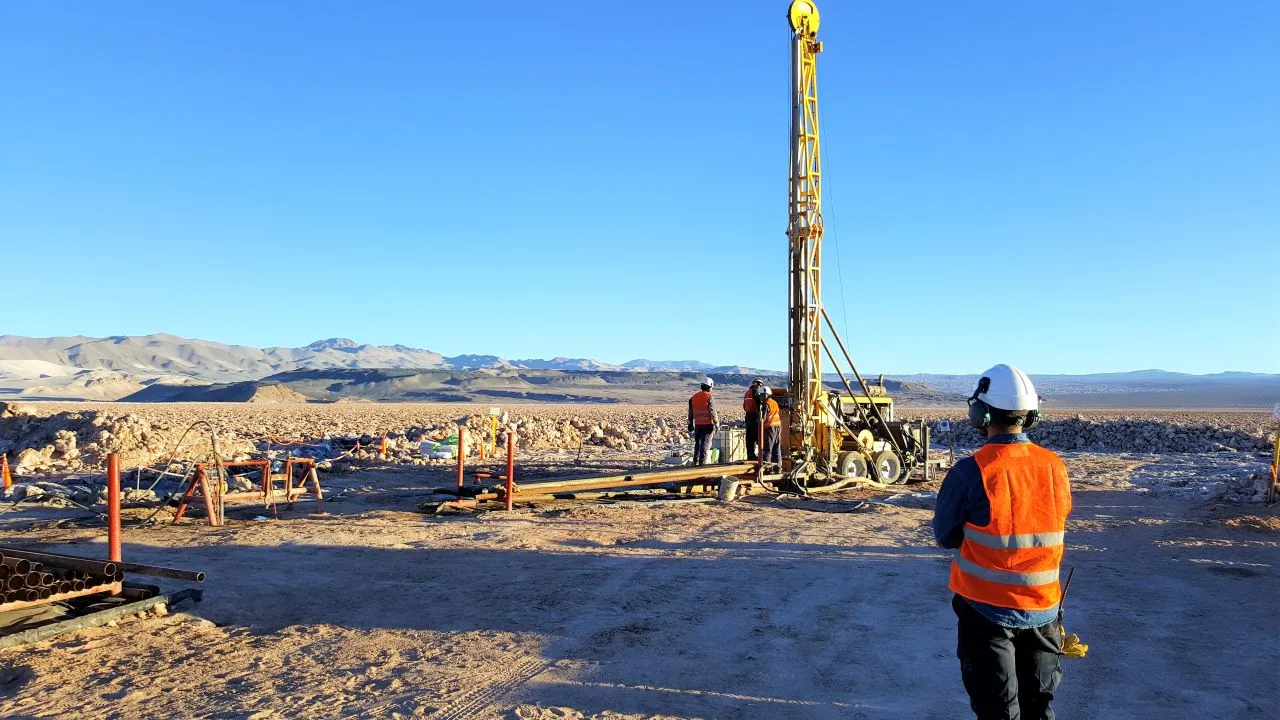
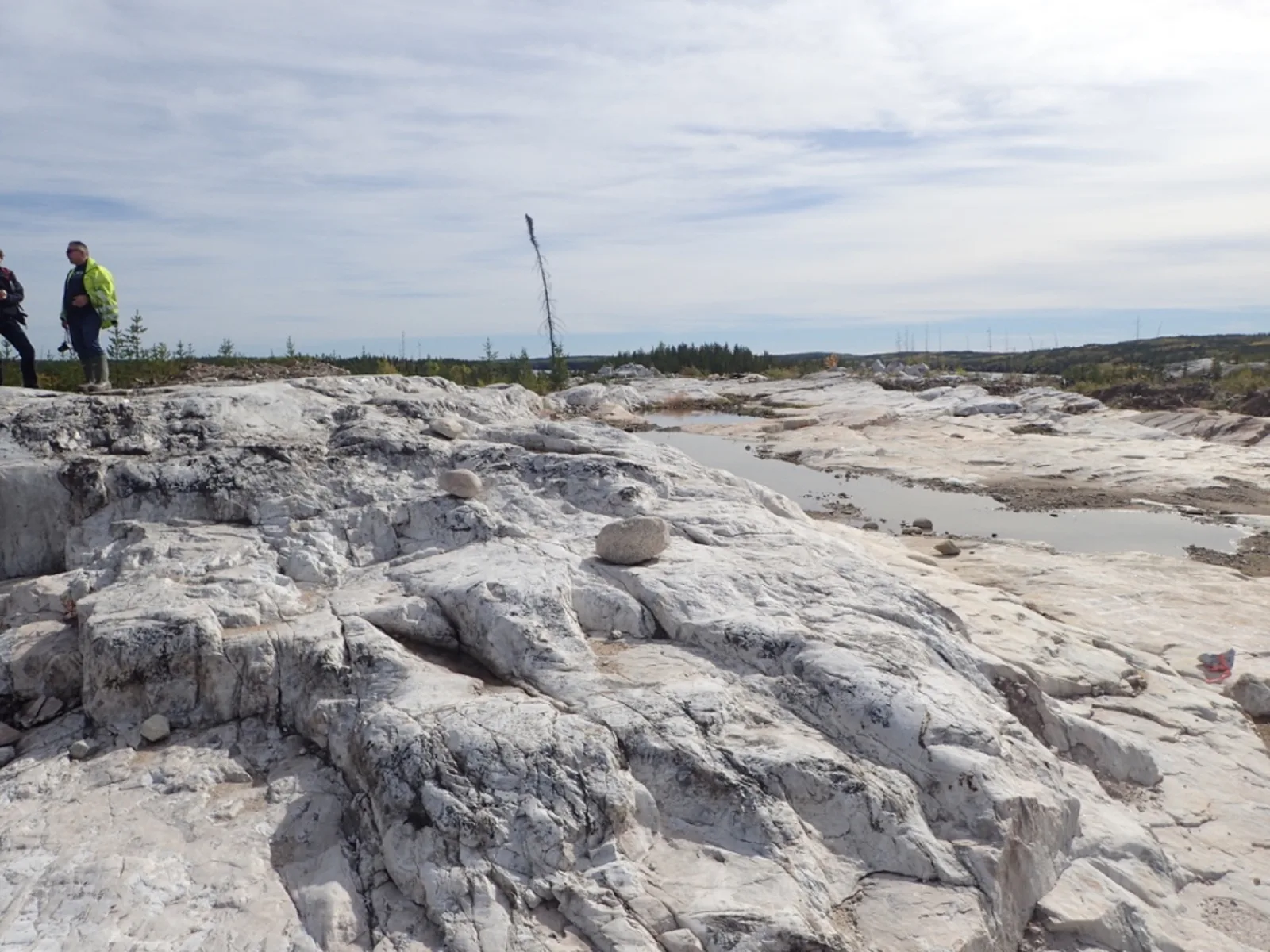
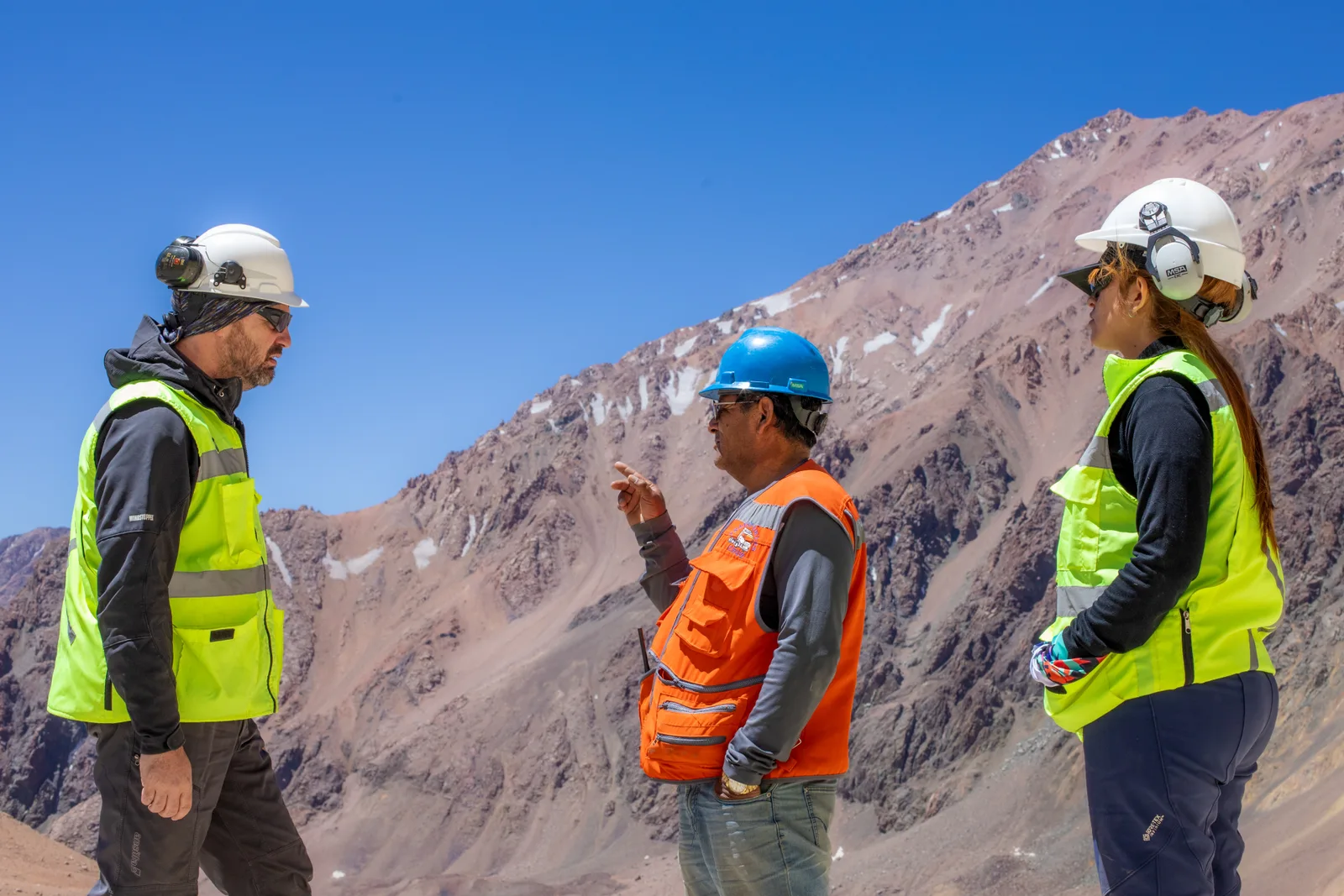
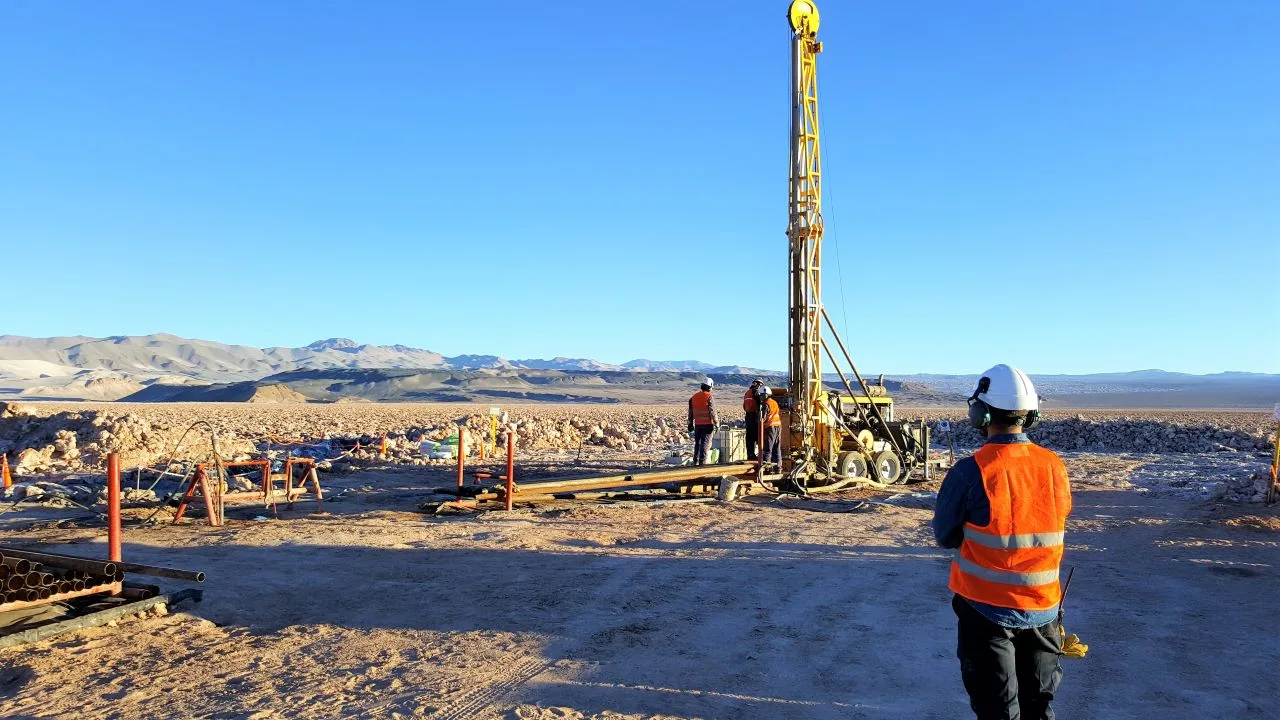
Its core asset is Kachi, a lithium brine project in Catamarca province, Argentina. Lake owns 80% of Kachi. The other 20% belongs to Lilac Solutions, the US company whose ion-exchange technology Lake plans to use to pull lithium out of the brine.
The plan is to produce battery-grade lithium carbonate of more than 99.5% purity. Phase one is designed for 25,000 tonnes a year of lithium carbonate equivalent (LCE) over a 25-year life, and the company has outlined a possible second phase of the same size.
The board is chaired by Stuart Crow. David Dickson has been managing director and chief executive since 2022.
Lake Resources: share price, chart and news
Kachi: the numbers, the permit and the engineering
The most recent project economics come from an addendum to the definitive feasibility study (DFS), published in August 2025 and repeated in Lake's October 2026 investor presentation.
| Kachi phase one | Figure |
|---|---|
| Planned output | 25,000 t a year LCE |
| Capital cost (DFS addendum, Aug 2025) | US$1.16bn |
| Operating cost | US$5,895 a tonne |
| Pre-tax NPV at 10% | US$1.5bn |
| Pre-tax IRR | 22.5% |
| Lithium carbonate price assumed | US$20.5 a kg |
| Ore reserve | 626,700 t LCE |
| Total mineral resource | 11.1 Mt LCE |
The resource includes 8.2 million tonnes of LCE in the measured and indicated categories, the higher-confidence classes, and 2.9 million tonnes inferred. The ore reserve, the part the company has shown can be mined economically under its plan, covers the 25-year life.
The net present value and return figures are before tax. They rest on a price assumption, and lithium prices have been volatile, so the real outcome could differ widely.
On 29 September the Catamarca Ministry of Mining issued Kachi's Environmental Impact Declaration (DIA), the main provincial environmental permit. Dickson called it "the most important milestone in Lake Resources' and Kachi's history".
The permit carries conditions. Lake has committed US$1m to Catamarca's Mining Royalty Trust Fund, payable from October 2026 to June 2027. The ministries also set a 200-metre surface exclusion zone around the lagoon shoreline. Lake is updating its resource estimate for the zone and says, on current estimates, it should not affect the ore reserve or the wellfield plan.
Kachi has now moved into front-end engineering design (FEED), which Lake describes as the last engineering step before a final investment decision. In its September-quarter report the company said it was still evaluating FEED contractors.
On power, Lake is weighing two grid routes, a northern option with YPF Luz and a southern option along the Alumbrera corridor, as well as solar and battery storage. No decision has been announced.
Lake's investor presentation says first lithium would come about 33 months after a final investment decision, with full capacity about 42 months after it. No date for that decision has been given.
Cash, shares and how Lake funds itself
Balance sheet at 30 September 2026
- A$10.1m cash, with no debt
- 2.48bn shares on issue (3.14bn fully diluted, 7 October)
- A$4.3m spent in the September quarter
Lake ended September with A$10.1m of cash, up from A$6.7m at 30 June. The increase came from share sales: in the quarter Lake raised A$7.9m by issuing 157.5 million shares through its at-the-market (ATM) facility, an arrangement that lets it sell stock into the market in small amounts.
The company has drawn A$60.1m through the ATM to date and has extended its term to 31 January 2031. It estimated about A$18.9m of remaining capacity at the end of September, based on a share price of A$0.041.
Quarterly outgoings were A$4.3m, including A$3.2m of operating cash outflow and A$1.1m spent on exploration and evaluation. Counting the unused ATM capacity, Lake put its funding runway at about 6.7 quarters.
At A$0.04 a share on 7 October, the company was valued at about A$99m, or A$126m on a fully diluted basis, according to its presentation.
The funding model has a cost for shareholders. Every ATM sale adds shares, and the share count has already grown to about 2.48 billion. Use of the facility also depends on market conditions and the share price.
Financing the plant and the main risks
Building Kachi needs project-level money far larger than Lake's balance sheet. Citibank and J.P. Morgan are joint coordinators for proposed debt financing. UK Export Finance and Export Development Canada have issued expressions of interest, subject to due diligence, the presentation says.
Lake says it is talking to potential offtakers and strategic partners in India, Korea, Japan, Europe and the US, and has added new parties to the Kachi data room. No binding offtake agreement has been disclosed.
Main risks
- Funding: the US$1.16bn first phase has no committed debt, equity partner or offtake
- Dilution: the company relies on issuing new shares to cover its costs
- Costs: FEED could change the capital cost estimate
- Country and policy: the RIGI incentive application has not yet been filed
- Partner: Kachi depends on Lilac's ion-exchange extraction technology and on Lilac as its 20% co-owner
- Prices: the project economics depend on lithium carbonate prices
What to watch next
| Event | Timing |
|---|---|
| Annual general meeting | 19 November 2026 |
| RIGI incentive application for Kachi | Expected soon, no date given |
| Updated resource estimate reflecting the exclusion zone | No date given |
| FEED contractor and power decisions | No date given |
| Offtake, strategic partner and debt agreements | No date given |
| Next quarterly cash flow report | By the end of January 2027 |