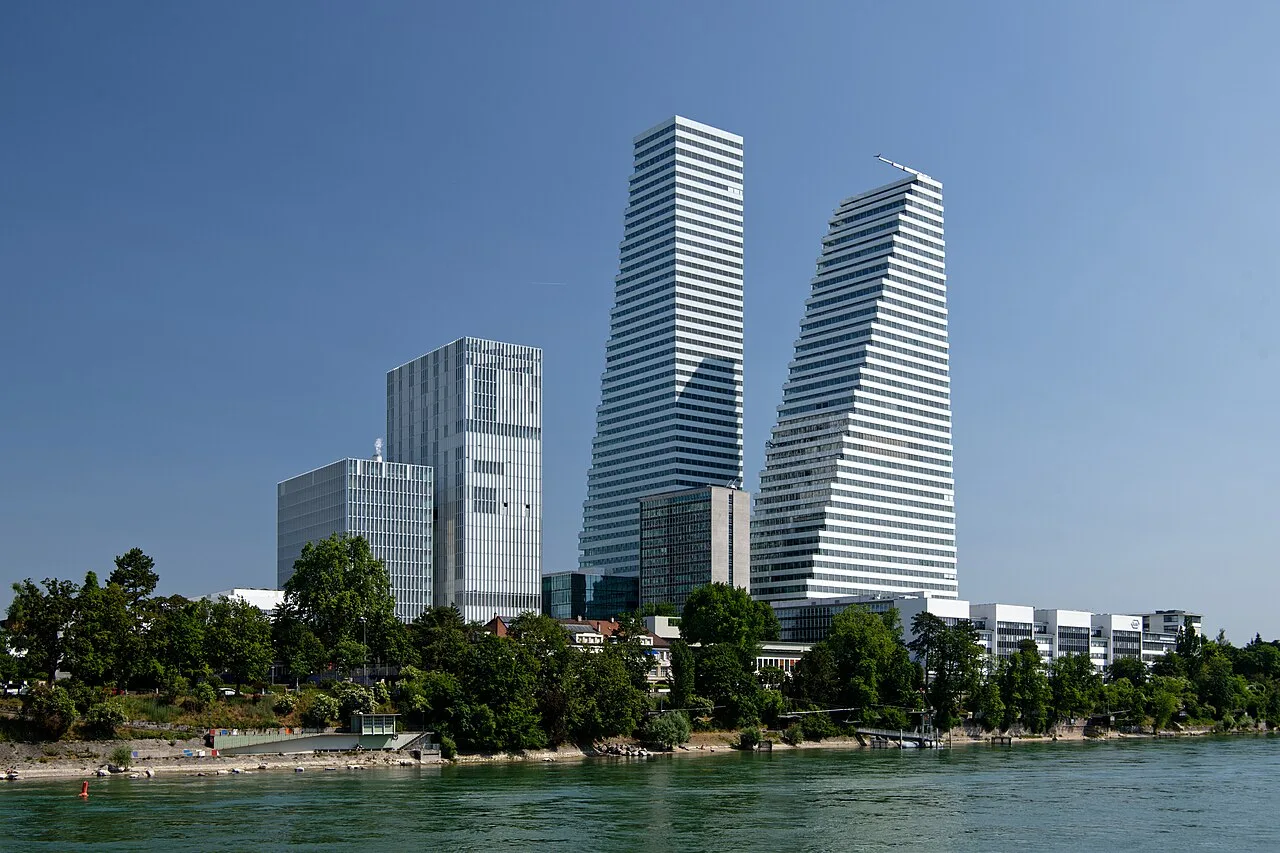
Roche's sales growth picked up in the third quarter to 7% at constant exchange rates and 8% in Swiss francs, the group said on 22 October. Nine-month sales reached CHF 46.5 billion, and Roche confirmed its 2026 targets for sales, core earnings per share and a higher dividend.
Growth speeds up as the franc stops biting
Group sales for the first nine months of 2026 were CHF 46,493 million, against CHF 45,862 million a year earlier. That is growth of 6% at constant exchange rates (CER) but only 1% in Swiss francs, because the stronger franc, especially against the US dollar, cut the reported figure for much of the year.
That currency drag reversed in the third quarter as exchange rates stabilised, so quarterly growth of 7% at CER turned into 8% in francs. Chief executive Thomas Schinecker said the group "continued to make meaningful progress for patients."
Roche: share price, chart and news
Roche, first nine months of 2026
- CHF 46.5bn group sales, up 6% at CER and 1% in francs
- CHF 36.2bn pharmaceuticals sales, up 7% at CER
- CHF 10.3bn diagnostics sales, up 4% at CER
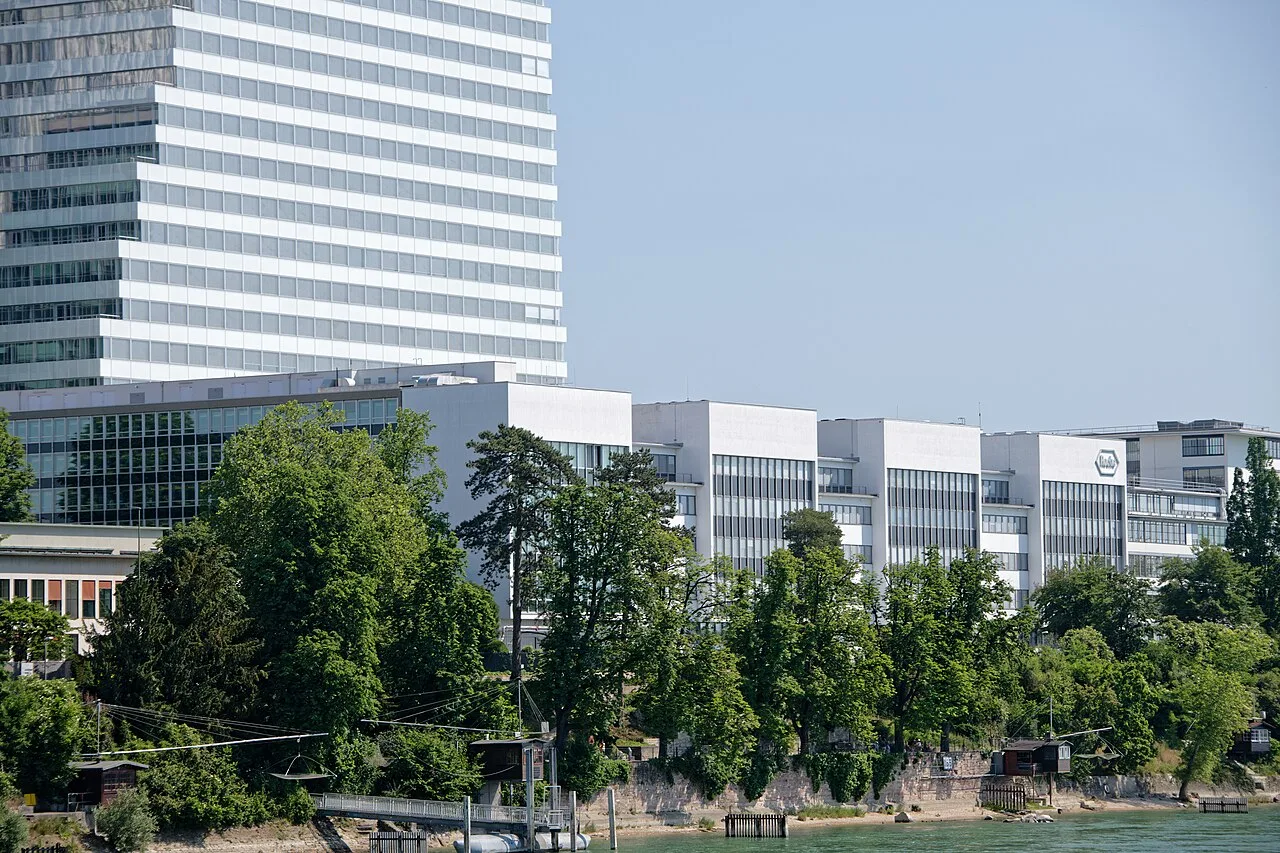
Medicines: five products carry the growth
The pharmaceuticals division, which supplied 77.9% of group sales, grew 7% at CER. Roche's five biggest growth drivers, Xolair, Hemlibra, Ocrevus, Phesgo and Vabysmo, together sold CHF 16.8 billion, up 12% at CER.
| Product | Nine-month sales | Growth at CER |
|---|---|---|
| Ocrevus (multiple sclerosis) | CHF 5,317m | +7% |
| Hemlibra (haemophilia A) | CHF 3,750m | +12% |
| Vabysmo (eye disease) | CHF 3,196m | +10% |
| Xolair (allergy, asthma) | CHF 2,521m | +20% |
| Phesgo (breast cancer) | CHF 2,064m | +18% |
| Polivy (lymphoma) | CHF 1,302m | +24% |
By region, pharmaceuticals sales rose 5% at CER in the United States, Roche's largest market, at CHF 18.7 billion, and 2% in Europe. Japan grew 25% at CER, which Roche put down partly to product supply to third parties and a positive timing effect from the introduction of a new ERP system, alongside growth in several medicines. China was flat.
Older medicines kept shrinking. Products that have lost patent protection, Avastin, Herceptin, MabThera/Rituxan, Lucentis and Actemra/RoActemra, fell by a combined CHF 0.4 billion at CER. Actemra/RoActemra sales fell 10% overall and 26% in Europe, where it faces biosimilars, and Perjeta fell 8% as patients moved to Phesgo.
Diagnostics: China pricing weighs on Asia-Pacific
The diagnostics division grew 4% at CER to CHF 10.3 billion, flat in francs. Core lab sales rose 5%, pathology lab sales 10% and molecular lab sales 3%, and Roche said demand for core lab and pathology products more than offset healthcare pricing reforms in China. Near patient care sales fell 5% at CER to CHF 1.35 billion; the release gave no reason. Asia-Pacific diagnostics sales fell 4% at CER, while North America grew 9%.
Pipeline news and what to watch
Roche listed several regulatory steps in the quarter. The US Food and Drug Administration approved Tecentriq after surgery for a form of stage III colon cancer on 9 October and Enspryng for thyroid eye disease on 16 October, and granted priority review to fenebrutinib in relapsing and primary progressive multiple sclerosis on 30 September.
Dates ahead
- 30 November 2026: FDA decision date for giredestrant in early-stage breast cancer
- 18 December 2026: FDA decision date for giredestrant in advanced breast cancer
- 9 March 2027: Roche annual general meeting
- By July 2027: expected FDA decision on vamikibart in uveitic macular edema
For 2026, Roche still expects group sales growth in the mid single digits at CER, core earnings per share growth in the high single digits at CER, and a further increase in the dividend in Swiss francs.
The main risks are the ones visible in these numbers. Biosimilars continue to erode older brands, China's pricing reforms weigh on diagnostics, and the strong franc can shrink reported growth even when underlying demand holds. The giredestrant decisions are binary events: a delay or rejection would remove an expected launch from Roche's plans for late 2026.