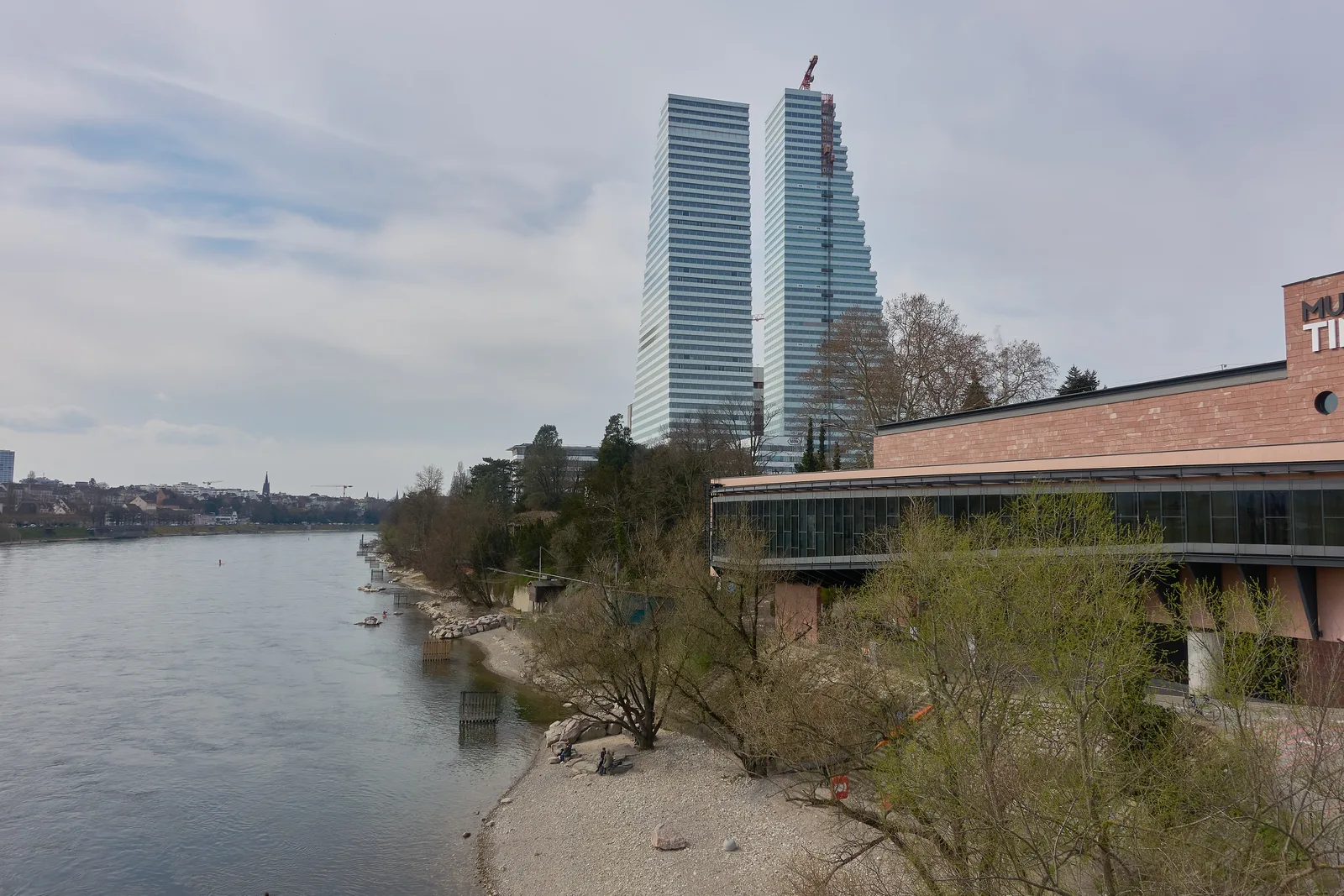
The US Food and Drug Administration approved Roche's Wilserdly (giredestrant) on Monday 16 November for advanced breast cancer that has stopped responding to hormone therapy, a treatment patients can take entirely as pills. In the evERA trial, Wilserdly paired with everolimus cut the risk of the cancer growing or the patient dying by 62% in people whose tumours carry an ESR1 mutation. A second FDA decision, on early-stage disease, is due on 30 November.
Wilserdly at a glance
- 62% lower risk of progression or death in ESR1-mutated patients in the evERA trial
- 10 months median time before the disease progressed, against 5.5 months on standard therapy
- 30 November the date the FDA has set to decide on early-stage breast cancer
The FDA approved Wilserdly four weeks early
Roche had been waiting for an answer by 18 December, the goal date its US arm Genentech gave in September. The FDA said it approved the application four weeks ahead of that date, after a review run alongside Health Canada and Israel's Ministry of Health.
The label covers adults with oestrogen receptor-positive, HER2-negative breast cancer that is locally advanced or has spread, whose tumour carries an ESR1 mutation, and whose disease has come back or grown despite hormone treatment. The FDA also cleared a blood test, FoundationOne Liquid CDx, to find the patients who qualify.
The mutation is how many of these tumours escape. Oestrogen receptor-positive cancers feed on the hormone, so doctors starve them with drugs that block it. Over time, a change in the ESR1 gene can let the cancer keep growing anyway. Roche said up to 40% of patients with hormone receptor-positive metastatic breast cancer develop these mutations.
What the evERA trial showed
The evERA study enrolled 373 adults whose cancer had already been treated with hormone therapy and a CDK4/6 inhibitor, a class of pills used as a first treatment for advanced disease. Of those, 207 had ESR1 mutations. Patients were assigned at random: 183 got Wilserdly at 30 mg once a day, and 190 got their doctor's choice of exemestane, fulvestrant or tamoxifen. Everyone also took 10 mg of everolimus daily, a drug that blocks mTOR, part of a second growth pathway that cancer cells use to resist hormone treatment.
In the ESR1-mutated group, the FDA reported these results:
| ESR1-mutated patients | Wilserdly + everolimus | Standard hormone therapy + everolimus |
|---|---|---|
| Median time without progression | 10 months | 5.5 months |
| Tumours that shrank (response rate) | 27% | 14% |
| Overall survival | Not yet mature | Not yet mature |
Across all 373 patients, Genentech reported in September a 44% cut in the risk of progression or death. The approval covers only the mutated group.
The most common side effects were mouth sores, rash, tiredness, diarrhoea, muscle and bone pain, lung inflammation and nausea. The prescribing information warns of a slow heart rate and of harm to an unborn baby.
"By pairing potent oestrogen receptor degradation with everolimus, Wilserdly offers a targeted, all-oral regimen that significantly delays disease progression and allows advanced breast cancer patients to take their treatment from home," said Levi Garraway, Roche's chief medical officer.
Rival drugs reached the market first
Wilserdly is an oral SERD, or selective oestrogen receptor degrader: a pill that blocks the receptor and makes the cell break it down. It is not the first drug for ESR1-mutated breast cancer. FDA records show approvals for Stemline's elacestrant (Orserdu) in January 2023, Eli Lilly's imlunestrant (Inluriyo) in September 2025 and Arvinas's vepdegestrant (Veppanu) in May 2026. In September 2026, AstraZeneca won accelerated approval for camizestrant (Etcamah), and Lilly added a combination of Inluriyo with its own drug Verzenio.
AstraZeneca: share price, chart and news
Roche is selling the combination. It said Wilserdly is the first next-generation all-oral SERD combination to beat a standard hormone combination head to head in a phase III trial in patients who have already had a CDK4/6 inhibitor. Genentech said the drug should be available in the US in the coming weeks.
A bigger decision is due on 30 November
The decision that could matter more comes in two weeks. Roche has asked the FDA to approve Wilserdly as adjuvant treatment, the therapy taken after surgery to stop the cancer coming back, for stage I to III disease at intermediate to high risk of recurrence. The filing rests on the phase III lidERA trial and is under priority review.
That pool of patients is far bigger. Roche said hormone receptor-positive, HER2-negative cancer makes up about 70% of breast cancers, and more than 90% of those cases are diagnosed at an early stage. If approved, Wilserdly would be the first new adjuvant hormone therapy in over 20 years, Roche said.
"We remain focused on maximising the clinical impact of Wilserdly across the continuum of care, including early-stage disease," said Teresa Graham, chief executive of Roche Pharmaceuticals.
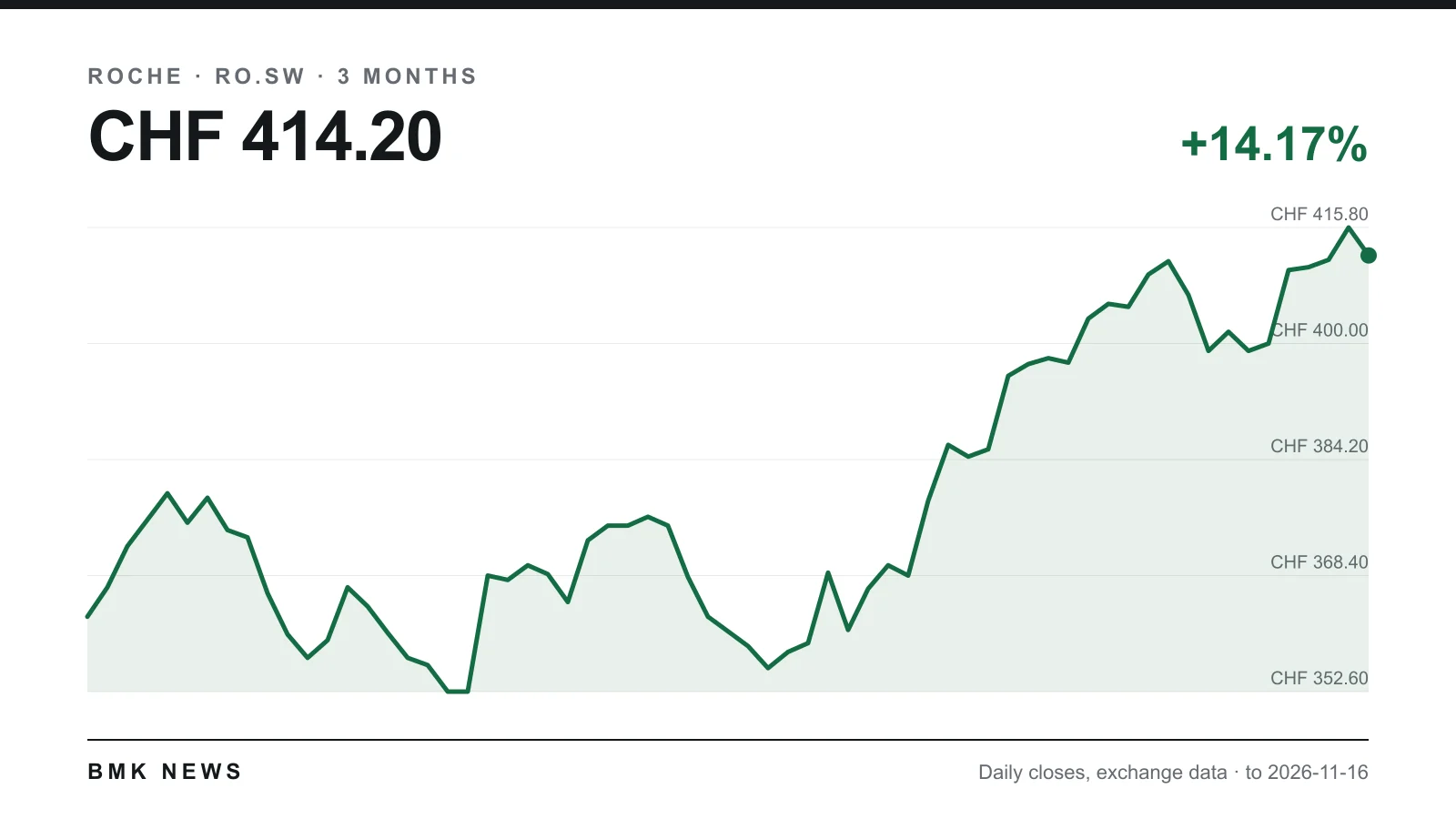
Roche: share price, chart and news
What to watch next
- 30 November: the FDA decision on early-stage use
- The US launch, expected in the coming weeks
- Overall survival data from evERA, still immature
- Filings outside the US, which Roche said are under way
Questions and answers
What is Wilserdly used for?
Wilserdly (giredestrant) is a once-daily Roche pill, taken with everolimus, for adults with oestrogen receptor-positive, HER2-negative advanced breast cancer that carries an ESR1 mutation and has come back or grown despite hormone therapy.
How well did Wilserdly work in the evERA trial?
In patients with ESR1 mutations, it cut the risk of progression or death by 62% compared with standard hormone therapy, both given with everolimus.
When will the FDA decide on Wilserdly for early breast cancer?
The FDA has set 30 November 2026 to decide on Wilserdly as treatment after surgery for stage I to III breast cancer at intermediate to high risk of recurrence.
Sources
- U.S. Food and Drug Administration: FDA approves giredestrant in combination with everolimus for ER-positive, HER2-negative, ESR1-mutated locally advanced or metastatic breast cancer
- Roche: FDA approves Roche's Wilserdly (giredestrant), a next-generation oral SERD, for ER-positive, ESR1-mutated advanced breast cancer
- Genentech: FDA Approves Genentech's WILSERDLY (Giredestrant), a Next-Generation Oral SERD, for ER-Positive, ESR1-Mutated Advanced Breast Cancer
- Genentech: Genentech's Giredestrant Combination Significantly Improved Progression-Free Survival in ER-Positive Advanced Breast Cancer in Phase III evERA Data Published in The New England Journal of Medicine
- U.S. Food and Drug Administration: Oncology (Cancer)/Hematologic Malignancies Approval Notifications