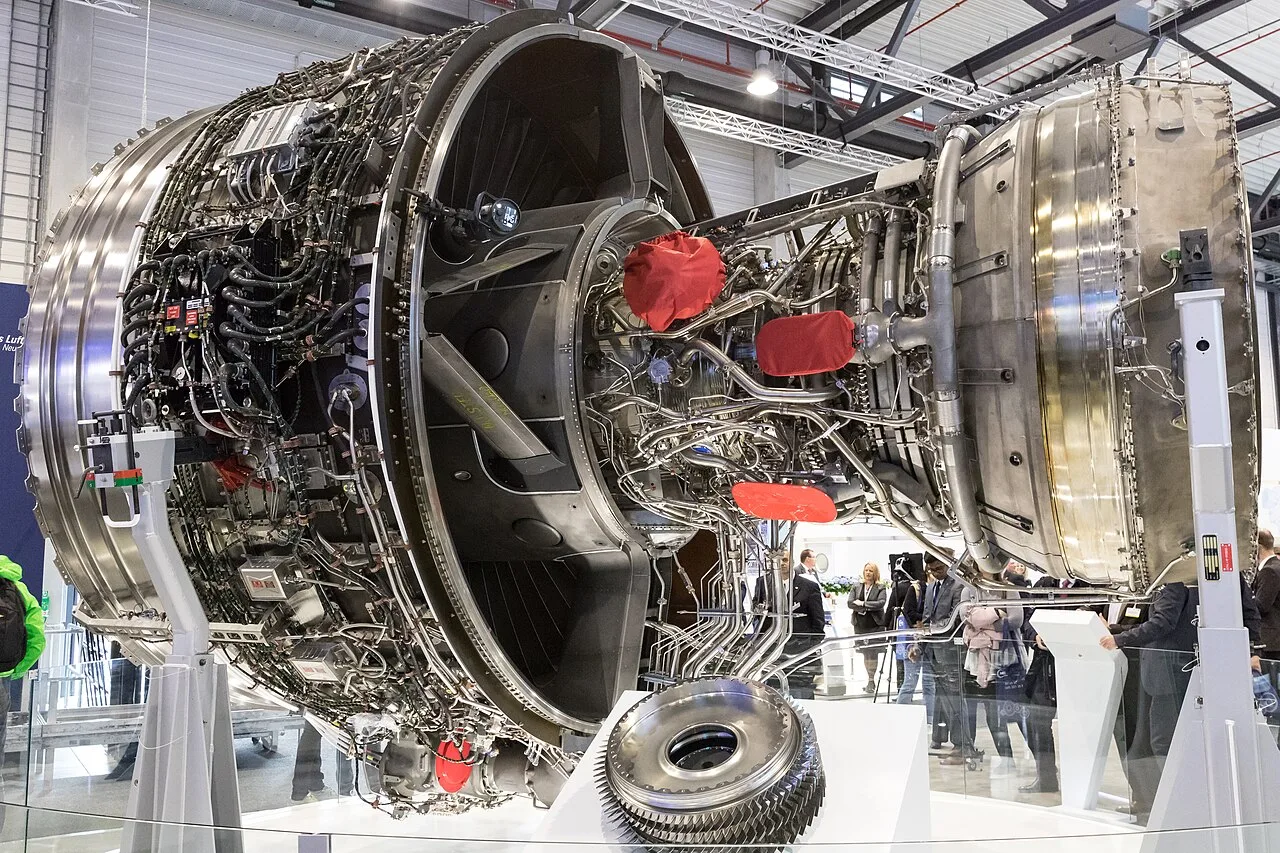
Rolls-Royce confirmed its 2026 targets of £4.7bn to £4.9bn in underlying operating profit and £3.8bn to £4.0bn in free cash flow on Thursday, and launched a new £1.5bn share buyback. The update is the first full check on the business since the shares fell 13.8% in the week to 23 October, when Safran's results raised worries about slower engine aftermarket growth.
That slide has only partly reversed. Rolls-Royce lost 7.57% on 23 October alone, the same day Safran fell 10%. Investors focused on whether growth in spare parts and maintenance for aircraft engines could slow through 2027, according to Reuters as cited by Trading-Treff, and Jefferies said growth in Safran's propulsion aftermarket business had slowed and missed expectations.
Rolls-Royce rebounded 6.06% on 26 October and closed last week at £12.61, up about 8% from its 23 October close but still about 18% below its level at the end of August.
The update at a glance
- 2026 guidance confirmed: £4.7bn to £4.9bn underlying operating profit, £3.8bn to £4.0bn free cash flow
- New £1.5bn interim buyback, to be completed by the full-year results on 25 February 2027
- Large engine flying hours at 114% of 2019 levels after ten months, heading for the lower end of the 115% to 120% range
- Power Systems orders up 62% in nine months, with a record £8.6bn backlog
- Mid-term targets to be revisited in February
Cash Goes Back Sooner
The £2.5bn buyback for 2026 is substantially complete. The new £1.5bn programme brings forward part of the £7bn to £9bn the company has said it will return to shareholders over 2026 to 2028. S&P Global upgraded Rolls-Royce to A- with a stable outlook in September.
Chief executive Tufan Erginbilgic said trading so far was "giving us further confidence in our full year guidance". He also said the company would revisit its mid-term targets at the full-year results in February.
Flying Hours at the Low End of the Range
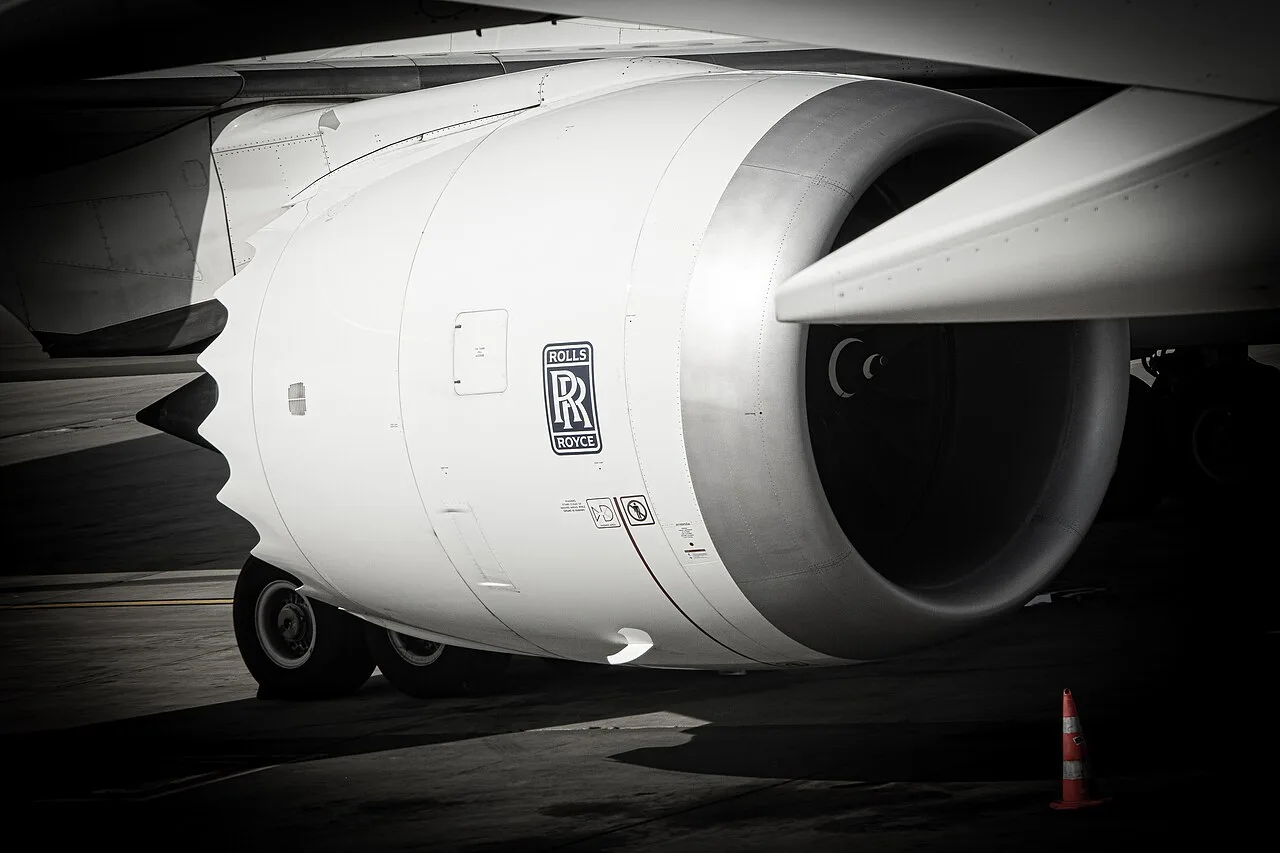
Large engine flying hours, a key driver of the civil aftermarket income investors worried about in October, rose 4% in the first ten months to 114% of 2019 levels, up from 113% at the half year. Rolls-Royce now expects the full year toward the lower end of its 115% to 120% range.
The company blamed airlines that cut capacity because of high fuel prices. Flying by Middle Eastern airlines is above pre-conflict levels, it said, while cancellations elsewhere have hit narrowbody routes more than widebody ones, where Rolls-Royce engines fly. International load factors stand at 84%, and the company expects the cuts to reverse when fuel prices fall.
It also addressed the servicing question directly. The profile of shop visits is not expected to change because of the Middle East conflict, Trent 700 retirements are unchanged, and retirements of older engines this year are the lowest since 2018. Original equipment deliveries and major shop visits are both significantly higher than a year ago, with full-year guidance for both unchanged.
Data Centres Power the Smaller Division
Power Systems, which makes mtu engines and generator sets, is growing fastest. Order intake rose 62% in the first nine months and the backlog reached a record £8.6bn at the end of September, from £8.0bn at the half year.
Orders for gas engines nearly tripled, driven by demand for prime power at data centres, and orders for diesel backup engines stayed strong. Rolls-Royce said it is finalising a significant multi-year contract to supply backup engines to a hyperscaler, alongside a framework agreement running to 2031. No value was given.
The Order Book and What Comes Next
Rolls-Royce in numbers
- £1.5bn new interim share buyback
- 2,500 large engines in the order backlog
- +62% Power Systems order intake, first nine months
The large engine order backlog stands at about 2,500 engines. Recent orders include 70 Trent 7000s from lessor Avolon to power 35 Airbus A330neo aircraft, announced on 13 October, 22 Trent 7000s for Cathay Group, 15 Trent XWB-84s for Air China and 18 Trent XWB-97s for Philippine Airlines. The Airbus A350F freighter made its first flight in September, with more than 100 aircraft ordered by 14 airlines and service entry expected in 2027.
In nuclear, the partnership with Czech utility CEZ now covers three sites, a route to six small modular reactors and up to 3GW of capacity.
Three things now matter for the shares. The first is whether airline capacity recovers if fuel prices ease. The second is the signing of the hyperscaler contract. The third is February, when Rolls-Royce reports full-year results on 25 February 2027, completes the new buyback and sets out revised mid-term targets.