Safran shares fell 10% to €271.80 on Friday, even though third-quarter revenue rose 14.7% to €9.0bn and the French engine maker confirmed its targets for the year. Investors focused on spare parts for civil jet engines, a high-margin business, where growth slowed to 17% from 27% in the second quarter. Rolls-Royce lost 7.6% and MTU Aero Engines 4.8%.
Among Europe's large stocks, only Kering fell further on Friday, and the drop capped a heavy week for the whole engine sector. Safran ended the five sessions down 14.3%, Rolls-Royce down 13.8% at £11.64 and MTU down about 10%. The CAC 40 slipped just 0.4% on the day.
Safran, 23 October
- -10.0% share price, to €271.80
- €9.0bn Q3 revenue, up 14.7%
- +17.0% spare-parts growth, from +26.7% in Q2
Solid numbers, but the wrong kind of slowdown
On the headline figures, Safran delivered. Adjusted revenue rose 14.7% to €9,003m, or 13.4% on an organic basis, in line with the consensus the company had compiled. Revenue for the first nine months came to €26,574m, up 17.5%. The Equipment and Defence division brought in €3.6bn, above the €3.5bn analysts had expected.
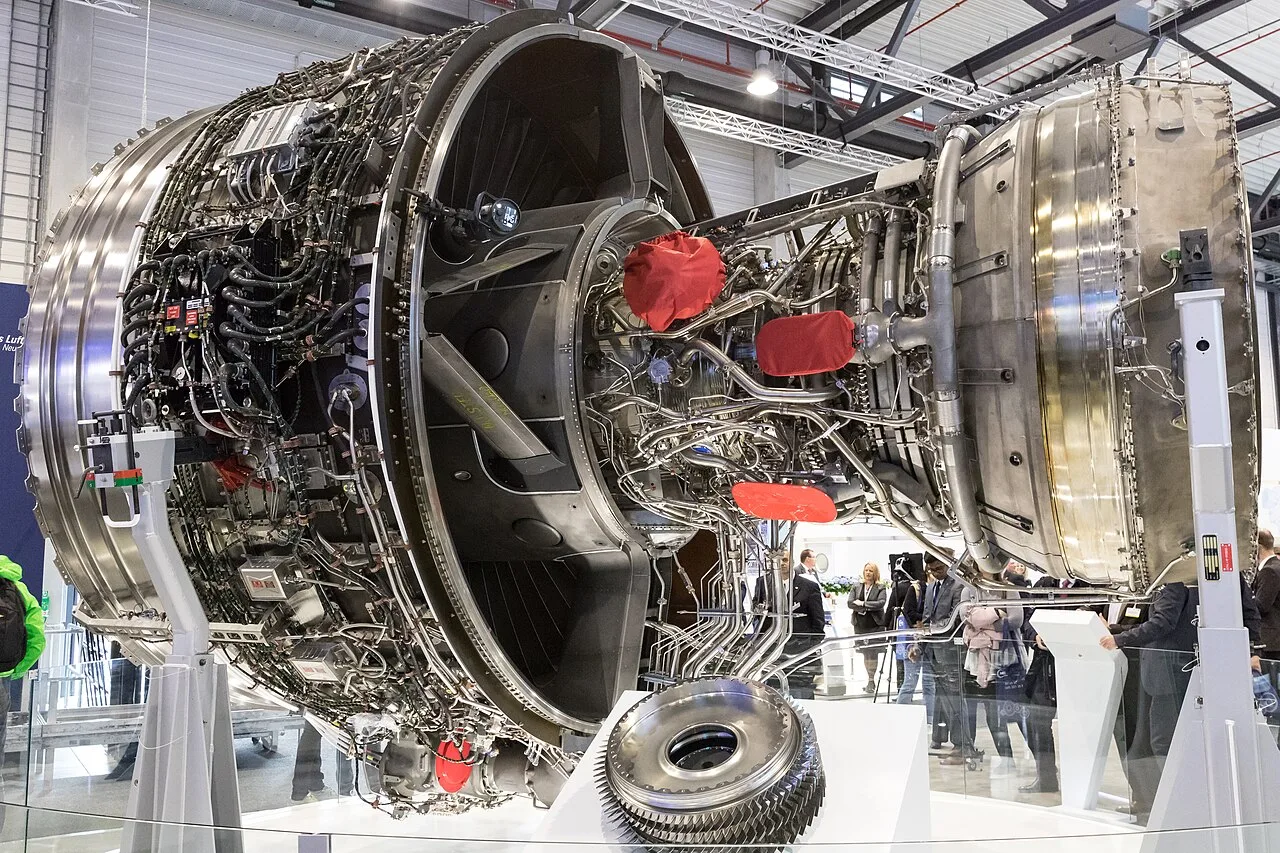
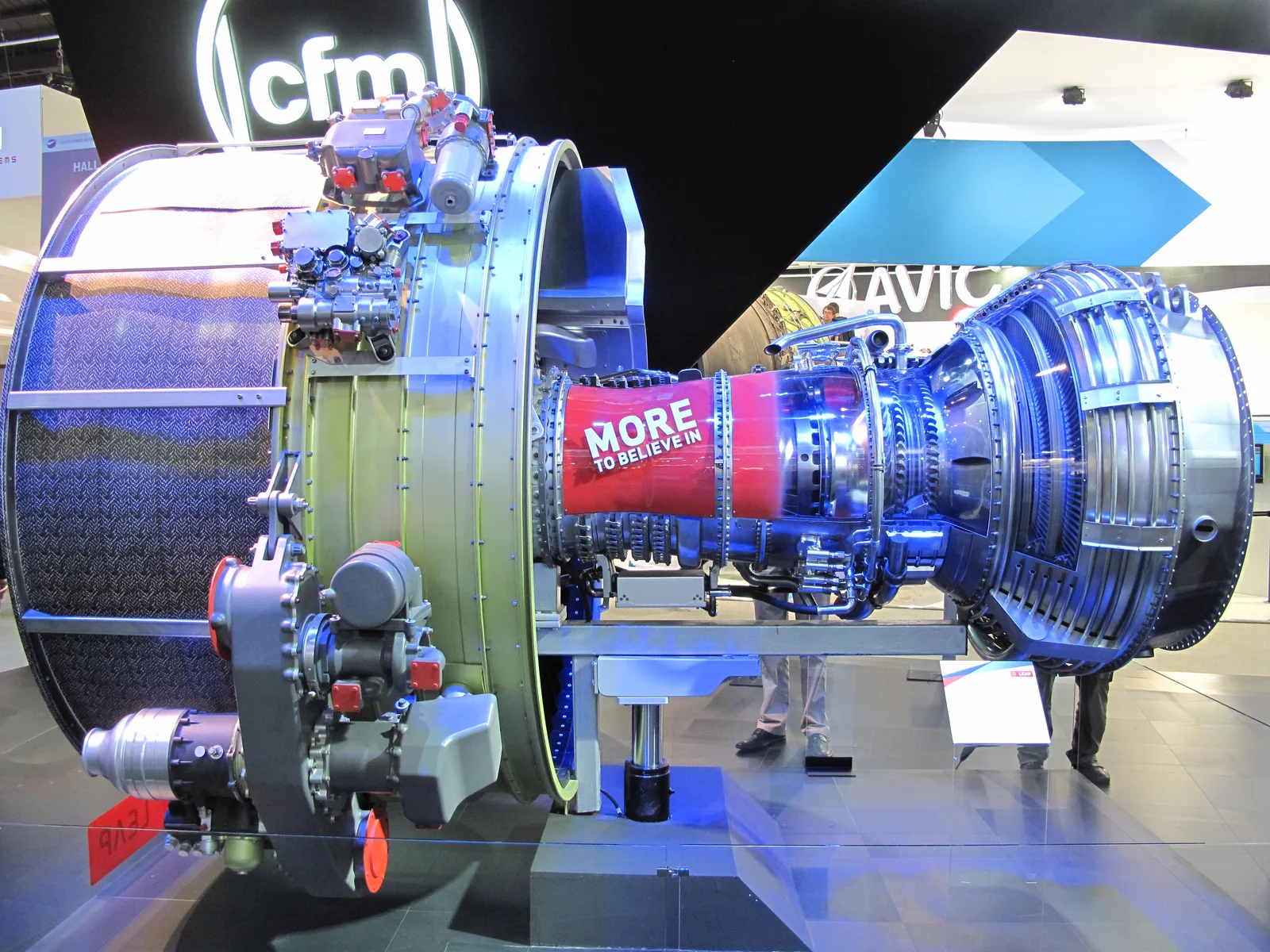
The problem was the aftermarket. Airlines pay Safran for spare parts and services to keep its engines flying, mostly the CFM56 and LEAP engines it builds with GE Aerospace through their CFM joint venture. Spare parts usually earn much higher margins than new engines, so the pace of that business drives a large share of profit.
Growth in civil-engine spare parts, measured in dollars, has slowed in each quarter this year. Services revenue slowed even more sharply.
| Growth in dollars | Q1 2026 | Q2 2026 | Q3 2026 |
|---|---|---|---|
| Civil-engine spare parts | +29.3% | +26.7% | +17.0% |
| Services | +43.1% | +37.7% | +19.0% |
Over nine months spare parts grew 23.9%, still close to Safran's assumption of about 25% for the full year. But to hit that figure the fourth quarter needs to speed up again. Analysts at Jefferies said aftermarket growth in propulsion had slowed and missed expectations.

The 2027 question
The bigger worry is next year. According to a report published by The Edge Malaysia, investors fear that aftermarket growth could slow into 2027 as airlines cut capacity because of high fuel prices. Brent crude rose 4% on Thursday alone, to $113.17 a barrel. Safran confirmed its 2026 targets but gave no concrete signal for 2027, German financial site Goldesel noted, contrasting it with more upbeat comments from GE Aerospace. The US engine maker has raised its own 2026 profit forecast twice this year, citing strong demand for maintenance and spare parts.
Chief executive Olivier Andries pushed back. "We are still growing," he said, and he repeated that he expects spare-parts growth of about 25% for the year. He also said defence revenue should double between 2025 and 2030.
What Safran confirmed for 2026
- Revenue growth of about 15%.
- Recurring operating income of €6.4bn to €6.5bn.
- Free cash flow of €4.7bn to €4.9bn, after about €500m of exceptional French corporate tax.
- LEAP deliveries: 535 in the third quarter, up 5%, and 1,565 in nine months, up 26%.
A sector-wide sell-off
The damage spread fast. Rolls-Royce, which makes the Trent engines for wide-body jets, fell 7.57% to 1,164.2p without any news of its own. MTU Aero Engines, the German engine-parts maker and repair specialist, lost 4.84% to €316.70, and Melrose, which makes engine parts through GKN Aerospace, closed 4.7% lower.
The slide had started a day earlier. On Thursday Safran fell 3.8%, Rolls-Royce 5.1% and MTU 4.2%, as Brent jumped and European shares fell broadly. Goldesel described the Rolls-Royce move as mainly a sector reaction rather than a sign of trouble at the British group itself.
What comes next
Not every analyst turned cautious. CIC Market Solutions kept a buy rating with a €378 price target, about 39% above Friday's close, according to Idéal Investisseur.
The next clear signals will come from the airlines. Investors will watch their capacity plans for 2027 and how hard high fuel prices bite, because those decide how many engines go into the workshop.
Sources
- Idéal Investisseur: Safran, €9 billion revenue in third quarter (+14.7%), spare parts growth slows
- Idéal Investisseur: Safran stock breaks through its €302 floor and falls 8.5%
- The Edge Malaysia: Safran sales rise, but aftermarket concerns knock shares
- Goldesel: Rolls-Royce-Aktie: Safrans Ausblick belastet Triebwerkswerte
- BMK News market data (delayed exchange data)