Schneider Electric agreed to buy Boston-based industrial software group PTC for $22.6 billion (€20.1 billion) in cash, the largest acquisition in its history. Investors balked: the French group's shares fell more than 9 percent in Paris on Monday morning.
The PTC deal in numbers
- $205 cash per PTC share, a 42.3% premium
- $23.7bn enterprise value including debt
- €250m yearly cost savings targeted by year three
A 42 percent premium for software bought at a decade-low price
Schneider will pay $205 for each PTC share, 42.3 percent above the US company's last closing price, which implies PTC stock had closed at about $144 before the announcement. The offer values PTC's equity at $22.6 billion and, including debt, the whole business at $23.7 billion (€21.1 billion). PTC's board has approved the transaction.
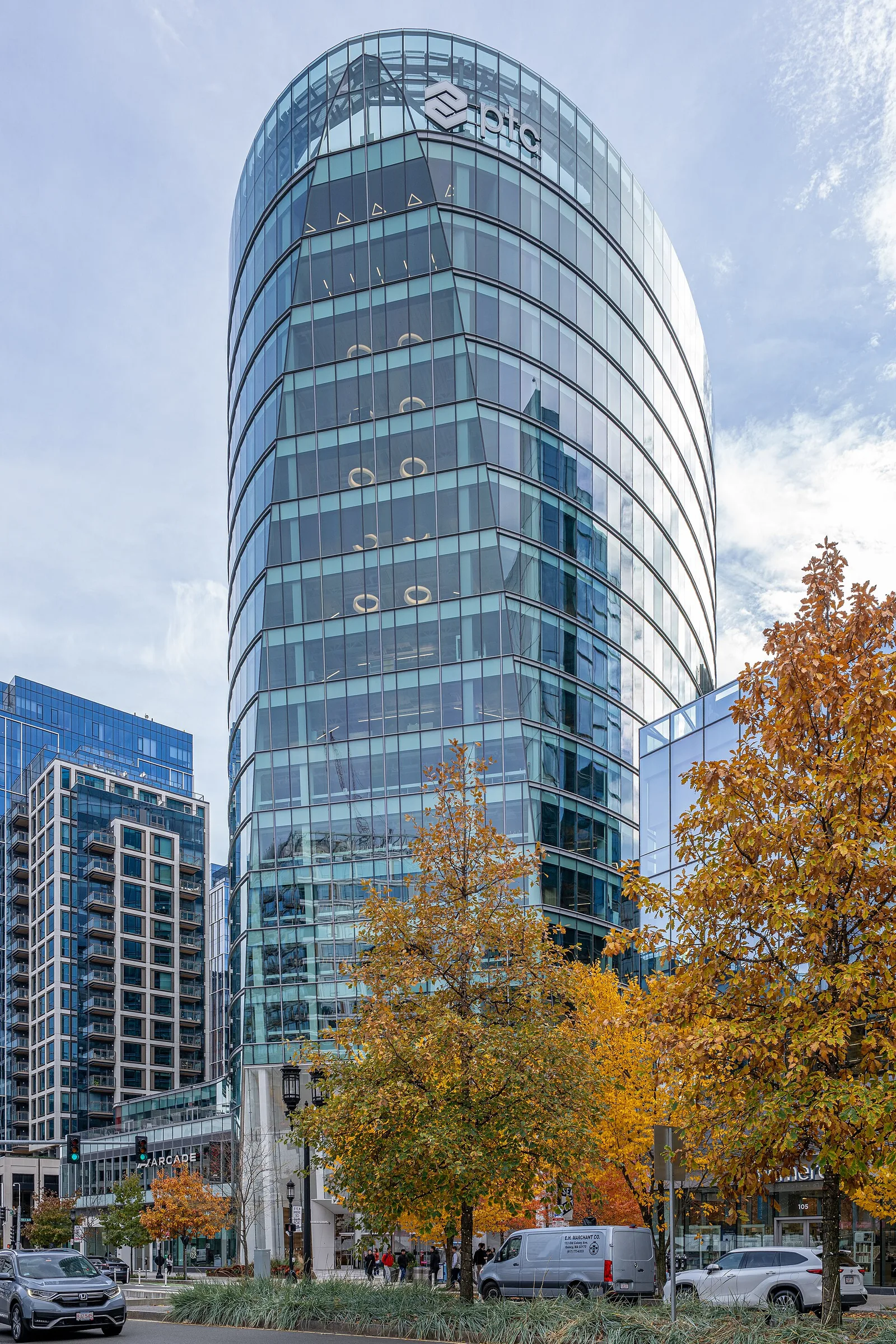
PTC makes software that engineers and manufacturers use to design products and manage them through their working life, from computer-aided design to product lifecycle management. It employs more than 7,000 people, serves more than 30,000 customers and earned roughly half of its revenue in the Americas in its 2025 financial year.
The price is generous against PTC's recent share price but modest by the standards of software deals of the past decade. MarketWatch, citing FactSet data, reported that PTC's valuation had fallen this year to 13.1 times expected earnings for the next 12 months. Analysts at Jefferies said fears of disruption from artificial intelligence had depressed valuations across the software sector, allowing Schneider to buy PTC at close to its lowest valuation in a decade.
Debt, new shares and a two-year buyback pause
The cash will come from up to €17 billion of new debt and up to €6 billion of new shares. Alongside the financing, Schneider will suspend share buybacks in 2027 and 2028, then speed up purchases to complete its existing €2.5 billion to €3.5 billion programme by the end of 2030.
That package explains much of the morning's selling. Shareholders face dilution from the equity raise, two years without buybacks and a heavier debt load, while the financial payoff arrives only gradually. Schneider expects €250 million a year of cost savings by the third year after completion, plus about €800 million of additional revenue from selling the two companies' products together.
Jefferies, for all its praise of the entry price, warned that the same fears about artificial intelligence could weigh on Schneider's own shares once it owns a much larger software business.
Why an electrical equipment group wants design software
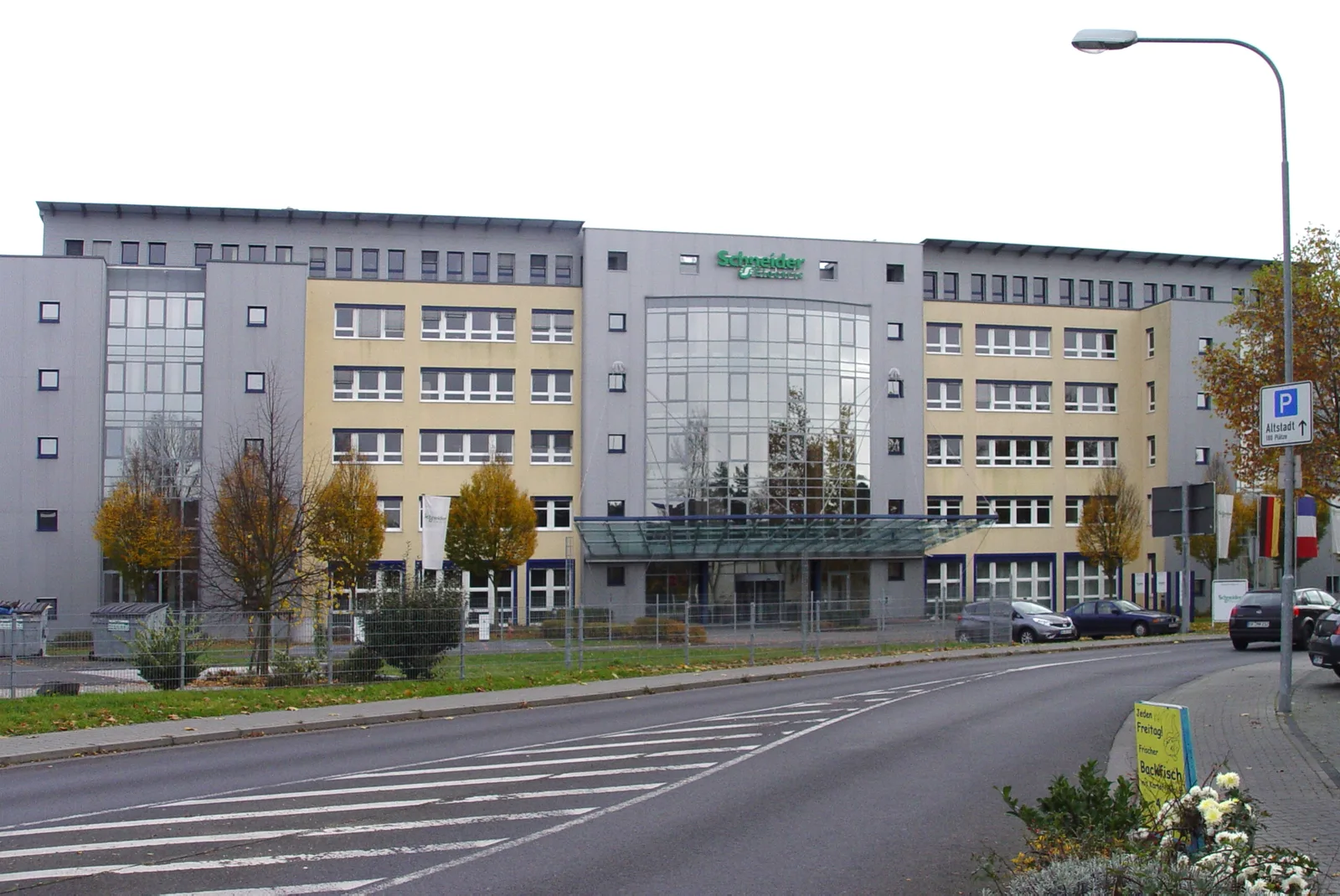
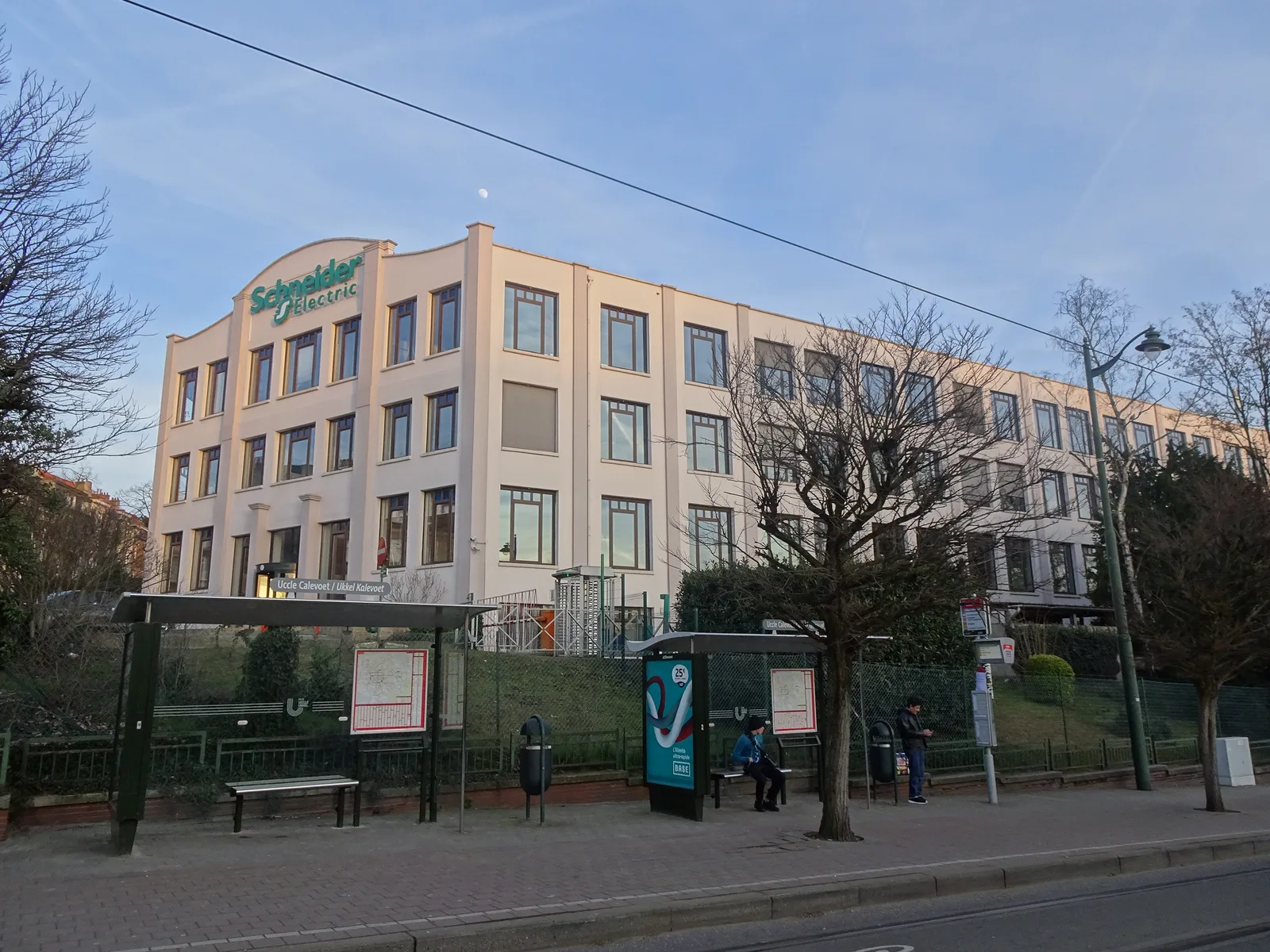
Schneider, based in Rueil-Malmaison outside Paris, is best known for electrical distribution equipment, power management and industrial automation. It already owns the British industrial software company AVEVA, which it took fully private in 2023, and the PTC purchase pushes it much further into software.
Chief executive Olivier Blum presented the deal as part of Schneider's ambition to "lead the new era of Energy and Industrial Intelligence". The pitch is that combining the two companies' software with industrial data will help customers design, produce, run and service products more efficiently, with that data guiding decisions along the way. Schneider described the enlarged group as a scaled, open and interoperable industrial software and AI franchise.
PTC chief executive Neil Barua said the tie-up would give his company the scale and resources to innovate faster.
A long road to completion
The deal needs approval from holders of at least a majority of PTC's outstanding shares, as well as regulatory clearances, and Schneider expects it to close by the third quarter of 2027. That leaves close to two years in which the share issue, the debt raising and the antitrust reviews all have to be completed.
For Schneider investors, the open questions are how much of the €6 billion equity component is ultimately raised and when, how quickly borrowing comes down after completion, and whether the AI-driven discount on software valuations turns out to be an opportunity or a warning. Schneider is betting on the first. On Monday morning, the market was not convinced.