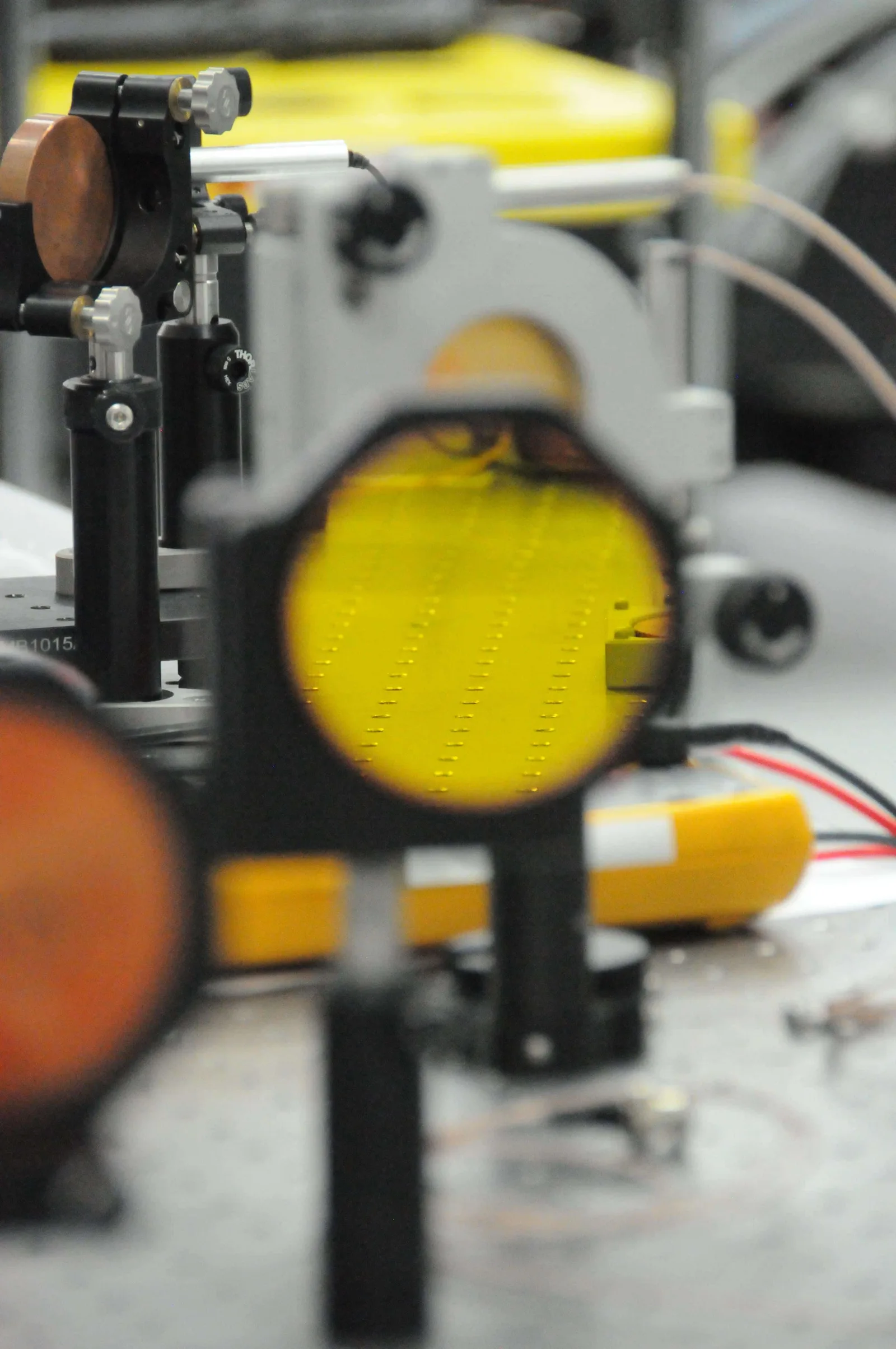
Silex Systems is a Sydney technology company whose value rests largely on one idea: separating isotopes with lasers. Its main route to market is Global Laser Enrichment, which plans a uranium plant in Kentucky and now has a buyer for all of its output, but has not yet decided to build it.
What Silex does
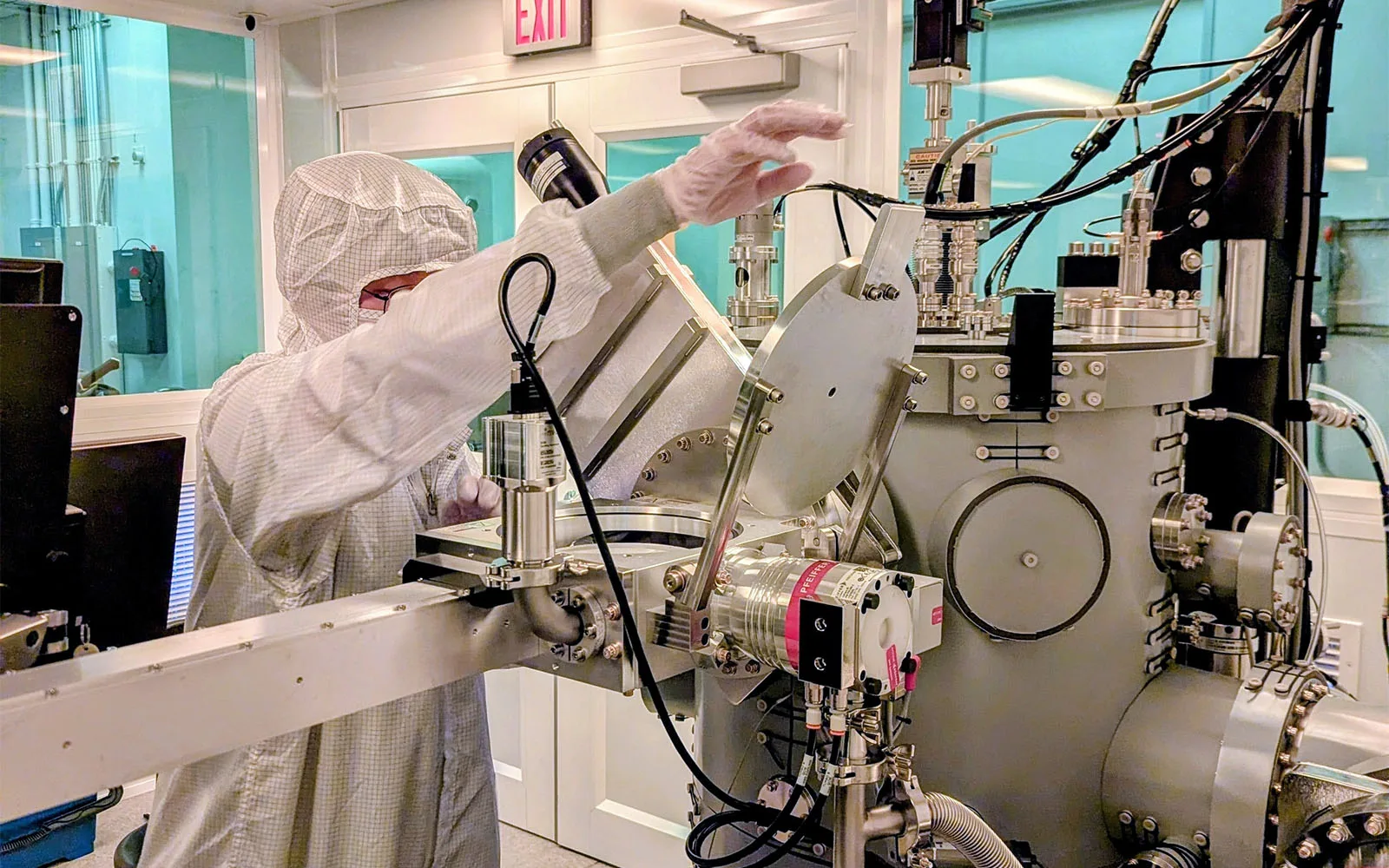
Silex Systems is listed on the ASX as SLX and quoted on the OTCQX in the US as SILXY. It developed the SILEX laser enrichment technology at its facility in Sydney. Its main asset is a 51% stake in Global Laser Enrichment (GLE) of Wilmington, North Carolina, the exclusive licensee of that technology for uranium. Cameco owns the other 49%.
Silex gains from GLE in two ways. It owns equity, and it receives a perpetual royalty of 7% to 12% on GLE's enrichment revenue under the licence. It is also entitled to milestone payments totalling US$20m: US$5m was paid in December 2025 after a technology demonstration, US$5m falls due when plant construction begins and US$10m at the start of commercial operations.
Cameco holds a call option, agreed with Silex, to buy a further 26% of GLE at fair market value. The option window is open until April 2028, according to Silex's annual meeting presentation of 16 October. If it were exercised, Silex would become a minority holder in GLE while keeping its royalty.
Silex Systems: share price, chart and news
The Paducah plan
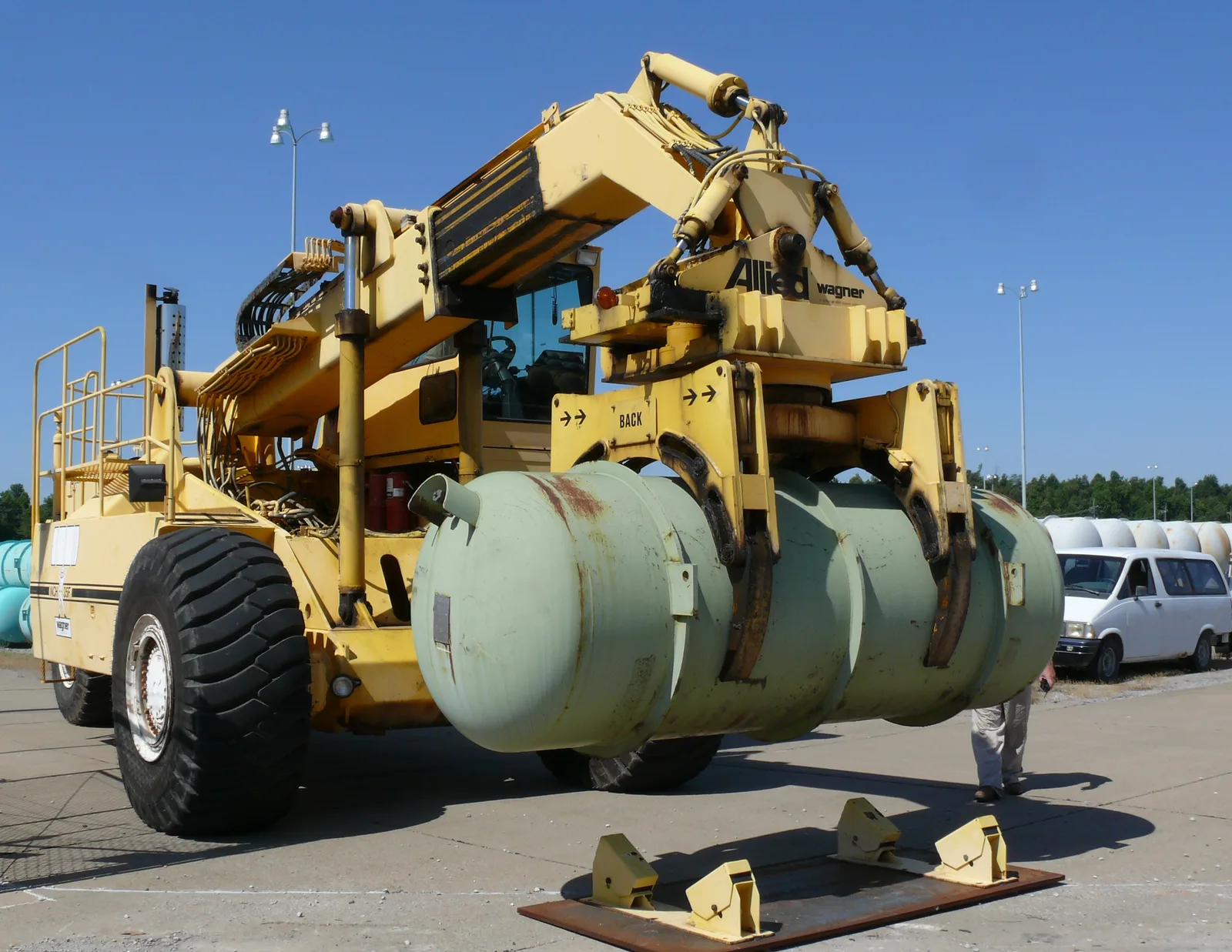
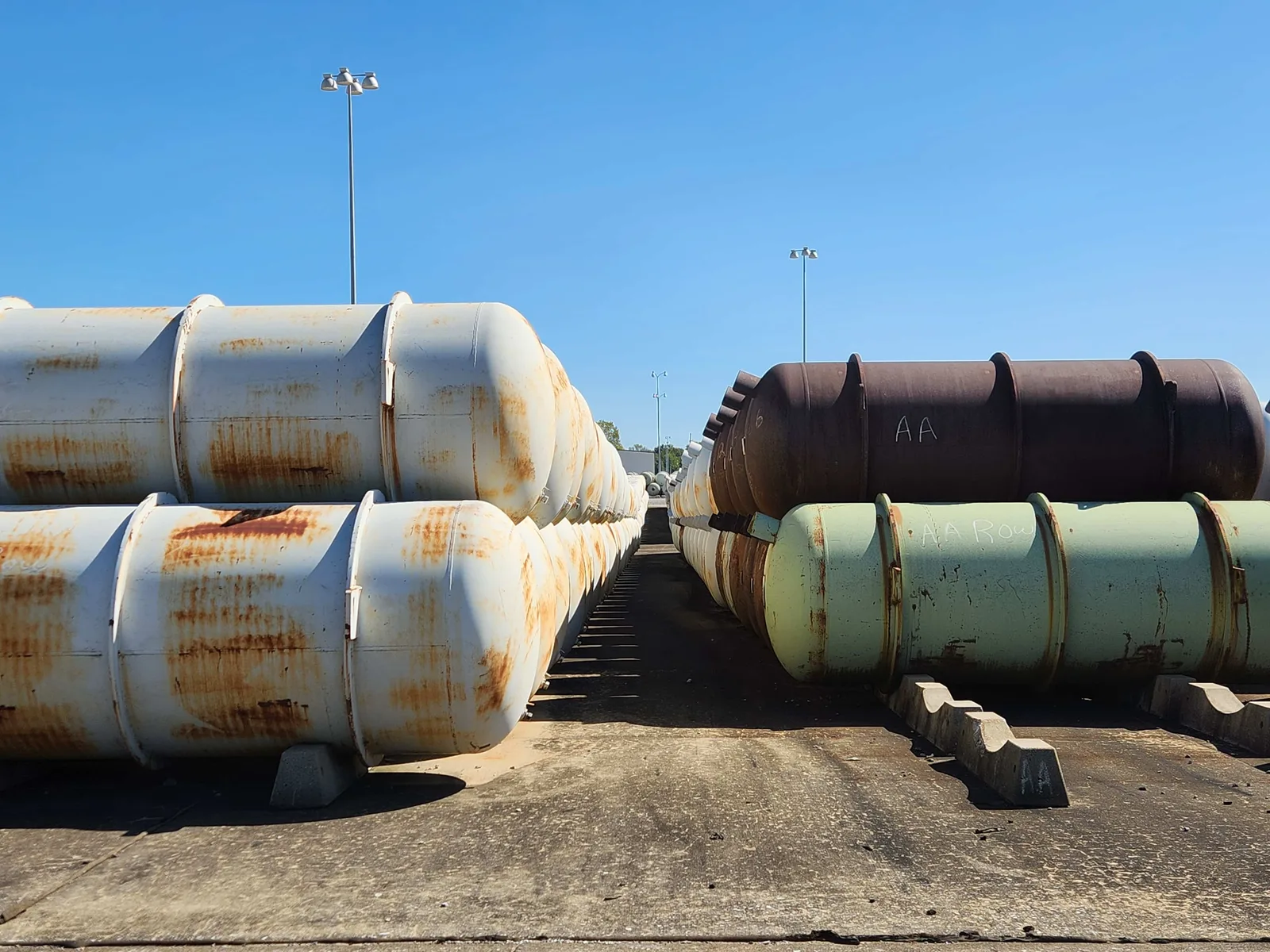
GLE plans the Paducah Laser Enrichment Facility (PLEF) on a site of about 700 acres next to the US Department of Energy's former gaseous diffusion plant in Kentucky. A 2016 agreement gives GLE access to more than 200,000 tonnes of depleted uranium tails stored there, which it plans to re-enrich into natural-grade uranium hexafluoride (UF6).
Silex's preliminary modelling, shown at its annual meeting, puts potential output at up to 5m lb a year of uranium equivalent for up to 30 years, plus about 2m kg a year of conversion. It estimates the all-in cost of that natural-grade production at under US$30/lb. Silex also sees an initial 2m SWU a year of low-enriched uranium capacity, which it says could expand to 6m SWU or more, and a later move into high-assay fuel for advanced reactors. These are company estimates that depend on technology, licensing and market conditions.
The pitch rests on US supply. Citing US government and industry data, Silex says the 94 US reactors import about 99% of their uranium, 67% of their conversion and 69% of their enrichment. It argues that a single site making natural UF6 and enriched fuel would cut that reliance, particularly while Russian supply is restricted.
In September GLE signed an exclusive offtake agreement under which Cameco will buy all of the plant's products. Pricing follows Cameco's average realised price on its long-term contracts, net of selling costs, and Silex's presentation says Cameco's legacy contracts are excluded from that average.
Licensing and technology milestones
| Milestone | Status |
|---|---|
| TRL-6 large-scale demonstration | Completed October 2025 |
| NRC licence application | Accepted for review August 2025 |
| Final environmental impact statement | Released October 2026 |
| Safety evaluation report | Expected by end of 2026 |
| NRC licence | Expected early 2027 |
| TRL-7 full-scale demonstration | Under way |
| Feasibility study and investment decision | After TRL-7; no date set |
| Initial commercial operations | Aimed for 2030 |
In late October GLE and Silex announced that the US Nuclear Regulatory Commission had released its final environmental impact statement for the plant, which supports issuing a licence. A full licence still needs the safety evaluation report. GLE has also been selected for a US$28.5m Department of Energy award and has preliminary approval for up to US$98.9m of Kentucky and McCracken County incentives, tied to investment and job targets.
Latest numbers and the silicon project
Year to 30 June 2026
- A$180.7m cash and term deposits, no corporate debt
- A$38.6m net loss, down from A$42.6m
- 278.4m ordinary shares on issue
Revenue from continuing operations rose to A$21.6m from A$12.2m, helped by A$7.6m of milestone revenue from GLE and higher interest income after an A$130m placement in August 2025 and a share purchase plan that raised about A$19.4m. Silex's share of GLE's loss rose to A$45.5m. Net assets were A$201.2m, including the GLE investment carried at A$17.0m. Silex says about US$600m has been invested in GLE over 20 years to bring the technology to TRL-6, which gives a sense of the sums a full-scale plant may need.
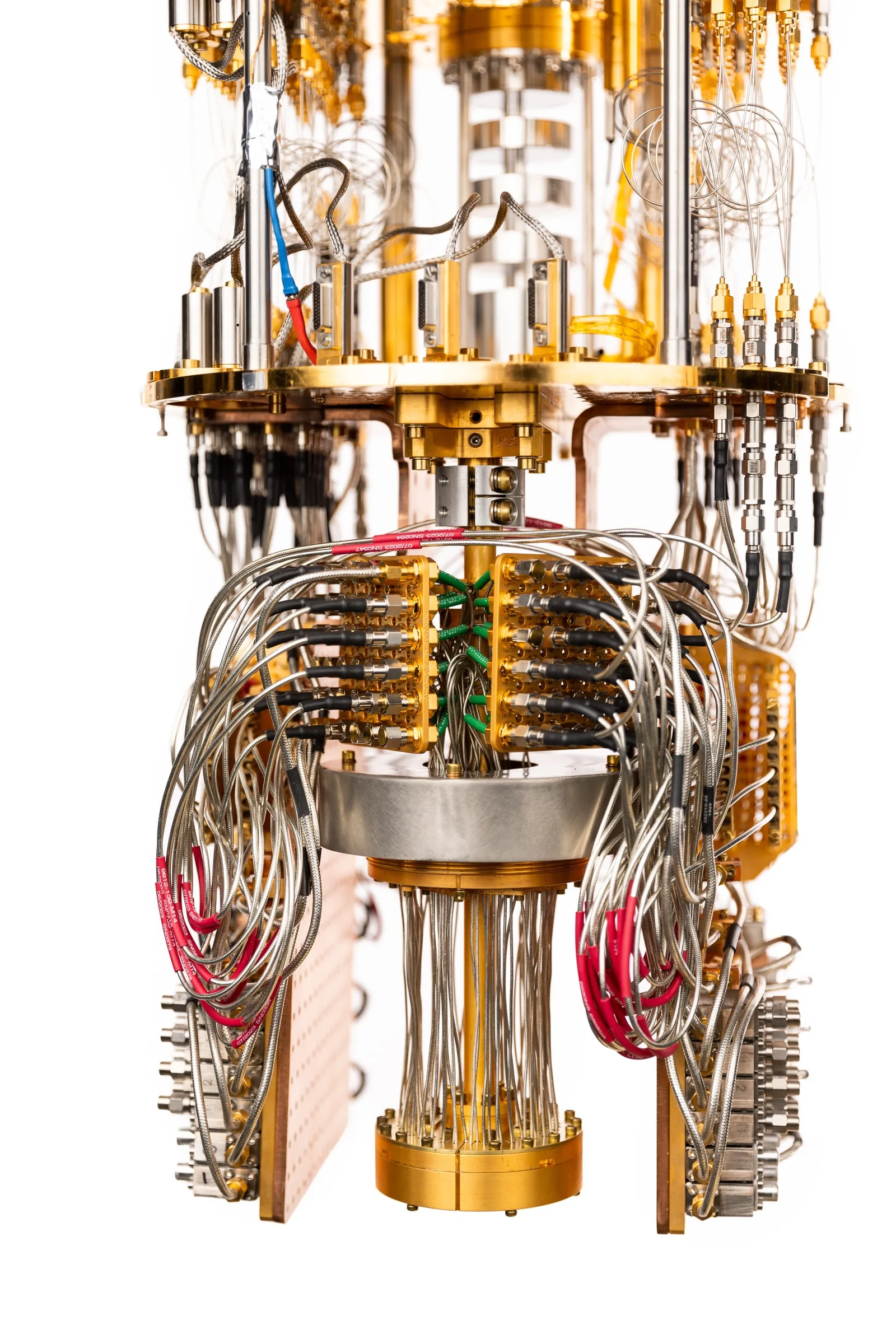
Beyond uranium, Silex finished building what it calls the world's first laser-based silicon enrichment plant in June 2026, at Lucas Heights in Sydney, and commissioning is under way. The plant is designed to make up to 20kg a year of highly enriched silicon-28 for silicon-based quantum computers, with sample production expected in the first quarter of 2027. The project, costed at about A$16m over three and a half years, has A$5.1m from the Defence Trailblazer programme and A$4.35m from its first offtake partner, Silicon Quantum Computing. A stable isotope project aimed at semiconductor and medical uses is at an early stage.
Risks and what to watch
Main risks
- Technology. Full-scale TRL-7 work is not finished, and the plant design depends on it.
- No investment decision. The plant has no published capital cost, financing plan or final investment decision.
- Losses and funding. GLE's rising budget keeps Silex loss-making; its share of build costs could require new capital and dilution.
- Partner concentration. Cameco co-owns GLE, buys all its output and holds an option to take control.
- Market prices. Revenue would follow uranium, conversion and enrichment prices from about 2030.
The dates to watch are the safety evaluation report, which Silex expects by the end of 2026; the licence decision, expected in early 2027; first Q-Si samples in the first quarter of 2027; progress on TRL-7 and the feasibility study; and whether Cameco uses its option before April 2028. Silex's next financial report will be its half-year accounts to 31 December.
Sources
- Silex Systems: 2026 Annual General Meeting presentation (16 October 2026)
- Silex Systems: Annual Report 2026 (27 August 2026)
- American Nuclear Society: GLE and Silex announce final EIS for Paducah enrichment facility (27 October 2026)
- World Nuclear News: Cameco in offtake agreement for US laser enrichment plant (16 September 2026)
- Silex Systems: Global Laser Enrichment