Global Laser Enrichment, the US venture that is 51% owned by Australia's Silex Systems, has signed an exclusive deal for Cameco to buy everything its planned Paducah plant in Kentucky produces. The agreement gives the project a buyer well before any decision to build it.
What was agreed
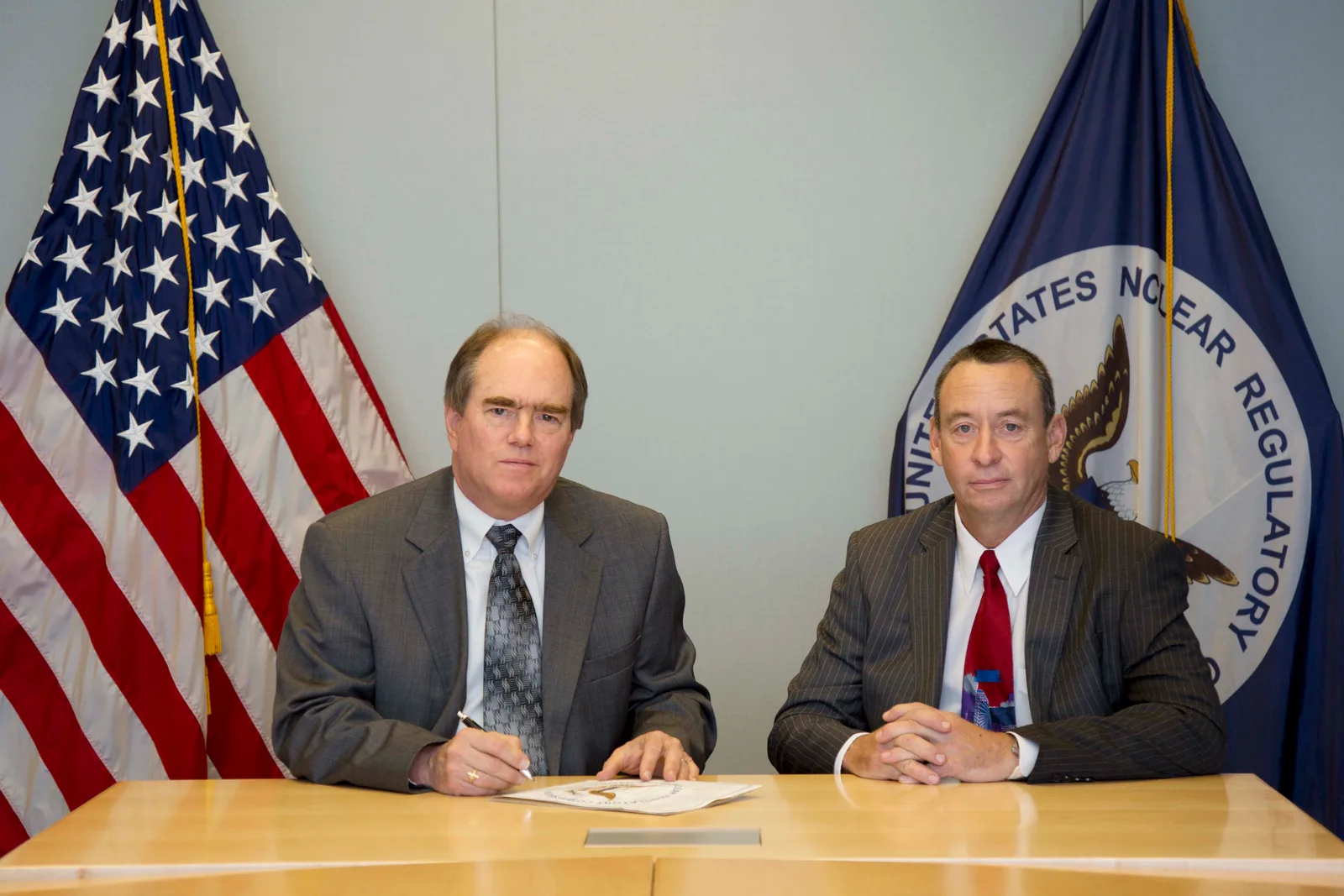
Global Laser Enrichment (GLE) and Cameco Corporation have executed an exclusive offtake agreement covering all future production of the Paducah Laser Enrichment Facility (PLEF), Silex announced. The contract takes in all of GLE's future nuclear fuel products, including natural uranium hexafluoride (UF6) and enriched uranium.
GLE will be paid the equivalent of Cameco's average realised price across its long-term contract book, worked out each year and net of selling costs. That spares GLE the cost of building its own sales and marketing team. Silex chief executive Michael Goldsworthy said the contract holds "customary contractual terms to protect the interests of GLE and Silex". World Nuclear News's report of the deal gave no contract term, volumes or total value.
Cameco sits on both sides of the arrangement. It owns the other 49% of GLE, and Goldsworthy noted that it also holds 49% of Westinghouse Electric Company.
Silex Systems: share price, chart and news
The plant behind the deal
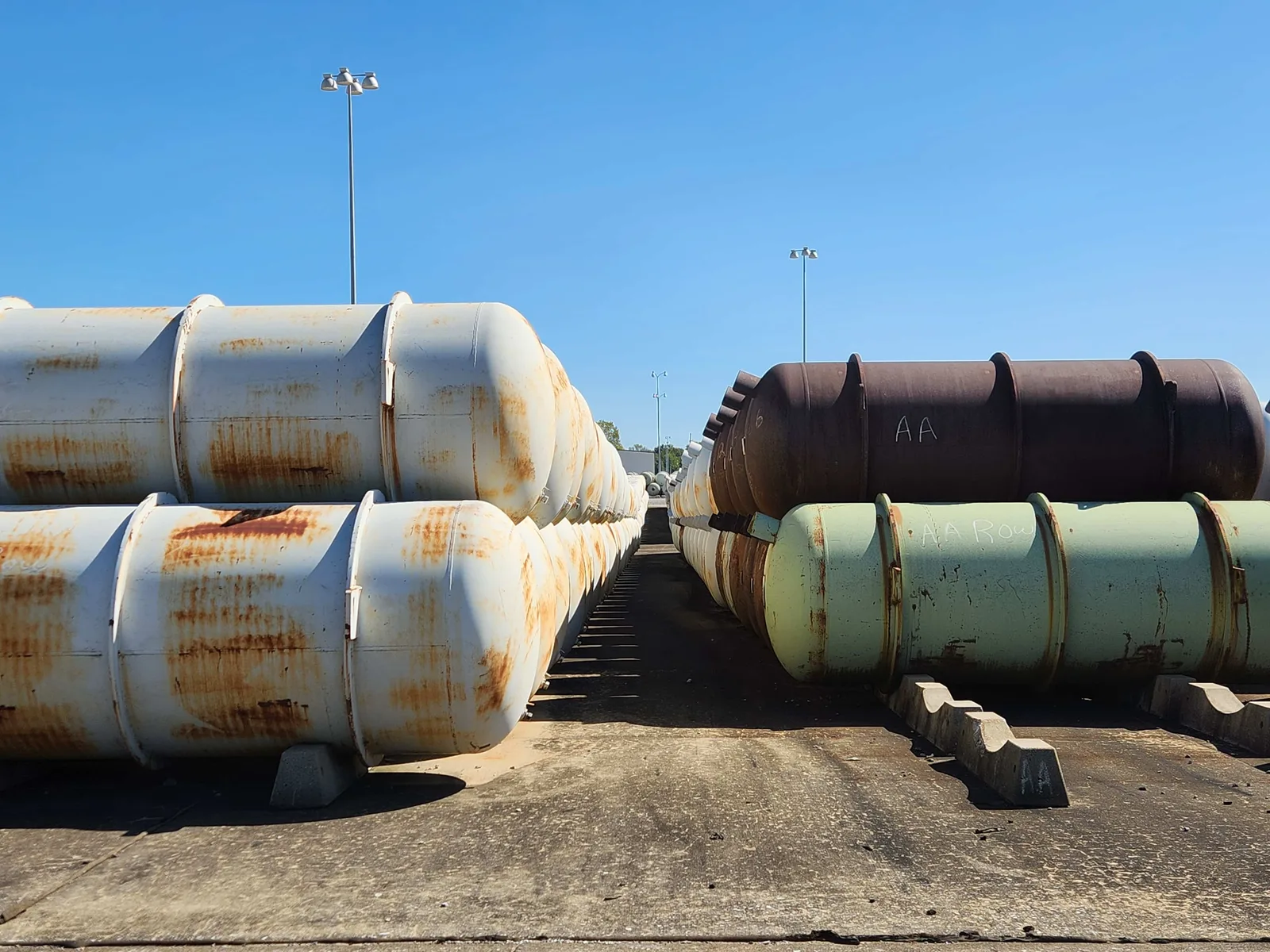
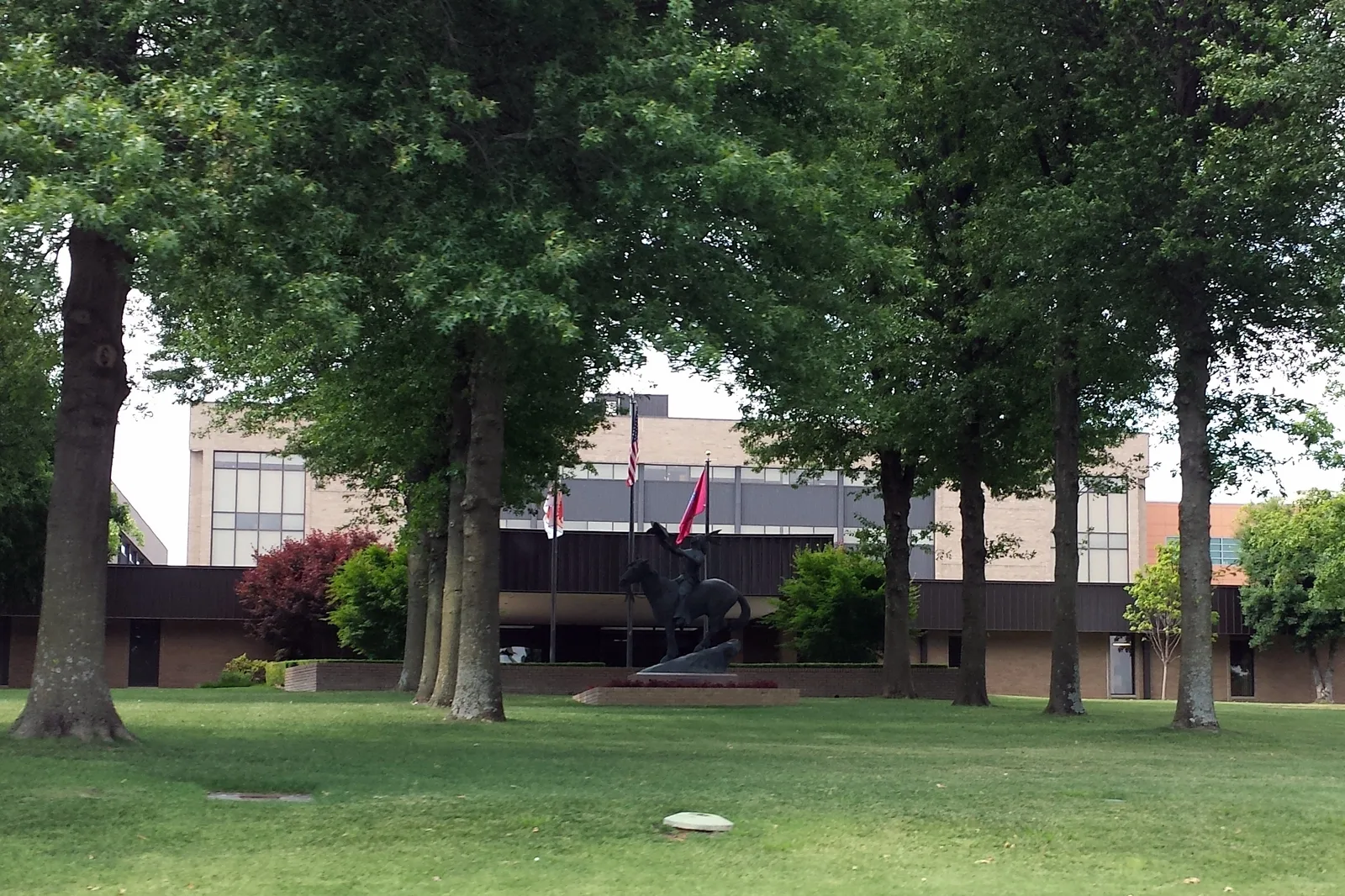
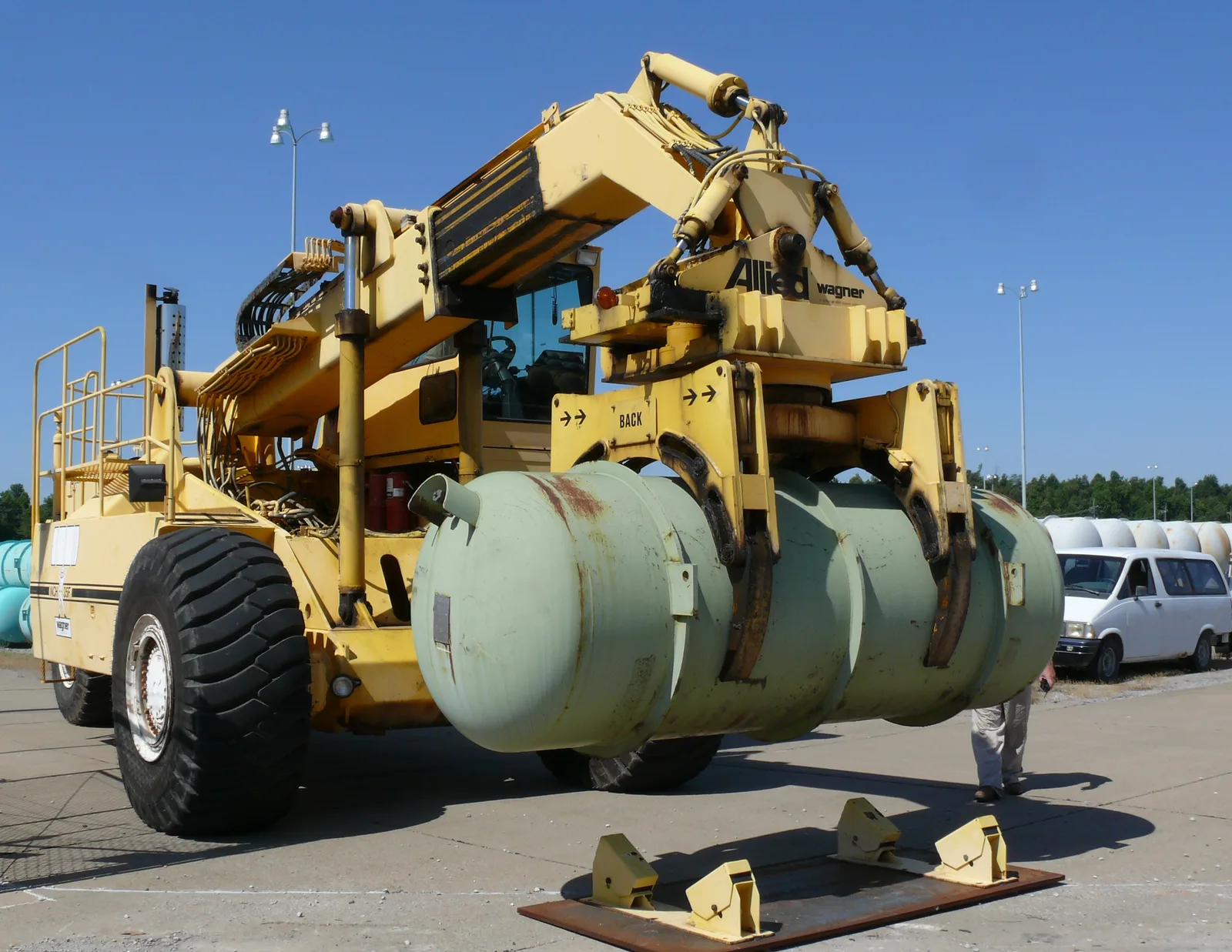
The PLEF is planned on a site of about 700 acres next to the former Paducah Gaseous Diffusion Plant, bought in November 2024. GLE's first product would be natural-grade uranium made by re-enriching depleted uranium tails left by decades of enrichment at Paducah. A 2016 agreement with the US Department of Energy gives GLE access to more than 200,000 tonnes of those tails.
Silex says the facility could produce the equivalent of up to 5 million pounds of uranium oxide a year for up to 30 years, and that the licence it is seeking would allow up to 8 million separative work units (SWU) of enrichment. GLE also plans to serve the markets for low-enriched uranium and its higher-assay variants.
GLE and the Paducah project
- 51% Silex's stake in GLE; Cameco holds 49%
- 7% minimum perpetual royalty to Silex on GLE's enrichment revenue
- 5m lb a year of uranium-equivalent output targeted, for up to 30 years
Where the project stands
GLE completed a large-scale technology demonstration, known as Technology Readiness Level 6 (TRL-6), in October 2025 at its test loop in Wilmington, North Carolina, and paid Silex a US$5m milestone in December 2025. Its next technical stage, TRL-7, covers detailed design and demonstration with full-scale production equipment.
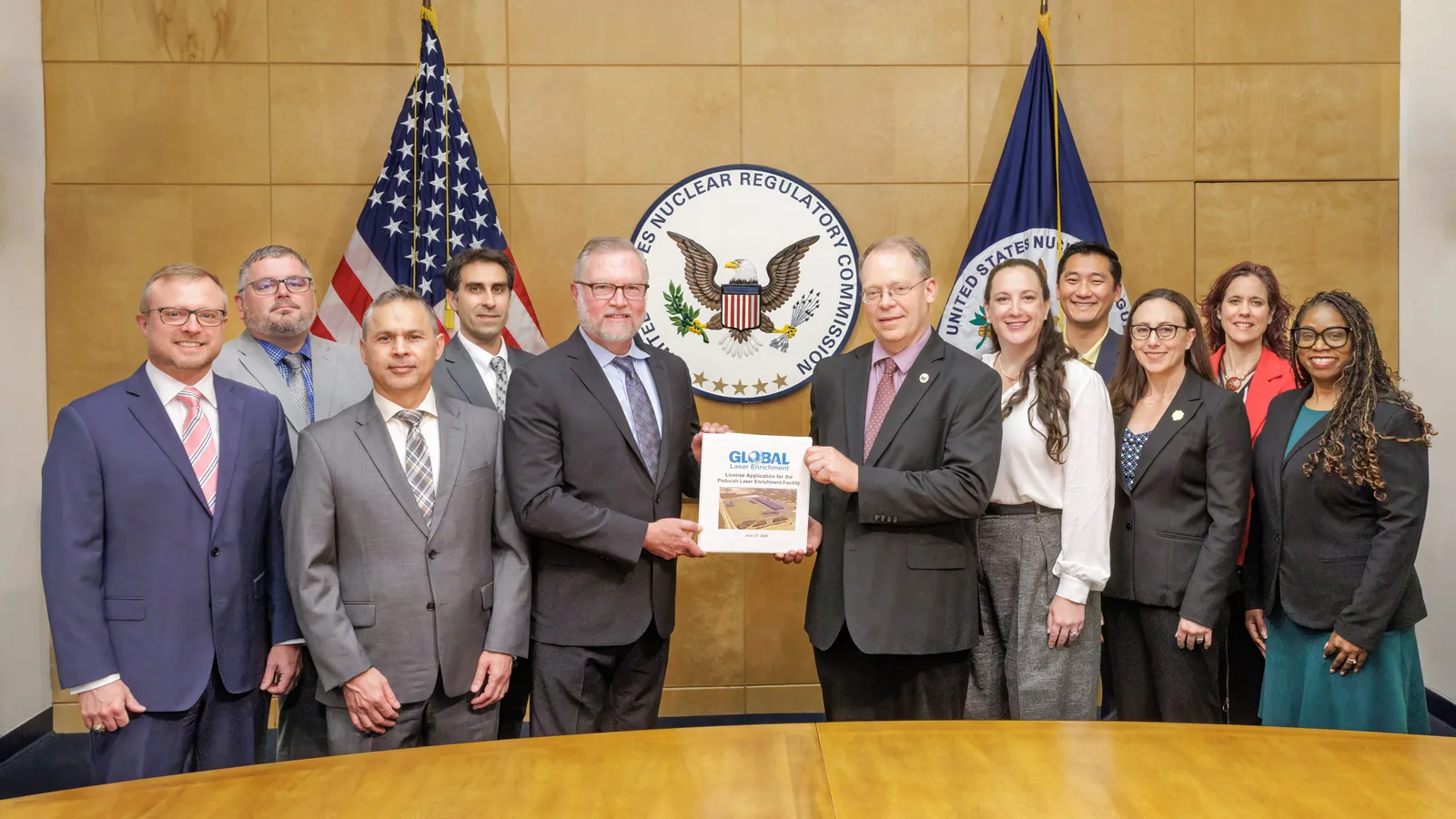
The US Nuclear Regulatory Commission accepted GLE's licence application for review in August 2025, and Silex said in its annual report that the review should be completed in early 2027. Public money is also lined up: GLE was selected in January 2026 for a US$28.5m Department of Energy award, and in March it won preliminary approval for up to US$98.9m of Kentucky and McCracken County incentives, subject to investment and job targets.
Goldsworthy described the offtake as a commercial pillar for a future final investment decision on the plant. No such decision has been taken, and GLE and its owners are still defining the scope of a feasibility study.
What it means for Silex shareholders
Silex earns from GLE in two ways: through its 51% equity stake and through a perpetual royalty of at least 7% on GLE's enrichment revenue under its technology licence. It is also due a further US$15m in milestone payments: US$5m when engineering, procurement and construction of the plant begins and US$10m at the start of commercial operations.
The company held about A$180.7m in cash and term deposits at 30 June 2026 and has no corporate debt. It reported a net loss of A$38.6m for the year to June, which included A$45.5m as its share of GLE's loss.
The risks
The offtake does not remove the main uncertainties. The technology has yet to complete TRL-7, the plant has neither a licence nor an investment decision, and no construction cost has been published. Pricing linked to Cameco's realised price ties GLE's income to a partner that also co-owns the venture, and the terms that matter most, such as duration and volumes, have not been disclosed. GLE's spending keeps Silex loss-making, and more capital could be needed, possibly through new shares, before any plant earns revenue.