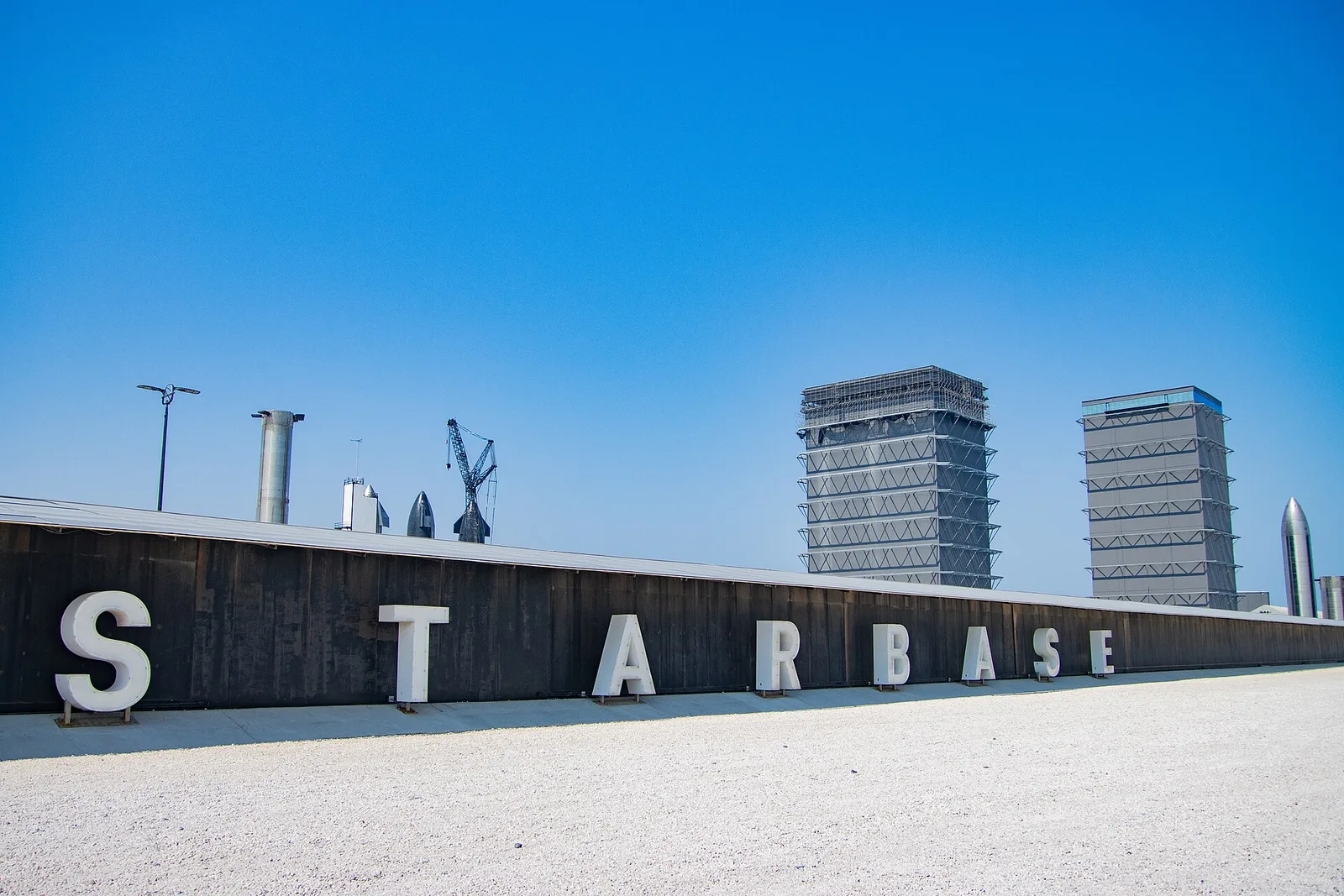
SpaceX's record GPU financing has grown to about $44bn. Apollo and Goldman Sachs said on Friday 20 November that they had priced approximately $44bn of senior and subordinated notes to buy Nvidia Vera Rubin chips for SpaceX, up from the roughly $40bn agreed in October, because investors wanted more than was on offer. The deal landed in the middle of a global sell-off in AI stocks, driven partly by worries about how much money is being poured into the AI build-out.
SpaceX's chip financing in numbers
- $44bn of senior and subordinated notes priced by Apollo and Goldman Sachs
- $40bn the size of the lease SpaceX committed to on Monday 26 October
- H1 2027 when the lease schedules are due to start, as the chips are delivered
What Apollo and Goldman Sachs agreed for SpaceX
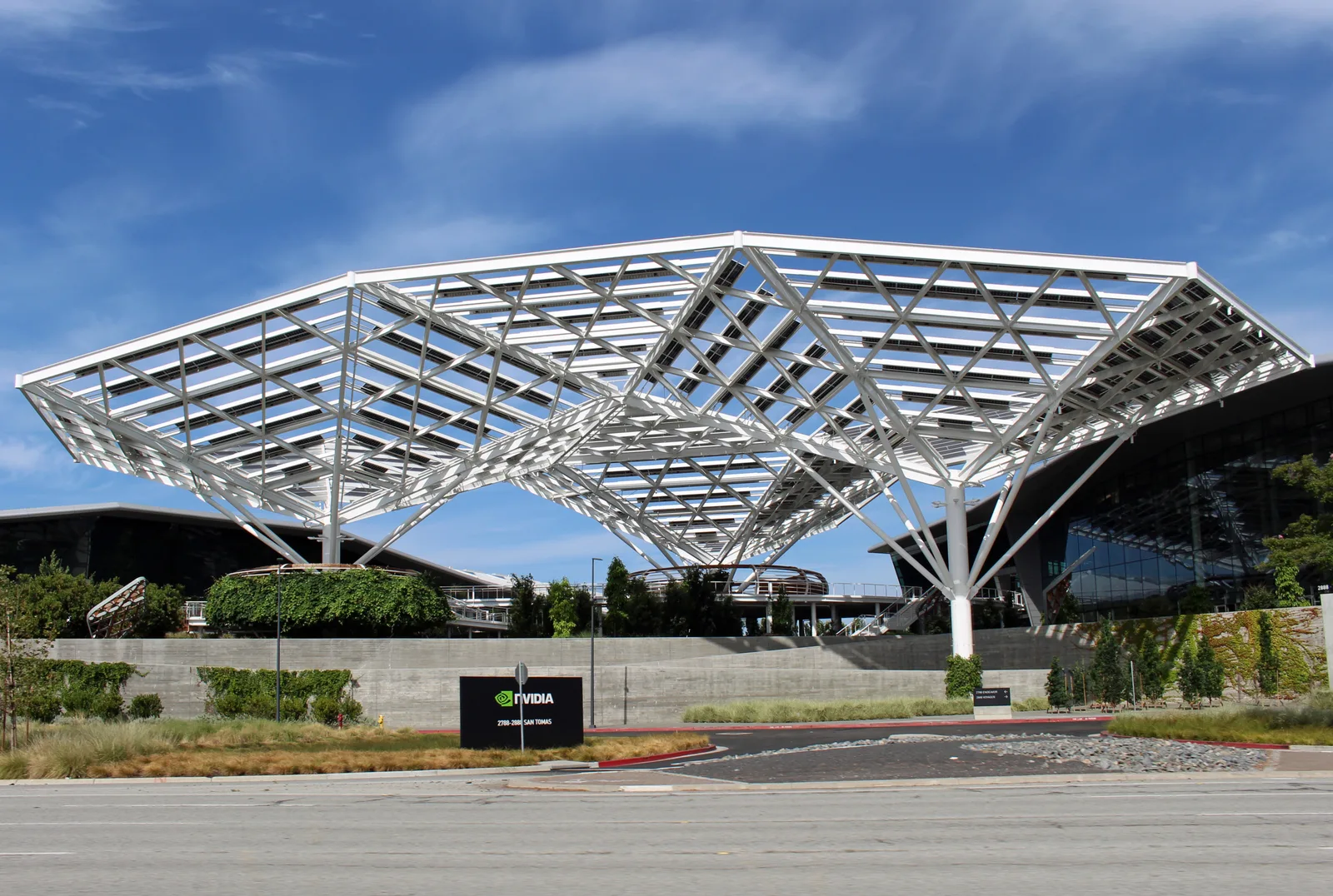
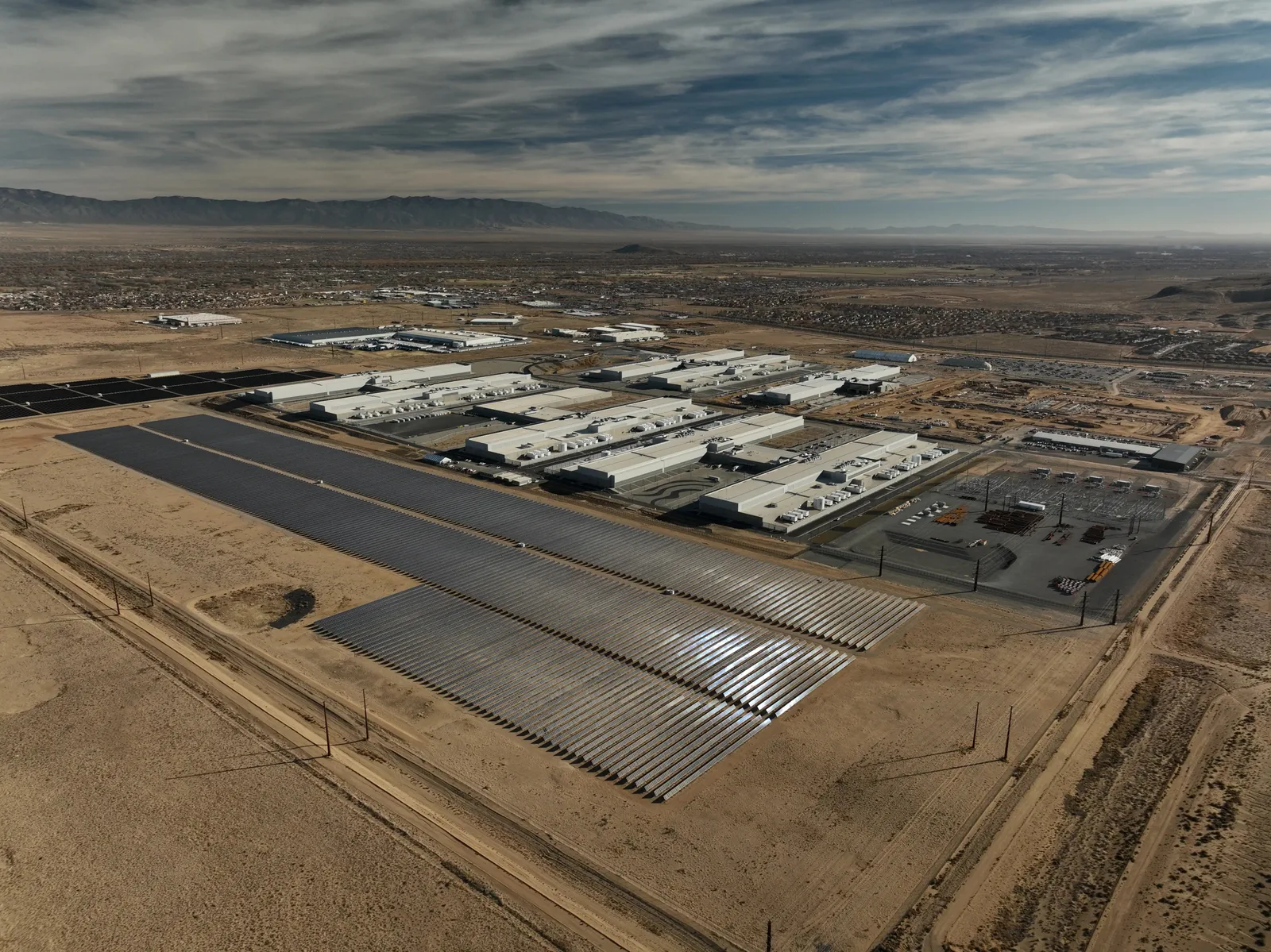
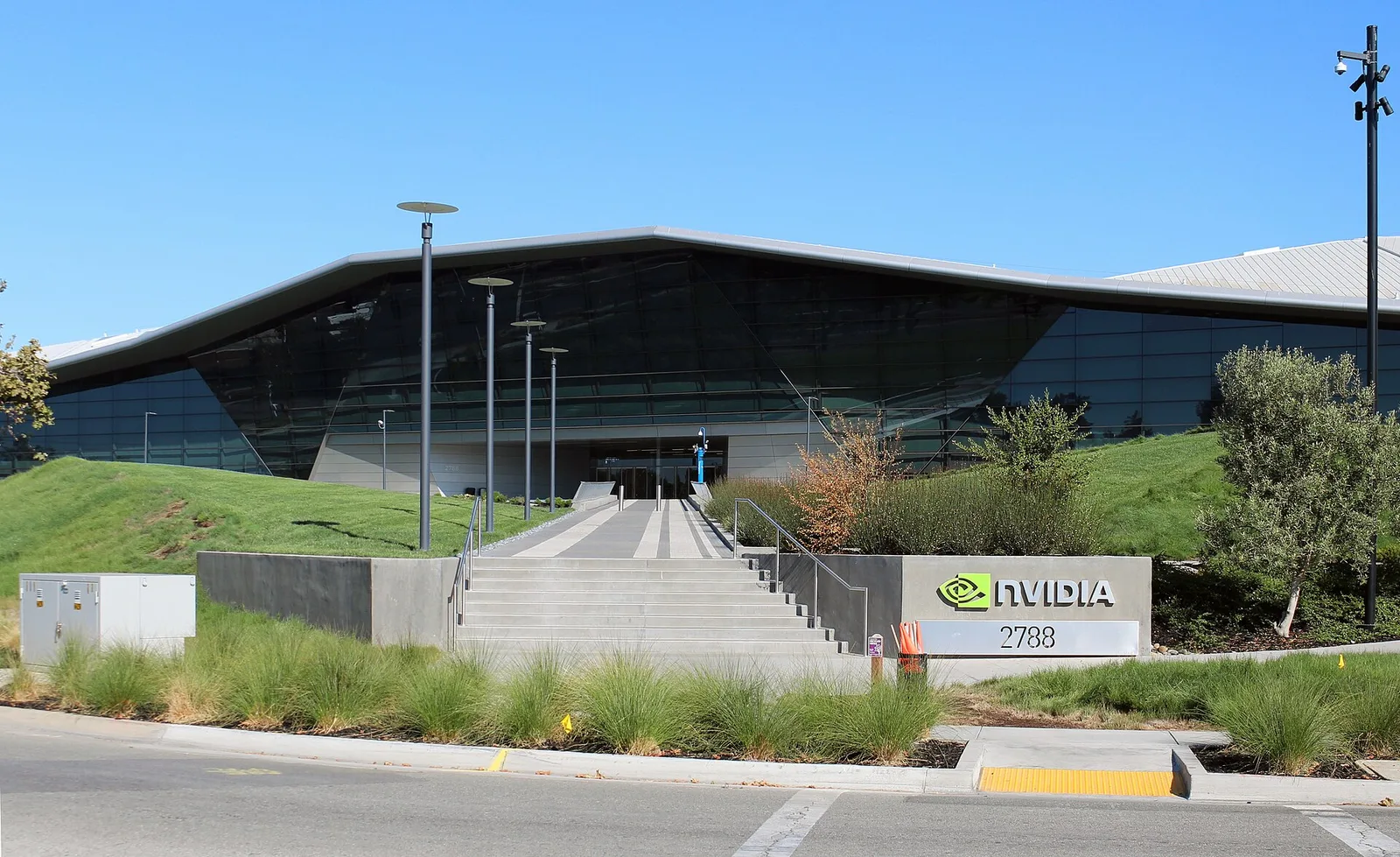
The notes will pay for GPUs, the graphics processors that train and run AI models, plus related equipment. The chips are Nvidia's next generation, Vera Rubin, and they are meant for what the firms call SpaceX's "terrestrial compute buildout": computing power on the ground rather than in orbit. Apollo and Goldman described it as "the largest GPU financing executed to date".
The deal was "oversubscribed and upsized as a result of strong investor demand". Put simply, more investors wanted the notes than there were notes to sell, so the deal got bigger. Funds and affiliates managed by Apollo and Goldman committed the money. BlackRock, Goldman Sachs Asset Management and capital accounts advised by KKR provided anchor commitments, the large early orders that give other buyers confidence.
The notes come in two layers. Senior notes are repaid first if anything goes wrong. Subordinated notes stand behind them, carry more risk and normally pay a higher return. The release did not give interest rates, maturities or how the $44bn splits between the two.
How SpaceX will pay for the Nvidia Vera Rubin chips
The structure was set out on Monday 26 October, when SpaceX said it had reached a binding commitment to enter an approximately $40bn master finance lease for GPUs and related equipment with an entity managed by Apollo. Rather than paying for the chips upfront, SpaceX will pay for them over the life of the lease, subject to closing conditions.
"SpaceX aims to deploy the largest compute infrastructure in the world," the company's chief financial officer said in the October release. The extra computing power is meant to run Grok for businesses and consumers and to serve existing and future cloud customers. The CFO added that SpaceX is "seeing less than one year payback periods" on its SI, or super intelligence, infrastructure, and that the lease "diversifies our funding sources".
There is an Nvidia twist as well. Nvidia's own filing this week showed that SpaceX shares worth $19.68bn had become the largest holding in its portfolio. The company making the Vera Rubin chips is also a big shareholder in the customer that will use them.
Why the deal landed on a bad day for AI stocks
Nvidia shares fell 7% on Friday after California served the chipmaker with a subpoena as part of an investigation into whether its advanced chips ended up in China, according to the Guardian. The Nasdaq 100 opened 1.2% lower. Within half an hour the Philadelphia semiconductor index, which tracks the biggest US chip companies, had dropped 4% to a two-week low, and CoreWeave, which rents out AI computing power, was down 7%.
The selling followed Thursday's fading Anthropic rally and a rout in Asia, where stock markets recorded their worst week since 2020. Kathleen Brooks of the broker XTB listed "the excessive spending to fund the AI build out and AI labs" among the worries gripping investors. Of the neoclouds, the companies that rent out AI chips, she said: "This is a sector in distress."
What the SpaceX deal says about AI debt
Central bankers have been sounding the alarm too. Federal Reserve Governor Michael Barr warned that the AI boom is turning to debt, saying borrowing at the seven largest AI firms should top $800bn this year.
In Frankfurt, the ECB's financial stability review looked at how heavily European funds and insurers are exposed to US tech.
Not every AI spender borrows. Meta chose equity with its $25bn share sale in October. SpaceX has gone the other way: a finance lease, paid off over time and funded by notes sold to investors.
Apollo points to how the deal is built. "It also reflects our focus on downside-protected, asset-based structures," said Apollo partner Jamshid Ehsani, meaning deals where lenders look to the equipment itself for protection. That only helps if the hardware keeps its value. The release did not say how long the leases run, which matters because each Nvidia generation is soon followed by a newer one.
What happens next for SpaceX's GPU lease
The lease is due to close before the end of 2026, with chip deliveries and the payments tied to them starting in the first half of 2027. SpaceX said in October that more detail on the lease terms would appear in a Form 8-K filing with the US Securities and Exchange Commission.
For investors watching the AI trade, the contrast is the story. Stock buyers spent Friday selling chipmakers and AI cloud firms, while some of the world's biggest money managers queued up to fund $44bn of AI hardware for a single company.
How big is the SpaceX GPU financing?
Apollo and Goldman Sachs priced approximately $44bn of senior and subordinated notes on Friday 20 November 2026. The deal was upsized from the roughly $40bn lease SpaceX agreed in October, and the firms call it the largest GPU financing to date.
Who is lending SpaceX the money for Nvidia chips?
Funds and affiliates managed by Apollo and Goldman Sachs committed the financing. BlackRock, Goldman Sachs Asset Management and capital accounts advised by KKR provided anchor commitments.
When will SpaceX get the Nvidia Vera Rubin chips?
The GPUs and related equipment are expected to be delivered in the first half of 2027, when the lease schedules start. The lease itself is expected to close before the end of 2026.
Sources
- Apollo: Apollo and Goldman Sachs Announce Pricing of $44 Billion SpaceX GPU Financing
- Apollo: SpaceX Secures $40 Billion in the Largest GPU Financing Ever
- The Guardian: Anthropic shares slump on second day of trading as markets reel from AI sell-off
- The Guardian: Anthropic shares slide as AI sell-off hits global markets, as it happened