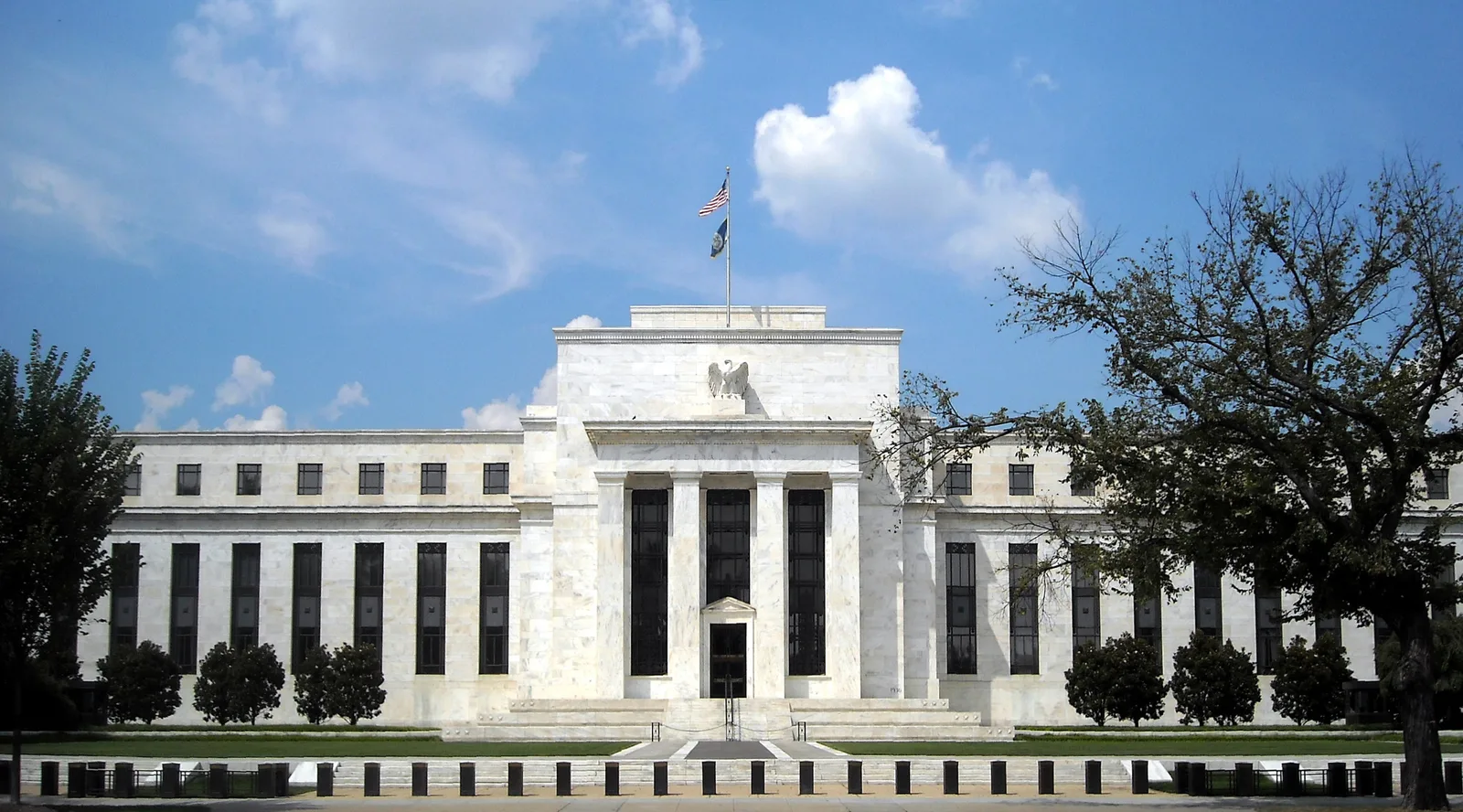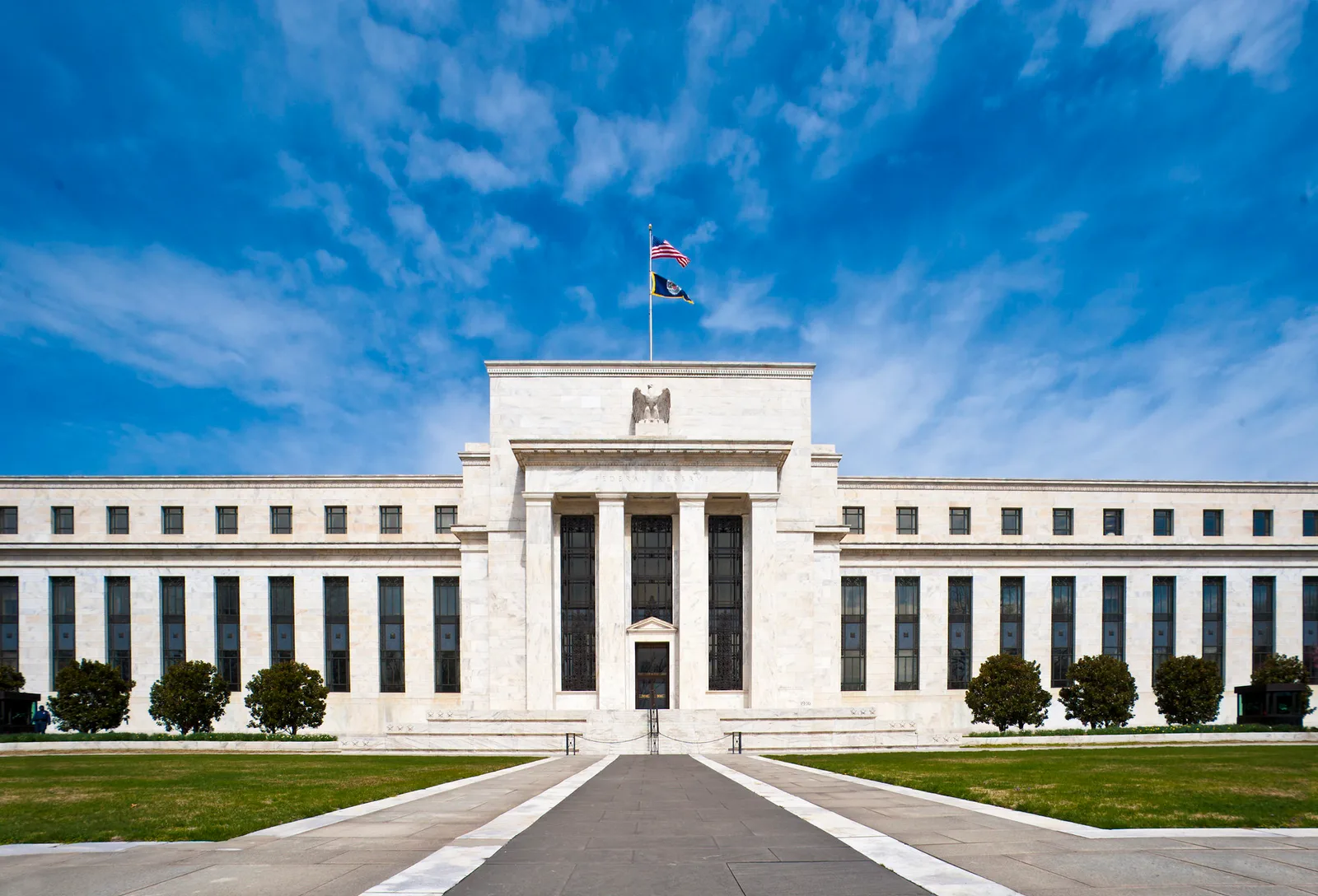
Two of the world's most powerful central banks warned on Monday 16 November that the artificial intelligence boom is increasingly being paid for with borrowed money. Federal Reserve Governor Michael Barr said on-balance-sheet debt at the seven largest AI firms is expected to exceed $800bn before the end of the year, while European Central Bank vice-president Boris Vujčić said AI and sovereign debt now stand out "very prominently" among the risks to the euro area's financial system.
The AI debt warnings in three numbers
- $800bn+ on-balance-sheet debt expected at the seven largest AI firms by the end of 2026, according to Barr
- $3trn+ potential maximum value of those firms' off-balance-sheet obligations, a Fed estimate
- $5.5trn projected cumulative capital spending by major US tech firms by 2030, cited by the ECB
Two warnings from two cities on the same day
In Milan, Barr addressed an international conference on artificial intelligence in finance. Debt at the biggest AI firms had grown significantly in 2026, he said, and the build-up "brings to mind" the borrowing of the telecom investment cycle of the late 1990s and early 2000s.
In Frankfurt, Vujčić opened Euro Finance Week, two days before the ECB publishes its twice-yearly Financial Stability Review. A year ago, he said, the AI worry was mainly about stretched share prices. Now "the risk of market repricing, rather than abating, has further increased", and the danger has spread to debt markets, concentrated exposures, faster AI adoption and cyberattacks.
| Policymaker | Where | Key figure | Main worry |
|---|---|---|---|
| Michael Barr, Federal Reserve | Milan | $800bn+ debt at seven AI firms | Hedge fund leverage and fire sales |
| Boris Vujčić, ECB | Frankfurt | $5.5trn US tech capex by 2030 | AI and sovereign debt |
Much of the risk sits off the balance sheet
The bonds and loans are only the visible part. Barr said the firms' other commitments, such as long-term contracts, leases and guarantees on the resale value of data centres and chips, have grown even faster. The Fed's own Financial Stability Report puts the potential maximum nominal value of these off-balance-sheet liabilities above $3trn. Such complexity can make sell-offs worse, he warned, "as it is hard to know where risk resides."
Some of the money also travels in a circle. Barr said the biggest cloud groups, known as hyperscalers, and large chip producers hold more than $100bn of stakes in AI labs and cloud start-ups, which then rent or buy chips and computing power from their investors. To make the build-out pay, those smaller firms "will eventually have to replace that funding from their suppliers, the hyperscalers and GPU makers, with revenue from paying customers."
The ECB described the same loop, and pointed to record debt issuance by large cloud and AI infrastructure providers this year and to IPO volumes on track to beat the dot-com peak relative to US output. "Historically, such surges have often coincided with market peaks," Vujčić said.
Why fund investors sit in the firing line
Most savers own this boom through funds. The ECB said euro area investment funds have significantly increased their AI exposures in recent years, through both shares and debt securities.
That matters in a rush for the exit. A reassessment of the AI story "may trigger an abrupt repricing in markets and significant valuation losses", Vujčić said, which could set off a surge in fund redemptions and forced selling. A saver holding both an equity fund and a corporate bond fund heavy in technology names could be hit on both sides.
From the US side, Barr said that with leverage at hedge funds and wider risk appetite "apparently quite high", a sharp reversal could bring rapid deleveraging and "self-reinforcing fire sales": forced selling that pushes prices down and prompts more of it.
What the two warnings have in common
- AI funding is spreading from share markets into debt markets
- Circular deals tie AI labs, chipmakers and cloud groups to one another
- Investment funds and hedge funds, more than banks, are the pressure points
- A sharp repricing could spread from shares into bonds
Government bond holders have a further reason to watch. The ECB said the scale of AI borrowing raises questions about competition for capital between public and private borrowers, and whether it could push up financing costs.
Banks look sturdy, the strain sits elsewhere
Barr said that "given the still-limited amount of debt backing the current boom, I'm less concerned about direct losses", and that high capital at the largest banks provides "a bulwark against spillovers". He still said banks' exposures to investors holding large AI positions need watching. Vujčić said euro area banks have maintained strong capital and liquidity positions.
The concern lies outside the banking rulebook. Vujčić called for investment funds to align redemption terms more closely with the liquidity of what they hold, and for regulators to consider leverage limits and minimum margins for hedge funds.
The ECB's full verdict arrives on Wednesday
The next Financial Stability Review is due on Wednesday 18 November. An early-release chapter on cyber risks, which Vujčić linked to fast-improving AI models, came out on Monday. He also said the market correction after the US mid-term elections earlier this month, "although contained, serves as a reminder to remain cautious about AI valuations."
Questions and answers
What is AI circular financing?
It is money that big cloud groups and chipmakers invest in AI labs and start-ups, which then spend it renting or buying chips and computing power from those same investors. Fed Governor Michael Barr said such equity stakes exceed $100bn.
How much debt do the biggest AI companies have?
Fed Governor Michael Barr said on 16 November that on-balance-sheet debt at the seven largest AI firms is expected to exceed $800bn before the end of 2026. Their off-balance-sheet obligations have a potential maximum value of more than $3trn, according to a Fed estimate.
When is the ECB Financial Stability Review published?
The ECB publishes it twice a year. The next edition is due on Wednesday 18 November 2026.