Talga Group wants to become one of the few Western producers of natural graphite anode, the material that makes up most of a lithium-ion battery's negative electrode. It owns graphite deposits in northern Sweden and sells small volumes from a demonstration plant, but its commercial project still needs to be financed.
What Talga does and where
Talga is an Australian company with its head office in West Perth. Its shares trade on the ASX under the code TLG and over the counter in the US as TLGRF. Its financial year ends on 30 June, so the quarter to 30 September 2026 was the first of its 2027 financial year. Mark Thompson is managing director and Martin Phillips is chief executive of Talga Group.
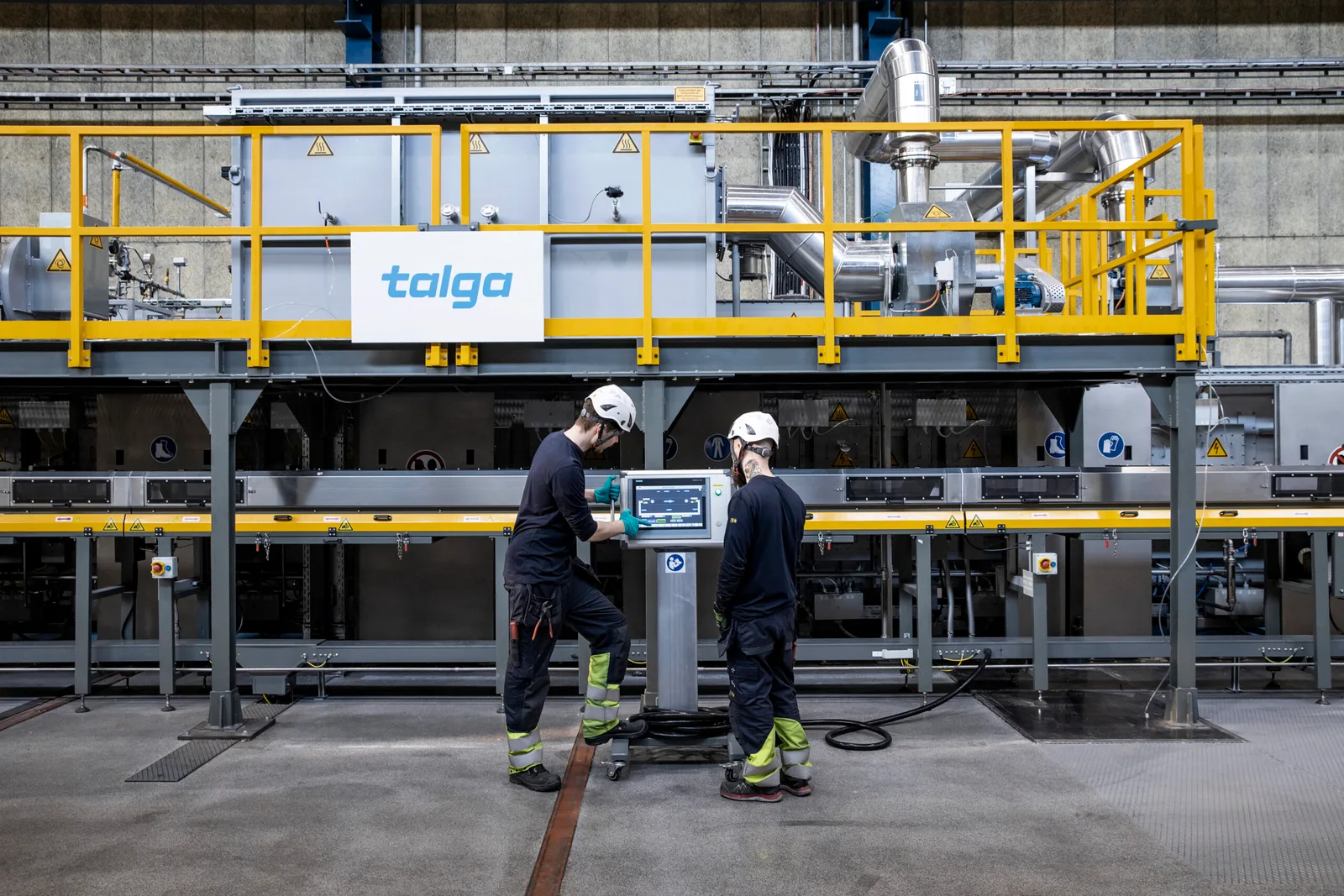
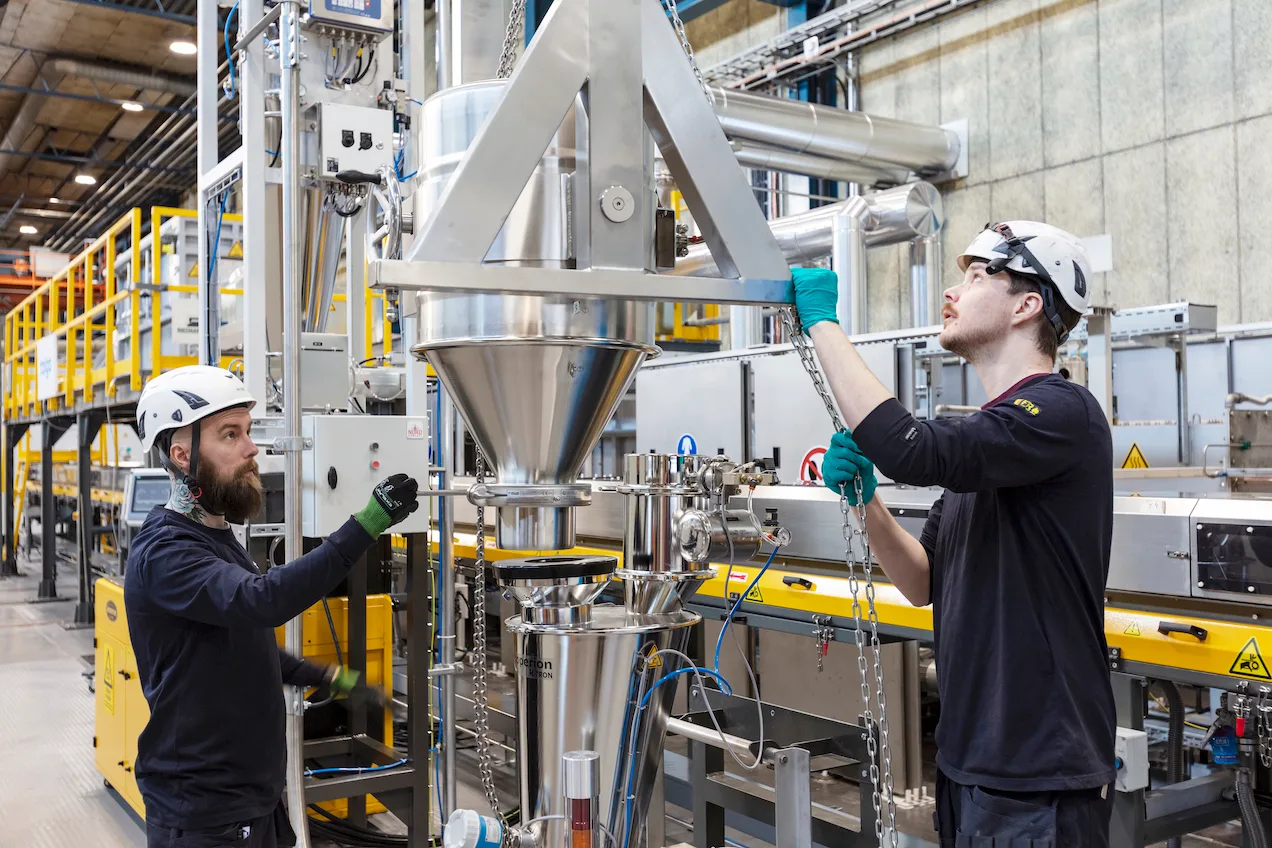
Its flagship product is Talnode-C, a coated, purified natural graphite anode made from Talga's own Swedish graphite with renewable power. Talga has produced anode at its EVA demonstration plant in Luleå since 2022, carries out research in Cambridge in the UK and has a test facility in Germany. It is also developing a silicon anode, an anode made from recycled graphite and conductive additives for cathodes.
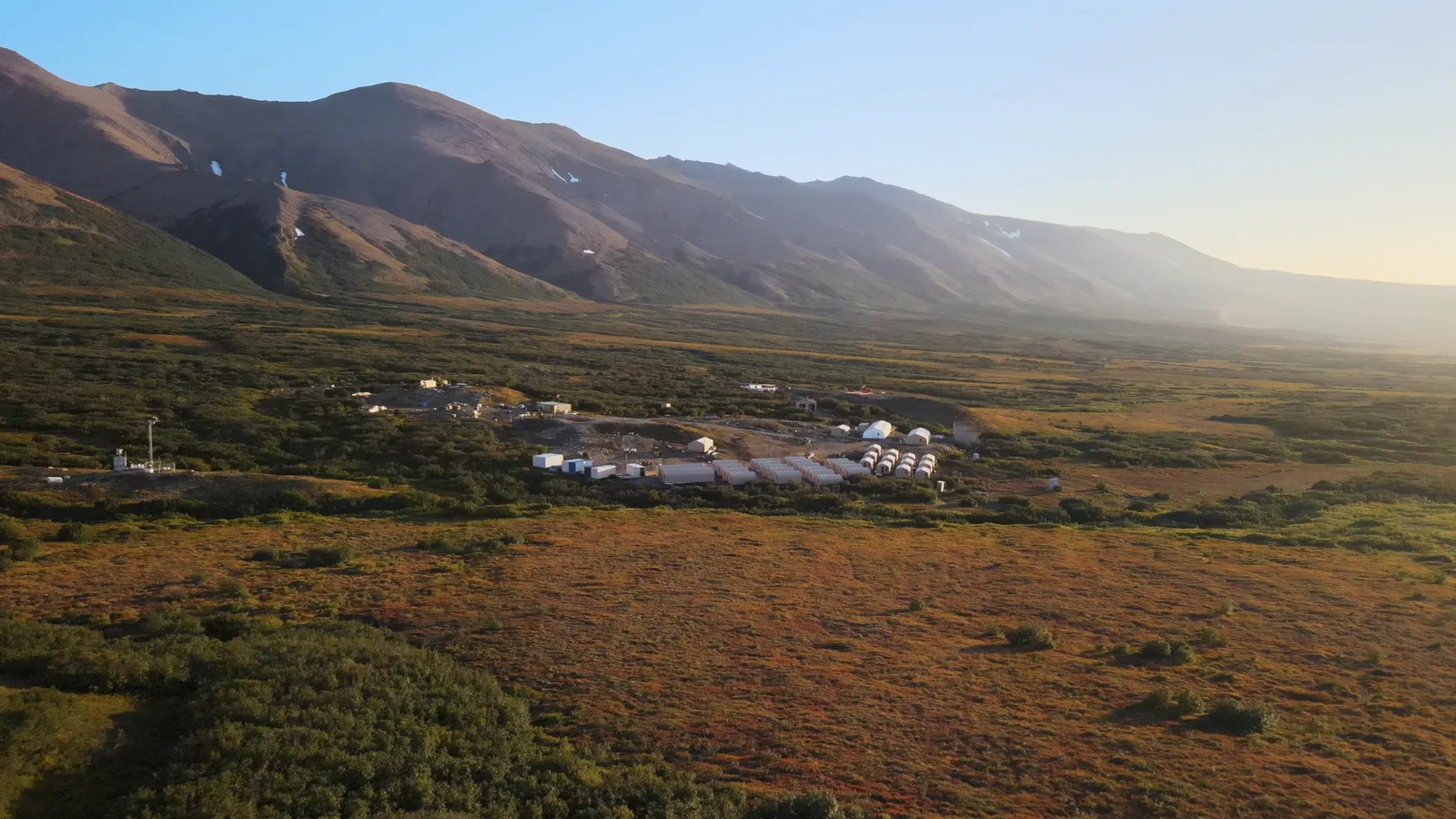
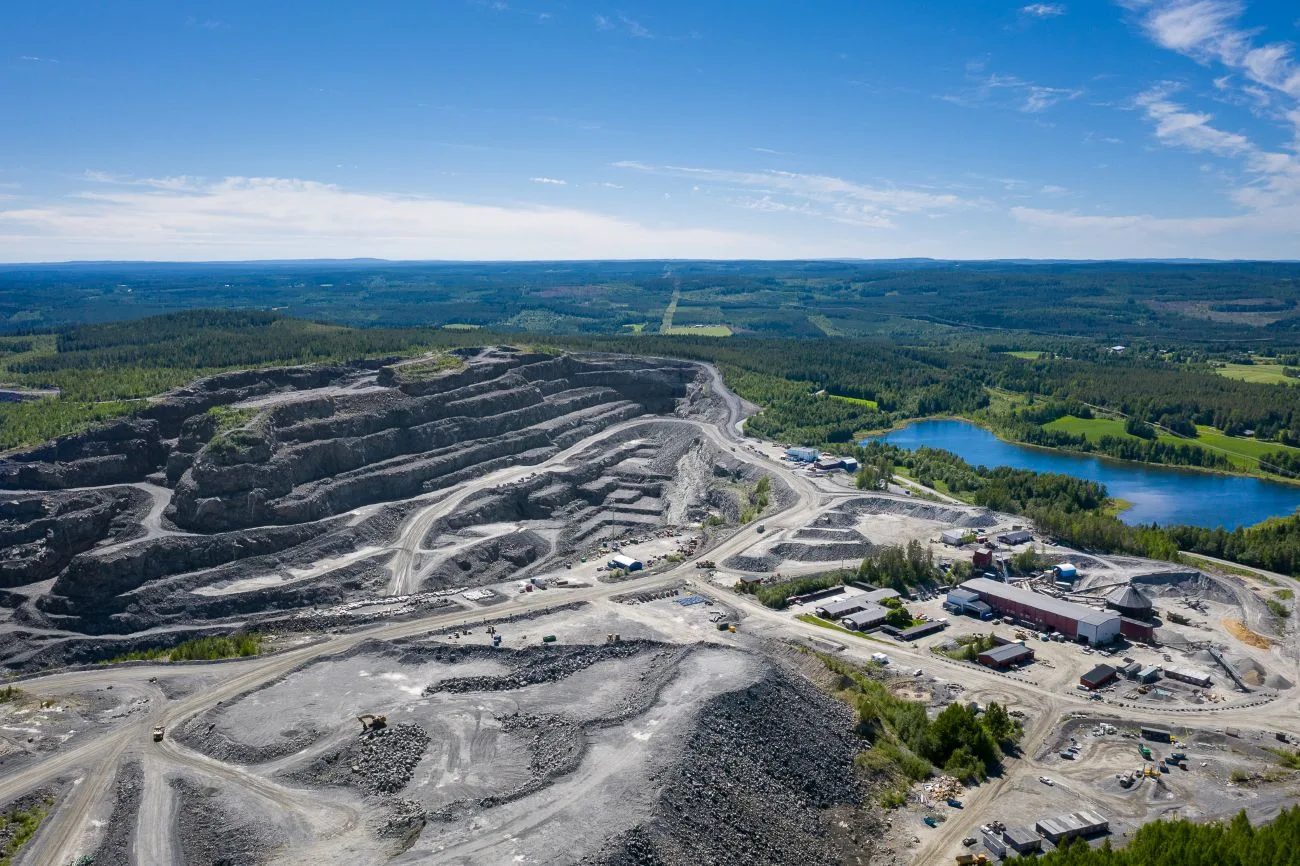
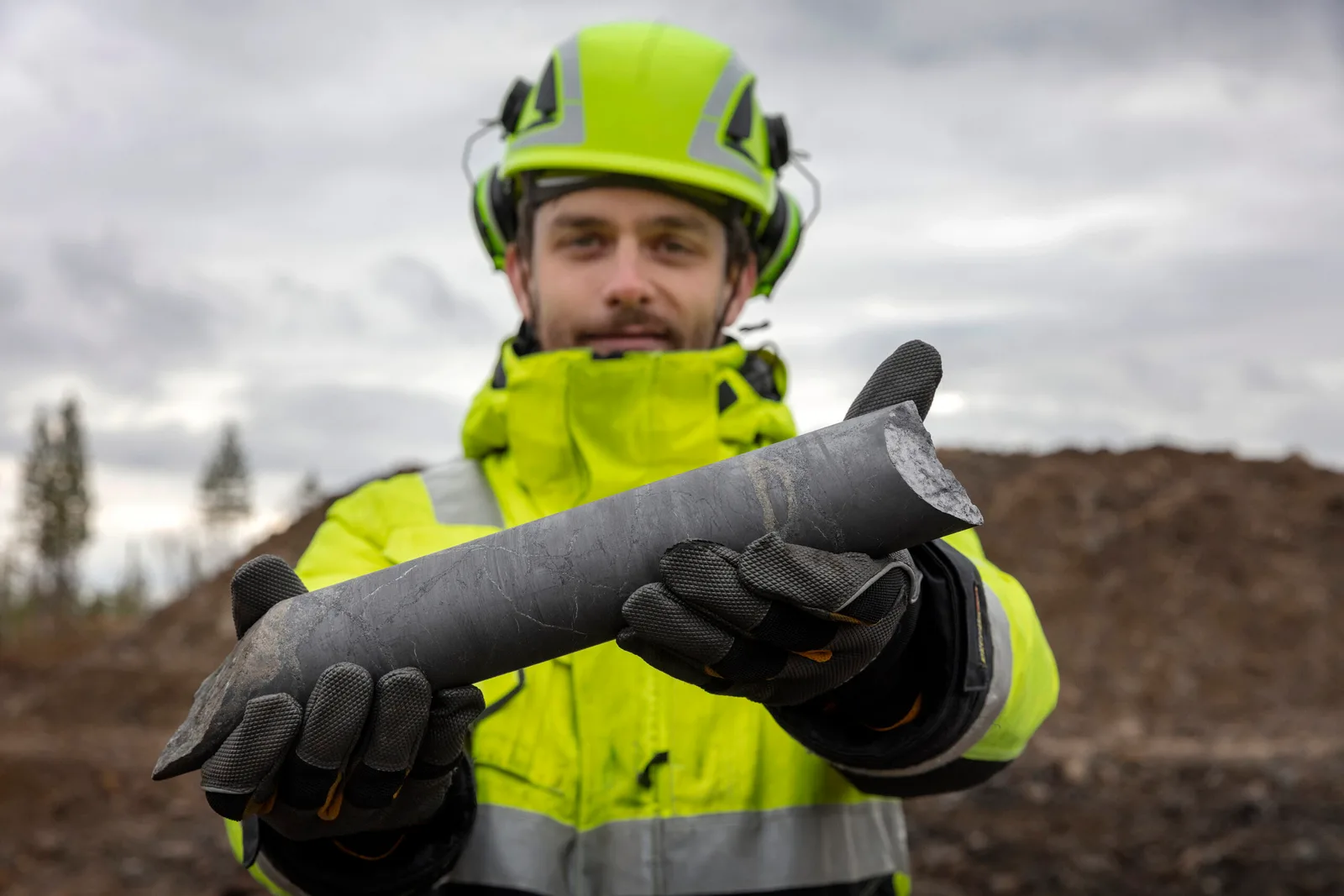
All of its mineral projects are in Norrbotten County. The most advanced is the Vittangi graphite project, where the Vittangi resource stands at 35.0 million tonnes grading 23.8% graphite and the Nunasvaara deposit carries a probable ore reserve of 2.33 million tonnes at 22.9%. Talga also holds the Jalkunen and Raitajärvi graphite projects and the Aero lithium project.
The commercial plan is the Vittangi Anode Project: a mine at Vittangi feeding an anode refinery in Luleå. Talga's November investor presentation describes a 24-year mine life supporting 19,500 tonnes a year of anode and calls the project permitted. In January 2026 the Swedish government adopted the detailed plan for the graphite mine.
Talga Group: share price, chart and news
Key numbers from the latest report
| Measure | Latest figure |
|---|---|
| Cash, 30 Sept 2026 | A$10.8m, including A$4.1m of grant money held in reserve |
| Cash, 30 June 2026 | A$18.7m |
| Net operating cash outflow, Sept quarter | A$3.1m |
| Investing outflow, Sept quarter | A$4.5m |
| Customer receipts, Sept quarter | A$69,000 |
| Quoted shares | 510.9m |
| Unlisted options and performance rights | 43.6m |
| Market value, 30 Sept 2026 | About A$138m |
Talga's own cash-flow report puts its funding at about 3.4 quarters of current spending, before any new money. Part of the cash is restricted: the A$4.1m of grant funds from the Swedish Energy Agency can only be used once the grant's conditions are met. In a raising announced in December 2025, Talga sold A$14.5m of shares in a placement and a further A$7.27m in a share purchase plan for existing holders that closed in January 2026, both before costs.
Beyond cash, Talga has grant support it has not yet drawn in full. It holds a A$13m Swedish Energy Agency grant, part of a SEK190m programme to prove its process at near-industrial scale, and a €70m (about A$120m) EU grant for the Luleå refinery, on which nothing has been drawn. An A$31m environmental bond facility with surety company Atradius covers the bonding required by the project's environmental permit.
Customers and sales pipeline
Talga's revenue is still tiny, but its list of potential customers has grown in 2026.
Where Talga stands with buyers
- Nyobolt: commercial deliveries of Talnode-C began in the September quarter, starting with about 4 tonnes at the contracted price
- Dainen Materials (Japan): binding term sheet signed in October reserving up to 2,000 tonnes a year for five years from late 2027, with a master agreement targeted for March 2027
- Mitsubishi Chemical and Hanwa (Japan): non-binding letters of intent; Talga says due diligence is under way towards binding term sheets
- EAS Batteries (Germany) and Verkor (France): non-binding letters of intent, Verkor's widened to energy storage
- United States: a first delivery to a cell maker focused on defence-related, high-power uses
On 12 November Talga reported that cells built by KRI, a research company owned by Osaka Gas, reached more than 8,000 charge cycles to 75% capacity using Talnode-C, against about 1,600 for a conventional cell. KRI is supplying sample cells to evaluation users and targets mass production in 2030. Talga warns there is no assurance the work will lead to commercial supply, and the results were provided by KRI and have not been independently verified by Talga.
The main risks
Financing. The Vittangi Anode Project has no final investment decision. Talga's own presentation lists closing the funding gap as a near-term task, through strategic investors in the project, government funding and other non-dilutive sources. Any shortfall would probably be met with new shares or partners at project level, both of which dilute existing holders.
Contracts are mostly not binding. Only Nyobolt and, in part, Dainen are binding. Letters of intent can lapse, and the volumes reserved by Dainen will only be fixed in a master agreement.
Cash burn. With A$10.8m at the end of September, part of it restricted, and quarterly outflows of several million dollars, Talga could need new funding within about a year unless spending falls or more grant money is drawn.
Governance. On 29 October Talga disclosed a technical breach of ASX Listing Rule 7.1, which limits how many new securities a company can issue without shareholder approval. Accepting oversubscriptions in its share purchase plan pushed the number of attached options beyond its capacity. Talga says the breach does not affect the validity of the options or the funds raised and that it has added controls.
Market and policy. China dominates graphite supply, and Talga's case leans on demand for supply chains free of Chinese links, which depends on government policy in Europe, the US and Japan. Talga reports in Australian dollars but operates mainly in Sweden; currency moves cut its cash by A$0.3m in the September quarter.
What to watch next
| Date | Event |
|---|---|
| By end of January 2027 | December quarter activities and cash-flow report |
| By end of March 2027 | Target for the Dainen master supply agreement |
| No date given | Binding term sheets with Mitsubishi Chemical and Hanwa |
| 30 June 2027 | End date of the Swedish Energy Agency grant project |
| Late 2027 | Expected start of deliveries to Dainen |
| 2030 | KRI's target for mass production of its long-life cells |
Talga is also studying extra anode plants at brownfield sites in France and the US, where it says incentives could cut capital costs.
Sources
- ASX: Talga Group (TLG) announcements, including the September 2026 Quarterly Activities Report and Appendix 5B (30 October 2026), Non-compliance with ASX Listing Rule 7.1 (29 October 2026) and Q1 Investor Presentation and Webinar recording (13 November 2026)
- Talga Group: Talga signs binding offtake term sheet with Japan's Dainen Materials (28 October 2026)
- Talga Group: Talga's graphite anode powers 5x lifespan in KRI ultra-long life battery breakthrough (12 November 2026)
- Talga Group: news and announcements