United States Antimony is a small, loss-making US miner and smelter that has become a supplier of antimony metal to the US Defense Logistics Agency. Its third-quarter filing shows higher volumes and better margins, but also sharply lower metal prices, slow defence acceptances and a business still funded partly by share sales.
What the company does
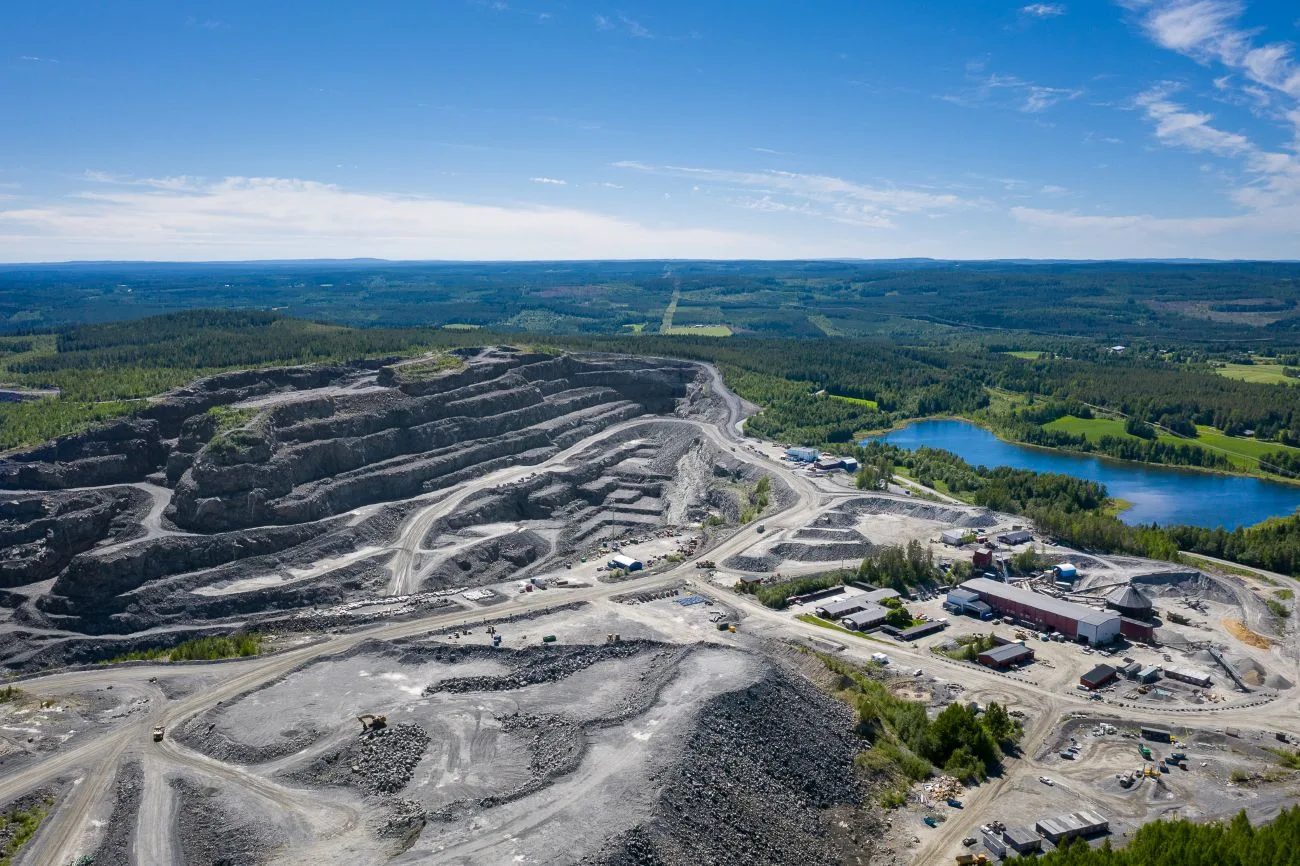
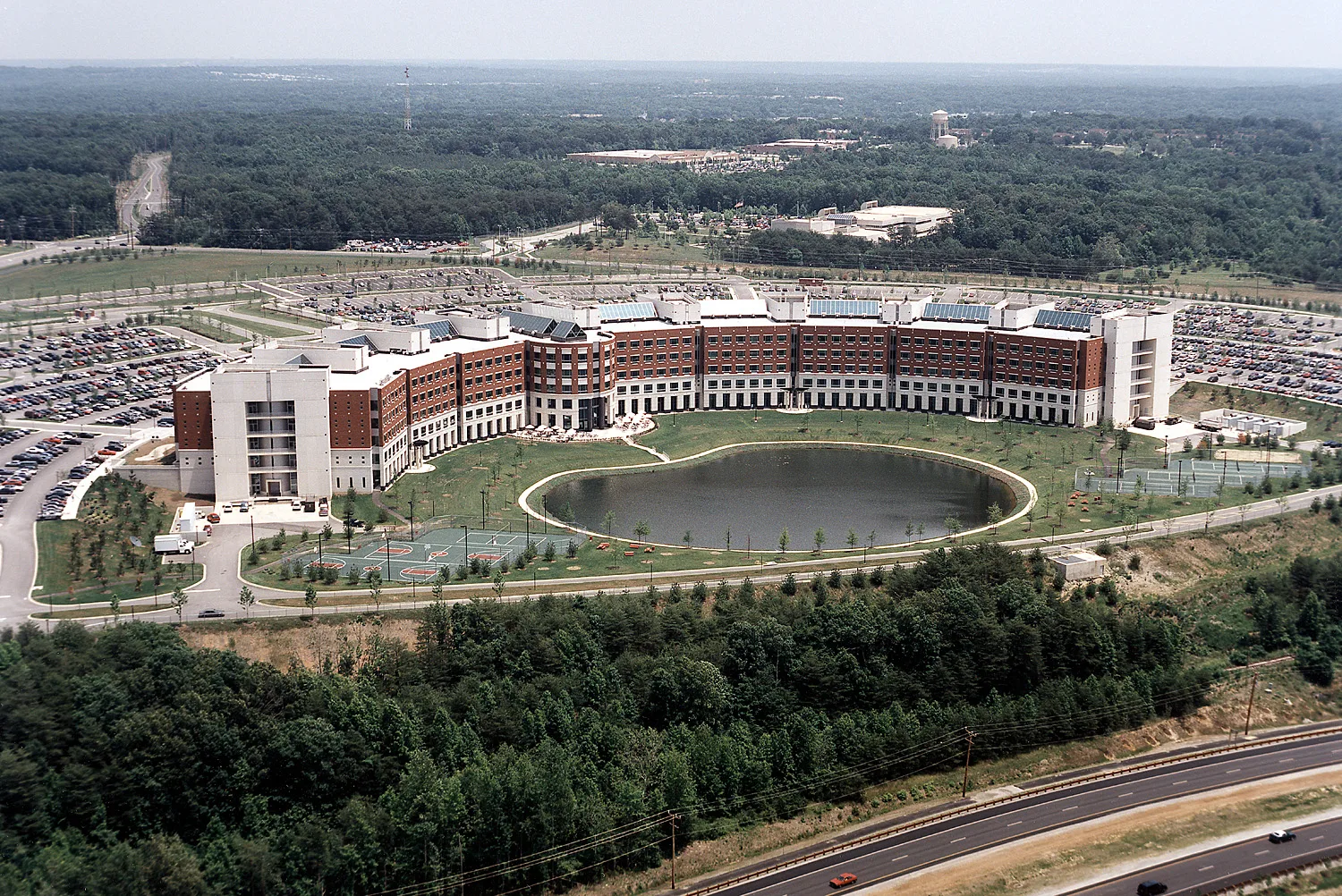
United States Antimony Corporation is based in Dallas, Texas, and listed on the NYSE and NYSE Texas under the ticker UAMY. It describes itself on its website as the only significant antimony producer in the United States. The company is vertically integrated: it mines, mills, smelts and sells, and it says it holds more than 32,000 acres of claims aimed at bringing historical US antimony deposits back into production.
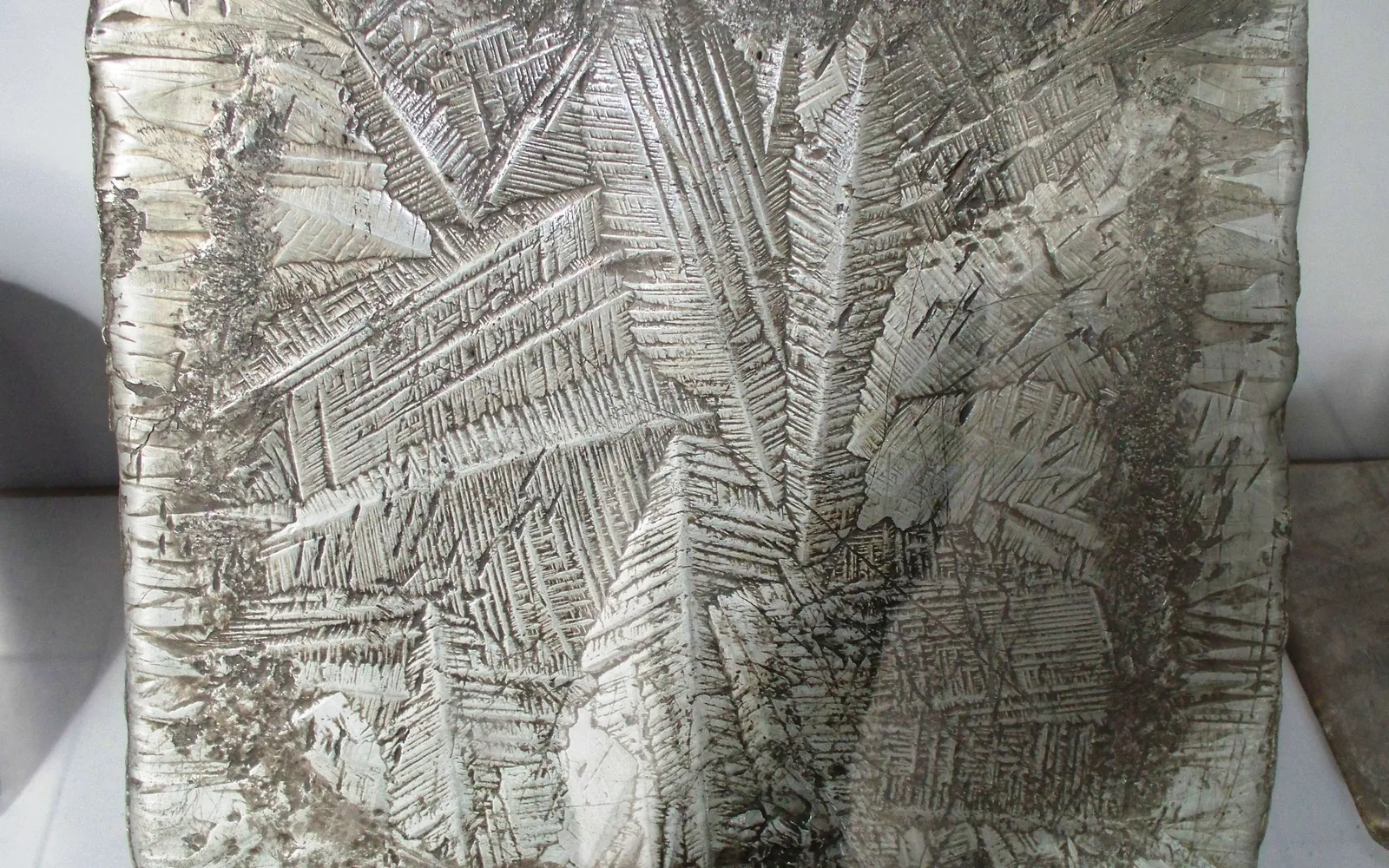
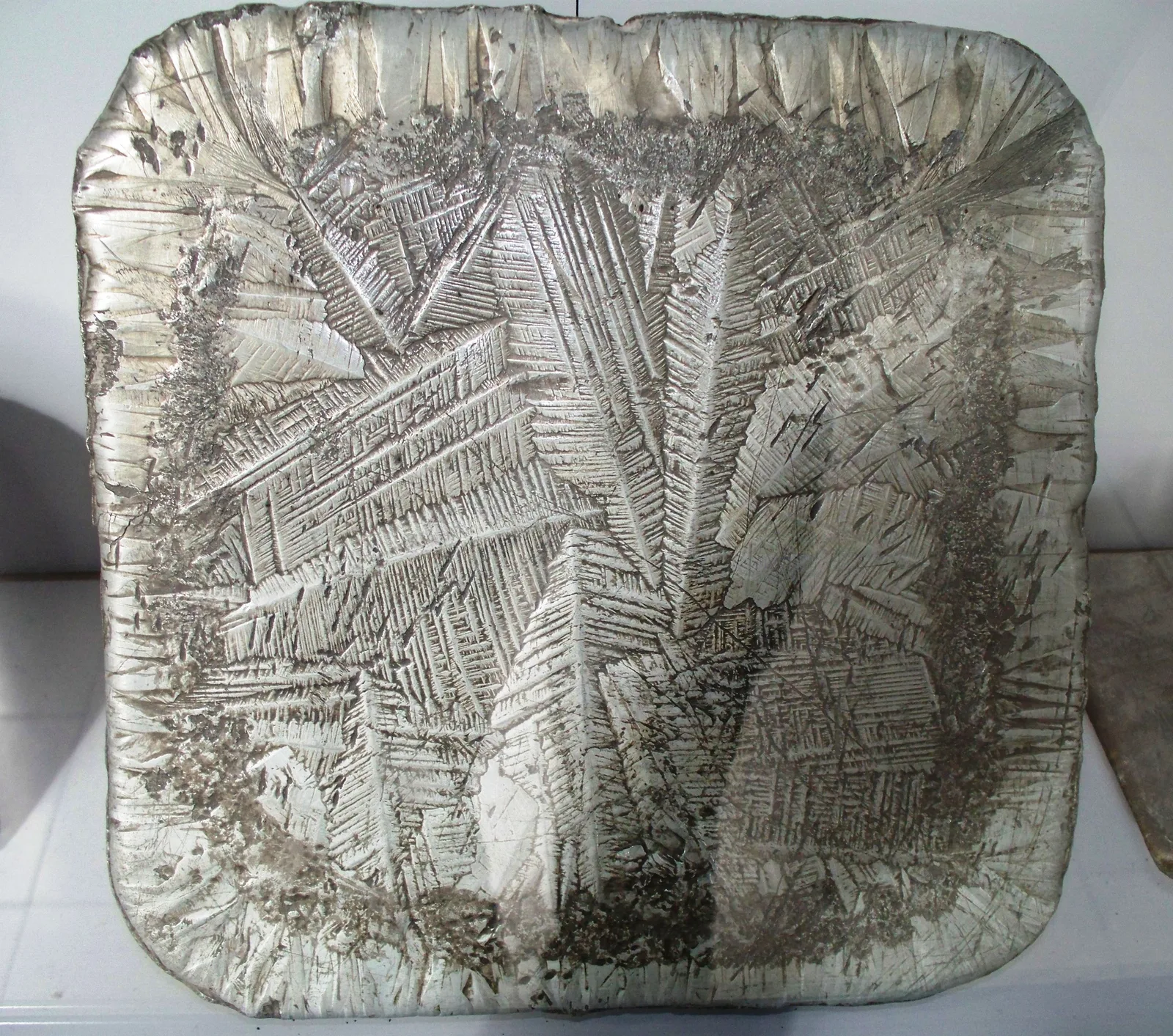
The company's website lists munitions, semiconductors, flame retardants and batteries among the uses of antimony. United States Antimony sells it in two main forms: metal ingots, which go to the US Defense Logistics Agency (DLA), and antimony trioxide, which goes to industrial buyers. A second business, Bear River Zeolite in Idaho, mines zeolite, a mineral the company is selling into the cattle market and to a widening range of industrial customers.
United States Antimony: share price, chart and news
Key assets
The company's footprint has widened quickly over the past year, through acquisitions of claims and processing plants as well as exploration.
| Asset | Location | Status from the latest filing |
|---|---|---|
| Thompson Falls smelter | Montana | Expansion under way; ramp-up slower than planned |
| Radersburg flotation plant | Montana | Bought in early 2026; start-up began in the third quarter, processing ore from Stibnite Hill |
| Smelter and three mills | Mexico | Capital spending and processing improvements under way |
| Bear River Zeolite | Idaho | 100% owned; 3,824 tons sold in the third quarter |
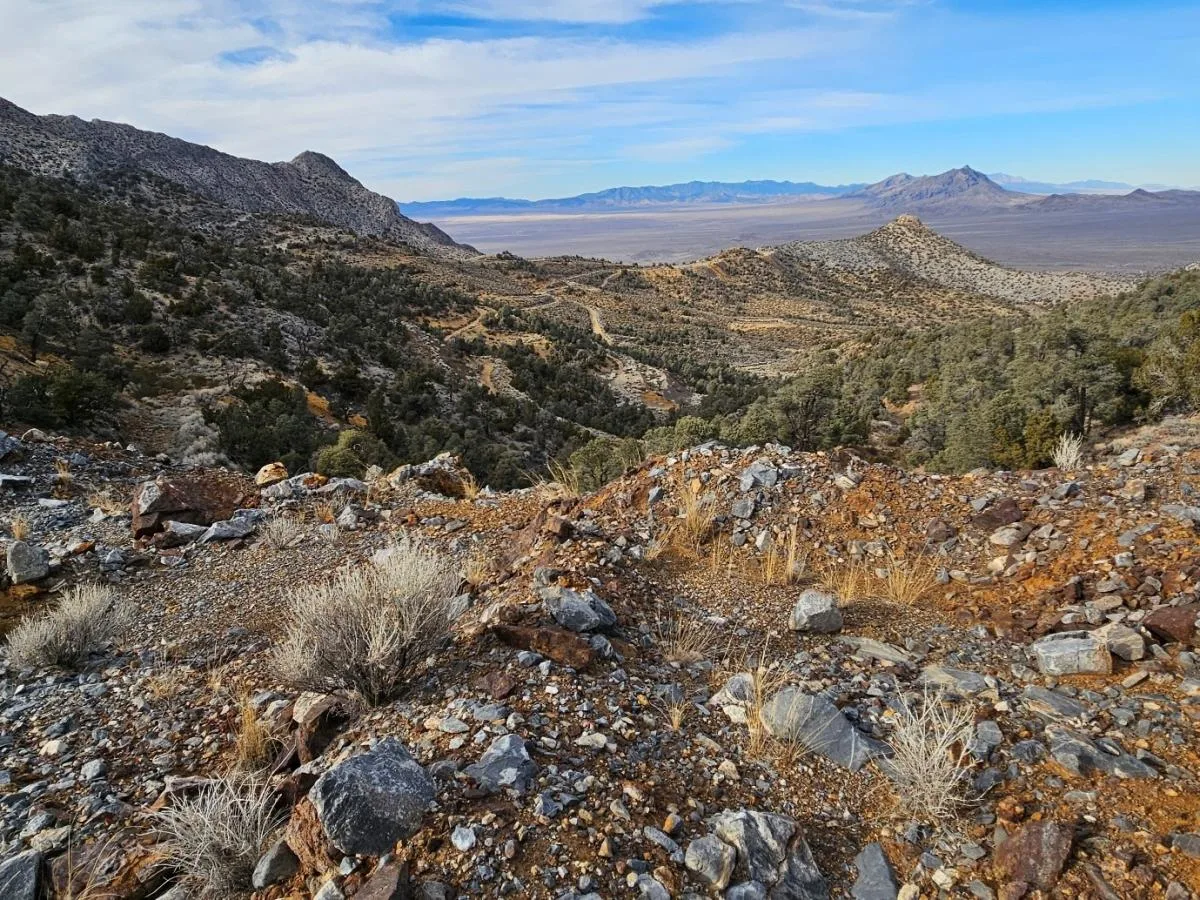
| Nolan Creek | Alaska | Initial assessment in October 2026; no reserves; bulk sample of about 1,000 tons planned |
| Fostung | Sudbury District, Ontario | Bulk sampling started; inferred resource of about 14.8m tons containing about 54.2m lb of tungsten |
| Hydrometallurgical joint venture | Idaho | 49% stake, with Americas Gold and Silver as partner |
The Alaska and Ontario projects are early. The Nolan Creek study is an initial assessment that does not establish reserves, and its bulk sample still needs to go through the Mine Safety and Health Administration process. The Fostung tungsten figures are inferred resources, the least certain category.
The latest numbers
Third quarter to 30 September 2026
- $10.1m revenue, up 16% year on year
- 468,842 lb of antimony sold, up from 279,607 lb
- $51.0m cash, equivalents and Treasury bills
Third-quarter gross profit rose to $4.3 million, a margin of about 42%, up from 7% in the second quarter. Two forces drove the swing. The average cost of each pound sold fell to $10.19 from $13.34 in the second quarter, and the DLA ingots fetched about $31.50 a pound, far above industrial prices of about $12.16.
The company still lost $9.5 million in the quarter and $20.7 million over nine months. Spending on exploration rose to $4.4 million in the quarter from $1.0 million, mainly because of work in Alaska, and a fall in the Larvotto Resources share price and the Australian dollar cut the value of its stake in the ASX-listed company by $3.8 million.
At 30 September total assets were $190.3 million against liabilities of $18.3 million, and the accumulated deficit stood at $66.2 million. Inventory had risen to $28.1 million from $12.5 million at the end of 2025. The Larvotto stake was valued at $39.4 million and a $19.0 million margin credit line was undrawn.
Shares issued rose to 150,746,204 from 140,042,270 at the end of 2025, mainly through at-the-market share sales that raised $49.1 million net in nine months. Against that, the company has a $100 million buyback approved in August and had repurchased 773,037 shares by the end of October.
Before the results, Earnings Whispers put the share price at $3.47, below its 200-day average of about $7.07, after a fall of about 36% since the previous report.
The Pentagon relationship
Two government programmes matter most. The first is a five-year indefinite-delivery contract with the DLA. It carries no guaranteed minimum, but four delivery orders placed between September 2025 and June 2026 cover about 3.03 million pounds and $57.3 million, running through 2029. About $8.7 million had been accepted and paid by the end of October.
The second is a $27.0 million Defense Production Act award from the Department of War. It has been modified so that authorised payments rose to $20.3 million from $16.2 million. The company has received $12.8 million, and a further $7.5 million depends on reaching and having accepted specified milestones.
Revenue from the DLA is booked only once each lot is sampled, approved, delivered and formally accepted, which is why the company's sales lag what it produces. Management said the cycle from sampling to payment has shortened to about 70 days.
Main risks
- Antimony prices: the Argus Rotterdam benchmark fell about 63% in a year, to about $8.16 a pound in early November, and industrial prices follow it
- Customer concentration: the DLA can modify, delay, reduce or end orders, and controls acceptance timing
- Feed supply: the company relies on third-party antimony feed, including a Bolivian supplier
- Execution: Thompson Falls is ramping up more slowly than planned, and the Alaska and Ontario projects have no reserves
- Losses and dilution: nine-month operating cash outflow was $24.7 million and share sales have funded part of the gap
What to watch next
The company withdrew its 2026 revenue guidance on 12 November and now guides on volume: 1.68 million to 1.81 million pounds of antimony and 17,500 to 18,500 tons of zeolite for the year.
| When | What to watch |
|---|---|
| By 31 December 2026 | Whether the DLA accepts lots TF-8 and TF-9 (about 79,927 lb), which decides the top or bottom of volume guidance |
| December 2026 | The usual seasonal slowdown in antimony trioxide orders |
| End of 2026 | The fixed monthly delivery schedule under a five-year industrial supply deal signed in November 2025 ends; volumes and prices are then set every six months |
| Pending | Repayment of a $4.0 million note from the Bolivian supplier, which had given notice of prepayment but had not paid by the results date |
| 2027 | Acceptance of DLA lots TF-10 to TF-14, and the higher volumes the company expects from Thompson Falls, Radersburg and Mexico |
The company has not given dates for the Nolan Creek bulk sample or the first output from its joint venture, so those remain open questions rather than near-term catalysts.