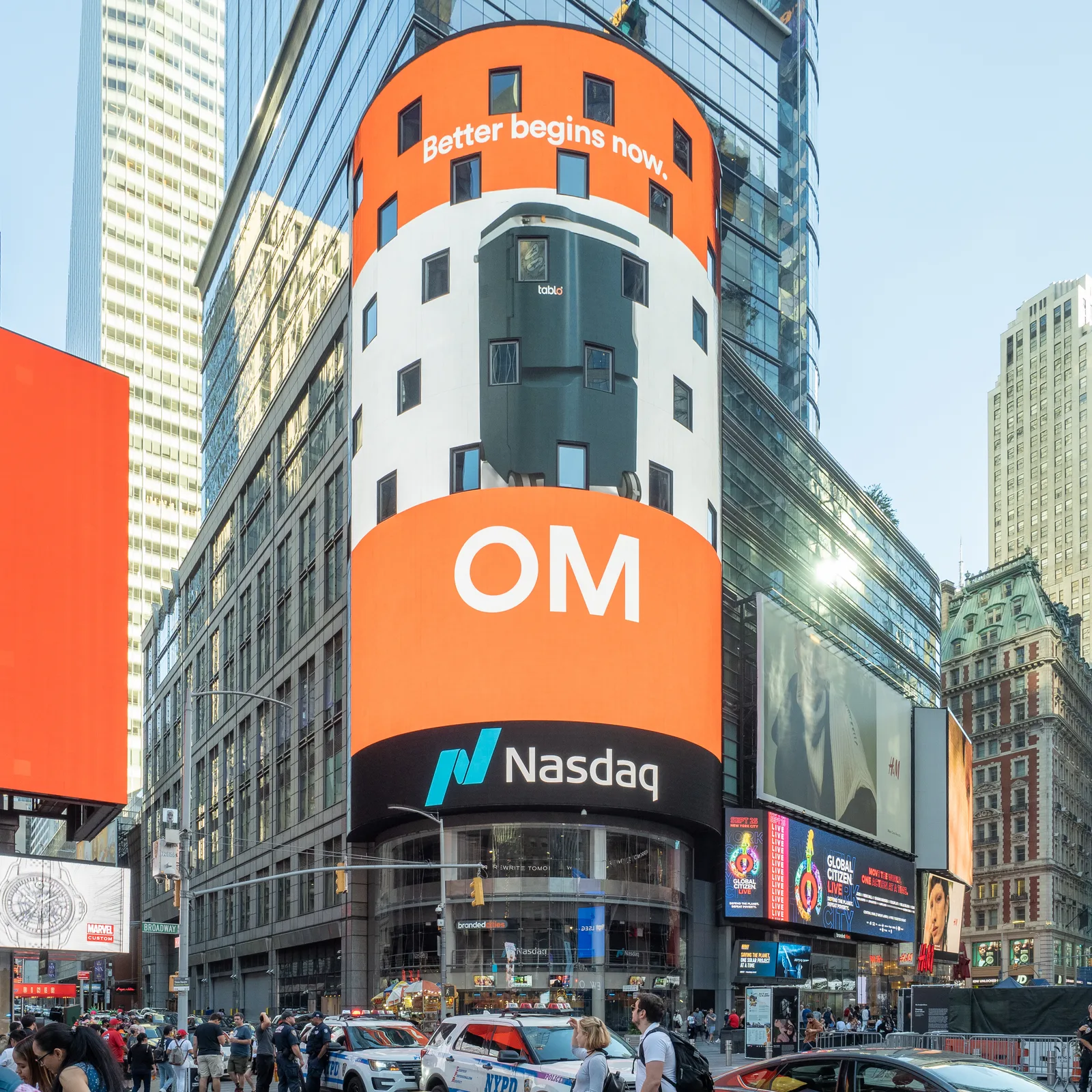
The yield on the 10-year US Treasury note rose to about 5.24 percent in Thursday trading, its highest level since 2007, as investors priced in another interest rate increase from the Federal Reserve. Wall Street has so far taken the move calmly, with the Nasdaq a few days removed from a record high.
The 10-year yield had already closed at about 5.11 percent on Wednesday, the highest since 2007 by AP's measure. The 30-year yield came close to 5.5 percent, its highest in more than two decades, and the 2-year yield, the most sensitive to Fed expectations, reached its highest since 2024.
Bond markets, 24 September
- 5.24% US 10-year yield, Thursday high
- 3.579% German 10-year Bund yield, highest since 2009
- 71% odds of an October Fed hike on Wednesday, CME FedWatch
A Fed Hike, and Bets on Another
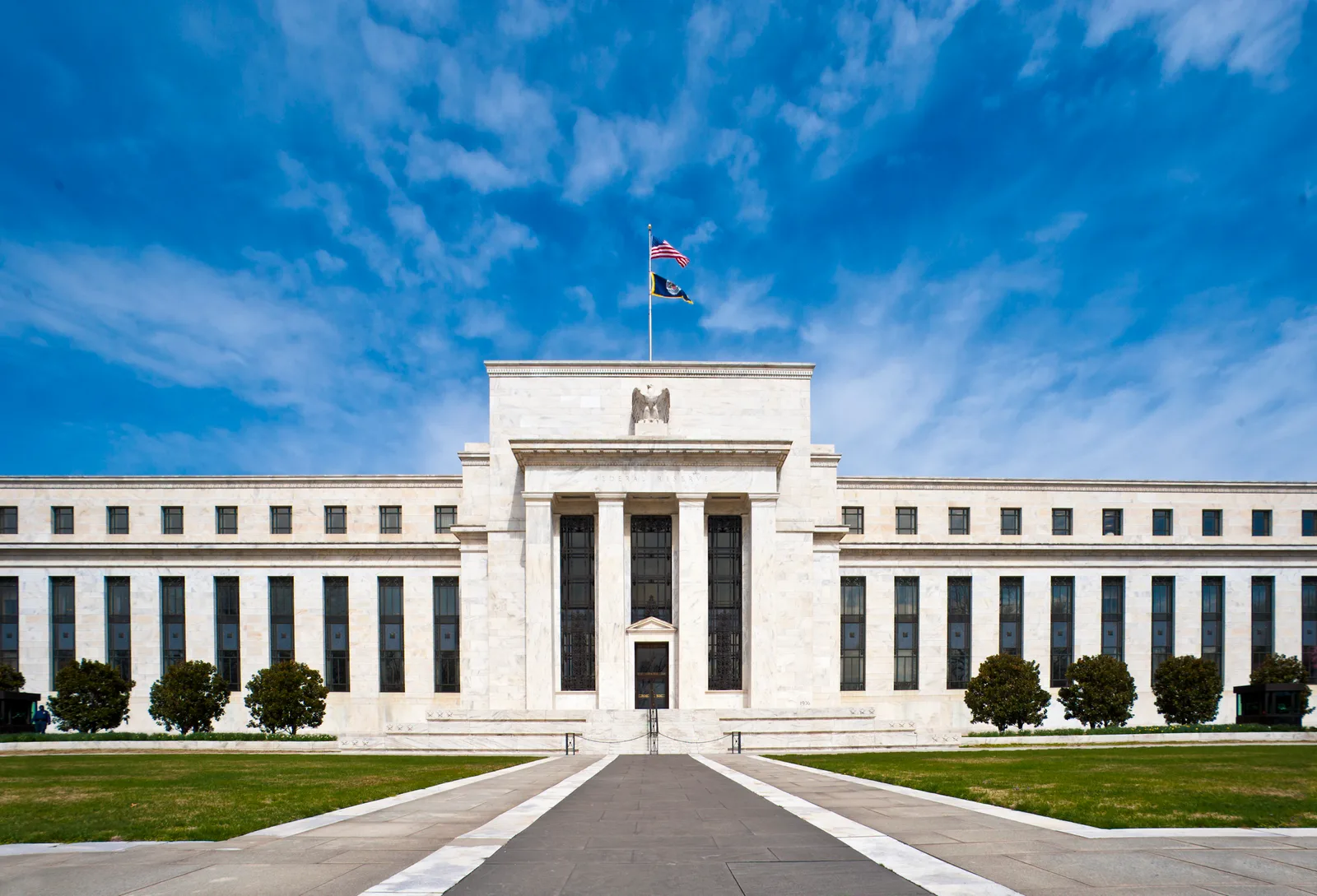
The sell-off follows the Federal Reserve's decision on 16 September to raise its target range by a quarter point to 3.75 to 4 percent, its first increase in more than three years. Officials signalled that one more hike this year is possible, and Chairman Kevin Warsh pointed to a strengthening economy and geopolitics among the reasons.
Traders have since moved towards that second step. On Wednesday CME's FedWatch tool put the chance of an increase at the 27 to 28 October meeting at about 71 percent. Fed Governor Michael Barr said the same day that "further policy adjustments are likely to be needed".
The data have backed the hawks. A survey on Wednesday showed US business activity at its strongest in more than five years in September, and on Thursday initial jobless claims fell to 197,000 in the week to 19 September, below the 201,000 economists had expected.
Oil is the other pressure. Brent crude rose almost 4 percent on Wednesday after a speech by Iran's president at the United Nations dimmed hopes of early talks on reopening the Strait of Hormuz, adding to worries that energy costs will keep inflation high.
Alphabet: share price, chart and news
A Quick Climb From 5 Percent
The move has been fast. The 10-year yield topped 5 percent in the week of 14 September for the first time since 2023, then dipped to 4.93 percent on 17 September as oil eased in the days after the Fed decision. It has since added about 30 basis points.
Higher Treasury yields raise the benchmark against which every other dollar asset is priced, from mortgages to corporate bonds. They also make the risk-free return more competitive with equities, which is why a rise of this size usually weighs on stocks.
Wall Street Holds Its Ground
This time the damage has been limited. The S&P 500 jumped 1.5 percent on Monday to 7,764.70 and the Nasdaq Composite set records on Monday and again on Tuesday, closing at 27,244.28. AMD rose 9.9 percent on Monday, taking its market value to $1 trillion.
Wednesday brought a pullback. The S&P 500 fell 0.8 percent to 7,706.03 and the Nasdaq 1.1 percent, with Alphabet down 3.8 percent and Amazon down 2.2 percent, while rate-sensitive utilities were the weakest sector. Even so, the S&P 500 ended Wednesday about 0.7 percent higher for the week.
The resilience rests on two supports: an economy that is still growing strongly enough to justify higher rates, and heavy spending on artificial intelligence, which continues to lift chipmakers and technology groups even as borrowing costs climb.
Europe Feels the Pull
European bonds followed Treasuries lower. The yield on Germany's 10-year Bund rose to 3.579 percent on Thursday, its highest since 2009, with yields up strongly across the region, according to Sharecast. The Stoxx 600 index closed 0.6 percent lower at 636.43.
Europe's central banks were also busy. Norges Bank raised its policy rate to 4.50 percent and said it is ready to go further, while the Swiss National Bank held at 0 percent and Sweden's Riksbank also held.
For European households the link is direct. Long-term government bond yields feed into the price of fixed-rate mortgages and the cost of government borrowing, so a global bond sell-off that starts in New York ends up in loan offers in Frankfurt, Paris and Milan. The next test for the trend is the Fed's meeting on 27 and 28 October.