The US proposed tariffs of up to 35% on goods from 14 economies on Wednesday 25 November, with Vietnam facing the top rate. Clothes and shoes are not exempt, but cars, steel and chips are, and nothing starts before hearings on 25 January.
What Washington proposed on 25 November
- Up to 35% Proposed tariff on all goods from Vietnam, the highest headline rate
- 14 economies Found to fuel unfair "excess capacity", from China to the EU
- 25 January 2027 Public hearings begin in Washington
What you need to know
- The US proposed tariffs of up to 35% on goods from 14 economies, including China, the EU and Japan.
- Clothes and shoes could cost Americans more, while cars, steel and chips are left out.
- Comments close on 5 January and hearings start on 25 January, so nothing applies before then.
Vietnam faces the highest proposed rate, up to 35%
Vietnam faces up to 35% on all its goods, the Office of the US Trade Representative (USTR) said. That would drop to 20% if Hanoi signs a trade deal with Washington.
One number explains the anger in Washington. For every dollar of goods America sold to Vietnam in 2025, it bought about $12 of Vietnamese goods, going by USTR figures.
That left Vietnam with a trade surplus, the gap between what it sells and what it buys, of about $176bn. The USTR singled out its clothing, shoe, shipbuilding, cement and tech industries.
China may still pay the most overall, a senior US official said, according to RTÉ News. Its new rate of up to 20% would sit on top of roughly 25% from Donald Trump's first term.
| Economy | Proposed tariff | Note |
|---|---|---|
| Vietnam | Up to 35% | 20% if it signs a trade deal |
| India | Up to 25% | 17% if it signs a trade deal |
| China | Up to 20% | Comes on top of older tariffs |
| Singapore | Up to 20% | 10% if it signs a trade deal |
| Bangladesh, Cambodia, Indonesia, Malaysia, Thailand | Up to 18% | Takes account of existing trade deals |
| European Union | 15% | Includes normal duties; up to 20% if talks fail |
| Japan, South Korea, Taiwan, Switzerland | Up to 15% | Includes normal import duties |

Why the US says these 14 economies play unfair
The USTR ruled that all 14 help factories make far more than demand would support, then ship the extra abroad. It calls that "structural excess capacity".
The ruling uses Section 301, a 1974 law that lets the US act against foreign trade practices it judges unfair. The USTR blamed state plans, cheap loans, weak labour protections and help for exporters.
China's list of complaints is the longest, from steel and solar panels to robots and ships.
China's trade surplus passed $1 trillion by October, as its chip and car exports surged.
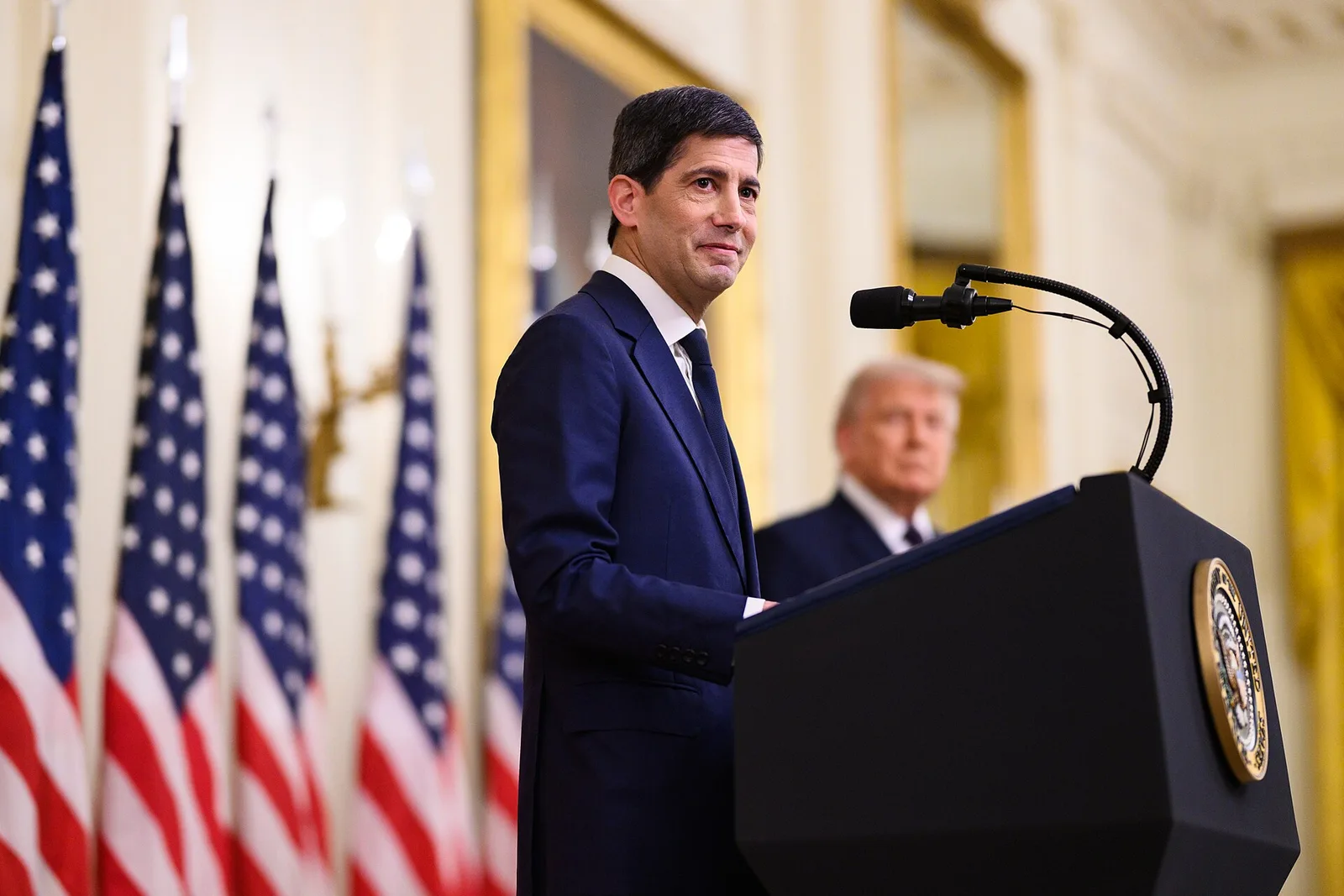
Trade Representative Jamieson Greer said the US can "level the playing field for American workers".
Clothes and shoes are exposed, while cars are spared
Clothing and footwear are missing from the exemption lists, a BMK News check of the Vietnam, China, EU, India and Bangladesh notices found. The USTR even named garments in Bangladesh and apparel in Cambodia as problem sectors.
Cars, light trucks, car parts, steel, aluminium, copper, wood products, patented medicines and computer chips are all left out. They already pay separate tariffs under another US law, known as Section 232.
The new duties will not pile on top of July's forced-labour tariffs on 60 economies either. The higher rate wins, the US official said.
Cars run on a separate track, as Canada's stalled talks over a 50% car tariff show.
Europe rejects the charge but holds Washington to its 15% cap
The European Union gets a flat 15% rate that includes normal import duties. That matches the cap in its 2025 trade deal with the US.
European Commission spokesman Olof Gill rejected the idea that Europe causes overcapacity. Europe is among the most exposed to it, he said.
On the 15% cap, he was blunt: "We expect any measure from this investigation to respect it in full."
The small print holds a sting: the EU rate could rise to 20% if Washington finds talks with Brussels unsatisfactory.
What this means for you
Nothing changes for shoppers this Christmas. The earliest these tariffs could bite is late January.
After that, imported clothes, shoes and many household goods could cost Americans more. Firms squeezed by earlier tariffs are now likelier to pass costs on, RTÉ noted.
US inflation, the pace at which prices rise, jumped to 3.7% in September.
The Supreme Court struck down Mr Trump's earlier global tariffs in February. The new duties are widely seen as a way to rebuild them, RTÉ reported.
Some retailers have just had a tariff boost instead: Target and Lowe's counted tariff refunds in their latest results.
The first deadline for the new US tariffs is 5 January
The new US tariffs are only proposals, and written comments are due by Tuesday 5 January 2027. Public hearings start on Monday 25 January.
The US official expects the threat to bring more trade deals, perhaps at a G20 summit in Miami in December. India and Vietnam could cut their rates sharply by signing one.
Watch Sunday 10 January too. That is when the year-old trade truce between Washington and Beijing is due to expire.
When will the new US tariffs on Vietnam and the EU start?
Not before late January 2027. Comments close on 5 January and hearings open on 25 January.
Will the new US tariffs make cars more expensive?
Not these ones. Cars, light trucks and car parts are exempt from the tariffs proposed on 25 November. They already pay separate Section 232 tariffs.
Which countries face the highest new US tariffs?
Vietnam faces the highest proposed rate, up to 35%, followed by India at up to 25%. China faces up to 20%, but a US official said that comes on top of roughly 25% in older tariffs.
Sources
- Office of the US Trade Representative: USTR Makes Determinations and Proposes Actions in 14 Section 301 Investigations Relating to Structural Excess Capacity and Production in Manufacturing Sectors
- Office of the US Trade Representative: Federal Register notice on Vietnam
- Office of the US Trade Representative: Federal Register notice on the European Union
- Office of the US Trade Representative: Federal Register notice on China
- Office of the US Trade Representative: Federal Register notice on India
- Office of the US Trade Representative: Federal Register notice on Bangladesh
- RTÉ News: US proposes new tariffs on trading partners, including EU