Until this year the euro area routinely sold more goods to the rest of the world than it bought: in the first nine months of 2025 it ran a €102.2bn surplus. The latest figures from Eurostat show how far that has turned. In September the bloc ran a €10.3bn goods trade deficit, against a €13.5bn surplus a year earlier, and for the first nine months of 2026 it was €36.5bn in the red. Energy is the main reason, but it is not the only one.
What the Trade Balance Measures
The trade balance compares the value of goods a country or bloc exports with the value it imports. Eurostat's monthly release covers goods only, not services such as tourism or finance. For the euro area it counts only trade with countries outside the 21-member currency bloc; sales from Germany to France, for example, are left out.
A surplus means more money flows in for goods sold abroad than flows out for goods bought. A deficit means the reverse. Neither is good or bad on its own, but a sudden swing tells you something has changed in prices, in demand, or both.
The Numbers Behind the Swing
In September, euro area exports to the rest of the world rose 6.0 percent on the year, to €272.7bn. Imports rose much faster, by 16.1 percent, to €283.0bn. Over the first nine months the picture is the same: exports up 2.4 percent, imports up 9.2 percent.
| Euro area goods trade | September 2025 | September 2026 | Jan to Sep 2025 | Jan to Sep 2026 |
|---|---|---|---|---|
| Exports | €257.2bn | €272.7bn | €2,209.3bn | €2,263.4bn |
| Imports | €243.7bn | €283.0bn | €2,107.1bn | €2,299.9bn |
| Balance | +€13.5bn | -€10.3bn | +€102.2bn | -€36.5bn |
The swing from a €102.2bn surplus to a €36.5bn deficit over nine months amounts to almost €139bn, by our calculation. For the wider 27-member European Union, the nine-month balance moved from a €85.5bn surplus to an €83.2bn deficit.
September was not the first month in the red. The euro area had already run a €16.6bn deficit in August. Trade between euro area members, which does not affect the balance, kept growing: it rose 7.7 percent on the year to €254.1bn in September, a sign that demand inside the bloc has held up better than its trade with the outside world.
Euro area trade, September 2026
- -€10.3bn goods trade balance, from +€13.5bn a year earlier
- -€33.0bn energy balance, from -€20.7bn
- +€3.0bn machinery and vehicles surplus, from +€10.0bn
The Energy Bill
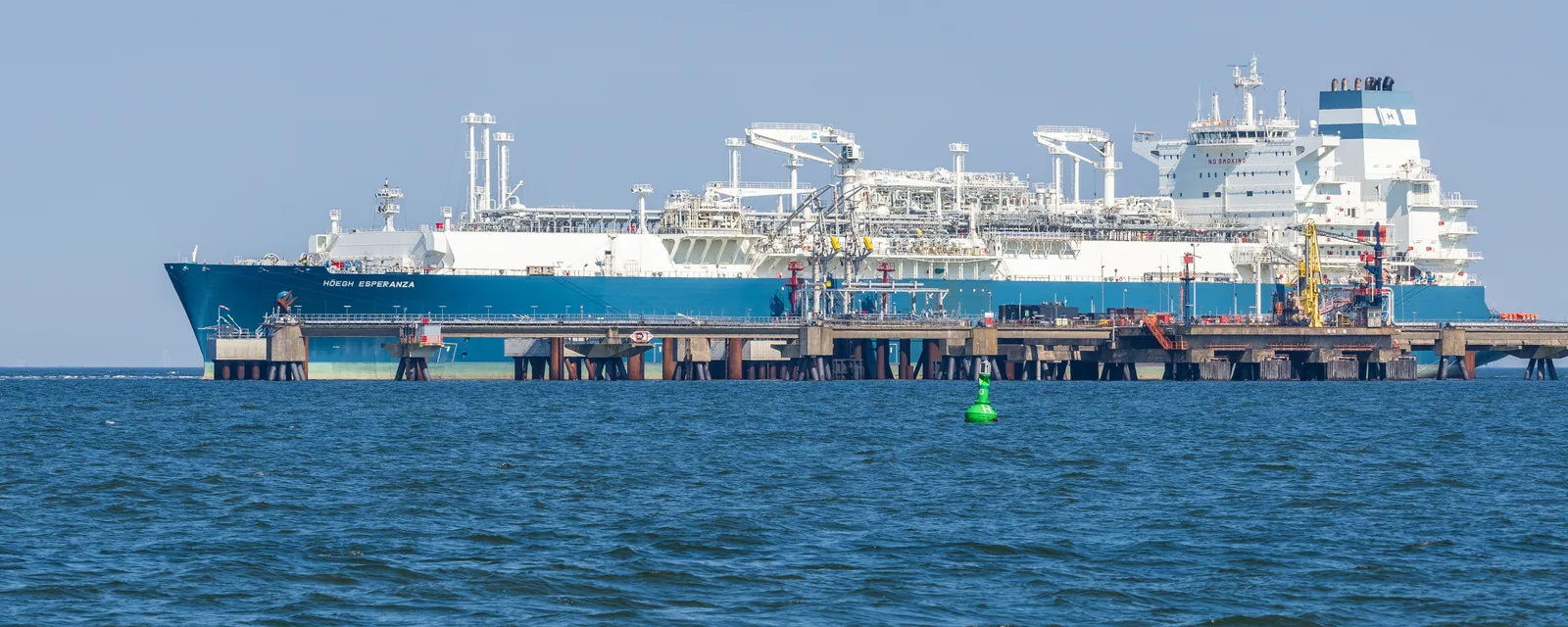
The euro area is a net importer of energy, so its energy balance was in deficit a year ago too. What changed is the size of the bill. The euro area's energy deficit widened from €20.7bn in September 2025 to €33.0bn in September 2026, the largest single change in Eurostat's product breakdown.
For the whole EU, energy imports rose 51.3 percent on the year in September, to €51.5bn. Energy exports also rose, by 39.5 percent, but from a far smaller base of €13.9bn, so the EU's energy deficit grew from €24.1bn to €37.6bn. Imports from Norway jumped 60.1 percent.
The cause is the conflict around Iran and the Strait of Hormuz, through which about a fifth of global oil exports passed before the war, according to The National. Brent crude, the international benchmark, ended every week from 11 September to 30 October above $100 a barrel, and finished October at $117.64. It has since dropped back, to $95.84 on 13 November, after hopes of US-Iran peace talks knocked prices in early November, but September's import bill was paid at the higher prices.
A weaker euro adds to the cost, because oil is priced in dollars. The European Central Bank's reference rate averaged $1.1513 in September, down from $1.1593 in August, and fell further to an average of $1.1202 in October. Each step down means Europe pays more euros for the same barrel.
Factory Goods and the Big Trading Partners
Energy explains most of the swing, but not all of it. The euro area's biggest export strength, machinery and vehicles, is shrinking. Its surplus in that category narrowed from €10.0bn to €3.0bn in September.
For the EU, the detail is telling: machinery and vehicle exports rose 8.0 percent, but imports in the same category rose 22.5 percent. Chemicals also weakened, with EU exports down 13.5 percent and the surplus falling from €26.0bn to €19.0bn.
The partner breakdown shows the same squeeze from two sides. EU exports to the United States, its largest export market in September, fell 10.6 percent to €47.7bn in September, while imports from the US rose 14.7 percent. The EU's surplus with America roughly halved. At the same time imports from China rose 12.2 percent and the deficit with China widened.
| EU partner, September | Exports | Imports | Balance 2026 | Balance 2025 |
|---|---|---|---|---|
| United States | €47.7bn (-10.6%) | €36.8bn (+14.7%) | +€10.9bn | +€21.3bn |
| China | €16.5bn (-1.4%) | €58.2bn (+12.2%) | -€41.7bn | -€35.2bn |
| United Kingdom | €33.5bn (+13.9%) | €14.8bn (+10.8%) | +€18.7bn | +€16.1bn |
| Norway | €6.3bn (+8.4%) | €12.6bn (+60.1%) | -€6.3bn | -€2.1bn |
There were bright spots. Sales to the United Kingdom rose 13.9 percent and to Switzerland 14.9 percent, lifting the surpluses with both.
Why Seasonal Adjustment Matters
The headline numbers are not seasonally adjusted, so they compare September with September. Eurostat also publishes adjusted figures that allow month-to-month comparison. On that basis, euro area exports rose 2.0 percent from August and imports 2.3 percent, leaving a deficit of €8.7bn, a little wider than August's €7.8bn. Over July to September the adjusted deficit totalled €17.9bn. The deficit, in other words, is not a one-month blip.
What a deficit means for the euro area
- A goods deficit means more euros flow out to pay for imports than flow in from exports, mostly to pay for energy priced in dollars.
- Net exports count towards economic growth, so a falling trade balance subtracts from output.
- The bloc's main export strengths, machinery, vehicles and chemicals, are earning smaller surpluses than a year ago.
- Lower oil prices since late October would ease the energy bill in later months, if they last.
The next release, covering October, is due on 16 December. It will show whether October's higher oil prices, paid with a weaker euro, widened the gap further before November's slide in crude offers some relief.
Sources
- Eurostat: Euro area international trade in goods deficit €10.3 bn (13 November 2026)
- The National: Oil surges above $95 on renewed US-Iran fighting and Hormuz disruption concerns (2 September 2026)
- European Central Bank: Euro reference exchange rate, US dollar
- Yahoo Finance: Brent crude futures historical prices