US consumer price inflation rose to 3.7 percent in September from 3.4 percent in August, beating the 3.6 percent forecast, as a 34.2 percent annual jump in petrol prices fed through. Core inflation also beat expectations, and traders sharply raised the odds of another Federal Reserve rate rise this month.
The figures, published by the Bureau of Labor Statistics on 14 October, showed consumer prices up 0.6 percent on the month, in line with forecasts. The surprise lay in the annual rate and in the core measure, which strips out food and energy.
US consumer prices, September
- 3.7% headline inflation, up from 3.4% in August
- 2.6% core inflation, up from 2.4%
- 34.2% annual rise in petrol prices
Energy Drove the Jump
Energy was the main force behind the headline figure. Energy prices rose 5.2 percent in September alone, after 2.1 percent in August, and were 20.4 percent higher than a year earlier, up from 16.3 percent the month before.
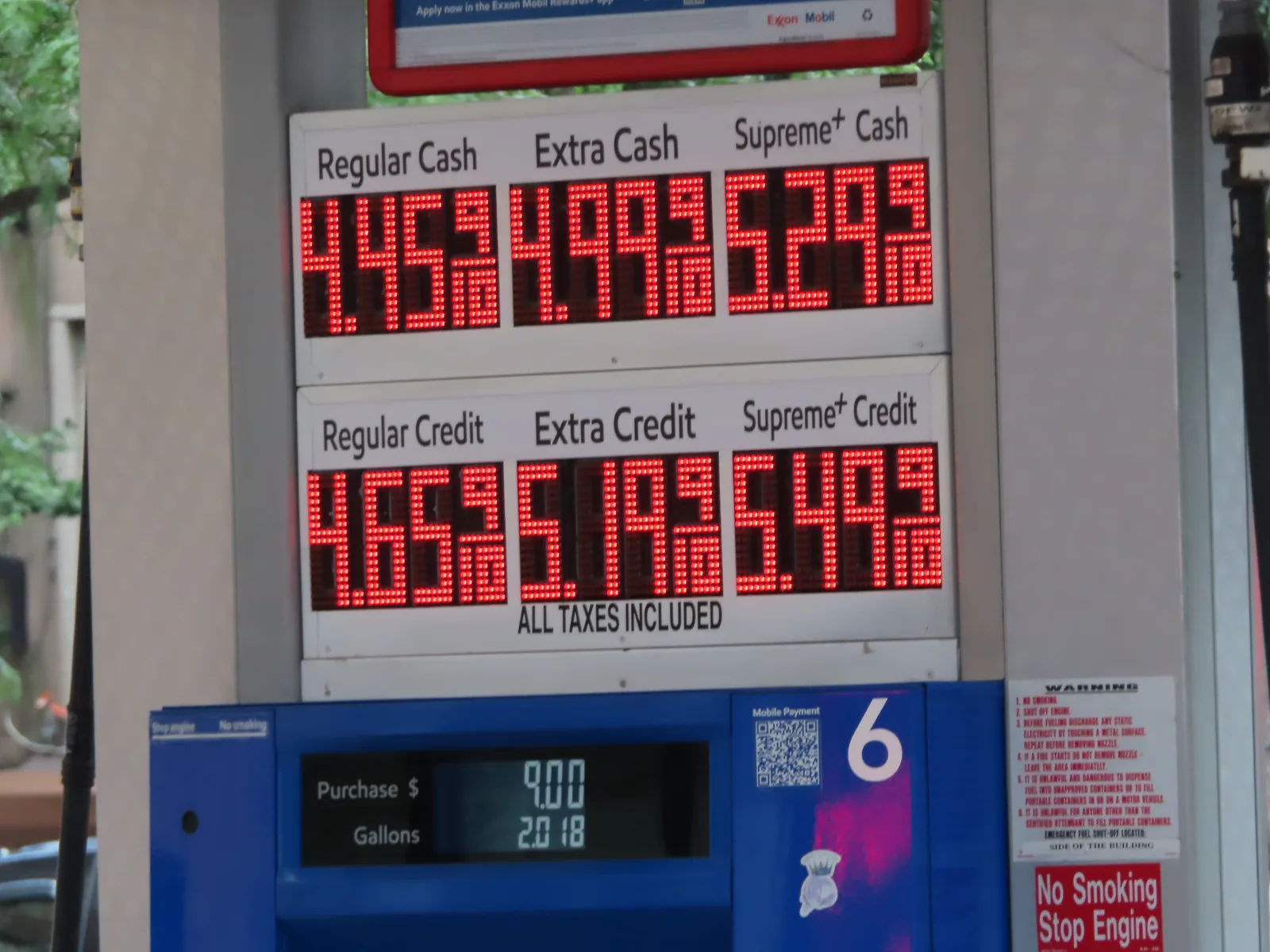
Petrol, the item households notice first, rose 9.1 percent on the month and 34.2 percent on the year. In August the annual increase had been 27.4 percent.
Food offered some offset. Food prices were flat on the month and up 2.5 percent on the year, slower than August's 2.7 percent. Prices for food at home rose 1.8 percent over 12 months, while restaurant and other food away from home rose 3.5 percent.
Core Inflation Turned Higher
The Fed pays closest attention to the underlying trend, and that also moved the wrong way. Core consumer prices rose 0.33 percent in September, against a forecast of 0.2 percent, lifting the annual core rate to 2.6 percent from 2.4 percent. Economists had expected 2.5 percent.
August's 2.4 percent had been the lowest core reading since March 2021, so September broke a run of easing. Shelter costs, the largest component of core, rose 0.4 percent on the month and 3.2 percent on the year, up from 3.0 percent.
So-called supercore inflation, which covers services excluding energy and housing, rose to about 3.13 percent from 3.02 percent. That measure is watched as a guide to wage-driven price pressure, and its rise suggests the effects of higher energy costs are not confined to the pump.
| Measure | August | September | Forecast |
|---|---|---|---|
| Headline CPI, year on year | 3.4% | 3.7% | 3.6% |
| Core CPI, year on year | 2.4% | 2.6% | 2.5% |
| Core CPI, month on month | 0.3% | 0.33% | 0.2% |
| Energy, year on year | 16.3% | 20.4% | n/a |
Markets Price a Higher Chance of an October Hike
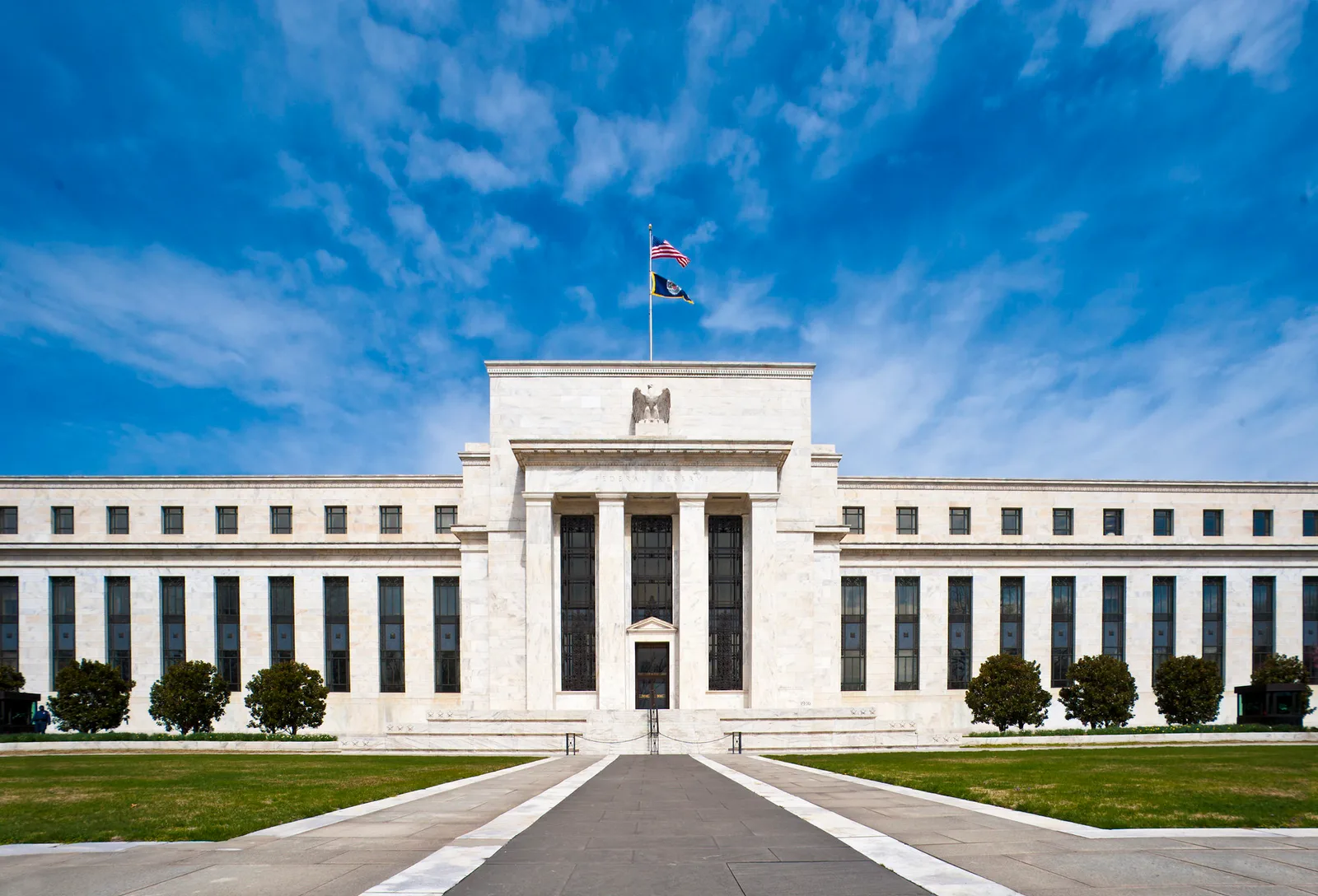
The Fed raised its target range by a quarter point to 3.75 percent to 4 percent on 16 September, in a unanimous vote. Its statement said inflation remained elevated and that the increase should help return it to the 2 percent goal sooner.
After the September data, futures pricing for a further rise at the Fed's 27 to 28 October meeting jumped from about 21 percent to about 47 percent. Markets also lifted the amount of tightening priced in for the rest of 2026 from about 27 basis points to 36 basis points.
Two-year Treasury yields, the most sensitive to policy expectations, rose about 13.5 basis points. S&P 500 futures fell, though the move was relatively contained.
Why the Numbers Matter in Europe
The dollar strengthened broadly on the release and the euro fell immediately. The reason is the gap in interest rates. The European Central Bank raised its deposit rate to 2.50 percent with effect from 16 September, which leaves US policy rates 125 to 150 basis points higher. Any further Fed move widens that gap and tends to support the dollar against the euro.
A stronger dollar has two sides for European readers. It helps exporters that sell in dollars, but it raises the euro cost of dollar-priced commodities, oil included, at a time when energy is already the main source of inflation on both sides of the Atlantic.
Higher US yields also tend to pull European government bond yields up with them, which feeds into borrowing costs for governments and households.
The next reference point is the Fed's October meeting. With headline inflation at 3.7 percent and core moving up again, the September report made a second consecutive hike a much closer call than it looked a month ago.
Sources
- investingLive: US September CPI 3.7% vs 3.6% expected
- US Inflation Calculator: US CPI Sept 2026: Inflation Hits 3.7% as Gas Prices Surge
- Federal Reserve: Federal Reserve issues FOMC statement, 16 September 2026
- Federal Reserve: Meeting calendars and information
- European Central Bank: Key ECB interest rates