Agnico Eagle, Canada's largest gold producer, aims to hire about 10,000 people by 2030 and expects to spend more than US$3.5bn on its mines next year as it chases output of more than 4m ounces a year in the early 2030s. The plan lands in the week gold fell to its lowest since September 2025. At an investor briefing in Toronto on Wednesday 18 November, its finance chief said gold at US$3,500, or even US$3,000, would change nothing.
Agnico Eagle's growth bill in three numbers
- 10,000 people the company aims to hire by 2030, according to The Northern Miner
- US$3.5bn+ capital spending expected in 2027, including growth projects and capitalised exploration
- US$3.4bn net cash at 30 September 2026, with total debt of just US$197m
What Agnico Eagle plans to build by the early 2030s
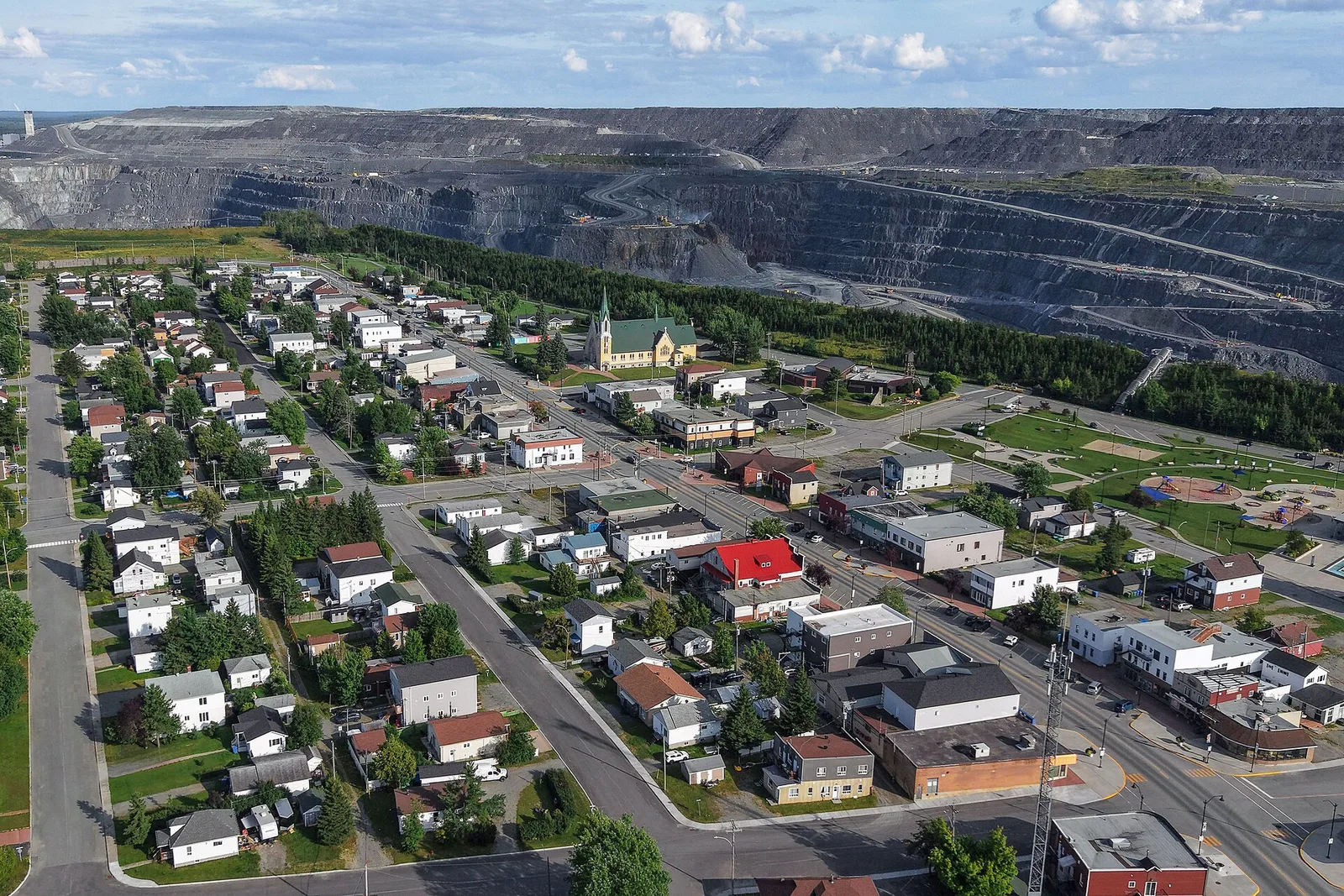
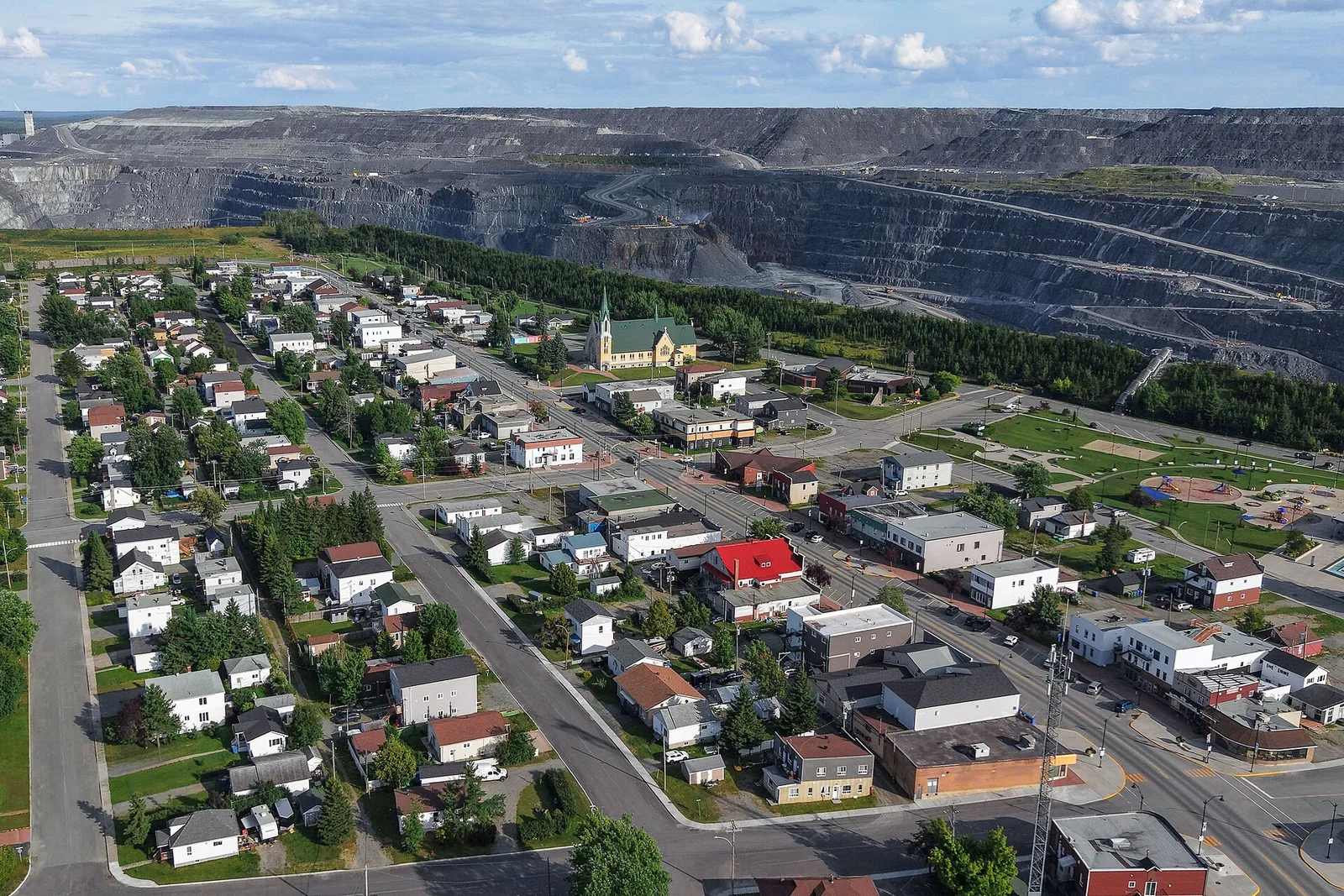
Agnico wants to lift yearly gold output by 20% to 30% over the next decade, with a first step up in 2030 and the potential to pass 4m ounces in the early 2030s, it said on 28 October. Almost all the growth sits where it already has mills, roads and crews.
| Project | Where | Yearly output guided | Timing |
|---|---|---|---|
| Detour Lake, adding an underground mine | Ontario | about 1m oz for the whole operation | by 2030 |
| Canadian Malartic: Odyssey, Marban, Wasamac | Quebec | towards 1m oz for the whole operation | from as early as 2033 |
| Hope Bay | Nunavut | 400,000 to 435,000 oz | first gold in 2030 |
| Upper Beaver | Ontario | 200,000 to 225,000 oz, plus 3,600 t of copper | project update in 2027 |
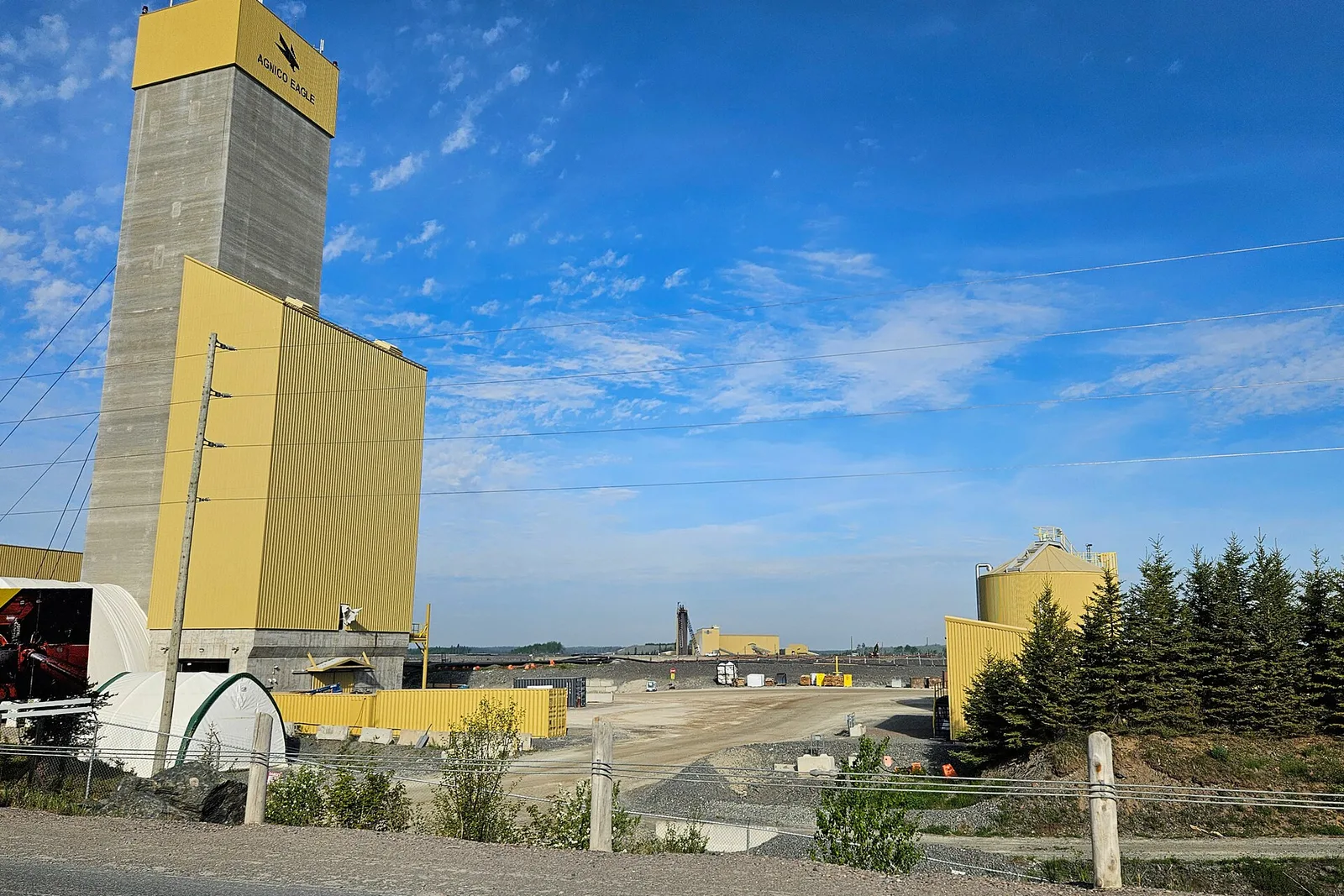
Hope Bay, in the Arctic, was about 13% built at the end of September. At Canadian Malartic, the first shaft of the Odyssey underground mine is due to start production in the second quarter of 2027.
Why Agnico Eagle's US$3.5bn spending plan matters
For 2026 Agnico guided capital spending of US$2.6bn to US$2.8bn, plus US$290m to US$330m of capitalised exploration, or US$2.89bn to US$3.13bn in all. Chief financial officer Jamie Porter said 2027 spending would exceed US$3.5bn, including growth projects and capitalised exploration, The Northern Miner reported. That is at least 12% above the top of this year's combined range. The report gave no split between new projects and upkeep of existing mines.
Upkeep is already costing more: sustaining capital rose from US$237m in the second quarter to US$287m in the third, including US$96m at Detour Lake. Then there is the hiring: finding about 10,000 workers, many of them for remote northern sites, is a project of its own.
What lower gold prices mean for Agnico Eagle
At the briefing, Stifel analyst Ralph Profiti asked whether US$3,500 gold would force Agnico to delay projects or cut exploration. "So, really nothing changes at $3,500 gold. I'd suggest nothing changes at $3,000 gold," Mr Porter replied.
The test came quickly. On Friday 20 November gold touched US$3,513.54 an ounce, its lowest since September 2025, and traded at US$3,576.25 at 9:59 a.m. Toronto time, according to The Northern Miner. Traders put the odds of a quarter-point US rate rise in December at 99%, on CME FedWatch data, after Fed minutes signalled more hikes. The VanEck Gold Miners ETF, a basket of big producers, closed Thursday 12% below the previous Friday.
The maths is simple. In the third quarter Agnico sold gold at an average US$4,264 an ounce against all-in sustaining costs (the full cost of keeping its mines running, per ounce) of US$1,648, a margin of US$2,616. At Friday morning's price the same costs would leave about US$1,928, roughly 26% less. It is still wide, but it shows why gold miners fall harder than gold: costs stay put while the selling price moves.
The bull case and the bear case for Agnico Eagle
The bull case is the balance sheet. At 30 September Agnico held US$3,613m of cash against US$197m of debt, and it has since enlarged its unsecured credit line to US$3bn. In the third quarter it produced US$852m of free cash flow and returned US$478m to shareholders, including about US$250m of buybacks at an average US$192.60 a share. It had 505,999,563 shares in issue.
The bear case is in the fine print. Agnico says its forecasts for Detour Lake underground, Upper Beaver, Hope Bay and the Malartic expansion rest on internal evaluations that are preliminary and include inferred resources, the least certain kind of mineral estimate. Costs are running hot: 2026 all-in sustaining costs are expected near the top of the US$1,400 to US$1,550 range, partly because of diesel. Output is expected near the bottom of the 3.3m to 3.5m ounce range after part of the north wall of Malartic's Barnat pit moved on 1 July. Across the industry, all-in sustaining costs rose 22% year on year in the second quarter, the steepest rise since 2013, according to the World Gold Council.
What Agnico Eagle investors should watch next
Dates on Agnico Eagle's calendar
- Fourth quarter of 2026: Upper Beaver's environmental impact statement goes to the federal Impact Assessment Agency
- First quarter of 2027: expected approval of the Hope Bay water licence amendment
- Second quarter of 2027: first production through Odyssey Shaft 1 at Canadian Malartic
- 2027: a project update on Upper Beaver
Agnico's 2027 guidance will show how the spending splits between growth and upkeep, and what gold price it assumes.
How many people will Agnico Eagle hire?
Agnico Eagle aims to hire about 10,000 people by 2030, The Northern Miner reported in November 2026, as part of a plan to lift annual gold output by as much as 30% over the next decade.
How much will Agnico Eagle spend in 2027?
Agnico Eagle expects capital spending of more than US$3.5bn in 2027, including growth projects and capitalised exploration, its finance chief said on 18 November 2026.
Will lower gold prices delay Agnico Eagle's projects?
No, according to the company. On 18 November 2026 its finance chief said nothing changes at US$3,500 or even US$3,000 gold, though higher drilling rates could put off some exploration.