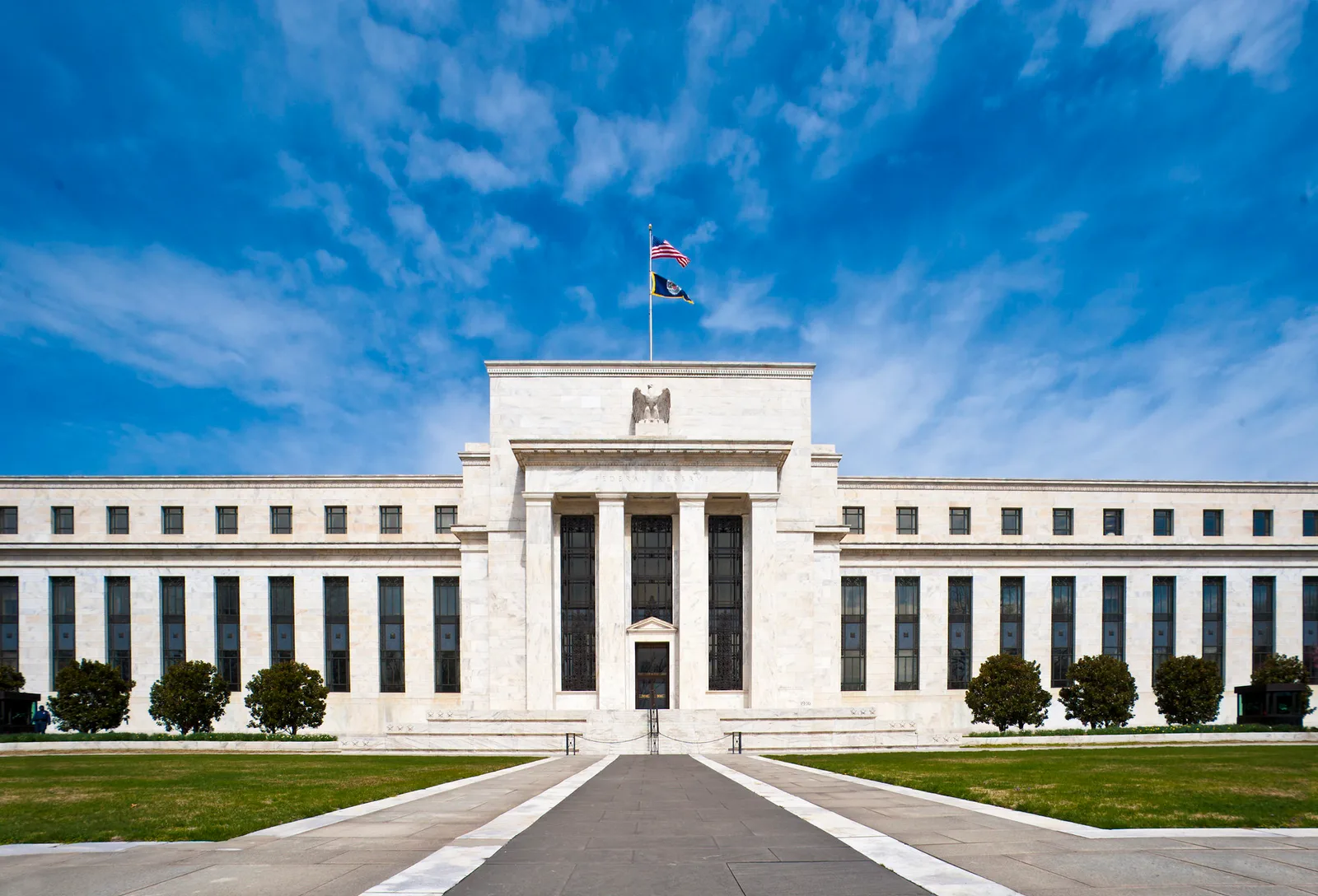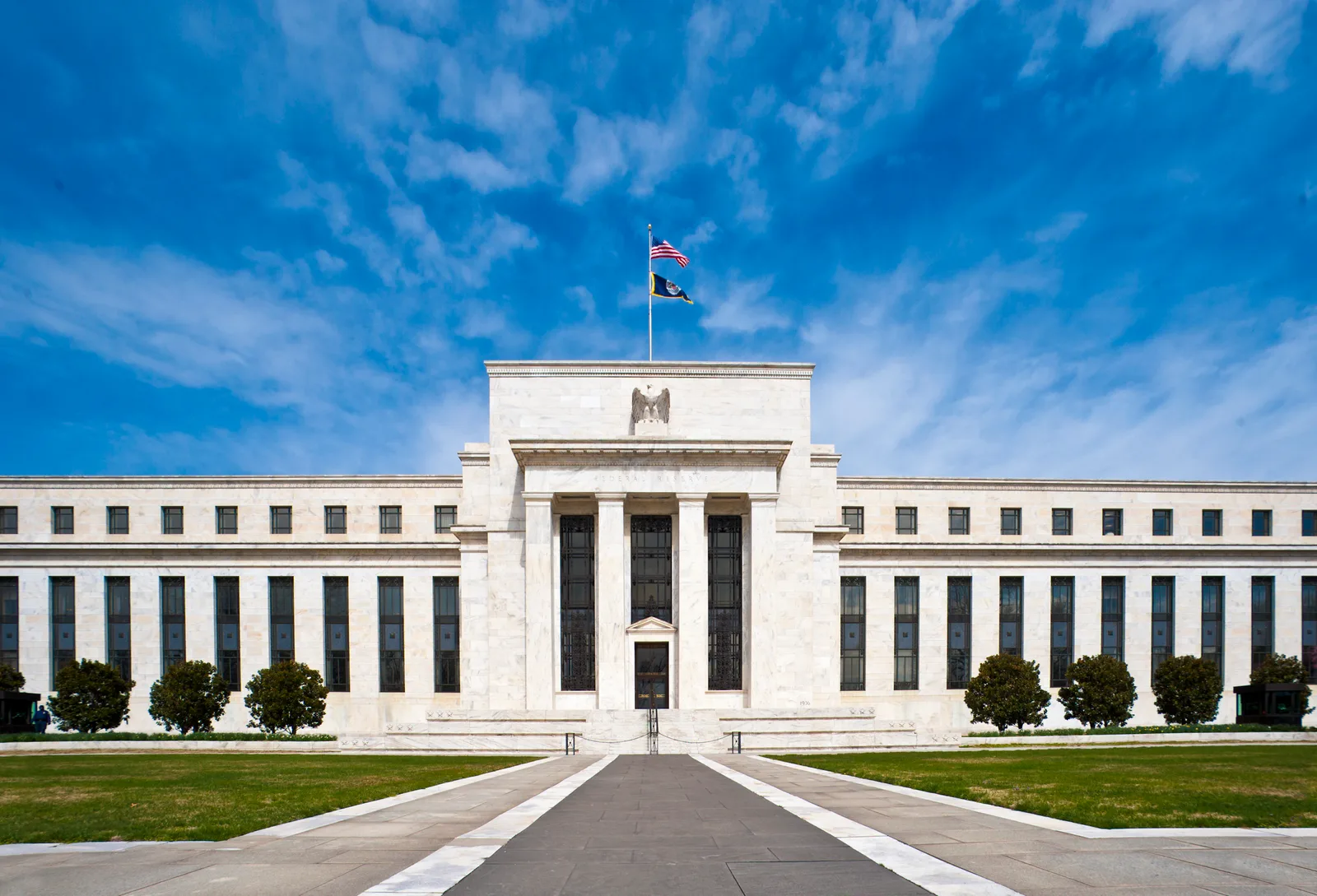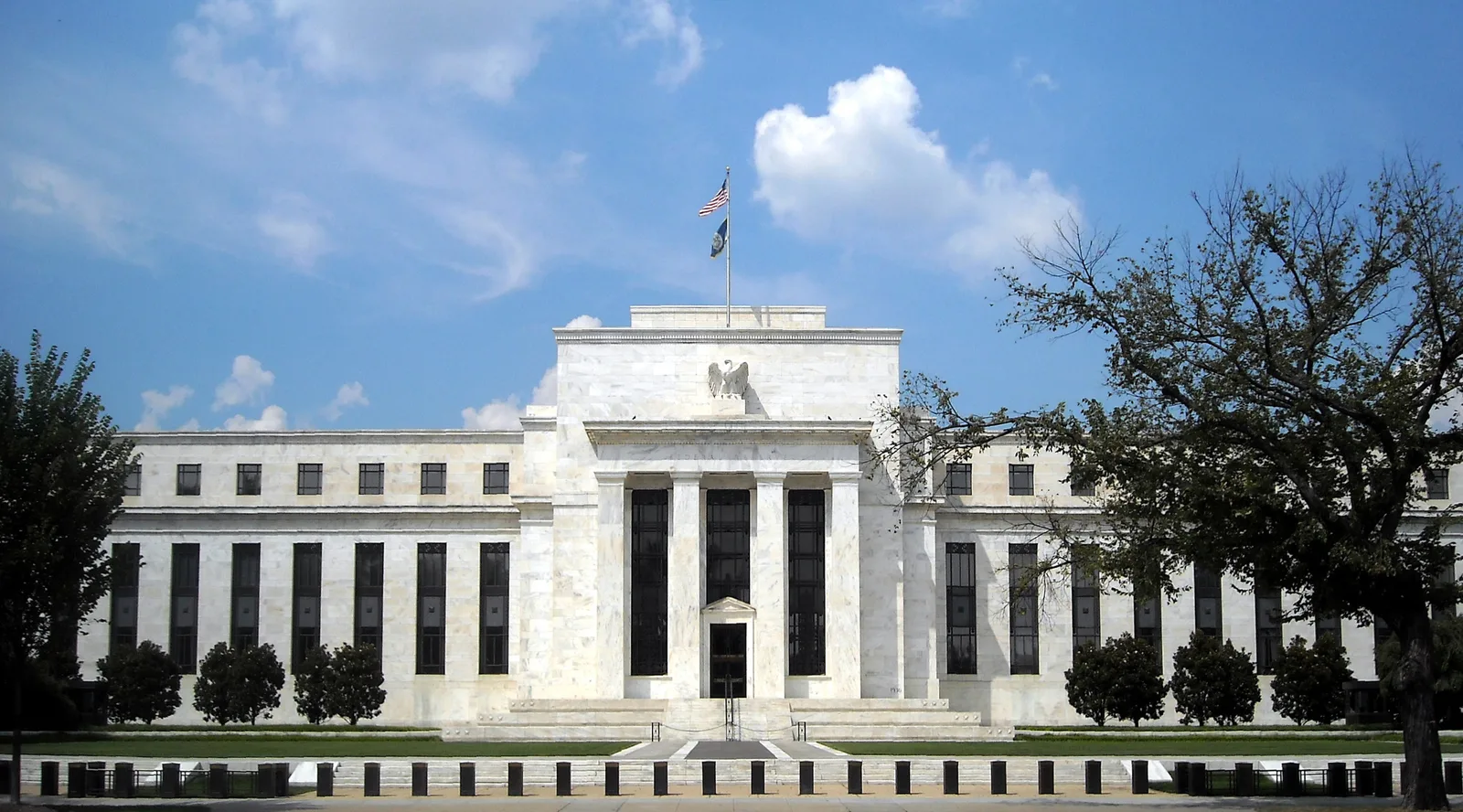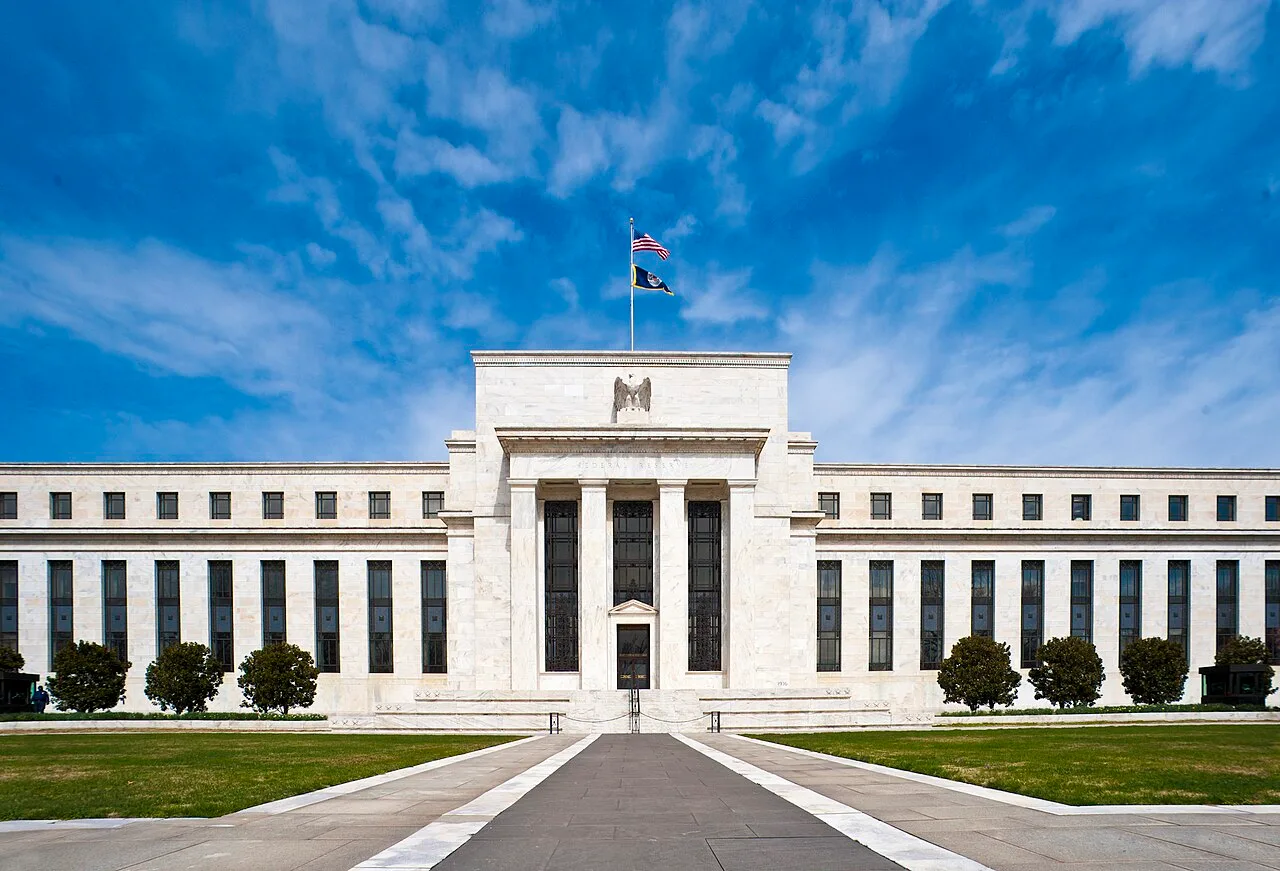
Minutes of the Federal Reserve's October meeting, published on Wednesday 18 November, show almost all US rate-setters expect to raise interest rates again, and a couple think December's rise may need to be bigger than a quarter point. Hours earlier, Fed Governor Christopher Waller said the Fed might need to "shock people" with a half-point move, warning that inflation is spreading. Markets now treat a December rise as close to certain; the argument is over its size.
The Fed before December
- 3.75% to 4% The Fed's target range, held on 28 October in a 10-2 vote
- 92.7% Futures-implied chance of a quarter-point rise on 9 December
- 4.80% The US 2-year Treasury yield at Wednesday's close
What the Fed minutes say about a December rate hike
The Fed kept its target range at 3.75% to 4% on Wednesday 28 October, a month after its first rise since 2023. The minutes show the hold was closer than the vote suggested.
Two officials, Governor Lisa Cook and Cleveland Fed president Beth Hammack, voted against the October decision because they wanted a quarter-point rise. They had company. "Some participants" favoured an increase of 25 basis points at that meeting (a basis point is a hundredth of a percentage point), and a few who backed the hold described it as "a close call".
Looking ahead, almost all participants judged that further rate rises "would likely be appropriate" to bring inflation back to the 2% target in good time. A couple went further: an increase of more than 25 basis points "could warrant consideration" in December if incoming inflation data were unfavourable. A few of the officials who wanted to move in October had warned that the next inflation release was likely to disappoint.
What the minutes reveal
- Inflation on the PCE measure, the Fed's preferred gauge, rose to 3.6% in September, staff estimated, with core at 3.1%.
- The vast majority of officials saw upside risks to inflation, citing high energy prices and tight supplies of refined fuels.
- Home loan activity fell further as mortgage rates rose sharply, the minutes say.
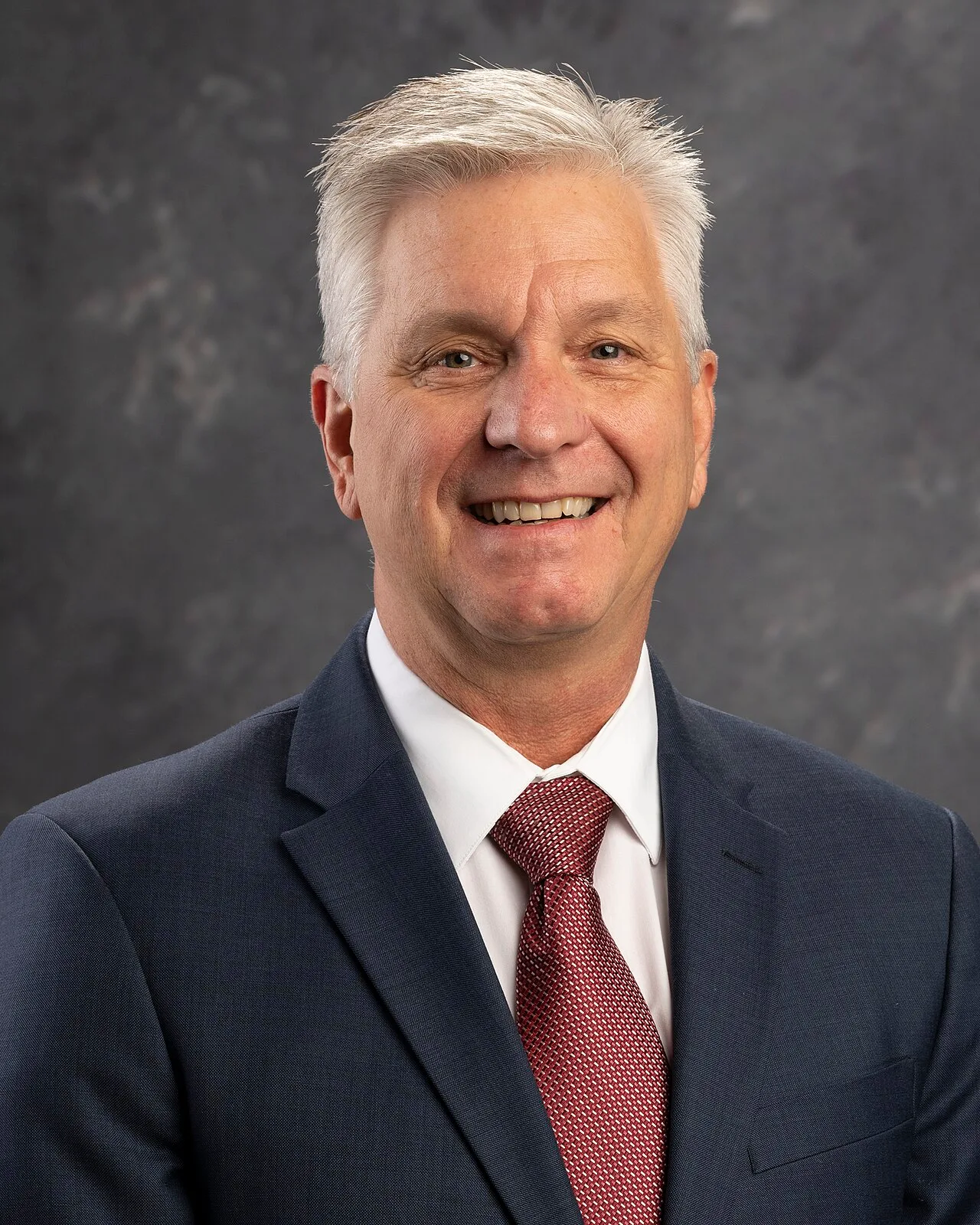
Why Christopher Waller wants a half-point rate rise
Waller made his case on CNBC's Squawk Box early on Wednesday. "I'm very, very concerned about inflation. It's kind of headed in the wrong direction, and it's spreading out," he said, according to MortgagePoint. "You might need to, like, shock people."
He pointed to core inflation, which strips out food and energy, running at about a 3.5% annual rate over the past three months, the Associated Press reported. Businesses, he said, increasingly seem willing to pass on their own rising costs and believe customers can absorb price rises of about 3%. "That's the kind of psychology I think we need to start breaking," he said.
A quarter-point rise in December could do the job, he said, if the Fed made clear another was coming in January. Fed chair Kevin Warsh has avoided such guidance, saying it locks the Fed into a set path, the AP reported. "If you're not going to signal this very clearly to markets, you're going in January, my view is then you have to go 50 [basis points] in December to put it in place and get it done," Waller said. He also wants to take back the Fed's three "insurance" cuts of 2025, and possibly go further.
Waller himself voted with the majority to hold in October, the minutes' voting list shows. Not everyone shares his urgency. John Williams, president of the New York Fed and vice chair of the rate-setting committee, told Axios on Tuesday: "I don't think the situation calls for dramatic action."
What a Fed rate hike means for mortgages, savings and the dollar
After Waller spoke, futures put the chance of a quarter-point rise on Wednesday 9 December at 92.7%, down from 96.9% a day earlier, and the chance of a half-point move at 7.3%, up from 3.1%, according to CME Group's FedWatch tool as reported by Seoul Economic Daily.
For borrowers, the squeeze goes on. US mortgage rates have topped 7% in recent months, the AP reported, and Fed rises feed through over time to car loans and credit cards. Savers sit on the other side: the Fed pays 3.90% on banks' reserves and 3.75% on overnight cash from money market funds, rates that move with its target range.
| Market | 28 October | 18 November |
|---|---|---|
| US 2-year Treasury yield | 4.67% | 4.80% |
| US 10-year Treasury yield | 5.05% | 5.07% |
| US 30-year Treasury yield | 5.37% | 5.41% |
| Euro in dollars (ECB reference rate) | $1.1133 | $1.0968 |
The minutes say widening gaps between US interest rates and those in other rich economies helped push the dollar higher. The euro slipped below $1.10 this week, and the European Central Bank's reference rate on Wednesday was $1.0968, down 1.5% since the October meeting.
Why the Fed is worried about AI debt
Artificial intelligence runs through the minutes. Fed staff highlighted the rapid growth of debt tied to the AI buildout, warning that off-balance-sheet leasing commitments and "circular financing arrangements among AI-related firms could amplify losses" if AI investments fail to pay off. Most officials noted that much of that debt had been raised "through complex and opaque financing structures".
In the weeks before the meeting, two leading AI firms reported revenue growth below investor expectations and a hyperscaler, one of the giant cloud computing groups, unveiled spending plans that needed more borrowing than investors had expected, the minutes say. Spreads on high-yield bonds sold to fund data centres, the extra interest investors demand over government debt, widened especially sharply. Several officials also worried that supervisors' data may not fully capture banks' indirect exposure, including credit lines to private credit funds.
Will the Fed raise interest rates in December 2026?
Markets expect so. On 18 November, futures put the chance of a quarter-point rise on Wednesday 9 December at 92.7% and of a half-point rise at 7.3%, according to CME Group's FedWatch tool.
What did Christopher Waller say about a half-point rate hike?
Fed Governor Christopher Waller told CNBC on Wednesday 18 November that the Fed may need to "shock people" with a half-point rise in December unless it clearly signals another increase for January.
When is the next Fed meeting?
The Fed's rate-setting committee next meets on Tuesday 8 and Wednesday 9 December 2026.
Sources
- Federal Reserve: Minutes of the Federal Open Market Committee, October 27-28, 2026
- Associated Press via KSAT: Fed minutes: Higher interest rates needed in December as inflation worries mount
- MortgagePoint: Fed Governor: Central Bank May Need to 'Shock People' With Half-Point Rate Hike
- Seoul Economic Daily: Fed's Waller Again Floats Half-Point Hike, Says Shock May Be Needed
- US Department of the Treasury: Daily Treasury Par Yield Curve Rates
- European Central Bank: Euro foreign exchange reference rates
- European Central Bank: US dollar (USD) reference rate history