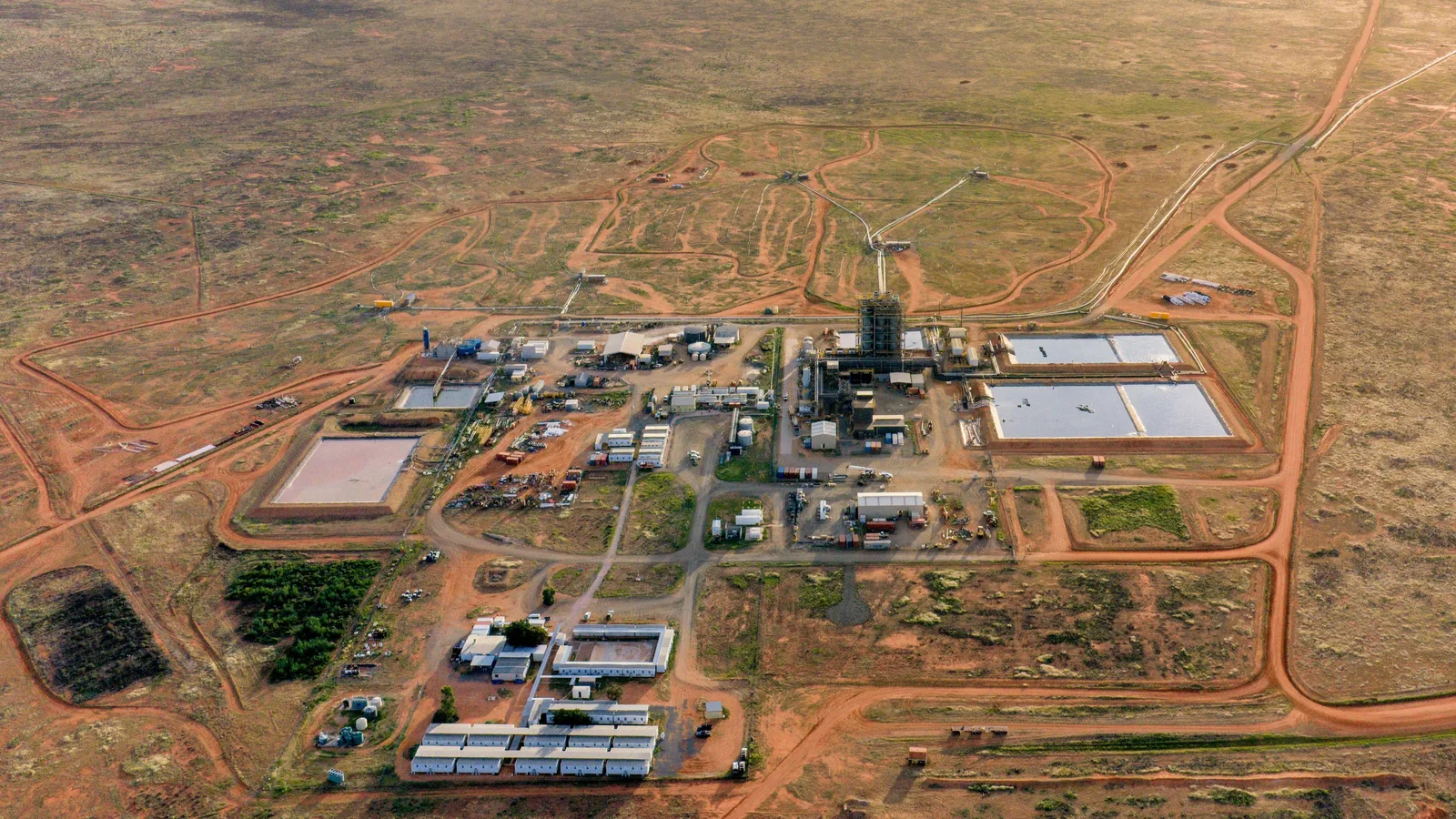
Boss Energy is an Australian uranium producer with a debt-free balance sheet and a large stockpile of uranium. It is also in the middle of a difficult change: this year it is producing less while it moves its Honeymoon mine to a new wellfield design that it says will lower costs and support production into the next decade.
What Boss Owns
Boss is listed on the ASX under BOE and trades in the US on the OTCQX market as BQSSF. It has two producing assets.
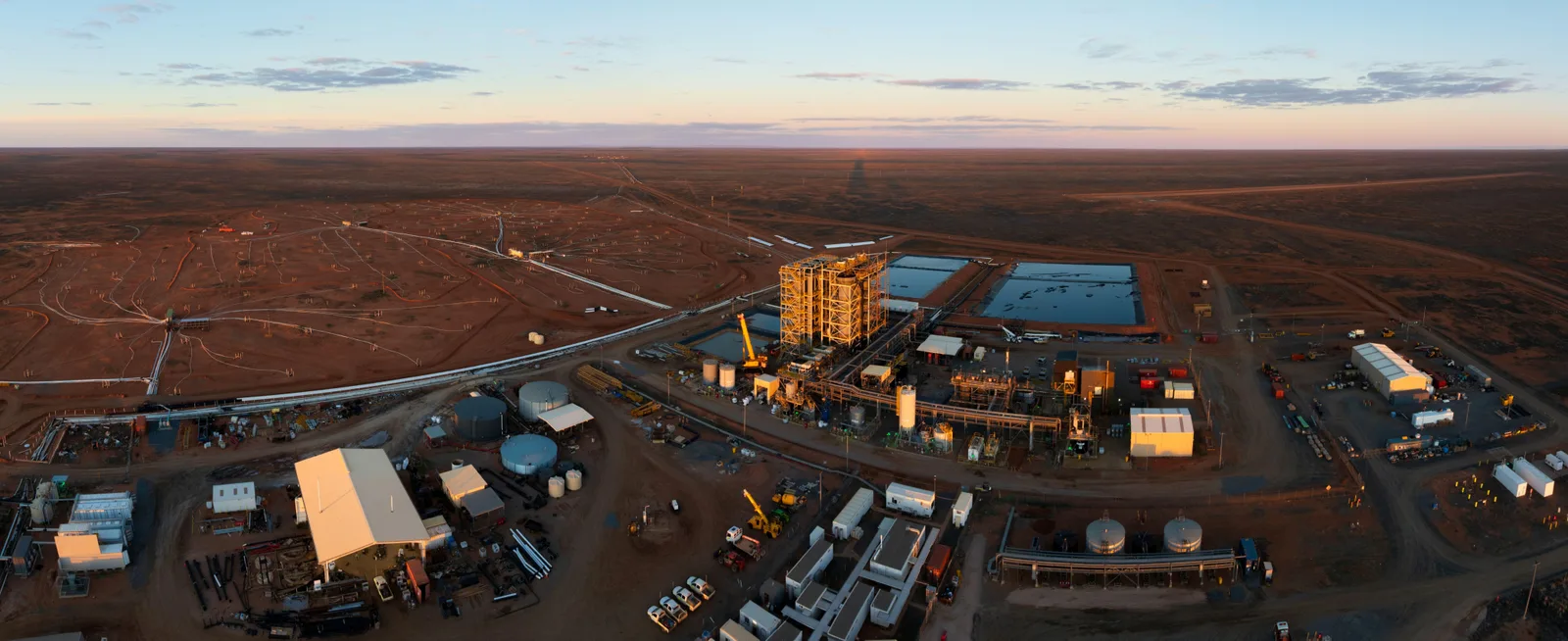
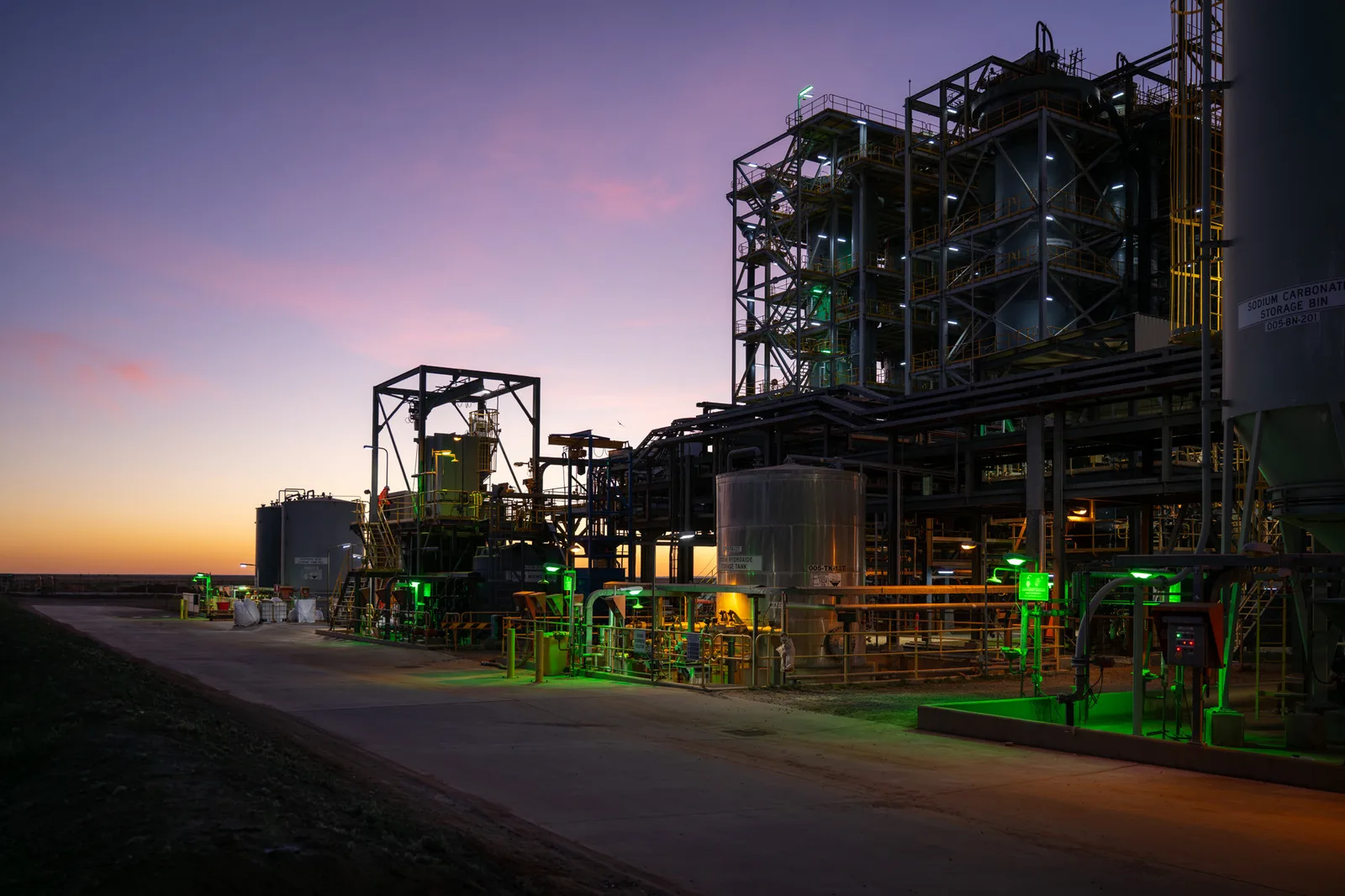
Honeymoon, in South Australia, is an in-situ recovery (ISR) mine. Instead of digging ore, the operator pumps a leach solution through the underground orebody, dissolves the uranium and recovers it at a processing plant, where it is dried and packed into drums. The year to June 2026 was the first full year in which Boss's sales came mainly from its own Honeymoon output rather than from purchased uranium.
Alta Mesa, in South Texas, is a joint venture in which Boss holds 30% and enCore Energy holds 70% and operates the mine. Around Honeymoon, Boss is also studying two satellite deposits, Jason's Deposit and Gould's Dam, which it wants to feed into the same plant.
Boss Energy: share price, chart and news
A Profitable Year, Then a Transition Year
In the year to June 2026 Boss doubled its sales revenue to A$151.1 million from A$75.6 million, selling 1.4 million pounds of uranium oxide at an average of A$111 a pound (US$74.4). It turned a net loss of A$34.2 million in the previous year into a net profit of A$2.5 million. Honeymoon's C1 cash cost was A$39 a pound and its AISC A$61 a pound.
The current year looks different. Boss has guided for 1.25 to 1.30 million pounds in the year to June 2027, at a C1 cost of A$51 to A$56 a pound and AISC of A$83 to A$92. The company links the lower output and higher costs to mine-development uncertainty since July 2025 and its decision to limit spending on older wellfields where returns did not justify more capital.
| Measure | FY2026 | FY2027 guidance | Q1 FY2027 |
|---|---|---|---|
| Production | about 1.41 Mlb | 1.25 to 1.30 Mlb | 0.36 Mlb |
| C1 cash cost | A$39/lb | A$51 to A$56/lb | A$47/lb |
| AISC | A$61/lb | A$83 to A$92/lb | A$79/lb |
| Capital spending | A$66.6m | A$58m to A$65m | A$13m |
In the September quarter Honeymoon drummed 359,335 pounds despite 19 days lost mainly to heavy rain, and costs came in below the full-year range, as Boss had expected at that point in the year.
The New Feasibility Study
In August Boss published a new feasibility study and an updated, lower mineral resource estimate for Honeymoon. The study, based on 86,670 metres of new drilling and commercial operating data, concludes that a wide-spaced wellfield design is viable. It forecasts production until at least the 2034 financial year, with about 13.8 million pounds over nine years. Boss says the wider spacing reduces life-of-mine AISC by about A$30 a pound compared with using the original spacing on the updated resource.
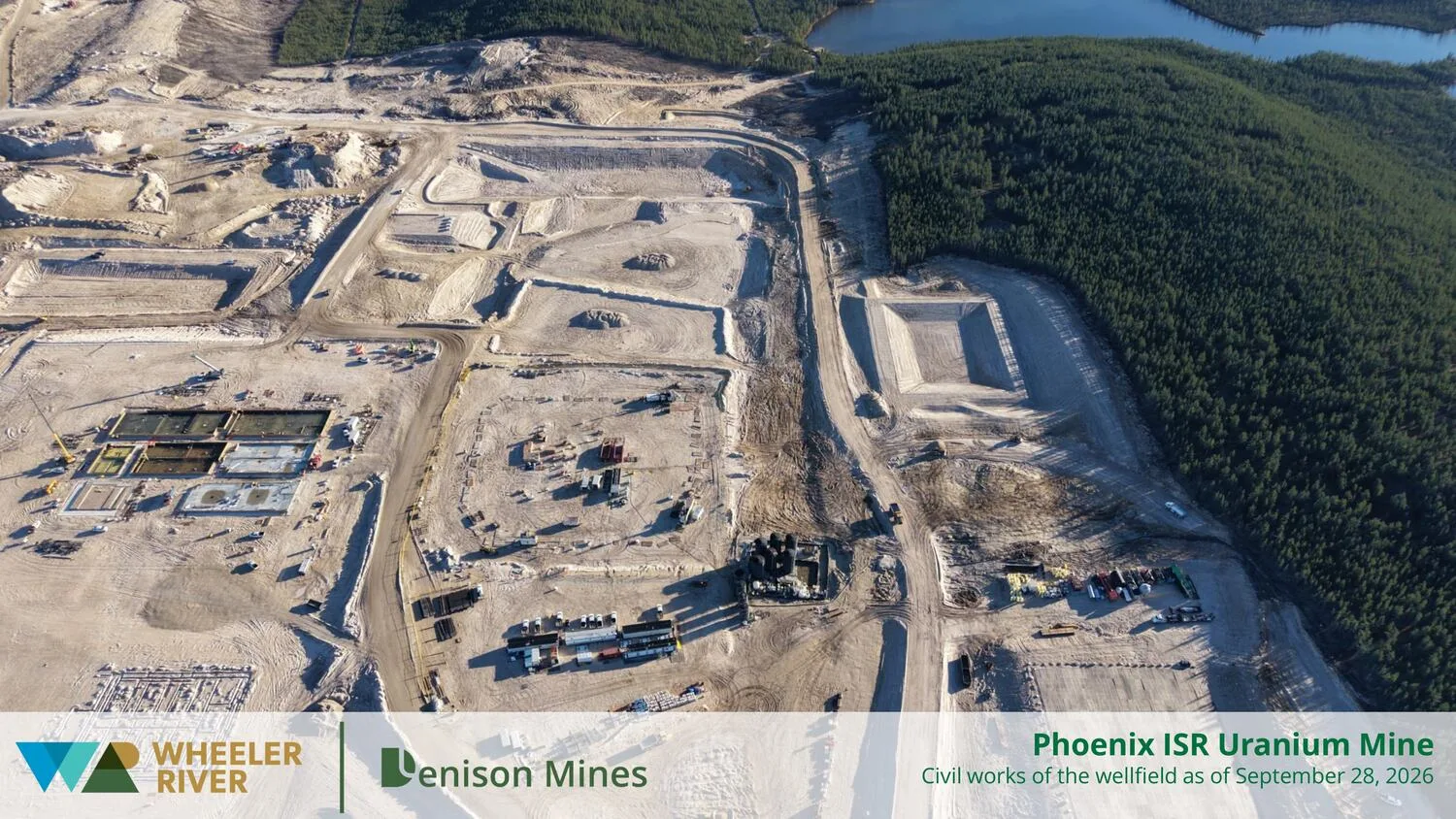
The first wide-spaced wellfield, EKT1, began flushing in the September quarter. Three more, HMT1, EKT2 and EKT3, are being built, with production expected from the March 2027 quarter to the September 2027 quarter. Water treatment plant upgrades are due by mid-2027 and early 2028.
At a market day in September, Boss went further and set out an aspiration to produce 2.5 million pounds a year at an AISC of about A$65 a pound by the early 2030s by running Honeymoon as a regional hub. The company labels this an aspirational statement, not guidance.
Balance Sheet, Shares and Risks
At 30 September 2026
- A$39.2m cash on hand
- 1.641 Mlb uranium inventory, carried at A$124.2m
- 415.2m ordinary shares on issue in October
Boss has no debt. At the end of September it held A$39.2 million in cash, A$31.4 million in listed investments and other liquid assets, and uranium inventory carried at A$124.2 million, for a total of A$194.9 million. It describes itself as strategically under-contracted, which leaves more of its sales exposed to market prices, in both directions. It expects a realised price of about US$87 to US$89 a pound in the December quarter, up from US$81.8.
The company had 415,201,654 ordinary shares and 1,817,570 performance rights on issue after a small issue of shares to employees on 16 October 2026, according to its ASX quotation notice. Peter Botten, the former long-serving chief executive of Oil Search, became chair on 30 September.
What could go wrong
- The wide-spaced wellfield design is still being proven in operation; first leaching data are only due this quarter
- The updated mineral resource at Honeymoon is lower than before, an impact the new design is meant to offset
- Costs are expected to rise through the year as solution grades fall
- Alta Mesa stopped processing in the September quarter because new wellfields were delayed by Texas permitting
- Heavy rain has already cost production days, and safety performance (an injury frequency rate of 17.8) still needs to improve
- The value of inventory and listed investments moves with uranium and share prices
- The satellite deposits need federal and state approvals before they can be mined
What to Watch Next
| When | What |
|---|---|
| 25 November 2026 | Annual general meeting, hybrid, 10:30am Perth time |
| December 2026 quarter | EKT1 final flushing and first leaching results |
| December 2026 quarter | Federal referral decision on the Honeymoon Mine Extension |
| December 2026 quarter | Alta Mesa PAA3 extension permit; PAA8 expected in the March 2027 quarter |
| March 2027 quarter | First production from wellfield HMT1 |
| By June 2027 | Jason's Deposit drilling results and stage 1 water treatment upgrade |
For investors, the coming quarters are about proof. Boss has the balance sheet to fund the change itself, but the wide-spaced wells need to perform as the study assumes before the lower-cost, longer-life case can be relied on.