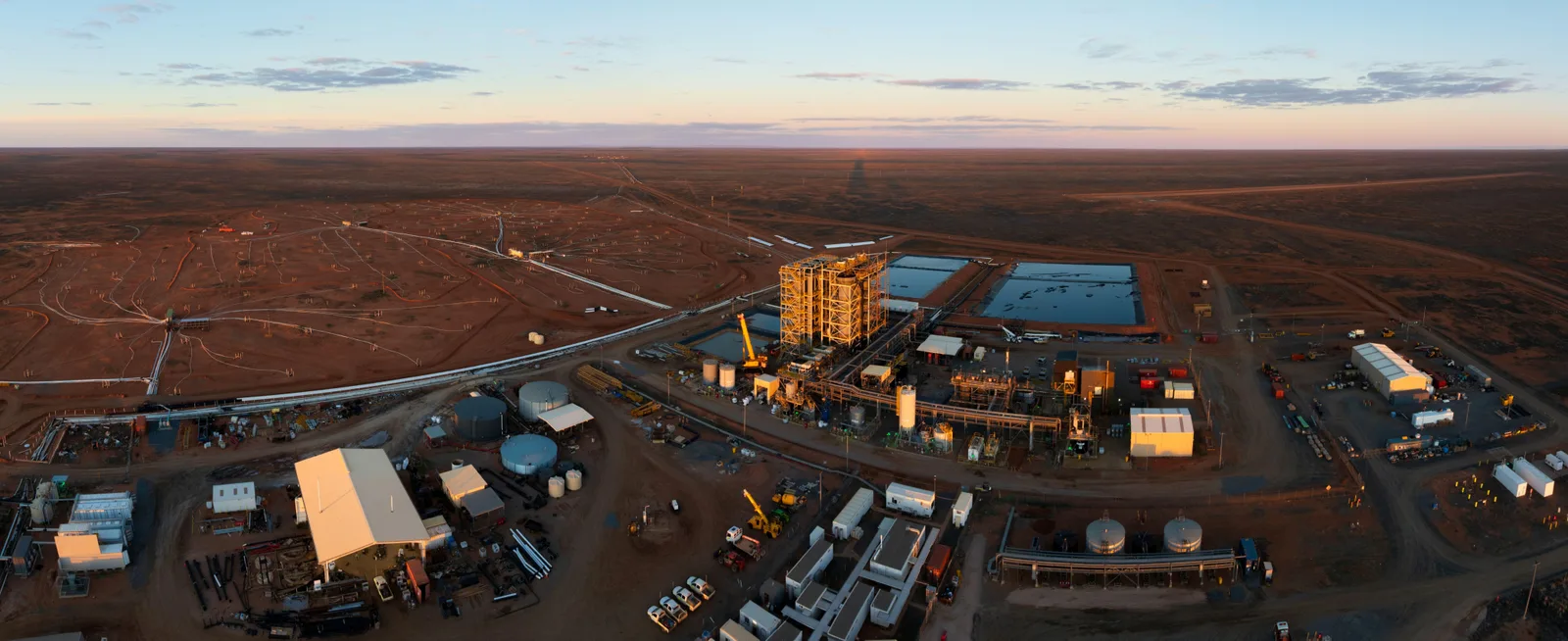
Boss Energy kept its production and cost guidance for the year to June 2027 after its Honeymoon mine in South Australia produced 359,000 pounds of uranium oxide in the September quarter, despite 19 lost production days, most of them caused by heavy rain. Cash fell as the company held back more product, and output at its Texas joint venture almost stopped.
Production Flat, Costs Below the Annual Range
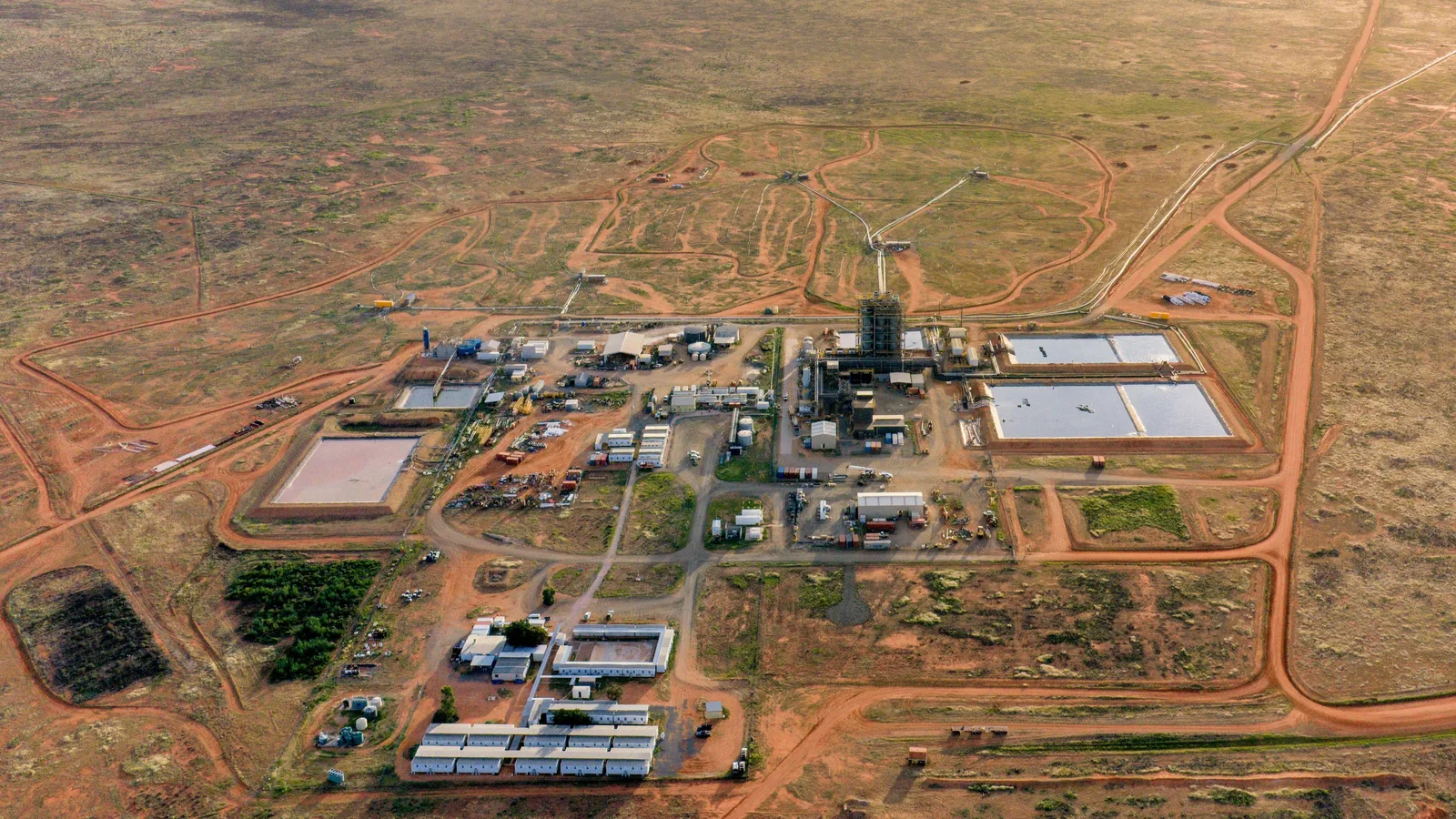
Honeymoon drummed 359,335 pounds of U3O8 in the three months to 30 September, the first quarter of Boss's 2027 financial year, down 0.8% from the June quarter. Production in the ion exchange circuit fell 9.2% to 337,093 pounds as the average uranium grade of the solution pumped from the wellfields declined by 12.6%, which the company said was expected. Record flow rates partly offset the decline, and the plant drew down in-circuit inventory.
A two-week rainfall event in August contributed most of the 19 days of lost production.
C1 cash costs were A$47 a pound and all-in sustaining costs (AISC) A$79 a pound, both below the full-year guidance ranges of A$51 to A$56 and A$83 to A$92. Boss said costs are expected to rise during the year as solution grades fall, but to stay within guidance. Capital spending was A$13 million against a full-year budget of A$58 million to A$65 million.
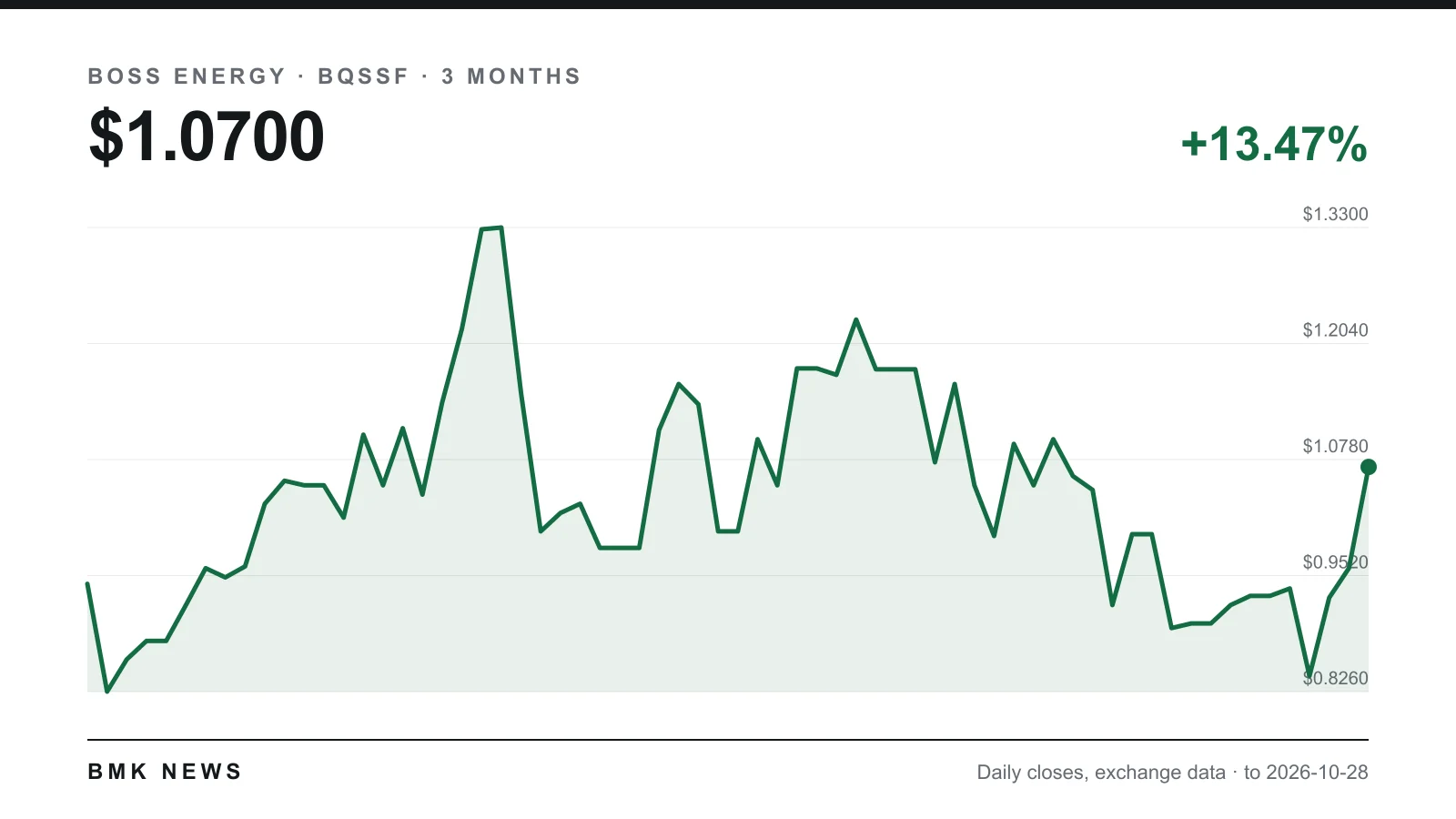
Boss Energy: share price, chart and news
Higher Prices, Lower Cash, More Inventory
September quarter 2026
- 359,335 lb U3O8 drummed at Honeymoon
- US$81.8/lb average realised price, up 9%
- A$194.9m cash, liquid investments and inventory, no debt
Boss sold 300,621 pounds for A$35.2 million, an average realised price of A$117 a pound. It expects a realised price of about US$87 to US$89 a pound in the December quarter. Deliveries under its legacy contract, which typically achieves 65% to 70% of the prevailing spot price, are expected to be 124,000 pounds in each of the March and June 2027 quarters.
Because it sold less than it made, inventory rose by 60,000 pounds to 1.641 million pounds, carried at A$124.2 million. Cash fell by A$10.5 million to A$39.2 million, and listed investments lost A$9.9 million of value. Total cash, liquid investments and inventory came to A$194.9 million, down A$12.4 million, with no debt.
The Switch to Wide-Spaced Wellfields
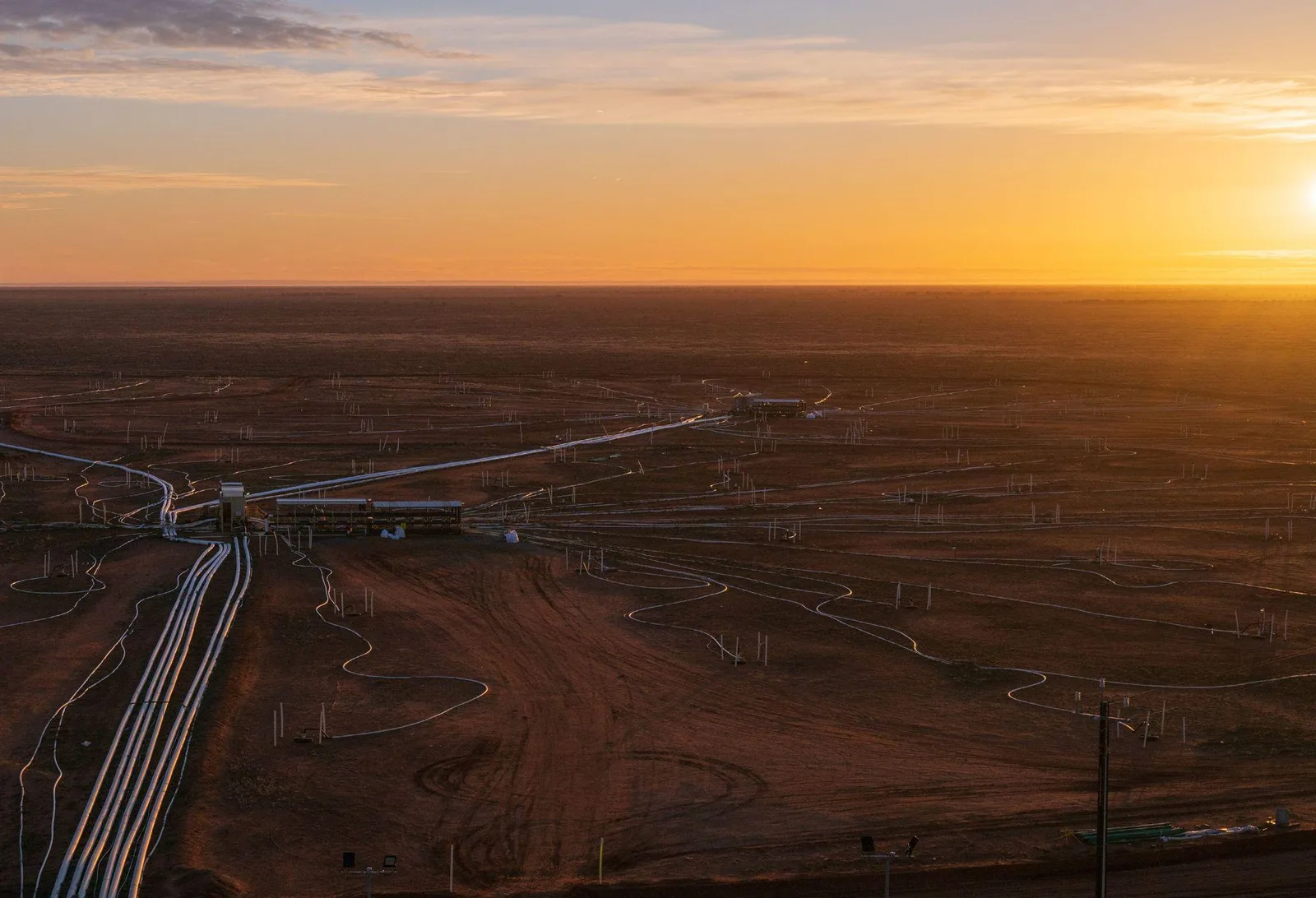
The company is moving Honeymoon to a wide-spaced wellfield design, the basis of the new feasibility study it released in August. That study forecasts production until at least the 2034 financial year, with about 13.8 million pounds over nine years.
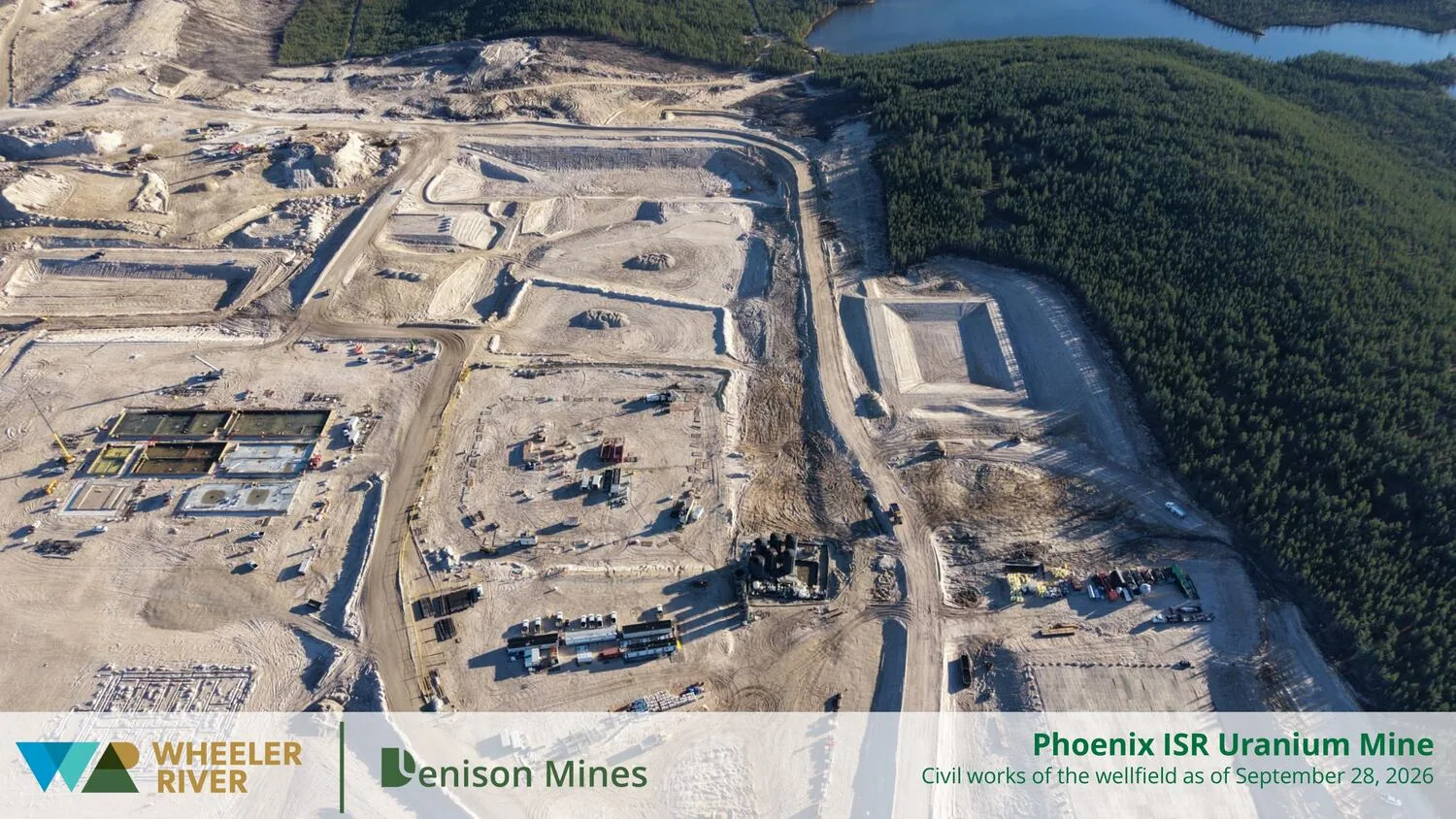
Flushing began at EKT1, the first wellfield with the new spacing. Boss said early flushing results support the design, with final flushing data and first leaching results due in the December quarter. Three more wellfields, HMT1, EKT2 and EKT3, are under construction and expected to start producing between the March 2027 quarter and the September 2027 quarter. Upgrades to the water treatment plant are due in two stages, by mid-2027 and early 2028.
Managing director Matt Dusci acknowledged the work ahead, saying "confidence will be rebuilt through consistent delivery".
Alta Mesa Stalls, Regional Hub Plans Advance
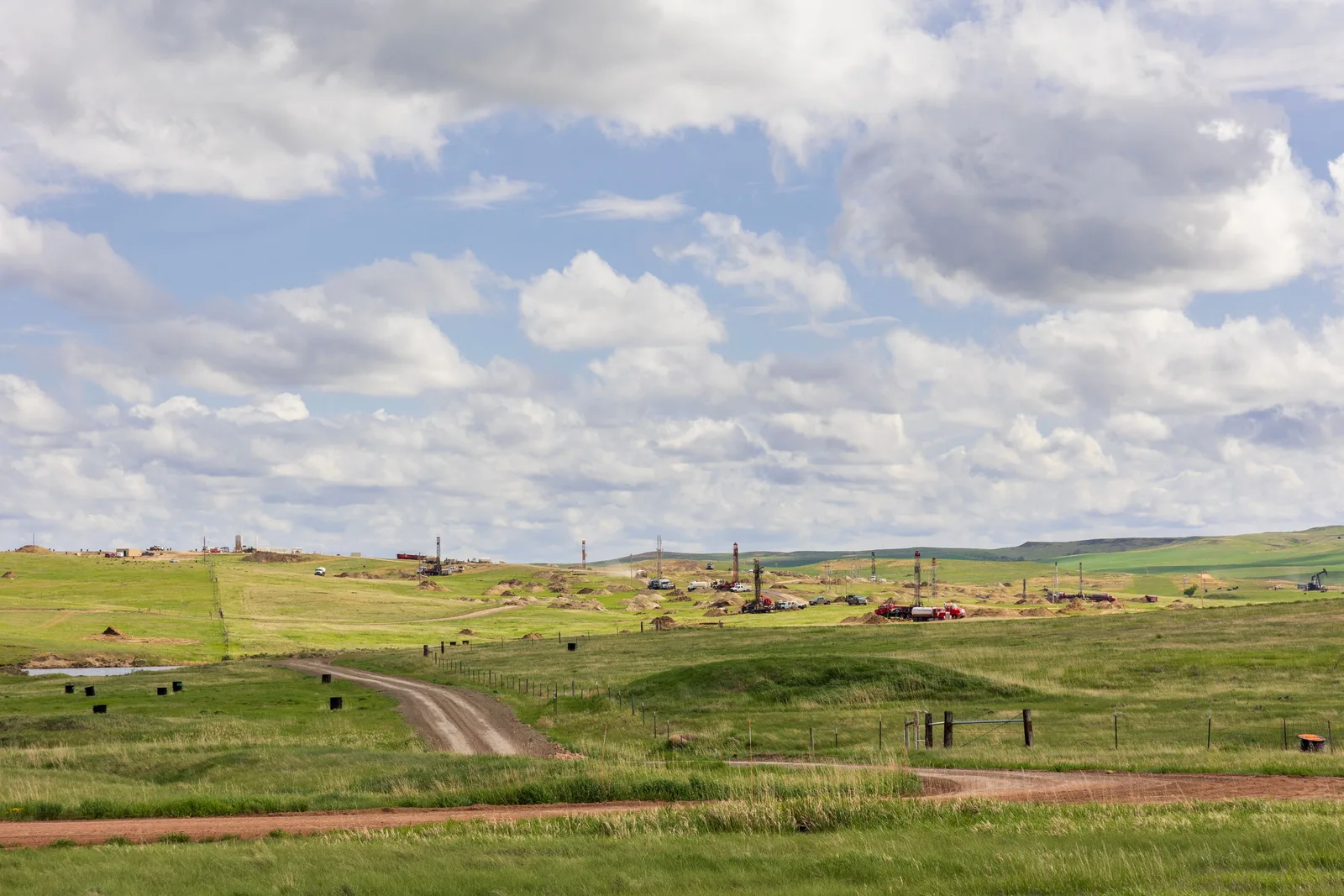
At Alta Mesa in Texas, where Boss holds 30% alongside operator enCore Energy, production fell to 10,000 pounds from 45,000 pounds on a 100% basis, and Boss received no product. State permitting delays meant new wellfields were not ready to replace declining ones, and the plant was stopped until they come online. Final permits for the PAA3 extension and PAA8 wellfields are expected in the December and March quarters.
In South Australia, Boss has submitted the federal environmental referral for the Honeymoon Mine Extension, with a decision expected in the December quarter. Work continues at Jason's Deposit and Gould's Dam, which Boss wants to process through the Honeymoon plant. At its September market day it set out an aspiration, not a forecast, to produce 2.5 million pounds a year at an AISC of about A$65 a pound by the early 2030s.
Risks to Keep in View
The wide-spaced design is still being proven in operation, and the feasibility study was built on a lower mineral resource estimate. Weather has already cost production days, Alta Mesa depends on Texas permits, and the value of Boss's inventory and investments moves with uranium and share prices. The annual meeting is on 25 November.