BrainChip Holdings ended the September quarter with US$16.4m in cash, down from US$20.3m three months earlier, which the company says is enough for about four quarters at current spending. Customer receipts rose but remain small, and the edge AI chip designer is pinning its hopes for royalties on two licensees that plan to tape out chips around the end of 2026.
Cash falls as spending eases
BrainChip, listed on the ASX as BRN and traded in the US as BRCHF and as BCHPY American depositary receipts, published its Appendix 4C cash-flow report on 30 October. Net operating cash outflow was US$4.3m, 9% lower than the US$4.7m of the June quarter.
Customers paid US$0.27m, up from US$0.15m, mainly for chips and boards. Over nine months, receipts from customers totalled US$1.09m against an operating outflow of US$15.6m. Payments to suppliers and staff were US$5.0m, with research and development the largest item at US$2.1m. Operating receipts also included a French research tax credit of US$0.25m.
The main financing inflow came from LDA Capital, which sold its remaining 6,040,000 collateral shares before its put option agreement with BrainChip expired. BrainChip received net proceeds of A$688,582 (US$486,458) on 12 August after an 8.5% discount.
September quarter at a glance
- US$16.4m cash at 30 September
- US$4.3m net operating cash outflow
- ~20,000 AKD1500 chips received in September
BrainChip Holdings: share price, chart and news
Chips arrive and orders ship
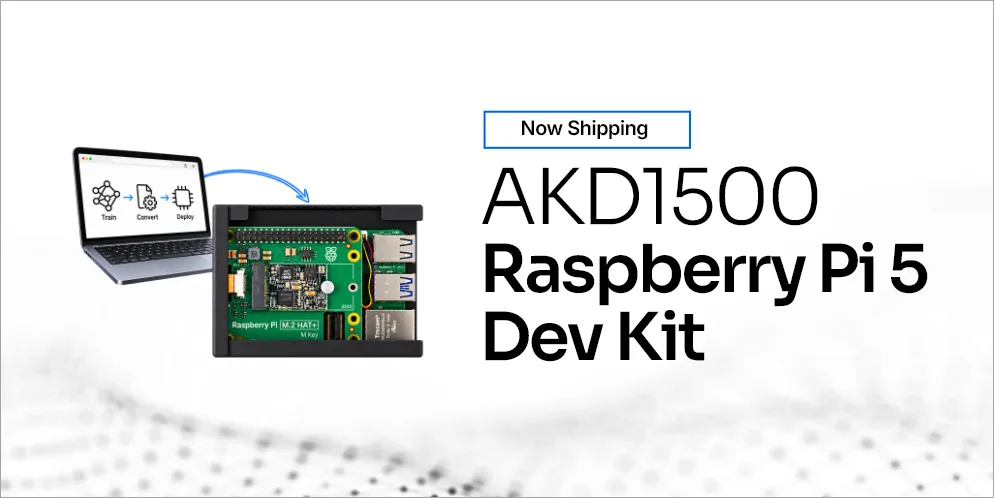
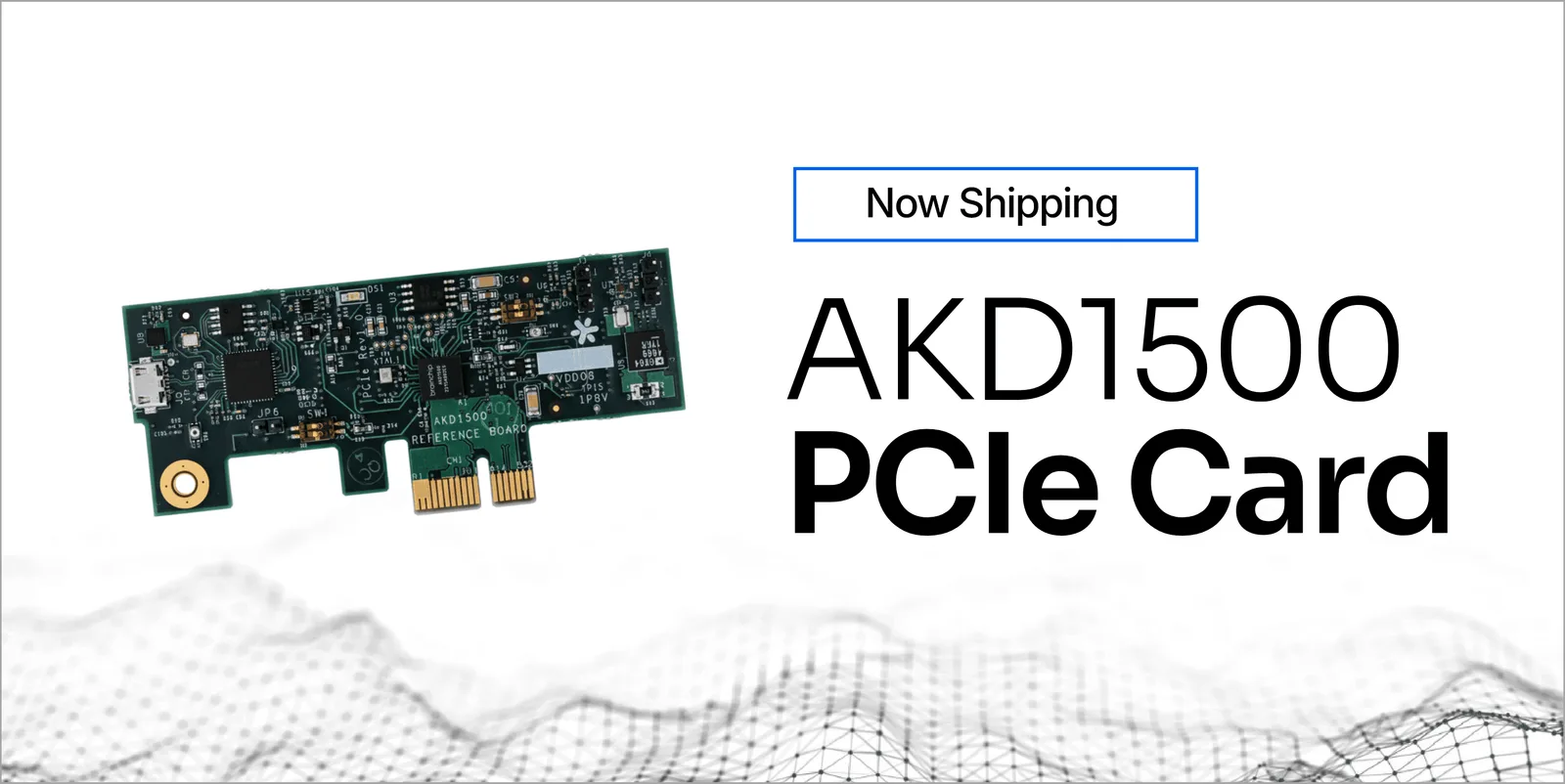
BrainChip received about 20,000 AKD1500 chips in September, which allowed it to fill all outstanding customer orders and move into making M.2 and PCIe boards, where it says demand is strongest. The remaining units of the production run are expected by the end of November.
Defence contractor Parsons has now received its full initial order of 10,000 chips and has started building its own M.2 boards in four, eight and twelve-chip versions. Omani health technology company Onsor Technologies has a 2,000-chip order for its Nexa EEG glasses for epileptic seizure detection, which are awaiting approval from Oman's Ministry of Health. Board maker Neuromorphyx has received 1,200 chips for its BrainBoard1500.
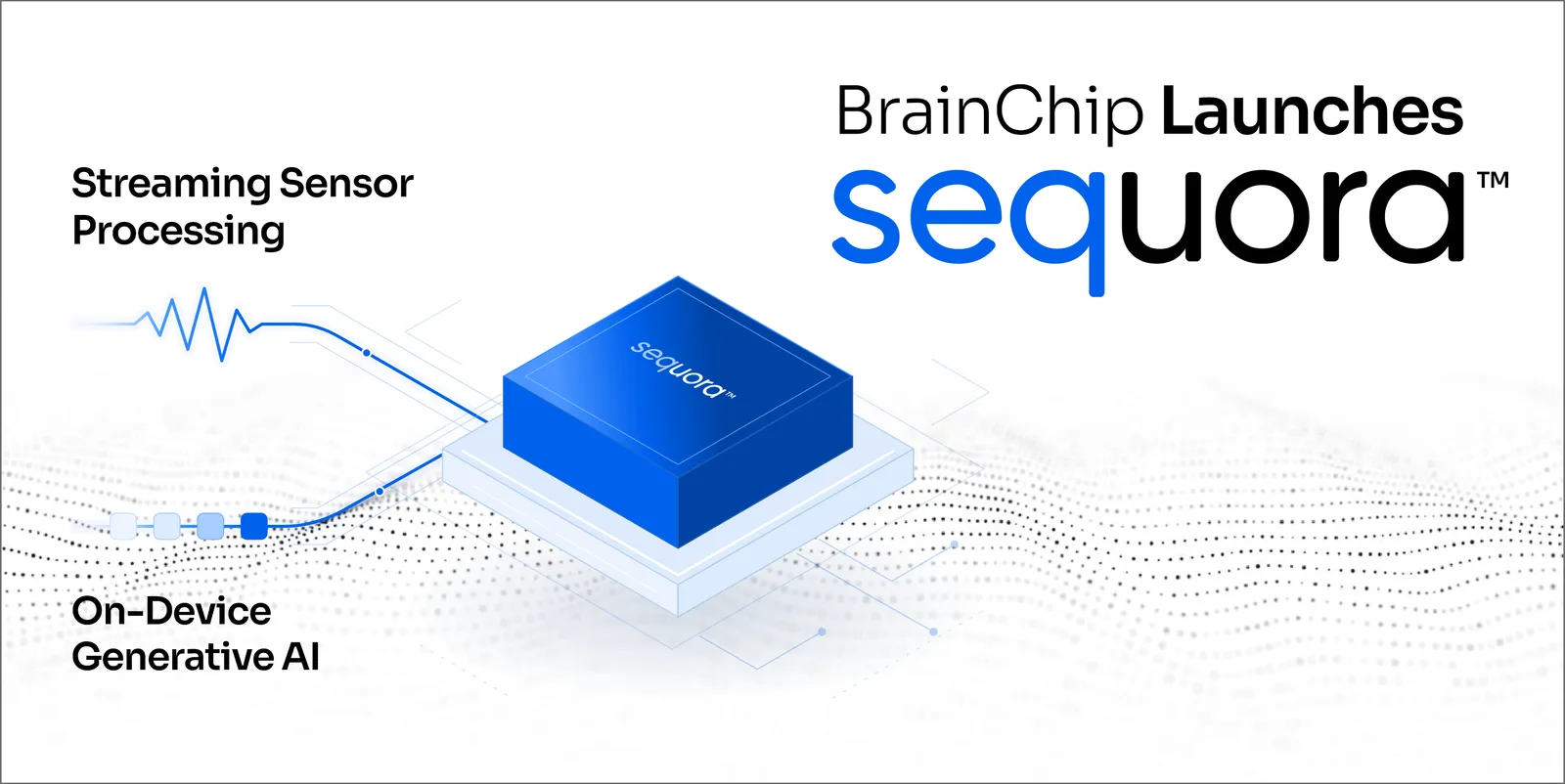
In October BrainChip also made its Sequora processor design commercially available for licensing. It is aimed at generative AI on devices, with compute for models of up to 3 billion parameters and beyond, according to the company, and can be evaluated on an FPGA platform before customers commit to silicon.
Royalties depend on two tape-outs
BrainChip's model rests largely on licensing its Akida designs and earning royalties when licensees ship chips. Two licensees are working towards tape-out, the point at which a chip design is sent for manufacture.
Korea's EdgeAI, which licensed Akida 2 in March 2026, plans to tape out a multi-project wafer in December, with engineering samples expected in the first quarter of 2027 and a smart metering trial with MDS Intelligence to follow. Frontgrade Gaisler, a maker of radiation-hardened processors for space, expects to tape out its GR801 chip in the coming months, which would allow production in 2027. Chief executive Sean Hehir pointed to "growing visibility into high-margin royalty revenue potentially beginning in late 2027". The company notes that timing and amounts depend on customers' production and sales.
BrainChip's own next chip, the AKD2500, remains on track for tape-out by December, with first engineering samples expected early in the third quarter of 2027, subject to foundry capacity that the company says has been tight across the industry this year.
The risks
At the current rate of spending, BrainChip's cash covers roughly a year. The company says it regularly reviews funding options and will stay flexible on the timing of any capital raising. For shareholders, a new raising would mean dilution. Revenue remains a fraction of costs, and the shift to royalties depends on third parties meeting their own schedules.
The board is also facing pressure from shareholders. In open letters dated 11 September and 14 October, released to the ASX on 16 October, it rejected an activist campaign led by two former directors that seeks a shareholder meeting and changes to the board. The ASX told BrainChip that it should have released the September letter at the time.
What to watch
| Timing | Event |
|---|---|
| End of November 2026 | Delivery of the remaining AKD1500 chips |
| December 2026 | EdgeAI multi-project wafer tape-out and AKD2500 tape-out |
| Coming months | Frontgrade Gaisler GR801 tape-out |
| Q1 2027 | EdgeAI engineering samples |
| Late January 2027 | December quarter Appendix 4C |
| Late 2027 | Possible first royalty revenue |