The Dutch government's 2027 budget leaves average household purchasing power slightly lower next year, keeps €1.4bn of tax relief at the pump, lifts the health insurance deductible only with inflation and leaves the overhaul of Box 3 savings tax for spring 2027.
A small dip in purchasing power
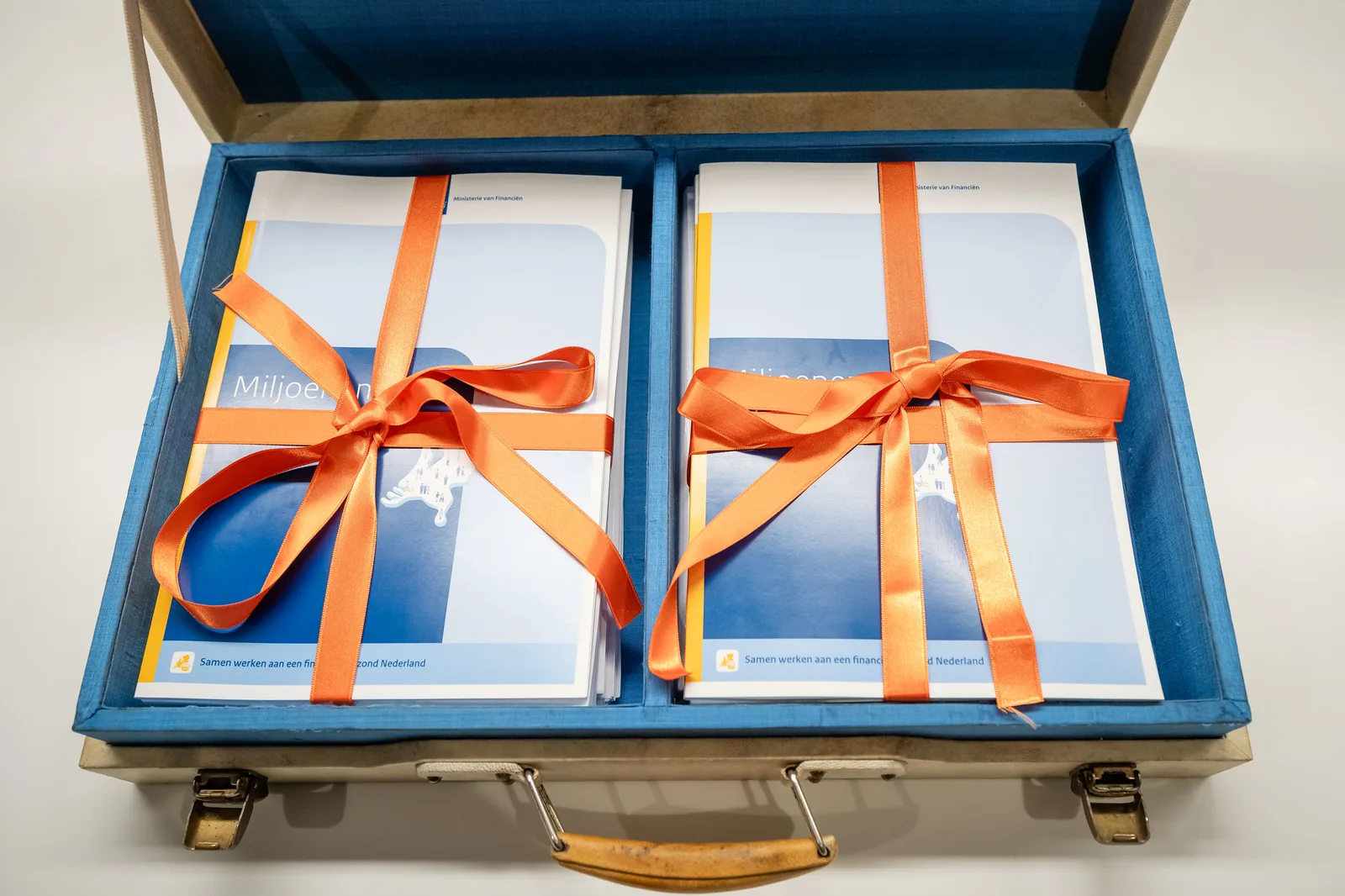
Finance Minister Eelco Heinen presented the Miljoenennota and the 2027 tax plan to the lower house on Prinsjesdag, the budget day that opens the parliamentary year.
The CPB, the government's economic forecaster, expects average purchasing power to fall by 0.1 percentage point in 2027. The government blames the war in the Middle East and higher prices for part of the drop. Its own measures improve the picture by 0.2 point compared with the CPB's earlier forecast, so without them the fall would have been bigger.
Budget 2027 at a glance
- -0.1% average change in household purchasing power in 2027
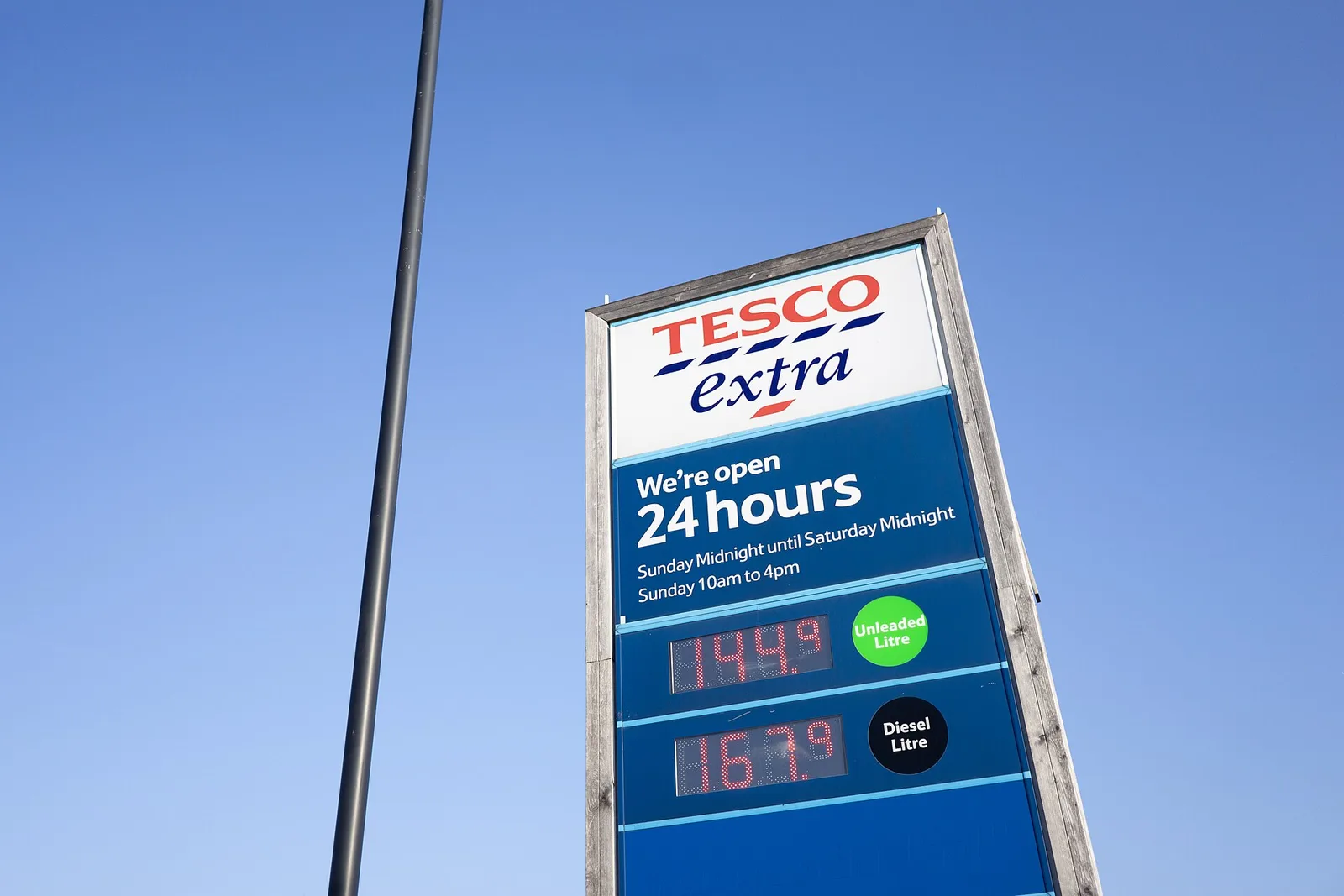
- €1.4bn excise relief on petrol and diesel
- €400 health insurance deductible in 2027, up from €385
What changes for households
- Fuel. The excise discount on petrol and diesel stays, at a cost of €1.4bn. The planned phase-out of the diesel discount moves to 2028, IamExpat reported.
- Health. The compulsory deductible, the eigen risico, rises with inflation from €385 to €400. A planned extra increase of €60 is delayed by a year. Basic monthly premiums are expected to rise by about €12.
- Income tax. Rates in the first and second brackets fall by 0.06 percentage point, but IamExpat reported that previously scheduled increases offset the cut. Income tax revenue rises by almost €4bn in 2027 and €7.8bn by around 2030, including a €3.4bn defence levy, the vrijheidsbijdrage. People earning more than €80,000 gross face a combined increase of €750m.
- Commuting. The tax-free travel allowance rises by €0.02 to €0.25 per kilometre.
- Perks. Tax exemptions for staff Christmas hampers, company outings and 20% employee discounts are scrapped, as is the starter's deduction for the self-employed.
Pensions and benefits: plans dropped and delayed
The plan to link the AOW state pension age one-to-one to life expectancy has been dropped, which means the pension age will not rise as fast as the previous plan foresaw. So has the planned 20% cut to the maximum daily wage used to calculate benefits. IamExpat reported that a cap on daily payouts for maternity and invalidity benefits, which unions had dubbed a "maternity penalty", is also off the table.
Other cuts are pushed back. Shortening unemployment benefit (WW) from two years to one is delayed until 2029, and a change to compensation for employers' transition payments moves to 1 January 2028.
Box 3 waits, property investors get a cut
Box 3 is the part of Dutch income tax that covers savings and investments. Under the coalition deal, the cabinet wants the planned system based on actual returns to grow into a capital gains system, and says it will bring concrete proposals at the next budget moment. But IamExpat reported that the reform is stuck in the Senate until spring 2027, because coalition parties disagree on whether to tax unrealised gains or only realised ones.
For savers and investors
- No new Box 3 system yet: the debate over taxing paper gains continues into spring 2027
- Transfer tax for property investors is set to fall from 8% to 7% from 2027
- The cabinet plans to scrap transfer tax for housing associations
- €425m a year goes to help housing associations build more homes
The bigger picture
The government expects a deficit of 2.9% of GDP in 2027, falling to 2.2% in 2030, below the EU's 3% limit throughout. Debt is forecast at 46.9% of GDP in 2027 and 48.9% in 2030, against 45.6% this year.
Spending plans include €1.5bn one-off and €300m a year for infrastructure, a €1.3bn subsidy for carbon storage and about €370m a year for three years in international support, including for Ukraine. Rises in the waste tax and the industrial CO2 levy will come more slowly than planned. The cabinet built its growth plan around three themes: investment, reform and international cooperation. Several other planned social security measures are pushed back by a year.
The budget is a proposal. Parliament debates it in the coming weeks, and parts of it can still change before the tax plan is passed.