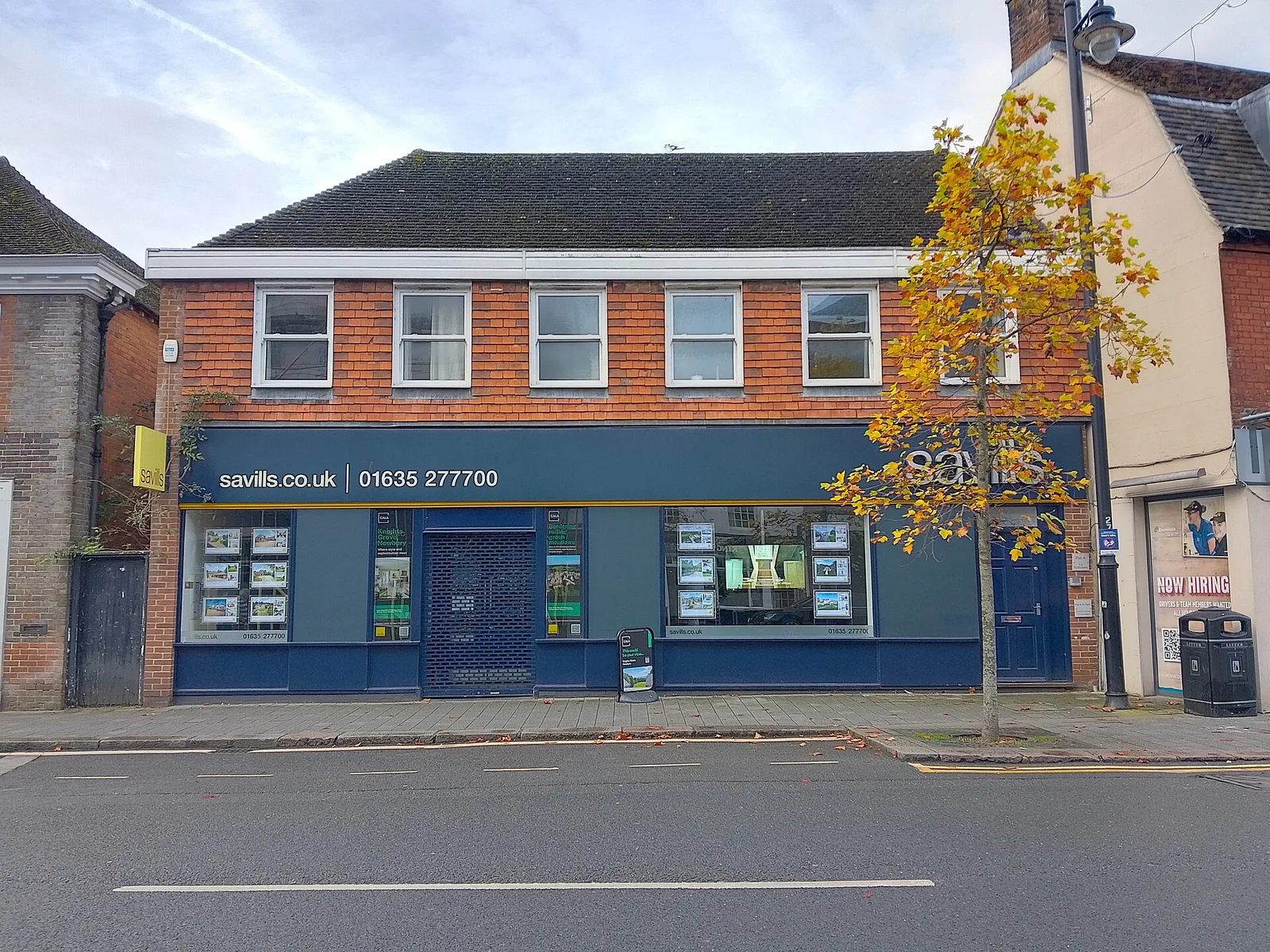
Britain's housing market is stuck in low gear. With average fixed mortgage rates around 6 percent, lenders have approved fewer than 60,000 home loans a month for five months running, and estate agent Savills now expects house prices to fall 1.5 percent next year. A handful of lenders cut rates this week, offering some relief.
Approvals Stuck Below 60,000
Savills' November UK Housing Market Update, reported by Mortgage Professional, shows mortgage approvals below 60,000 a month for five consecutive months. September approvals were 19 percent lower than a year earlier.
Approvals are a leading indicator: completed purchases tend to follow four to six months later. Completions were already 5 percent down on the year in the period to September, and sales agreed, net of deals that fell through, were 7.5 percent lower in the year to October. Savills expects transactions to stay suppressed into the first half of 2027.
The main cause is the cost of borrowing. Average two- and five-year fixed rates are about 6 percent, up from 4.9 percent in January. Moneyfacts puts the average two-year fix at 5.97 percent and the five-year at 6.00 percent.
The UK mortgage squeeze
- <60,000 monthly approvals, five months running
- 6% average two- and five-year fixed rate
- -1.5% Savills forecast for UK house prices in 2027
Savills Sees Prices Falling Next Year
Savills forecasts that UK prices for second-hand homes will fall 1.5 percent in 2027 before rising 3.5 percent in 2028. It blames the slowdown on higher mortgage rates, which it links to the Iran war.
The forecast splits the country. London, the South East and the East of England are expected to see the biggest falls. Cheaper northern regions and Scotland are forecast to edge higher.
| Region | Savills forecast for 2027 |
|---|---|
| London, South East, East of England | -3.5% |
| Wales, Yorkshire and the Humber | +0.5% |
| North West, North East, Scotland | +1.0% |
| UK | -1.5% |
The gap persists over a longer horizon. Over the five years to 2031, Savills expects prices to rise 23.3 percent in the North West but only 8.1 percent in London. Its local data to July show the split already under way: prices rose 11.6 percent in South Ayrshire, while Kensington and Chelsea fell 9.2 percent.
Other indicators point the same way. Nationwide's index was flat in October, with annual growth slowing to 0.5 percent from 0.8 percent in September.
Rates After the Bank of England's Rise
The Bank of England raised Bank Rate by a quarter point to 4 percent on 5 November, its first increase since 2023, as the energy shock pushed UK inflation to 3.5 percent in September. Savills expects another rise in February.
Fixed mortgage rates, however, are priced mainly off swap rates, which track where markets expect Bank Rate to go. Movements in swaps in the days after the decision, partly linked to the US midterm elections, gave several lenders room to cut, Mortgage Professional reported.
- Barclays cut residential two- and five-year fixed rates by up to 40 basis points from 11 November, with the biggest reductions for borrowers with deposits of 5 to 15 percent.
- Yorkshire Building Society cut rates by up to 0.30 percentage points on 13 November, including a fee-free two-year fix at 5.06 percent and a five-year fix at 4.82 percent, both for borrowers with a 40 percent deposit.
- Gen H trimmed two-, three- and five-year fixes by up to 30 basis points, and Saffron and Fleet Mortgages made cuts of 20 basis points on selected deals.
The cuts are modest next to the rise since January, and the best rates go to buyers with large deposits.
What it means for buyers and borrowers
- Average fixed rates near 6 percent are the main brake on approvals and sales.
- Savills expects falls of 3.5 percent in London and the South East in 2027, and small rises in the north and Scotland.
- A few lenders cut fixed rates this week, but the cheapest deals require large deposits.
- Savills expects another Bank Rate rise in February, which would limit room for further cuts.