De Nederlandsche Bank said on Wednesday it had moved about 86 tonnes of gold from the United States and Canada to London, citing rising geopolitical unrest. London now holds 32.1 percent of the Dutch reserve, up from 18.1 percent, because gold stored there is the easiest to trade in a crisis.
What DNB Moved, and From Where
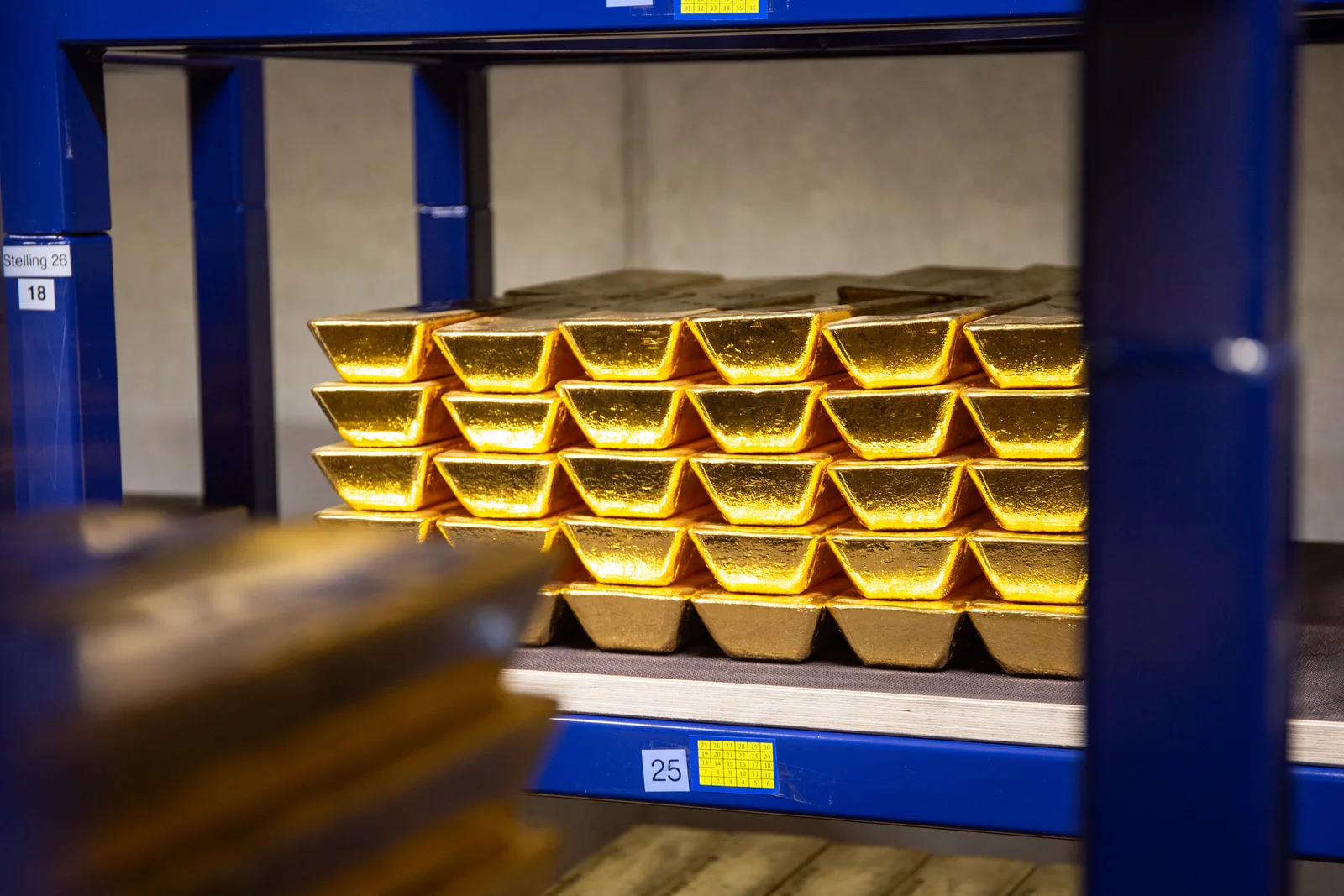
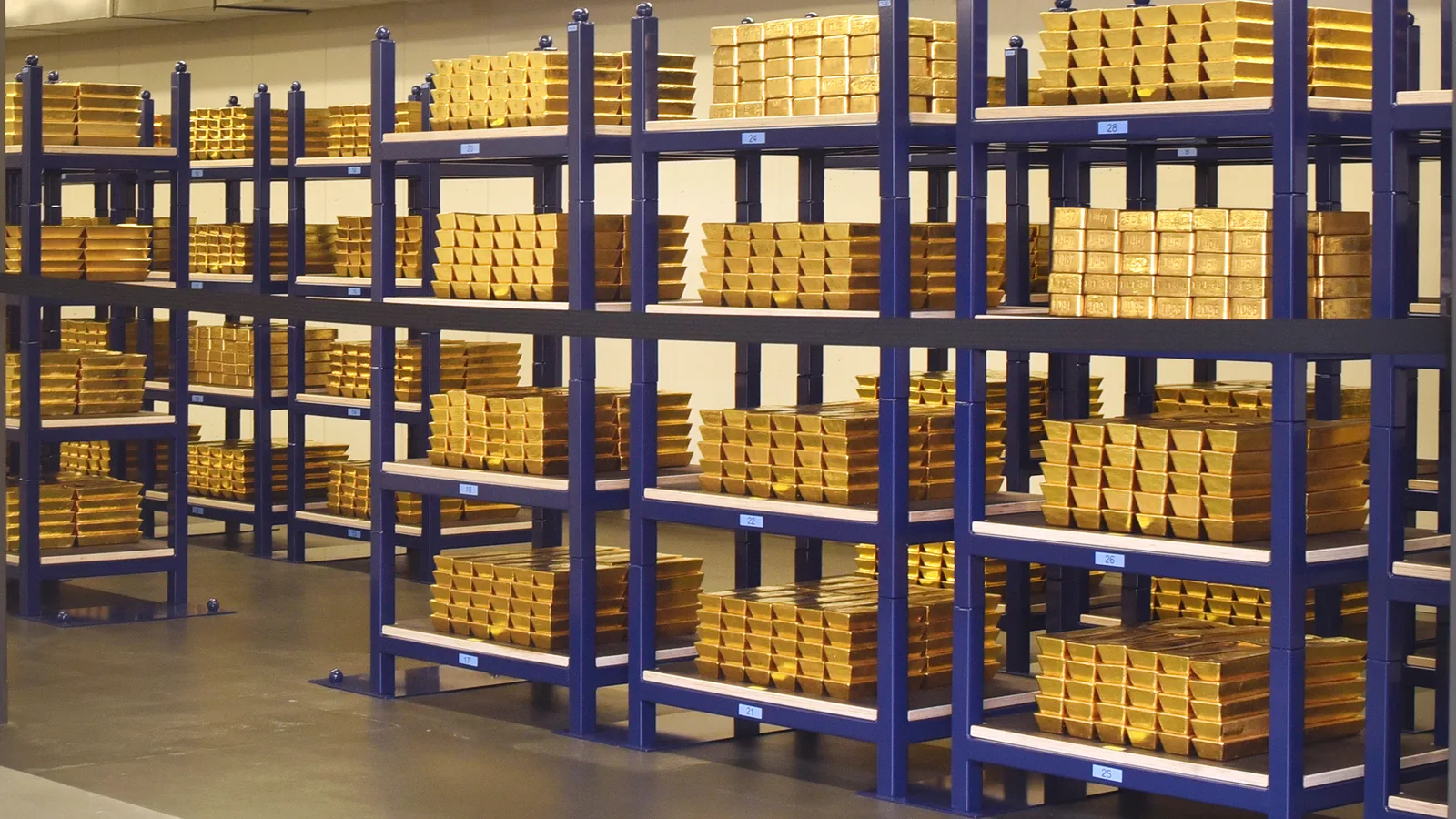
The Dutch central bank holds 612.4 tonnes of gold, worth €72.2 billion at the end of 2025. Before the relocation, about 313 tonnes of that sat in North America, at the Federal Reserve Bank of New York and the Royal Canadian Mint in Ottawa. Between March and August 2026, about 86 tonnes were shifted to London, where DNB's gold is kept at the Bank of England.
The size of the reserve did not change. Only its geography did.
| Location | Share before | Share after |
|---|---|---|
| Zeist, Netherlands | 30.8% | 30.8% |
| London | 18.1% | 32.1% |
| New York | 31.3% | 18.5% |
| Ottawa | 19.7% | 18.5% |
New York bore most of the change. Its share fell by almost 13 percentage points, equivalent to roughly 78 tonnes at the current size of the reserve, while Ottawa's share slipped by just over one point. The Netherlands' own holding, kept at DNB's cash centre in Zeist, stayed at 30.8 percent.
Markets: indices, currencies and commodities
Buying, Selling and a Detour Through Zeist
DNB did not simply fly every bar across the Atlantic. About 59 tonnes were sold in New York and the same amount of gold meeting international market standards was bought in London. More than 27 tonnes were physically transported from the US and Canada to Zeist, and a similar quantity was then sent from Zeist to London.
Shipping part of the gold rather than trading all of it meant bars did not have to be melted down and recast, DNB said. The central bank added that combining trading with physical transport spread the risks of moving such a large quantity of metal.
"With this relocation, we have improved the tradability of our gold reserves," said Olaf Sleijpen, DNB's governor. He added that the bank expects never to need to use the gold, but that it has to strengthen its resilience and preparedness.
Why London, and Why Now
DNB's reasoning is practical. London is the centre of the global wholesale gold market, so bars held there can be sold, lent or pledged quickly. Gold in New York or Ottawa would first have to be moved, or swapped through intermediaries, before it could be used. DNB said gold in London meets modern international trading standards and is the most easily tradable, while bars in New York and Ottawa cannot be used as quickly or directly.
The announcement came during a tense week for markets. The United States struck Iranian targets near the Strait of Hormuz on Tuesday, and Brent crude rose above $95 a barrel on Wednesday morning. Government bond yields across Europe hit their highest levels in more than a decade on Tuesday, and Japan's 10-year yield reached 3 percent for the first time since 1996.
DNB presented the decision as crisis planning and a more even spread of risk across North America, the UK and the Netherlands, and did not single out any country. But the direction of travel, away from North America and towards a European trading hub, will be noted by other central banks that keep large parts of their gold abroad.
What It Means for Reserves Policy
Gold is the oldest part of a central bank's reserves and, for most of the post-war period, the least actively managed. Many European countries stored bars in New York, London or Ottawa for safety and convenience, and rarely moved them.
DNB's operation shows a different priority: gold is being treated as a usable emergency asset, which means it has to sit where it can be turned into cash fastest. The bank kept its domestic holding unchanged, so the move was a rebalancing between foreign vaults rather than a repatriation.
Its value still moves with the gold price, so the euro figure DNB reports will change from year to year even though the tonnage does not. The bank gave no indication of further changes to the split between vaults.