Gold fell about 1.8 percent this week to around $4,349 an ounce, as US Treasury yields climbed towards 5 percent and futures markets priced a near-certain interest rate rise from the Federal Reserve next week.
Rising yields raise the cost of holding gold
Spot gold ended Friday near $4,349 an ounce, down from about $4,430 a week earlier. The metal pays no interest or dividend, so when safe government bonds pay more, the income an investor gives up by holding bullion rises with them.
That trade-off moved sharply against gold this week. The 10-year Treasury yield rose to 4.85 percent on Wednesday, its highest since 2023, and reached 4.95 percent on Thursday, according to the Associated Press.
Friday's US inflation data sealed the move. Consumer prices rose 0.4 percent in August and 3.4 percent on the year, and core prices rose a faster-than-expected 0.3 percent on the month. Afterwards the CME FedWatch tool put the chance of a quarter-point Fed hike at the 15 and 16 September meeting at about 90 percent.
Why the oil shock has not helped
Gold is often bought as a hedge against inflation, and oil has rarely been more inflationary. Brent crude rose about 9 percent this week and touched $109.97 a barrel on Friday, a four-month high.
This year, though, the chain has run the other way. Higher fuel costs lift inflation expectations, which push the Fed towards tighter policy, which lifts real yields and weighs on gold. That pattern held through late August and again this week.
The Fed's tone has reinforced it. At the Jackson Hole symposium on 28 August, Fed chair Kevin Warsh gave no guidance on rates but said inflation was above the 2 percent target and flagged rising commodity prices. July's personal consumption expenditures index, the Fed's preferred inflation gauge, had come in at 3.7 percent against forecasts of 3.6 percent. Gold fell more than 4.5 percent between the last August benchmark and the first September one.
Markets: indices, currencies and commodities
A volatile year, back where it started
The London benchmark shows how far gold has travelled in 2026. It rose about 24 percent to a record in January, then fell about 26 percent to a low in July, before August delivered a 13.3 percent gain, the strongest month of the year.
| Date | LBMA Gold Price PM | What it marked |
|---|---|---|
| 30 December 2025 | $4,367.80 | last benchmark of 2025 |
| 29 January 2026 | $5,405.00 | 2026 record |
| 16 July 2026 | $3,993.55 | 2026 low |
| 28 August 2026 | $4,562.75 | last August benchmark |
| 8 September 2026 | $4,399.10 | 18.6% below the record |
At about $4,349, spot gold now sits roughly a fifth below January's record and close to where it began the year. The year's gains have been erased even as the reasons to own gold, war and inflation among them, have not gone away.
Central banks pull in opposite directions
Official buyers have not moved as one. In the first half of 2026, according to World Gold Council data published on 4 August, Poland was the largest buyer, adding 82 tonnes to its reserves. Uzbekistan added 41 tonnes, China 40, Kazakhstan 27 and the Czech Republic 11.
On the other side, Turkey was the largest seller, cutting its holdings by 83 tonnes, and Russia sold 44 tonnes. The council notes that these figures cover reported reserves only and leave out smaller, unnamed buyers in emerging markets.
For European investors the Polish and Czech purchases stand out: two EU central banks were among the most active buyers in the world while gold swung between its record and its low. Official demand of that kind is slow-moving and does not respond to a single Fed meeting, which is why it can cushion falls without stopping them.
The Fed decision is the next test
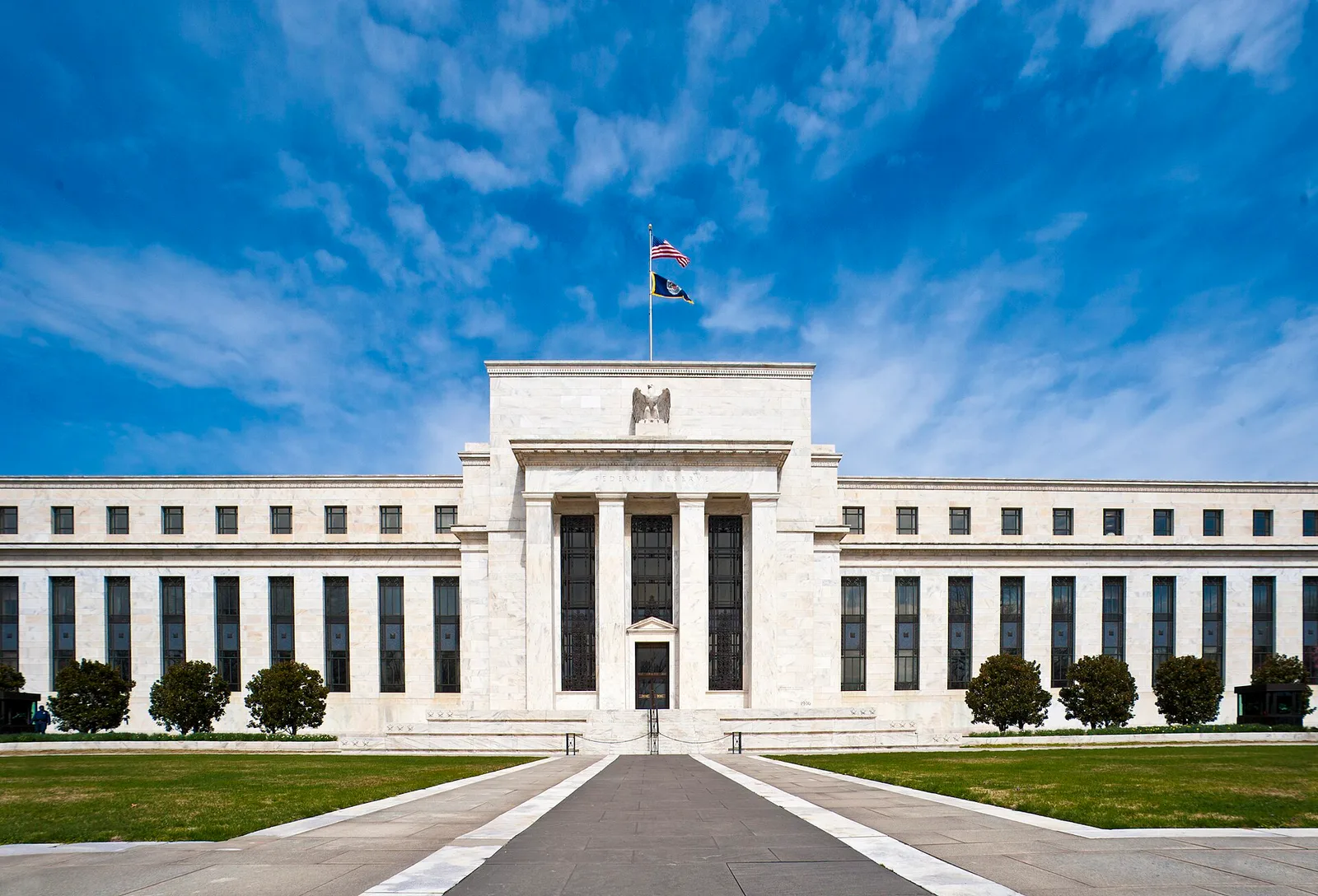
The Fed announces its decision on Wednesday, 16 September, together with new economic projections. A hike is already priced in, so the projections for further moves may matter more for gold than the decision itself.
The European Central Bank has already acted, raising its deposit rate by a quarter point to 2.50 percent from 16 September. For investors who measure gold in euros, the path of the dollar after the Fed meeting will shape returns as much as the metal's own price.
Sources
- Thrive in Markets: The Dow's Worst Week Since March Hands Off to FOMC
- Drawpie: Gold Price September 2026, Chart, Key Drivers and Investor Outlook
- If You Spent: Week in markets, Sept. 8 to 11, 2026
- Trading Economics: US CPI Report Comes Broadly in Line with Forecasts
- European Central Bank: Key ECB interest rates