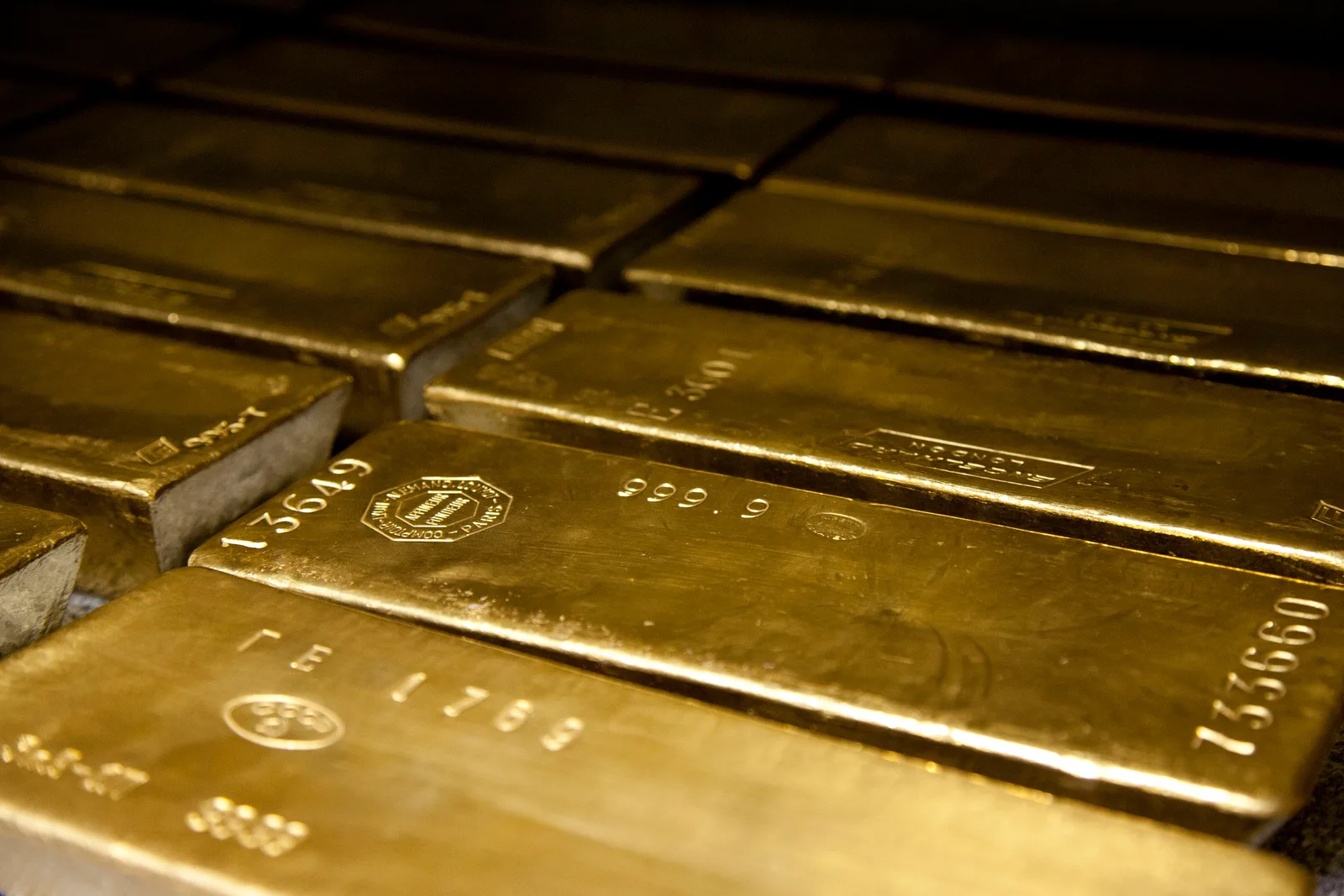
Gold fell to $4,256.50 an ounce after the Federal Reserve raised interest rates on Wednesday and Chair Kevin Warsh signalled more tightening, then climbed 2 percent to around $4,360 on Thursday as the dollar pulled back from a seven-week high.
The swing, a drop of nearly 1 percent followed by a rally of twice that size, showed how closely bullion is trading off US rate expectations. With the 10-year Treasury yield above 5 percent this week, an asset that pays no interest faces a high bar.
Gold's two-day swing
- $4,256.50 spot price after the Fed decision
- $4,360 Thursday rebound, up about 2%
- 4.1% Fed projection for the year-end policy rate
The Fed's First Hike in Three Years
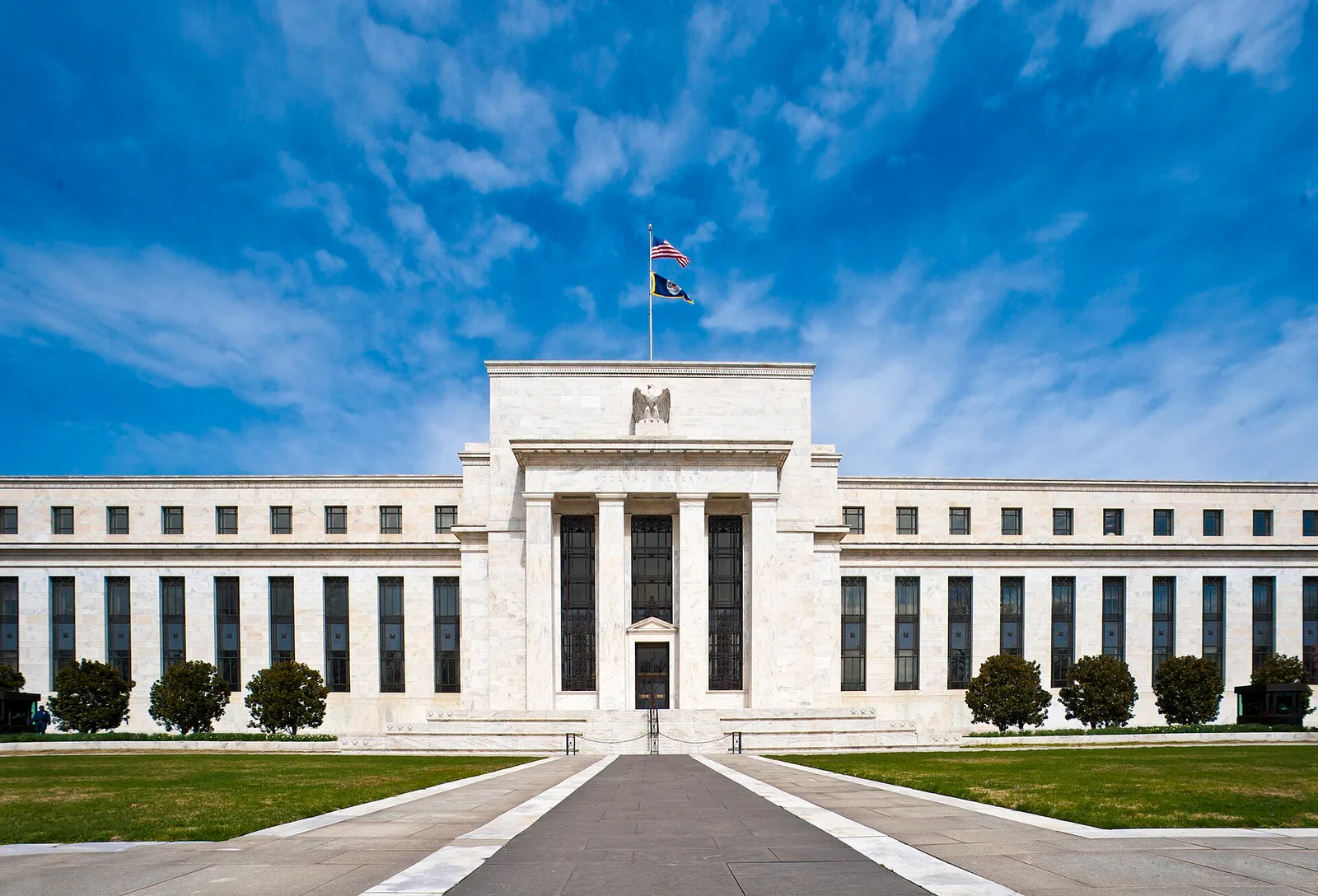
The Federal Open Market Committee voted 12-0 to raise the federal funds target range by a quarter point to 3.75 to 4 percent. Its statement said inflation remained elevated and that the move would support a timelier return to the 2 percent goal, while describing economic activity as expanding at a solid pace.
The committee's updated projections put the policy rate at 4.1 percent at the end of the year, which implies at least one more increase in 2026. Gold held above $4,300 after the statement but slid once Warsh began his press conference.
Warsh described persistent inflation as the Fed's main concern given how resilient growth had been. He attributed the climb in bond yields to stronger growth this year, heavy borrowing by the large technology groups building data centres, and geopolitical tensions that have raised energy, agricultural and consumer goods prices.
Chris Zaccarelli, chief investment officer at Northlight Asset Management, said history shows that "once the Fed begins raising rates, they do it multiple times", according to Kitco. He expected further increases but said the timing was less clear, and the Fed could hold at some meetings in between.
Markets: indices, currencies and commodities
Why Gold Bounced on Thursday
By Thursday the mood had shifted. The dollar, which had risen to a seven-week high after the decision, eased as investors reassessed their positions, and gold recovered from what had been its lowest level in nearly six weeks. A weaker dollar makes the metal cheaper for buyers using other currencies, which tends to support demand.
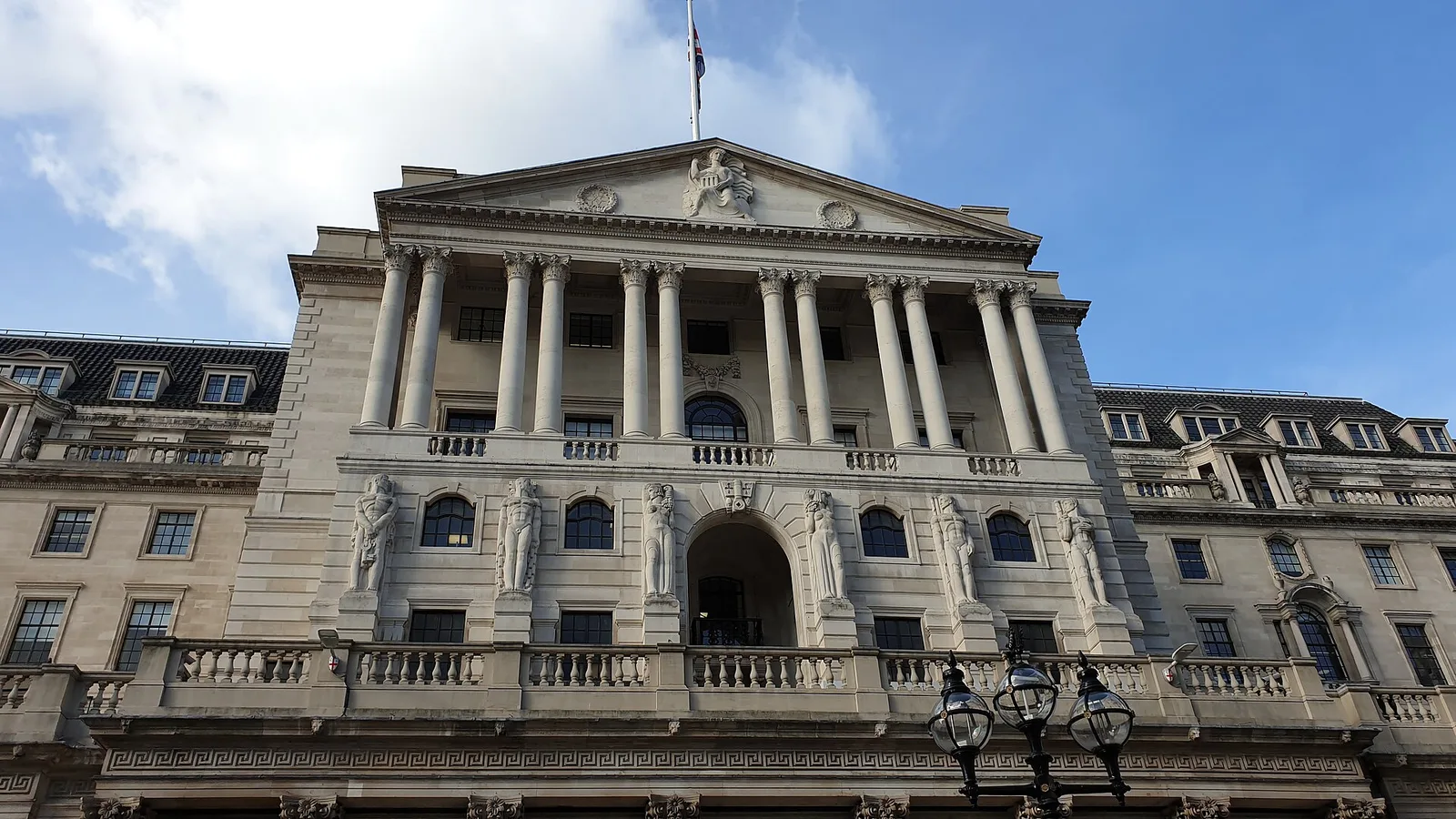
Oil prices also extended a decline as worries about supply disruption faded, after President Donald Trump said he hoped the war with Iran was close to an end. The Bank of England left Bank Rate at 3.75 percent on Thursday, and early on Friday the Bank of Japan lifted its policy rate to 1.25 percent, its highest in 31 years.
Rates Are Now the Main Driver
The two-day move fits a pattern in which bullion reacts to interest rates and the dollar as much as to geopolitical risk. Higher policy rates raise the opportunity cost of holding gold, because cash and bonds pay investors a meaningful yield. A stronger dollar adds to the pressure by making the metal dearer outside the US.
The backdrop is unusual. On 15 September the 10-year Treasury yield topped 5 percent for the first time since a brief spell in October 2023. Brent crude settled at $108.03 a barrel that day, its highest since 19 May, and Japan's 10-year yield reached its highest since 1996.
Rising yields across the major markets make the competition for gold stiffer. But the energy shock behind much of that rise also keeps inflation worries alive, and protection against inflation is a large part of the metal's appeal. That tension explains why the price can swing hard in both directions within a day.
What to Watch Next
For gold, the key variables are the next US inflation figures and how the Fed's projection of one more hike holds up at its coming meetings. A run of hot data that firms up the case for further increases would favour the dollar and weigh on bullion, while any sign that the Fed can stop after one more move would likely support it.
For investors in the euro area, the exchange rate adds a second layer. A firmer dollar can soften the fall in the euro price of gold even when the dollar price drops, while a weaker dollar can mute gains measured in euros.