Ero Copper reported record third-quarter results on 2 November 2026: revenue of $348.0 million, net income attributable to shareholders of $116.2 million and a fall of about $99 million in net debt. Copper output guidance for 2026 was kept, but the company raised its cost guidance for both copper and gold.
Production up at Caraíba, flat at Tucumã
The Brazil-focused miner, which reports in US dollars, produced 18,345 tonnes of copper in concentrate in the quarter, 6% more than in the second quarter, at a consolidated C1 cash cost of $2.51 per pound.
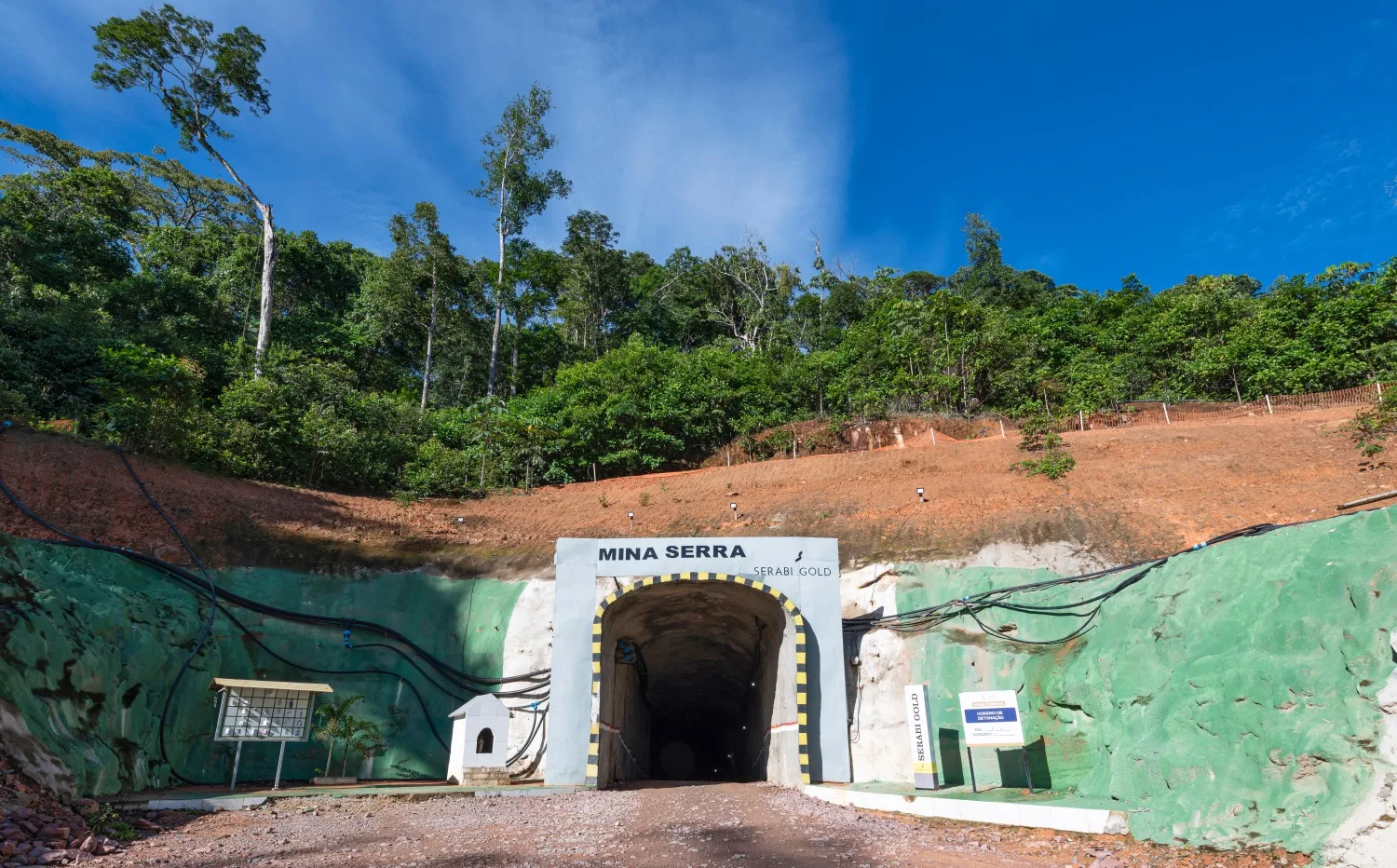
The Caraíba operations in Bahia state supplied 9,387 tonnes, up 12% on the quarter, at a C1 cost of $2.89 per pound. The mill there processed 1,161,102 tonnes at 0.90% copper with 89.4% recovery.
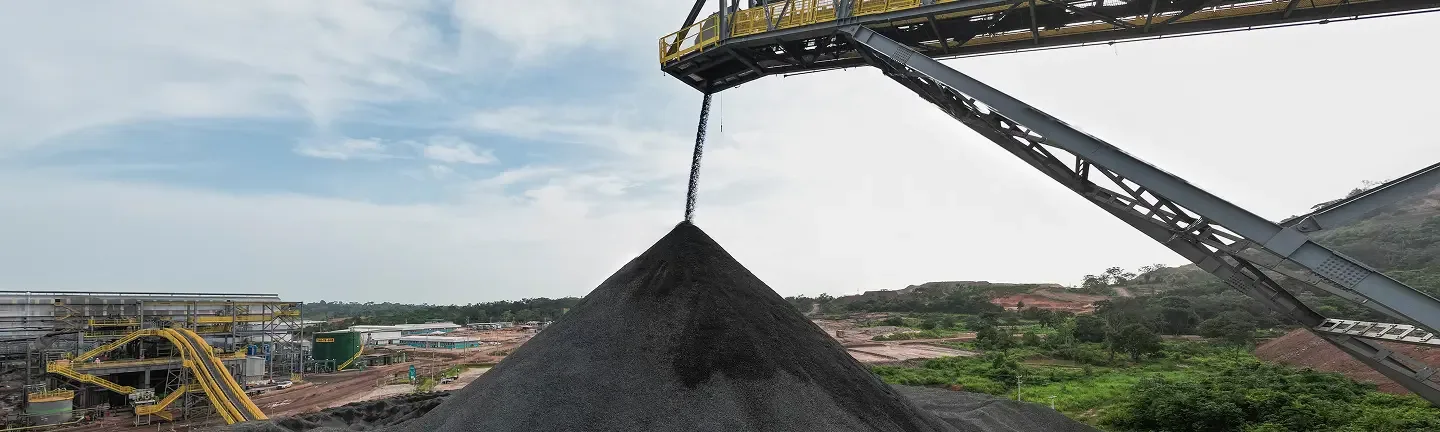
Tucumã, the newer open-pit mine in Pará state, produced 8,958 tonnes, unchanged on the quarter, at $2.12 per pound. Throughput rose about 14% to 814,137 tonnes, at a grade of 1.30% copper and 85.0% recovery.
Gold output at the Xavantina operations in Mato Grosso rose 23% to 25,258 ounces. Most of that, a record 17,414 ounces, came from processing historic gold concentrate stockpiles; ounces from mining were 7,844, at an all-in sustaining cost of $3,607 an ounce.
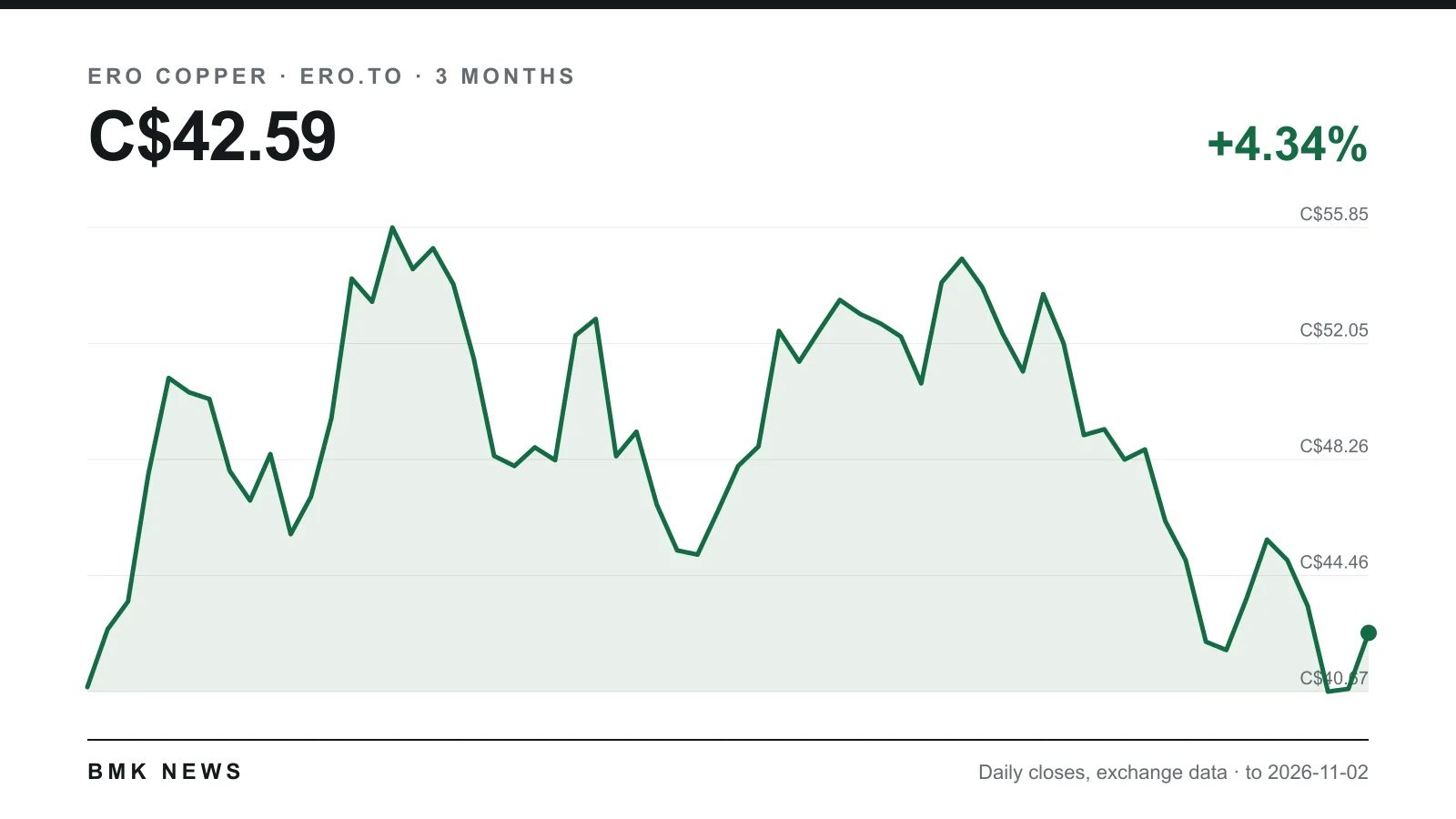
Ero Copper: share price, chart and news
Record earnings and cash flow
Q3 2026 at a glance
- $348.0m revenue, up from $177.1m a year earlier
- $200.6m adjusted EBITDA
- $191.2m cash flow from operations
Net income attributable to the owners of the company was $116.2 million, or $1.10 per diluted share. Adjusted net income was $129.3 million, or $1.22 per diluted share. Revenue rose from $284.3 million in the second quarter.
President and chief executive Makko DeFilippo said "Ero delivered record financial results in Q3."
Debt falls, leverage halves
Net debt dropped to $353.5 million at 30 September from $452.7 million at the end of June. The ratio of net debt to trailing adjusted EBITDA fell to 0.5 times, from 1.2 times at the end of 2025. The company said about 97% of the cash available for deleveraging this year has gone to repaying debt.
Cash and equivalents were $114.1 million, and available liquidity, including an undrawn $150.0 million revolving credit facility, was $264.1 million. Capital spending for the first nine months was $222.3 million, and full-year capital guidance of $285 million to $330 million was unchanged.
Currency hedges helped. Realised foreign exchange hedge gains were $10.4 million in the quarter and $30.3 million in the year to date; Ero excludes them from its reported unit costs.
Guidance: same copper, higher costs
Ero kept its 2026 copper production range at 67,500 to 77,500 tonnes and expects the fourth quarter to be its strongest for copper. Costs are moving the other way.
| 2026 guidance | Previous | Updated |
|---|---|---|
| Copper production (t) | 67,500 to 77,500 | 67,500 to 77,500 |
| Consolidated copper C1 ($/lb) | 2.15 to 2.35 | 2.25 to 2.45 |
| Caraíba copper C1 ($/lb) | 2.30 to 2.50 | 2.55 to 2.75 |
| Total gold (oz) | 40,000 to 50,000 | 75,000 to 80,000 |
| Mined gold (oz) | 40,000 to 50,000 | 30,000 to 35,000 |
| Mined gold AISC ($/oz) | 2,200 to 2,700 | 3,300 to 3,600 |
The company blamed a stronger Brazilian real, inflation it tied to the US-Iran conflict and delayed access to higher-grade ore at the bottom of the Surubim pit. Mined gold was cut after longer downtime in the first half to install ventilation and cooling, and lower grades in the third quarter. Total gold guidance rose only because of about 45,000 ounces expected from the historic stockpiles, which are a finite source.
What to watch
Next milestones
- Modular tailings filters at Tucumã, due for installation and commissioning in the fourth quarter of 2026
- Tucumã's tailings filtration expansion, targeted for year-end 2026
- A pre-feasibility study at the Furnas copper-gold project, expected in 2027
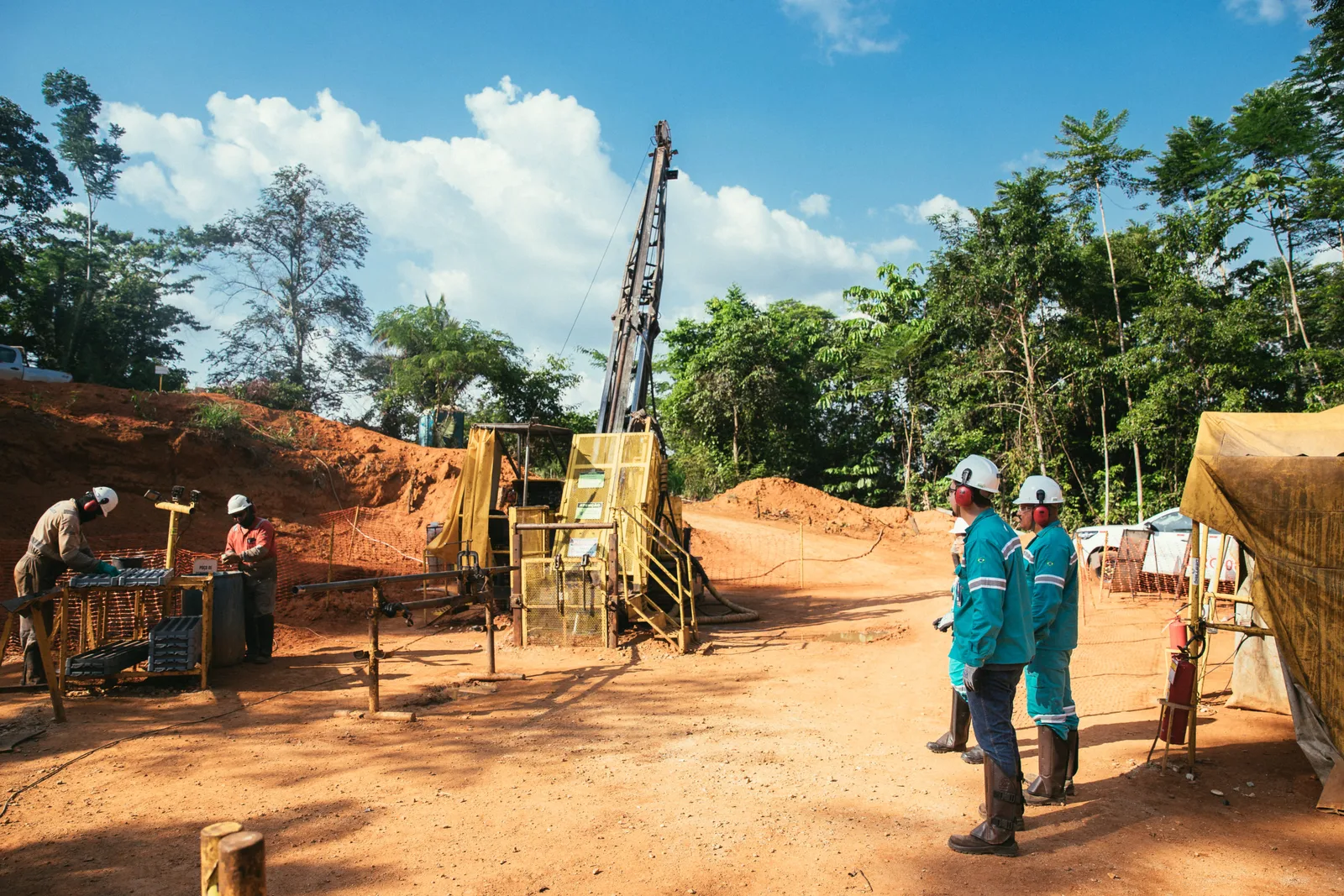
At Furnas, where Ero is earning into the project from Vale Base Metals, the company completed 45,000 metres of phase 3 drilling in the third quarter, which it says satisfies the exploration part of the earn-in towards a 60% interest. The Pilar external shaft at Caraíba remains a listed milestone, though the release gives no completion date.
The main pressures are visible in the guidance table: rising unit costs, exposure to the Brazilian real and gold output that relies on a stockpile rather than the mine. Debt remains a factor too, even after this quarter's repayments.