Euro area inflation rose to 3.8 percent in September from 3.2 percent in August, Eurostat's flash estimate showed on Friday. It is the highest rate in three years, above the 3.6 percent economists had expected, and almost double the European Central Bank's 2 percent target.
Prices rose 0.6 percent from August alone. The annual rate is the highest since September 2023, when it stood at 4.3 percent, and it is the seventh month in a row above the ECB's target.
The surprise came from energy, but the details show price pressure spreading. Services, food and the core measure all moved higher, which makes the reading harder for the ECB to dismiss as a one-off fuel spike. For households, it means wage gains are again being eaten away by everyday costs at the petrol pump, in the shops and on rent.
Energy explains almost half of the rate
Energy prices were 18.8 percent higher than a year earlier, up from 14.3 percent in August, and rose 3.9 percent in September alone. With a weight of about 9 percent in the basket, energy added roughly 1.7 percentage points to the headline figure.
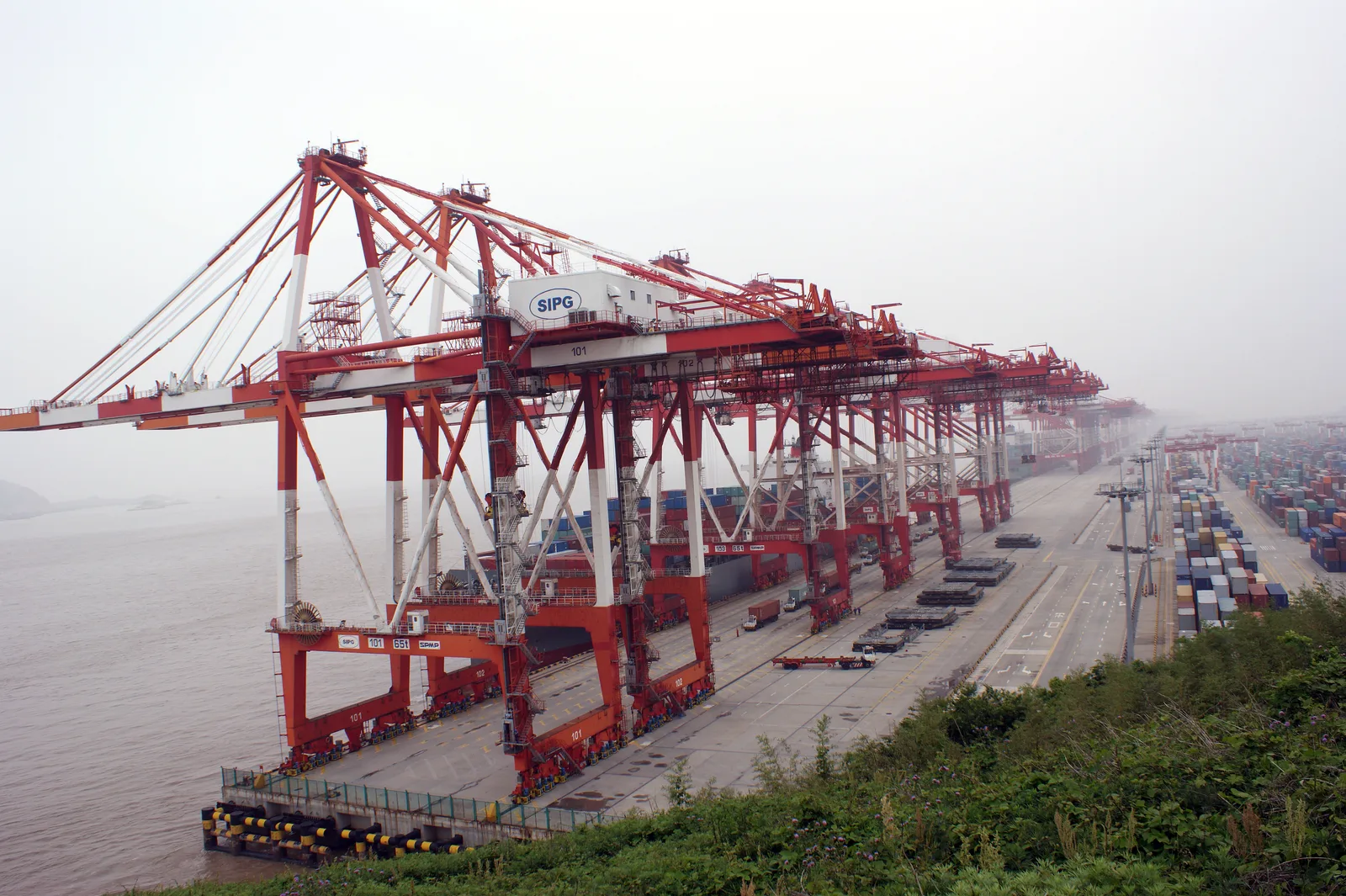
The shock traces back to the war with Iran and disruption around the Strait of Hormuz. Brent crude traded back above $100 a barrel on Thursday, even though Gulf crude exports have climbed back close to pre-war levels, as a deal to end the war remained elusive.
Services inflation, which covers rents, restaurants, travel and insurance and makes up about 47 percent of the basket, rose to 3.2 percent from 3.0 percent. Food, alcohol and tobacco rose to 1.4 percent from 1.1 percent, with unprocessed food such as fresh fruit, vegetables and meat jumping to 4.0 percent from 2.7 percent.
Core inflation, which strips out energy, food, alcohol and tobacco, edged up to 2.5 percent from 2.4 percent, in line with forecasts. Non-energy industrial goods such as cars, clothing and appliances were the only major category to slow, to 1.1 percent from 1.2 percent.
Spain leads the big four, Lithuania tops the table
Inflation accelerated in all four of the largest euro economies. Italy recorded the biggest monthly jump in the bloc, with prices up 2.0 percent in September, and France moved above Germany.
| Country | September | August |
|---|---|---|
| Spain | 5.0% | 4.6% |
| Italy | 4.1% | 3.2% |
| France | 3.4% | 2.6% |
| Germany | 3.3% | 2.9% |
| Euro area | 3.8% | 3.2% |
Lithuania had the highest rate at 6.1 percent, up from 5.6 percent, followed by Bulgaria at 5.6 percent in its first year in the euro. Cyprus and Luxembourg were at 5.2 percent and Greece at 5.1 percent. Six of the 21 members were at 5 percent or above, and ten were at or above the euro-area average.
The lowest rates were in Malta at 2.4 percent, Finland at 2.6 percent and Latvia at 2.9 percent. Latvia was the only member where annual inflation eased.
The ECB's 29 October decision comes into focus
The ECB raised its three key interest rates by a quarter point on 10 September, its second hike this year after June, taking the deposit rate to 2.50 percent. Its September projections had headline inflation averaging 3.0 percent in 2026, 2.5 percent in 2027 and 2.1 percent in 2028.
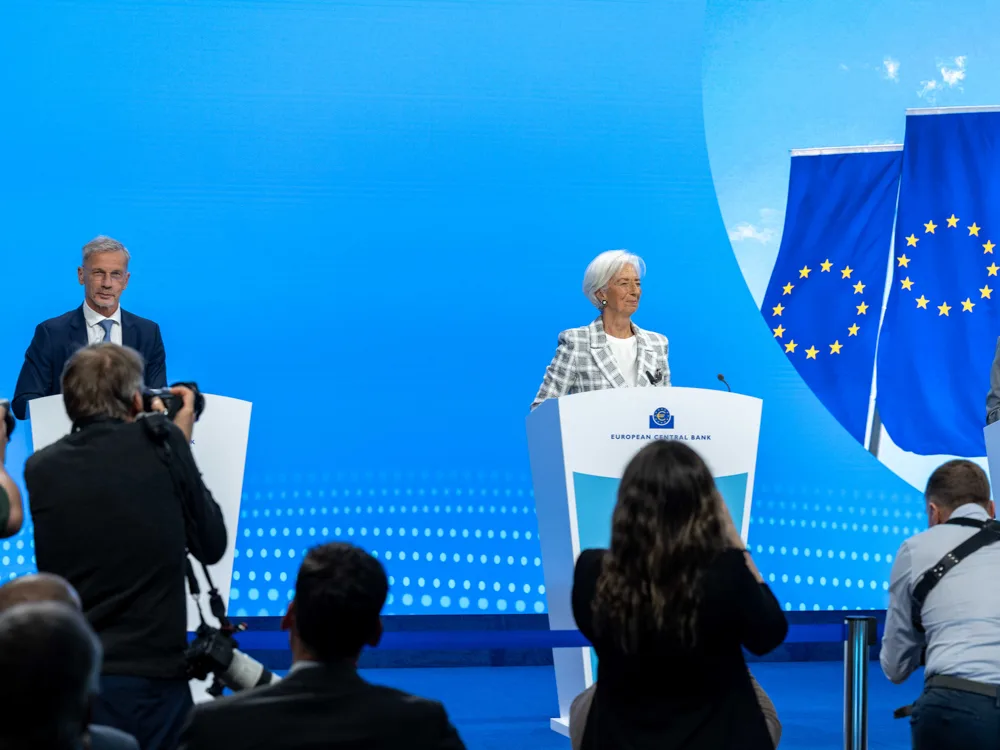
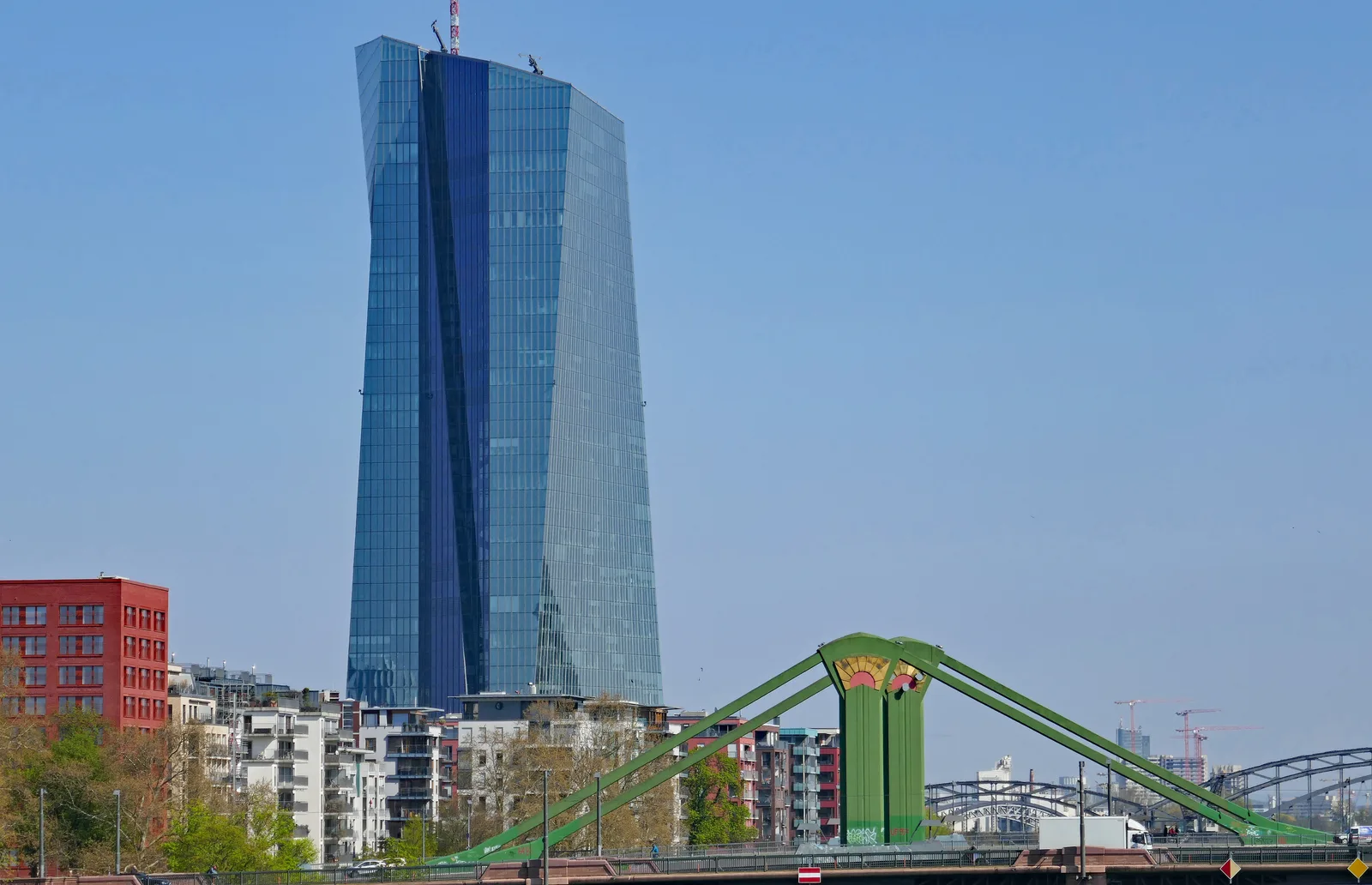
The September print strengthens the case for another move. Policymakers meet in Frankfurt on 28 and 29 October, with the decision due on the second day. That meeting will not bring new staff projections, which are next due in December.
Prediction markets put the chance of a further hike at the end of October at 91 percent, and traders expect the deposit rate to reach 2.75 percent by the end of the year.
Bonds steady after Thursday's sell-off
Bond markets were calmer on Friday morning after a sharp sell-off on Thursday that pushed France's 10-year yield to 4.96 percent, its highest since 2002. The French yield eased to about 4.92 percent by around 11am, and Brent crude slipped about 2 percent to near $100 a barrel.
The open question for the ECB is whether this is an energy shock that will fade once oil prices settle, or the start of broader price pressure. Rising services and unprocessed food prices suggest the second risk is growing.