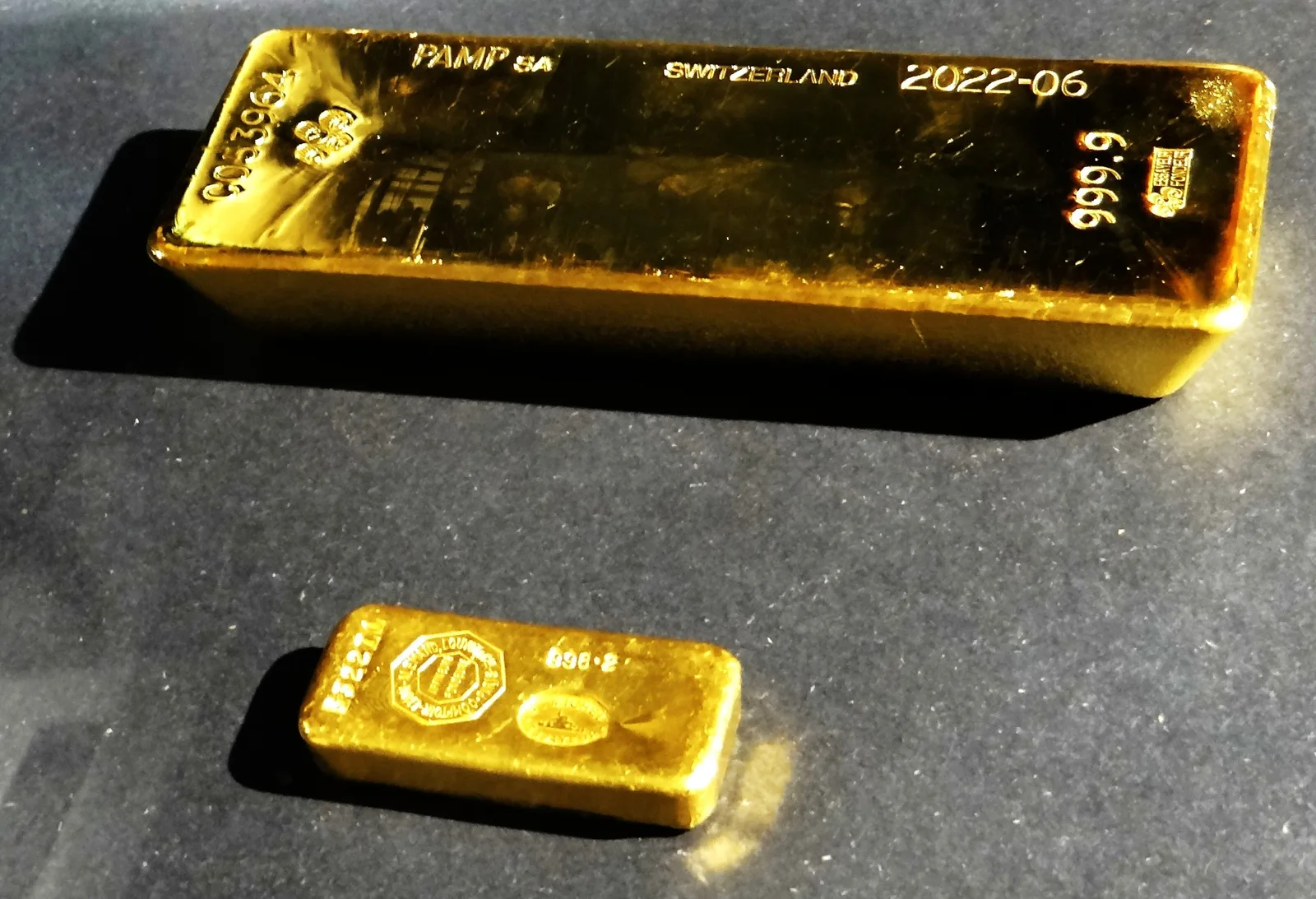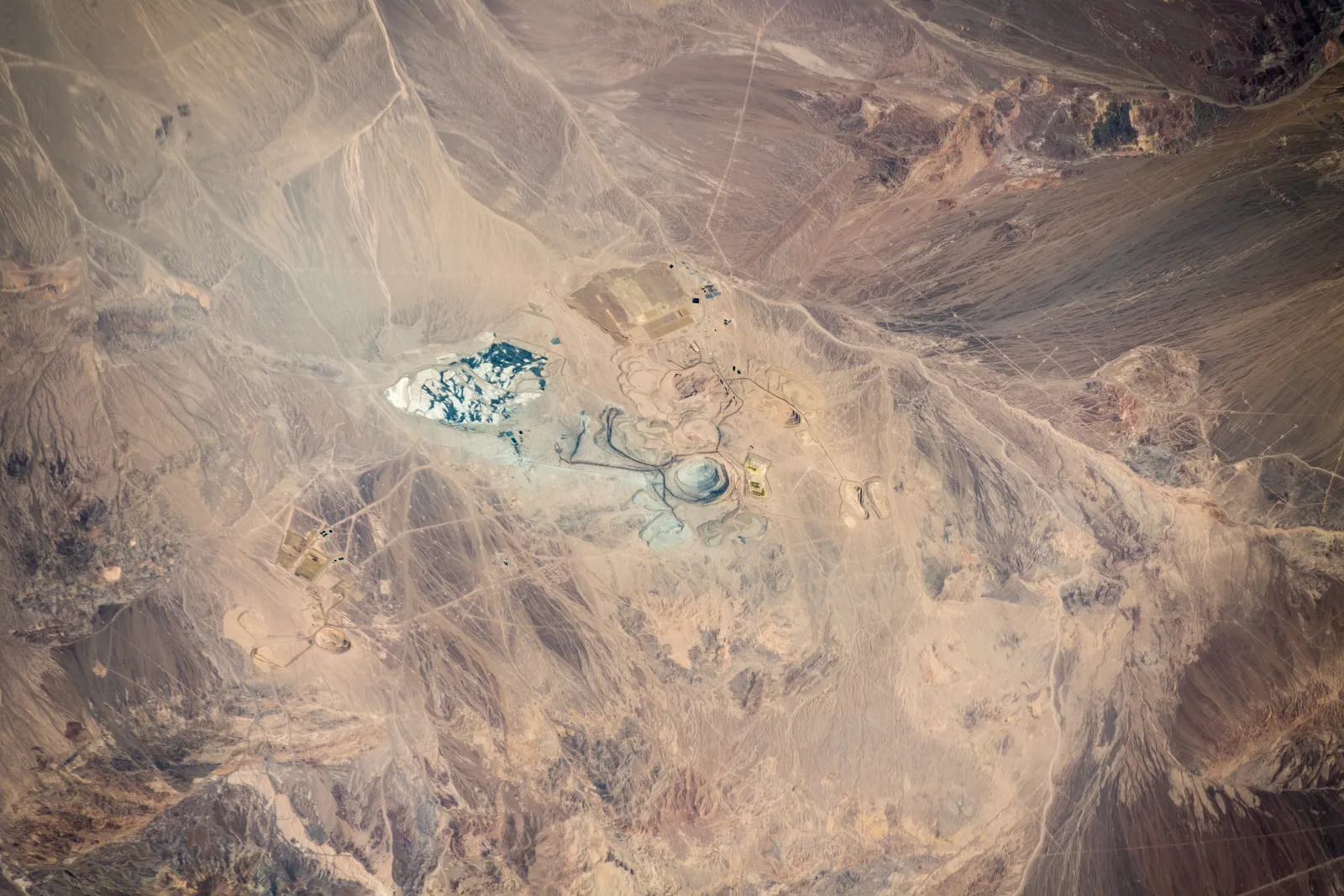
Gold fell below $3,800 an ounce on Wednesday 18 November and was trading at $3,763.50 in early afternoon European hours, about a third below its January record. Silver hit a fresh low for the year and copper slid under $13,000 a tonne, pushing Europe's mining shares to their lowest in more than eight months. Behind it all: a dollar at a 19-month high and traders betting the Federal Reserve will keep raising interest rates.
Metals on Wednesday 18 November
- $3,763.50 spot gold at 7:36 a.m. New York time, down 2.2% on the day
- $45.57 spot silver, down 3.6% and at its lowest this year
- $12,765 copper's low on the London Metal Exchange, down as much as 3.6%
What the slide means for gold and silver holders
Anyone who bought gold near the top in January is now sitting on a loss of about a third. Kitco quoted spot gold at $3,763.50 an ounce at 7:36 a.m. New York time (13:36 CET), down $85.00 on the day, after a low of $3,757.00. Its record, according to Kitco, was $5,589.38 on 28 January. That leaves the metal 32.7% below its peak.
The fall has gathered speed. On Monday gold dropped to $3,832 in a slide to its lowest since October 2025. On Wednesday it went straight through $3,800.
Silver holders have had it far worse. Kitco puts the record at $121.67 on 29 January, so Wednesday's $45.57 is 62.5% below the peak.
European savers get one small cushion. Gold and silver are priced in dollars, so a stronger dollar softens the fall for anyone who counts in euros or pounds. On Wednesday the dollar gained 0.34% against the euro and 0.35% against sterling, according to FXStreet, adding to the euro's drop below $1.10 on Monday.
| Metal | Price on 18 Nov | Record (2026) | Below record |
|---|---|---|---|
| Gold | $3,763.50 | $5,589.38 (28 Jan) | 32.7% |
| Silver | $45.57 | $121.67 (29 Jan) | 62.5% |
The dollar and the Fed are doing the damage
Gold pays no interest. When rates rise, cash and bonds pay more, and the case for holding a metal that pays nothing gets weaker.
The US dollar index, which measures the dollar against six major currencies, reached 103.82 on Wednesday, a 19-month high, FXStreet reported. The CME FedWatch tool, which reads rate bets from futures prices, shows the Fed almost certain to raise rates at both its December and January meetings, with a 47.7% chance of another rise in March. Strategists at Singapore bank OCBC pointed to "resilient US growth, sticky inflation and rising Fed rate expectations".
Those bets hardened after October's hotter-than-expected US prices. New York Fed President John Williams added to them on Thursday 12 November. "The economy is strong, labor market continues to strengthen, and inflation is persistent," he said, according to a Reuters report.
The forecasters have followed the price down. In August Goldman Sachs was projecting gold above $4,900 by the end of 2026, Ecofin Agency reported. It has since cut that to $4,150, still about 10% above Wednesday's level.
Copper drops under $13,000 and miners take the hit
Copper futures on the London Metal Exchange fell as much as 3.6% to $12,765 a tonne, according to Investing.com via Finwire. ING's commodities team called it the lowest level since May and blamed a firmer dollar, weaker sentiment around AI-related assets and worries about Chinese demand.
That extends copper's four-month low of $13,210 on Monday. ING added that speculators have cut their bets on higher copper prices for a second week running, to 33,428 contracts as of 13 November, the fewest since March.
Miners felt both blows at once. By 09:33 GMT Europe's mining stocks were down 2.8% at more than eight-month lows, while gains in chip stocks lifted the wider STOXX 600 index 0.1% to 651.24, according to EWG News. The morning's moves among the big names:
| Company | Move on Wednesday morning |
|---|---|
| KGHM | about -4% |
| Anglo American | more than -3% |
| Antofagasta | more than -3% |
| Endeavour Mining | more than -3% |
| Glencore | about -3% |
| Aurubis | about -3% |
| Boliden | nearly -3% |
Gold producer Endeavour Mining fell further than gold itself, and that is no accident. A miner's costs stay roughly fixed while the price of what it sells swings, so profits move faster than the metal. The same pattern played out in October, as set out in why miners fall harder than gold.
The Fed minutes are the next test
The minutes of the Fed's October meeting are due at 19:00 GMT (20:00 CET) on Wednesday, and traders will read them for how many officials want further rate rises. Silver's 14-day relative strength index, a gauge of how stretched a price move is, stood at 27.72, below the 30 level that chart readers call oversold, FXStreet noted.
Why is the gold price falling?
Gold fell below $3,800 an ounce on 18 November because the US dollar hit a 19-month high and traders expect the Federal Reserve to keep raising interest rates. Higher rates make cash and bonds more attractive than gold, which pays no interest.
How far has silver fallen from its record?
Spot silver traded at $45.57 an ounce on 18 November, according to Kitco, 62.5% below its record of $121.67 set on 29 January 2026.
Why are mining shares falling more than metal prices?
Miners' costs stay roughly fixed while metal prices swing, so their profits and share prices move more than the metal itself. Anglo American, Antofagasta and Endeavour Mining each fell more than 3% on 18 November, and Glencore about 3%.
Sources
- Kitco: Live gold chart and spot price
- Kitco: Live silver chart and spot price
- FXStreet: Silver Price Forecast: XAG/USD hits fresh yearly low near $45.60 as US Dollar extends rally
- ING Global Economics (via FXStreet): The commodities feed: Copper hits six-month low, improving supply weighs on Oil
- Ecofin Agency: Gold Falls to Lowest in More Than a Year as Fed Rate Bets Build
- Finwire (Investing.com): European miners drop as metal prices hit multi-month lows
- EWG News (Rallies.ai): European stocks subdued as tech offsets mining declines
- StockAnalysis (Reuters): Fed's Williams says more rate hikes are likely as inflation stays persistent