Guardian Metal Resources plans to move its gold, silver and copper exploration projects in Nevada into a separate company and list it on AIM by the second quarter of 2027. The tungsten developer would keep a stake in the new company, but no binding agreements have been signed and the terms, the size of that stake and the cost are still open.
What Guardian Announced
On 11 November the board of Guardian Metal Resources said it had approved in principle a spin-out of its non-tungsten exploration portfolio into a new company, referred to as Spin-Co. The plan is to seek admission of Spin-Co to trading on AIM, the London growth market, by the second quarter of 2027.
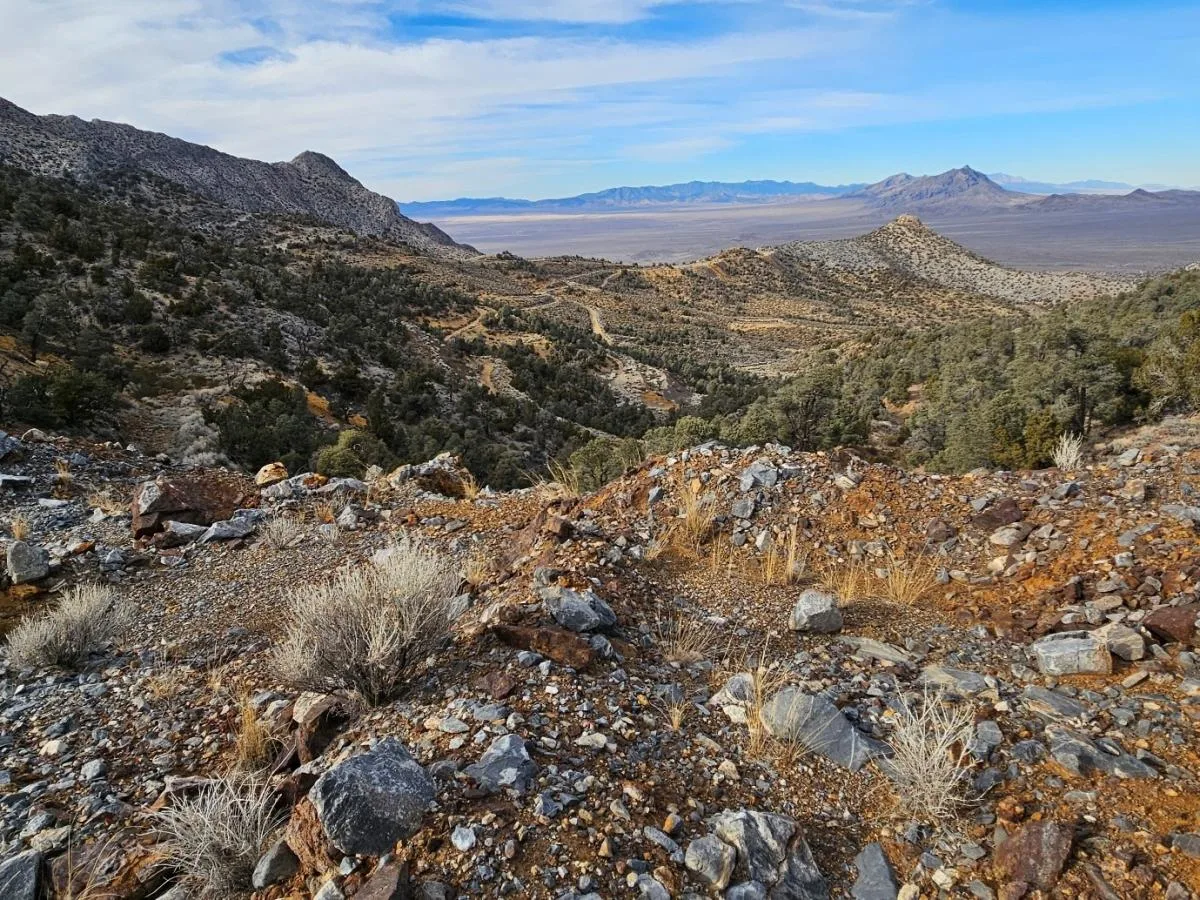
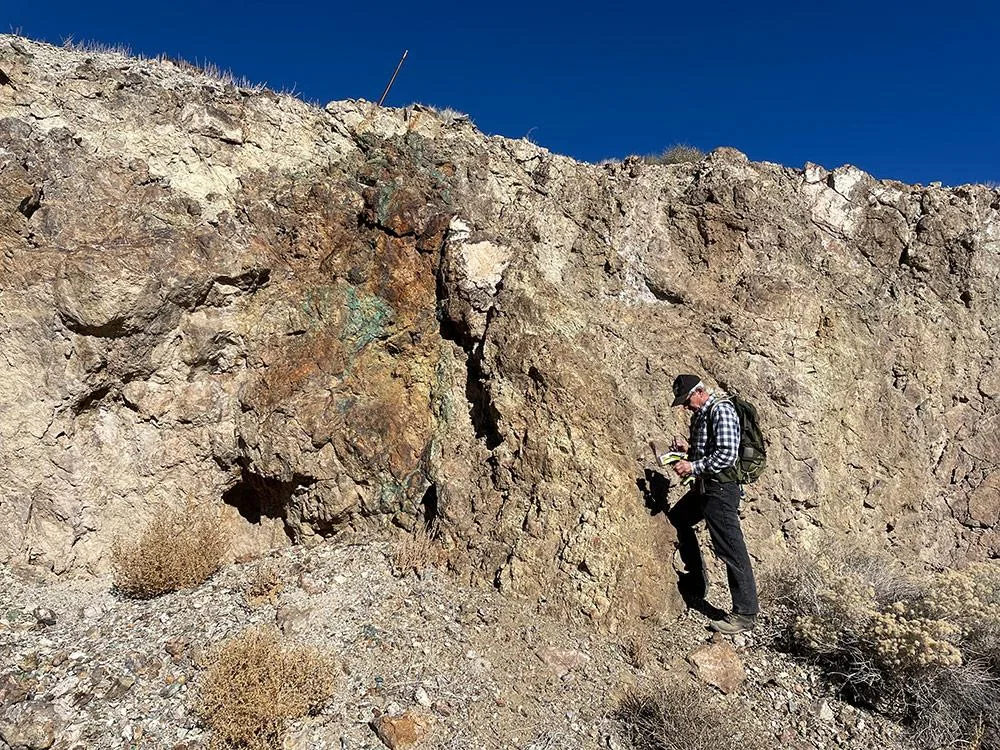
Three Nevada projects are expected to form the starting portfolio: Garfield (gold, silver and copper), Golconda Summit (gold) and Stonewall (silver and gold). Guardian would transfer them to Spin-Co in return for newly issued Spin-Co shares.
Guardian's shares trade on AIM as GMET, on the NYSE American as GMTL since 20 March 2026, and on the OTCQB in the US as GMTLF.
Guardian Metal Resources: share price, chart and news
Why Separate the Assets
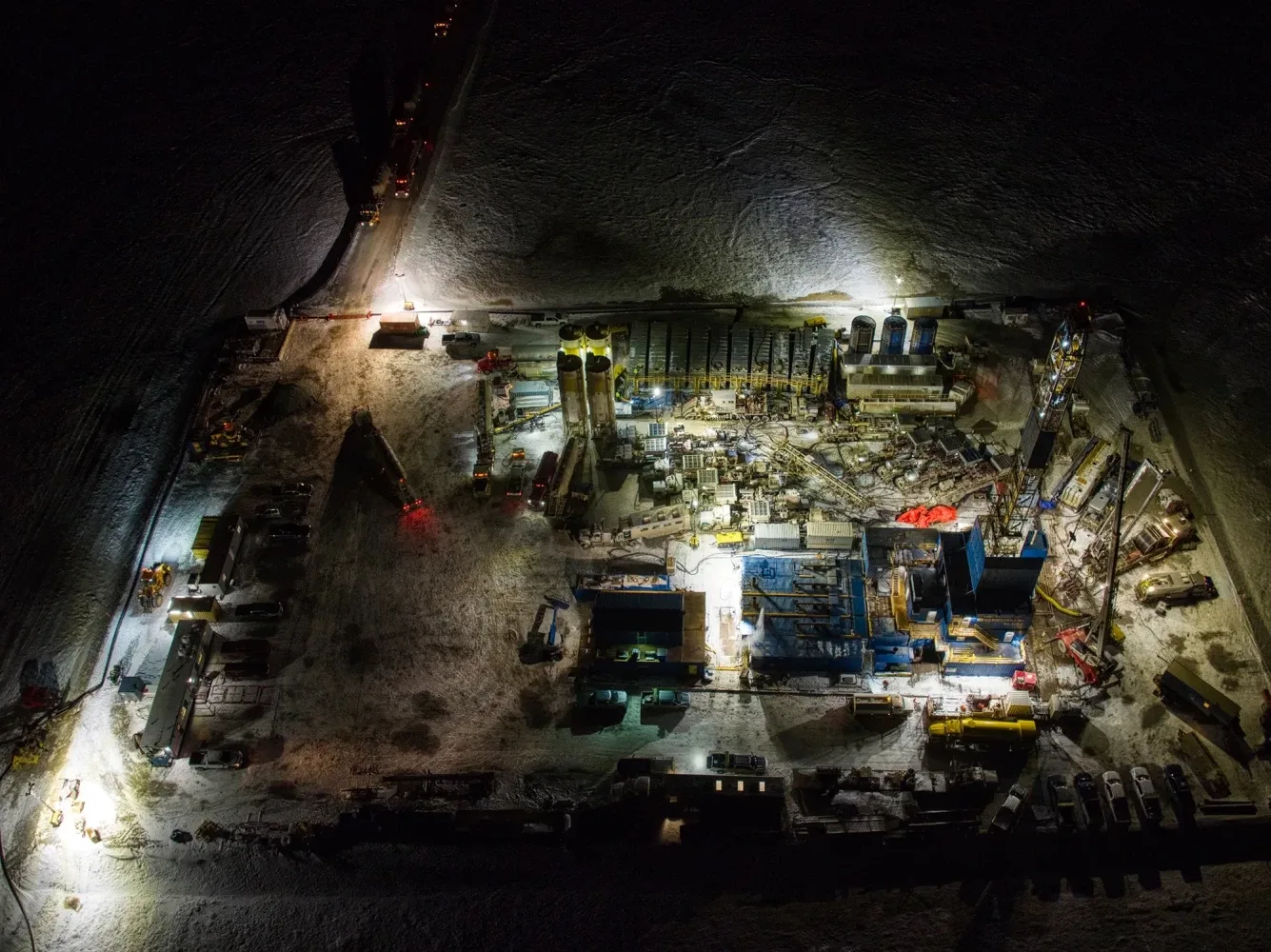
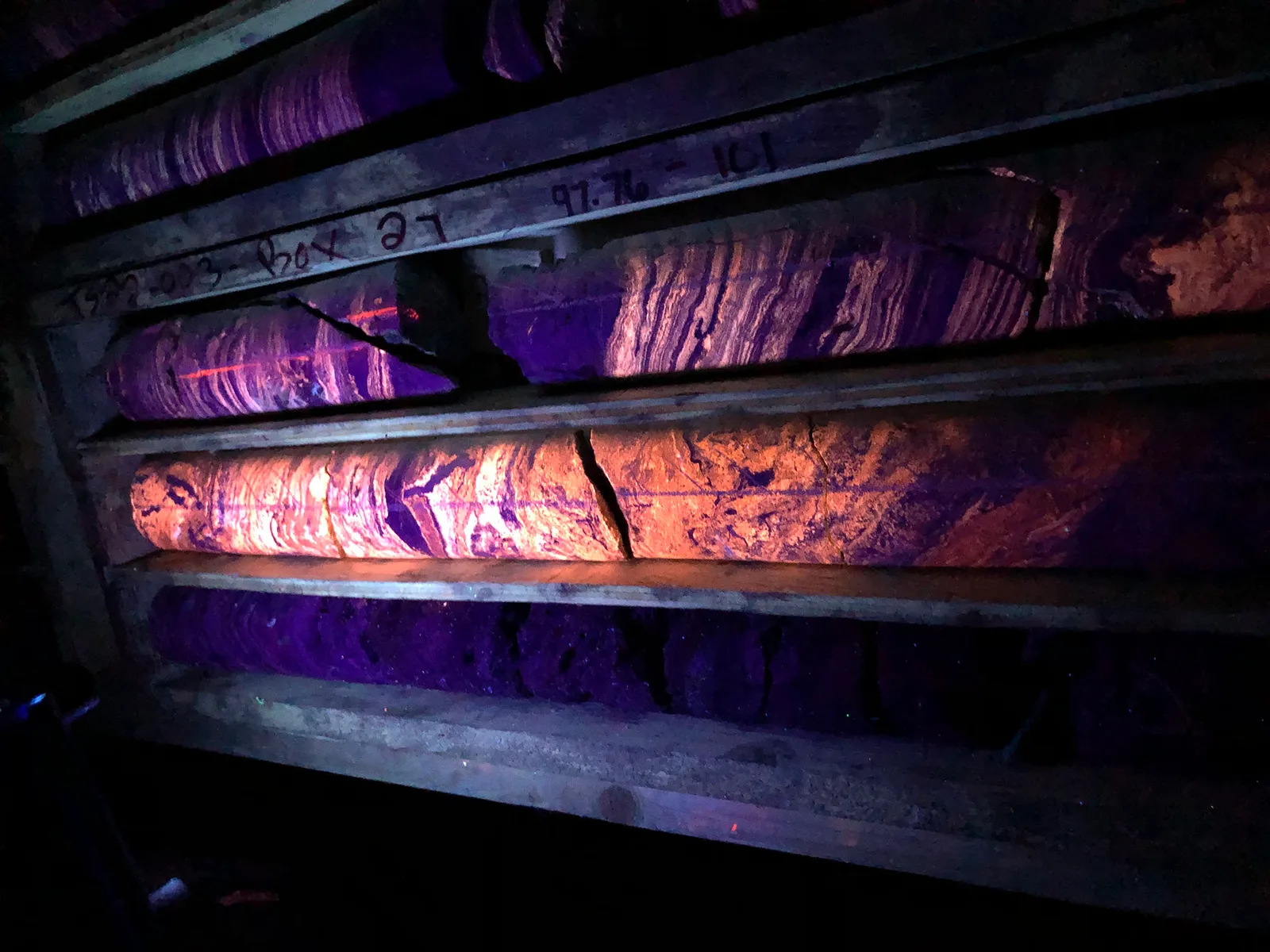
The company says the move is about focus and cash. Guardian wants its money and management time spent on its two tungsten projects in Nevada: Pilot Mountain, where a pre-feasibility study (PFS) was published in June, and Tempiute, a former Union Carbide mine where it is drilling towards a first mineral resource estimate.
If the deal goes ahead, the claim maintenance and exploration costs of the three non-core projects would be paid by Spin-Co instead of competing with the tungsten budget. Spin-Co would have its own board, management and fundraising. Chief executive Oliver Friesen said of the gold, silver and copper assets that "we believe they would be better served as a standalone company".
Guardian is keeping its early-stage tungsten ground, including the wholly owned Pilot North, Cinch and White Elephant projects, which it links to what it calls a hub-and-spoke strategy around its two main projects.
The proposal in numbers
- 3 Nevada projects proposed for Spin-Co: Garfield, Golconda Summit and Stonewall
- Q2 2027 targeted AIM admission for Spin-Co
- 199.6m Guardian shares in issue after the latest option exercise
What Shareholders Would and Would Not Get
Guardian says it is not announcing a distribution of Spin-Co shares to its own shareholders. Under the structure now envisaged, Guardian itself would hold the Spin-Co shares, and its investors would keep only indirect exposure through that holding.
The size of the holding is not fixed. Guardian says it expects to remain a significant shareholder, but its final percentage depends on how much money Spin-Co raises on listing. A larger fundraising would dilute Guardian's stake. The asset perimeter, valuation, ownership split, funding arrangements and governance are all still to be decided, as are transaction costs and any transitional funding Guardian might provide.
The deal could also count as a transaction under the AIM Rules for Companies. Guardian says it will run the class tests and, where they apply, follow the notification, related-party and shareholder approval requirements. The company also cautions that a separate listing gives no assurance of any increase in value.
Points to note
- The plan is approved in principle only; no binding agreements exist
- Regulatory, third-party and final board approvals are still needed
- Spin-Co shares would go to Guardian, not directly to its shareholders
- Guardian's stake could be diluted by a Spin-Co fundraising
- Timing depends on market conditions and may slip
Option Changes for the Chief Executive
The same announcement updated the share options of Mr Friesen. An option over 2,104,859 shares at 10.75p, granted in May 2023 before Guardian's AIM listing, was meant to be a tax-advantaged EMI option under UK rules but did not qualify.
Under arrangements first announced on 17 July 2026 and restated in this update, the board granted a new EMI option over 181,817 shares at 10.75p, the most allowed under the £250,000 individual limit, extended the original option by five years to 3 May 2031, and agreed to cover the net tax cost of the original option not qualifying, subject to a cap. The independent directors said the terms were fair and reasonable for shareholders.
The Tungsten Business Behind the Decision
Guardian's case rests on tungsten, a metal used in defence and industry, which China has restricted for export since February 2025. The Pilot Mountain PFS shows an after-tax net present value of US$660.3m at an 8% discount rate and an internal rate of return of 59.6%, using a base-case price of US$197,300 a tonne of tungsten trioxide (WO3). Initial capital is estimated at US$288.7m and first production is targeted for late 2028, subject to federal permitting.
At 30 June, Guardian held US$52.5m in cash after raising US$89.3m in equity during its financial year, including about US$68.3m from its NYSE American listing. It reported a loss of US$10.0m for the year. Like any pre-production miner, it will need much more money, from debt, equity or partners, to build a mine, and permits for Pilot Mountain are not yet in hand.
Guardian says it will publish further details once the structure and key commercial terms of the spin-out are settled.