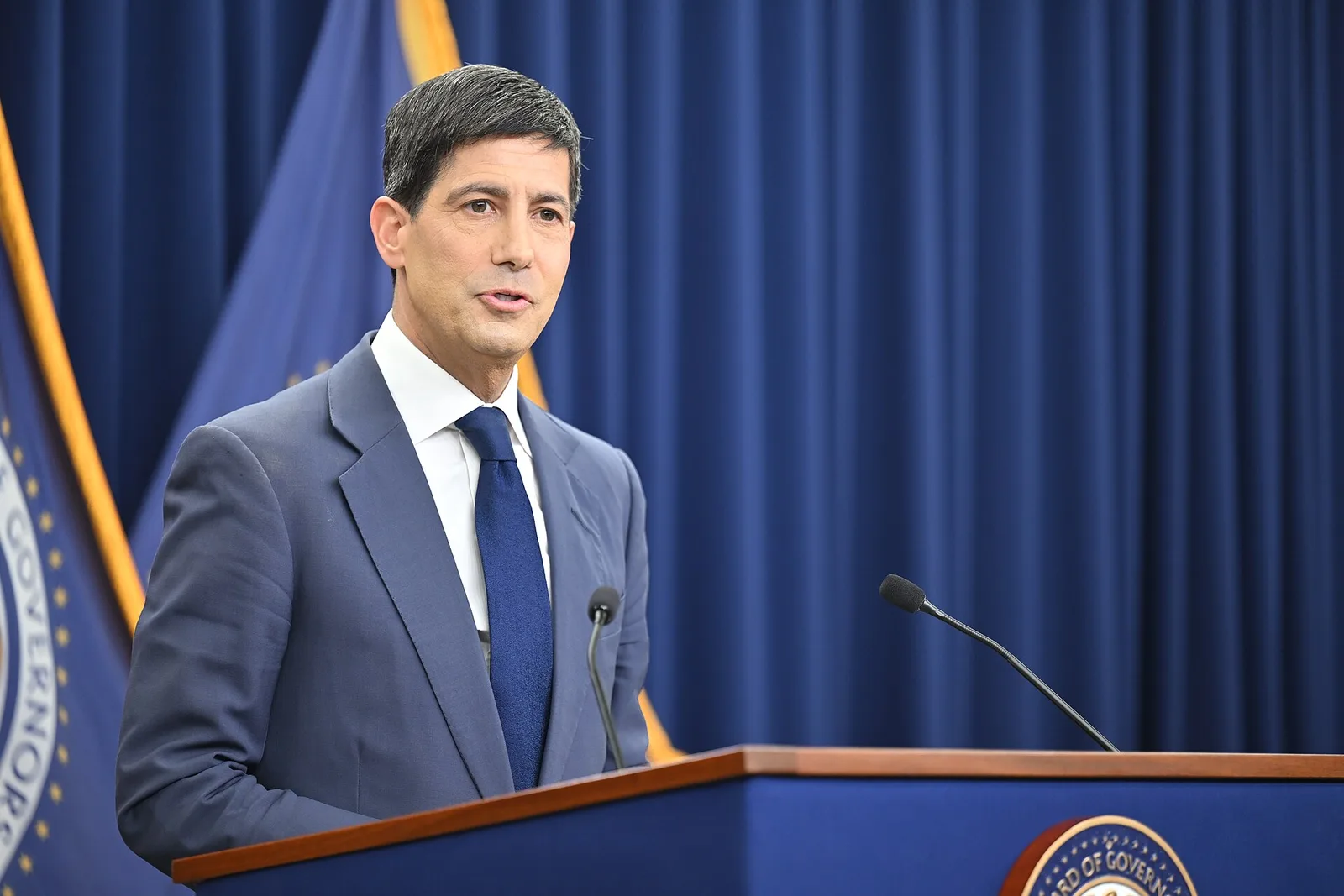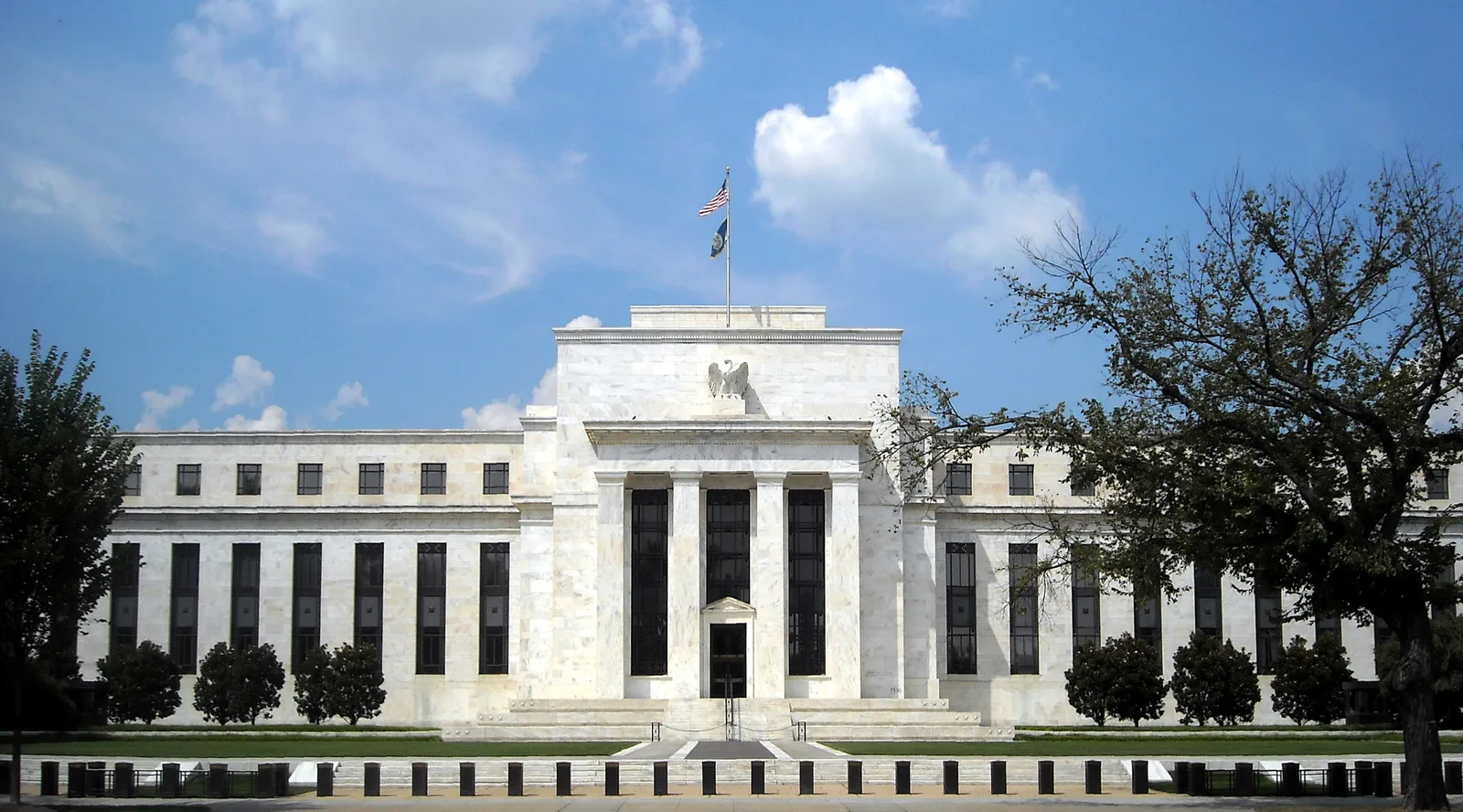
Kevin Warsh, chairman of the US Federal Reserve, on Monday 16 November set out three staff scenarios for how artificial intelligence could reshape the American economy, including one in which it disappoints, share prices fall and unemployment rises. On the same day Cleveland Fed president Beth Hammack said inflation was heading the wrong way and backed slow, steady rate rises, three weeks before the Fed's last meeting of the year.
The Fed on Monday 16 November
- 3 AI scenarios drawn up by Fed staff, one ending in a slowdown and higher unemployment
- 3.75% to 4% the Fed's main rate, held in October by a 10 to 2 vote
- 7.8 the New York factory index, down 18 points, with prices paid easing to 45.9
Warsh sketched an AI boom, a jobs shock and a bust
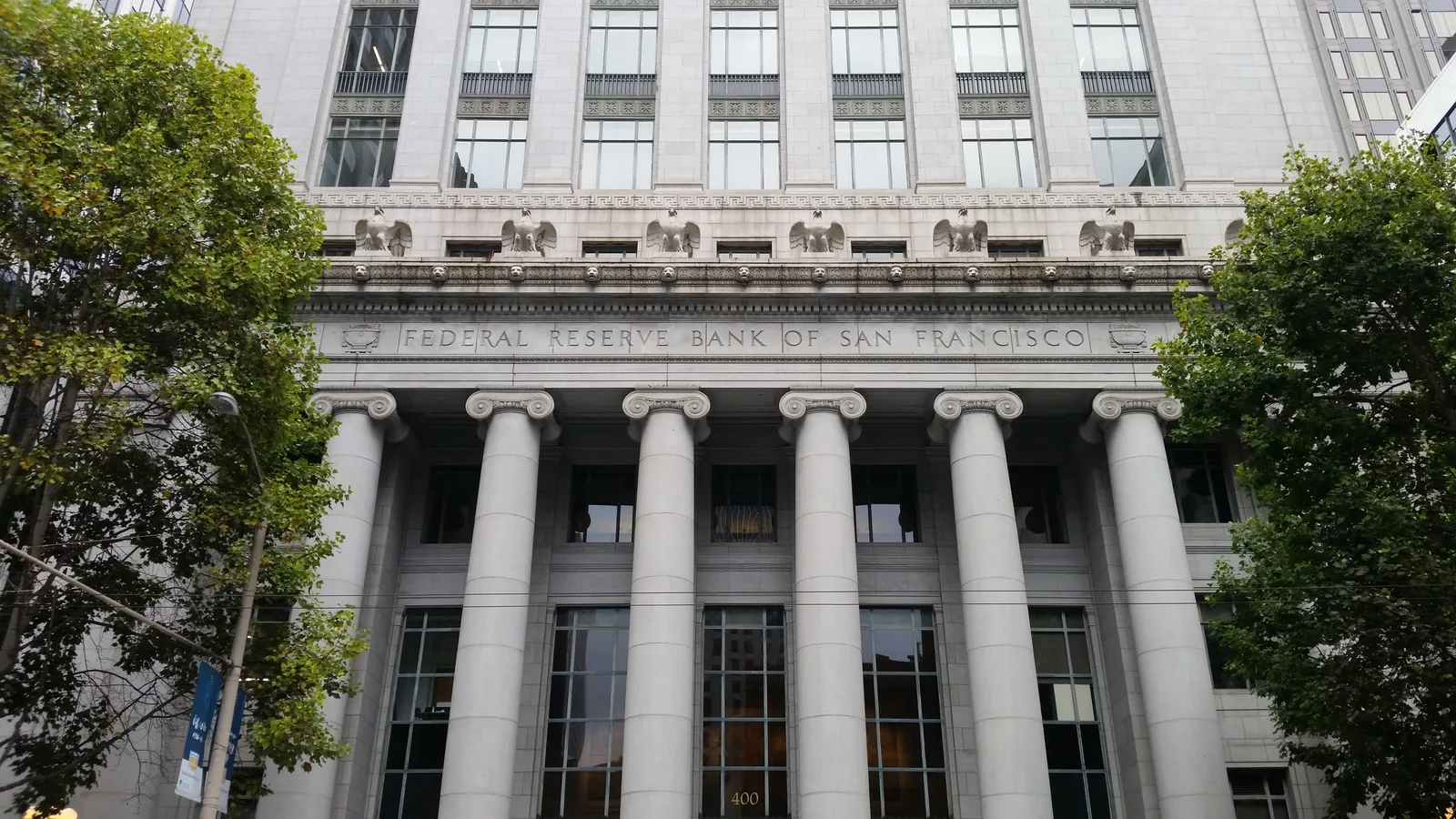
Warsh was in San Francisco to open a conference of the Productivity and Jobs Task Force, one of five task forces he has convened as chairman. It was his first visit to a regional Reserve Bank as chairman, he said.
He called the technology "super intelligence", or SI, and described it as "an entirely new force in economic life and society". Fed Board staff have begun to test a range of outcomes using simplified, model-based frameworks. "These are illustrative scenarios, not forecasts," he said.
In the first, productivity rises and the gains are shared broadly between workers and the owners of capital. Growth runs persistently above its long-run average and the US stays close to full employment. In the second, growth is still strong, but some jobs are displaced rather than helped by the technology, and the jobless rate climbs above the level consistent with full employment.
The third matters most to shareholders. "Or SI could disappoint," Warsh said. "After significant capital investment and stock market gains, expected returns could turn down and equity valuations could fall, leading to an economic slowdown and a more notable rise in unemployment." He added: "In time, the economy would recover, but without the productivity gains."
He drew no conclusion for interest rates. "At the Fed, our role in all this is neither advocacy nor opposition," he said, adding that wide adoption of the technology would carry "important implications for monetary policy down the road."
Hammack wants slow, steady rate rises
Hammack, who has a vote on rates this cycle, told Bloomberg Television that inflation was going in the wrong direction and that price pressures appeared to be broadening, according to an FXStreet account of the interview. Businesses, she said, were becoming more accepting of price rises and were passing more of them on.
Her answer is to raise rates slowly, in smaller steps, so the economy can adjust. Financial conditions, meaning how cheap and easy it is to borrow across markets, are still not restraining the economy in her view, so higher market borrowing costs are needed. The economy can cope with more restriction, she said, though it is unclear how far the Fed has to go.
On AI, she said the range of possible effects was very wide, and that technology investment was adding to inflation pressure.
She has already voted for a rise. On Wednesday 28 October Hammack and Governor Lisa Cook dissented from the 10 to 2 decision to hold the federal funds rate, the Fed's main rate, at 3.75% to 4%, preferring a quarter-point increase, the Fed's statement shows. That statement said inflation "remains elevated".
New York factories slowed and price pressure eased
The day's one hard number came from the New York Fed's Empire State Manufacturing Survey, a monthly poll of factories in New York State. A reading above zero means more firms reported improvement than decline.
| Empire State survey, November | Reading | Move from October |
|---|---|---|
| General business conditions | 7.8 | down 18 points |
| Number of employees | 18.1 | up sharply, highest since June 2022 |
| Prices paid | 45.9 | down 14 points |
| Prices received | 27.2 | down 3 points |
| Capital spending plans | 23.0 | up 9 points, highest since December 2022 |
Source: Federal Reserve Bank of New York, responses collected 2 to 9 November.
Activity "increased modestly" after strong growth in October, the New York Fed said. Prices kept rising "at an elevated pace", but the 14-point drop in prices paid pointed to a "significant moderation" in input price increases. Hiring and investment plans point the other way, leaving the Fed a mixed picture.
The December meeting is the next test
The Fed's rate-setting committee meets on Tuesday 8 and Wednesday 9 December, its last meeting of 2026, and officials will publish fresh economic projections alongside the decision, according to the Fed's meeting calendar. Warsh stressed he was not making predictions, and Hammack said she goes into every meeting with an open mind.
How a Fed rate rise reaches households
- Borrowers: the Fed raises rates when inflation runs above its 2% goal, lifting borrowing costs across the economy
- Currency: higher US rates tend to strengthen the dollar, which matters for anyone holding US assets in euros or pounds
- Shareholders: Warsh's third scenario is the one in which heavy AI investment and stock market gains give way to falling valuations
Warsh did not say the AI boom would end badly, only that the Fed is now planning for the possibility. "We can't know the future and ought not to pretend otherwise," he said.
Questions and answers
What did Kevin Warsh say about AI disappointing?
He said Fed staff had drawn up three illustrative scenarios. In one, AI disappoints after heavy investment, share prices fall and unemployment rises, before the economy recovers without the productivity gains.
Will the Fed raise interest rates in December 2026?
The Fed has not said. Its next decision is due on Wednesday 9 December. Cleveland Fed president Beth Hammack, who voted for a rise in October, said on 16 November that she favours slow, steady increases.
Sources
- Federal Reserve Board: Opening remarks by Chairman Warsh at the Federal Reserve's Productivity and Jobs Task Force Conference
- FXStreet: Fed's Hammack backs slow hikes as inflation broadens
- Federal Reserve Bank of New York: Empire State Manufacturing Survey, November 2026
- Federal Reserve Board: FOMC statement, 28 October 2026
- Federal Reserve Board: FOMC meeting calendars