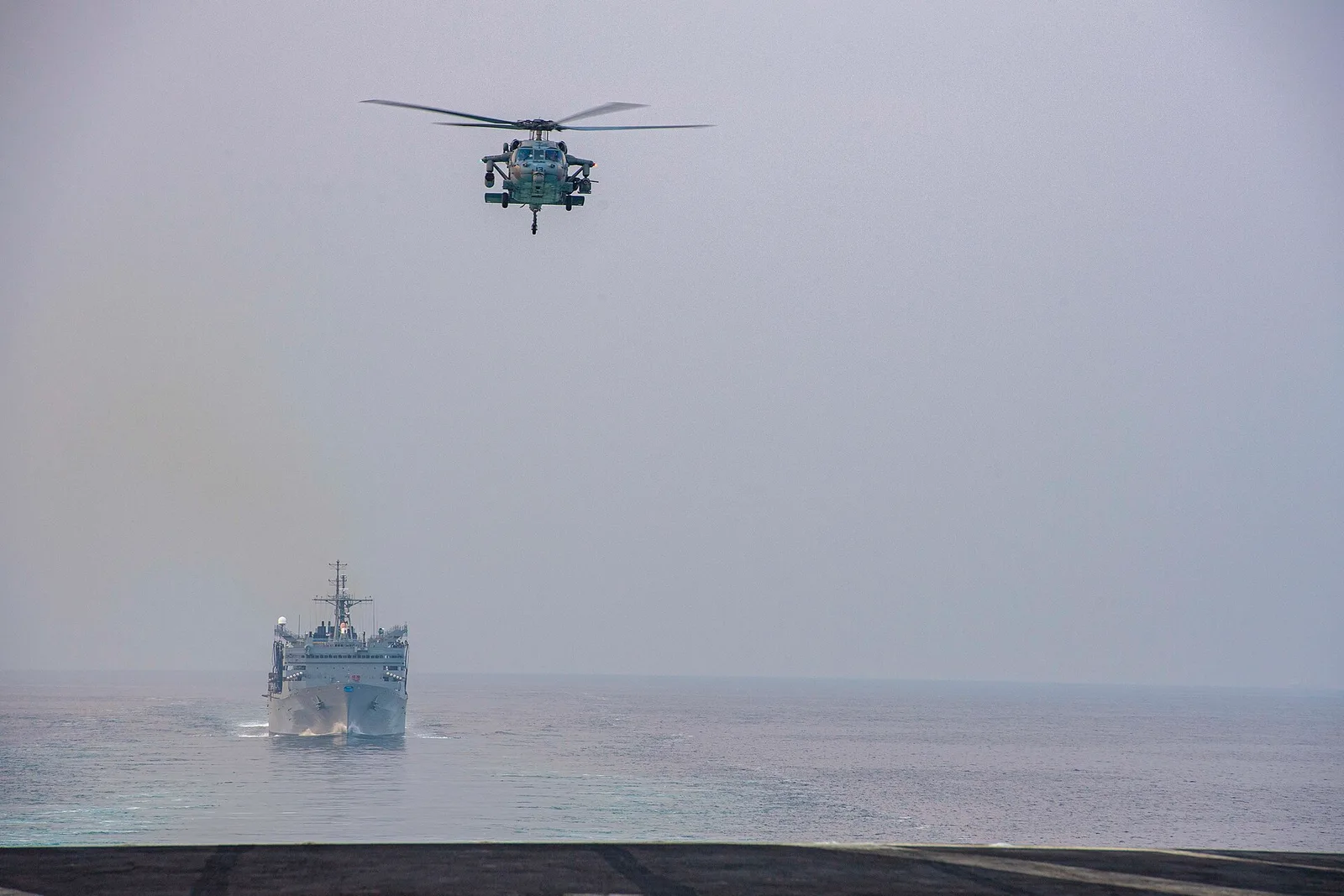
Brent crude oil slipped 0.6% to about $92 a barrel early on Monday 23 November, even though Iran fired missiles and drones at Bahrain on Saturday night and more tankers were hit near the Strait of Hormuz. Traders are betting that a growing supply surplus outweighs the war. That bet faces a hard test if Iranian tankers try to run the US naval blockade, and another on Sunday 29 November, when OPEC+ meets to plan its 2027 output.
Oil before Monday's open
- $91.98 Brent crude a barrel at 04:00 CET on Monday, down 0.6% (Trading Economics)
- 7 oil tankers hit near the Strait of Hormuz since 16 November (Joint Maritime Information Centre)
- $78 Goldman Sachs's forecast for Brent in December 2027, made on 15 November
What Iran hit in Bahrain and the Strait of Hormuz
Bahrain has been attacked several times in a week, ending a lull of several weeks in the war, AFP reported. On Saturday 21 November the kingdom's interior ministry said that "as a result of the heinous Iranian aggression, a civilian industrial facility was targeted, causing a fire at the site". It did not say where, but residents told AFP they saw smoke rising over Sitra Island, home to the refinery run by Bapco, the state oil company.
Iran tells it differently. The Revolutionary Guards said they fired missiles and drones at US military positions and struck two radars belonging to Patriot air defence systems, AFP reported. Neither Bahrain nor the US military confirmed those claims, according to Euronews. Bahrain's interior ministry said two people were injured in Saturday's attacks, one of them critically, Gulf News reported on Sunday.
At sea, the British maritime agency UKMTO said two tankers were struck on Saturday, one by an "unknown projectile" and one in its engine room, AFP reported. Euronews counted at least three tankers attacked that day. Seven oil tankers have been hit since 16 November, the Joint Maritime Information Centre said, according to Gulf News, the latest between 8 and 17 nautical miles from Khasab in Oman.
Why the Brent oil price fell after the attacks
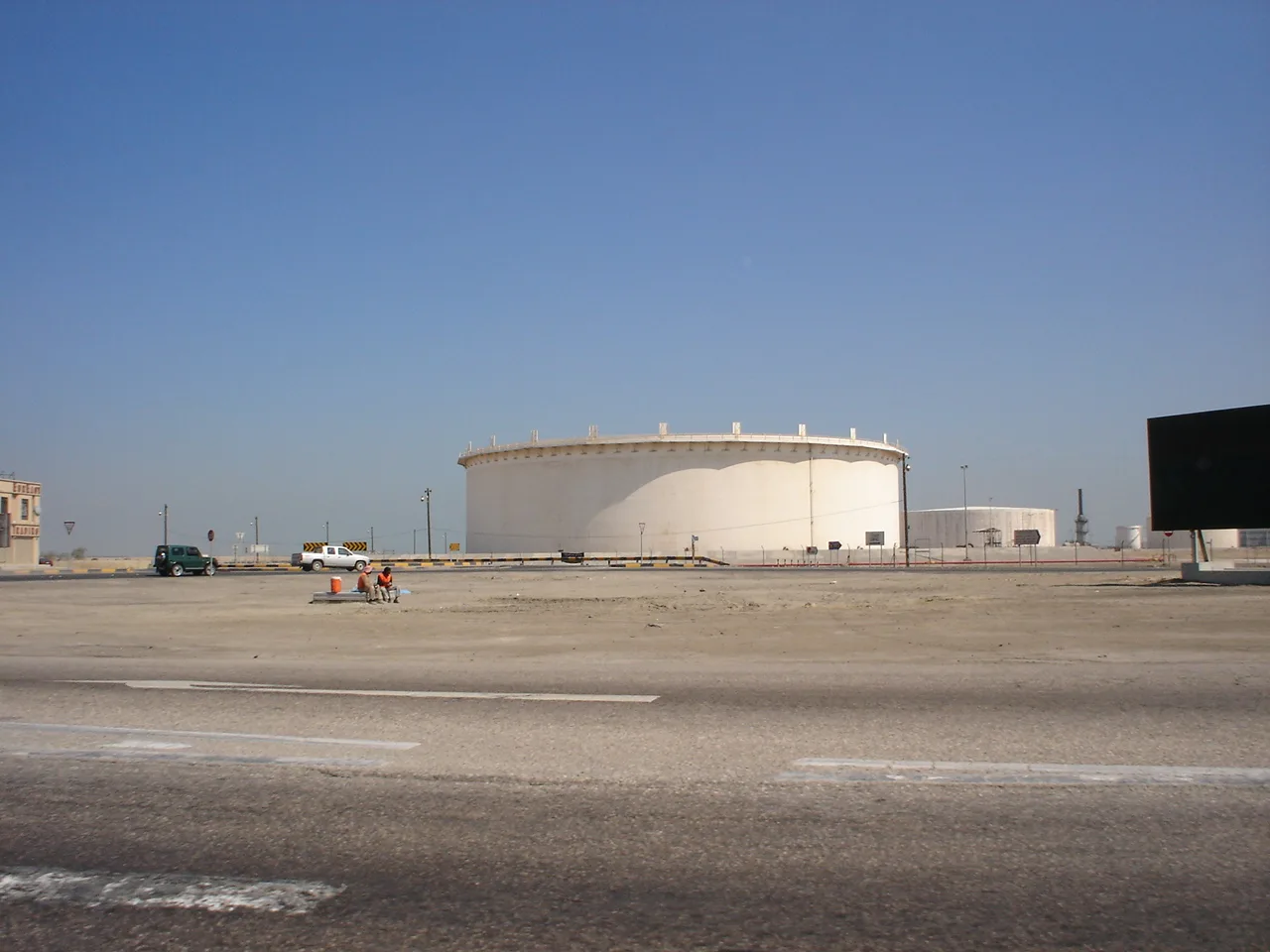
Brent, the international benchmark, stood at $91.98 at 04:00 CET on Monday, down 0.6%, on Trading Economics' indicative price. West Texas Intermediate, the US benchmark, was 0.5% lower at $83.02.
Brent had settled at $92.57 on Friday 20 November, International Business Times Australia reported. That sealed a third straight weekly loss, of 3.4%, and left the price roughly 20% lower in November.
Oil has settled into a pattern of gains on Fridays, when traders fear a weekend escalation, and sharp falls early in the week when the fears come to nothing, Bloomberg noted on 17 November. This weekend the escalation came. The price eased anyway, as it did a week earlier after Iran's mine claims.
The reason is barrels. In its monthly report on Friday 13 November, the International Energy Agency said Gulf crude exports reached 15 million barrels a day in October, 82% of their pre-war level. Its figures suggest the market "will return to a surplus" in the last quarter of 2026, "with a more substantial build in 2027". Bloomberg and Trading Economics put the agency's forecast surplus at about 2 million barrels a day this quarter. That is a striking turn for what the agency's annual outlook calls the largest energy supply shock on record.
Goldman Sachs sees a glut coming too. In a note dated Sunday 15 November it forecast Brent averaging $88 next year and slipping to $78 by December 2027, Reuters reported. Forecasts can be wrong, and Goldman named one way this one might be: it sees "upside risk to market prices in the near-term from intensified shipping attacks and oil infrastructure damage".
How Iran's tanker convoy could test the US blockade
Hamshahri, an outlet linked to Tehran's municipality, reported that 14 tankers were preparing to move at Kharg Island. Nobody has independently confirmed it, Gulf News said, and one adviser it cited called a 14-ship breakout almost logistically impossible.
Iran may not need a convoy. Windward, a maritime intelligence firm, counted 31 laden, sanctioned tankers already outside the strait between 13 and 20 November, four of them crude carriers with an estimated 4.9 million barrels on board. The closest, a Suezmax tanker called TOUR 2, was spotted off the Iranian city of Chabahar, three to six hours' sailing from the US blockade line.
Deputy foreign minister Kazem Gharibabadi, who calls the blockade an act of war, said Iran has warned Washington that its convoy will sail soon for China, Euronews reported, and Tehran has threatened to strike energy sites across the Gulf if the ships are stopped.
Donald Trump sounded unbothered. Asked on Fox News on Sunday about Iran testing the blockade, he replied: "I hope they do, they'll all be at the bottom of the sea like the rest of the navy," Gulf News reported. He is inclined to resume strikes after the New Year if talks fail, Fox's Trey Yingst reported, days after reports that he was weighing new strikes briefly lifted Brent.
The test may already have begun. UKMTO said on Sunday evening that a tanker was involved in an incident with "military forces" in the Gulf of Oman, near Chabahar. A maritime security analyst said on X that the US had struck a tanker exporting Iranian oil. Neither Washington nor Tehran had confirmed it by 02:53 CET on Monday, Gulf News said.
What to watch before OPEC+ meets on 29 November
What could move oil this week
- Whether an Iranian tanker reaches the blockade line, and what the US military does
- Qatar's mediation: Iran says a Qatari delegation held two hours of talks in Tehran on Friday
- Thin US Thanksgiving trading, which can exaggerate price swings
All 21 OPEC+ members are due to meet on Sunday 29 November, when analysts expect them to decide 2027 quotas, Reuters reported on 1 November. "OPEC+ faces an extremely difficult call for 2027," Jorge Leon, an analyst at Rystad, said that day.
Why is the oil price falling today?
Brent crude was down 0.6% at $91.98 a barrel at 04:00 CET on Monday 23 November, according to Trading Economics, because traders expect supply to exceed demand despite Iran's weekend attacks on Bahrain.
When is the next OPEC+ meeting?
All 21 OPEC+ members are due to meet on Sunday 29 November 2026, when analysts expect them to set oil production quotas for 2027, Reuters reported.
Sources
- RTE (AFP): Tanker struck in strait as Bahrain says Iran hit facility
- Euronews: Iran attacks US bases in Bahrain as its tankers get ready to break the US blockade
- Gulf News: Middle East conflict: Bahrain intercepts Iranian attacks as Tehran prepares 14 oil tankers to breach US naval blockade
- Trading Economics: Brent Slips on Signs of Robust Global Supplies (Brent crude price and market note)
- Trading Economics: Oil Slips on Signs of Robust Global Supplies (WTI crude price and market note)
- International Business Times Australia: Oil Prices Snap Back as Tanker Fire Near Hormuz Revives War Fears, but Brent Still Posts Third Weekly Loss
- International Energy Agency: Oil Market Report, November 2026
- BOE Report (Reuters): Goldman sees Brent easing to $78 a barrel by end-2027 as markets adapt
- Transport Topics (Bloomberg): Oil prices swing as vessel attacks reported around Hormuz
- Daily Sabah (Reuters): OPEC+ keeps December output intact ahead of tougher call for 2027