Brent crude rose toward $93 a barrel on Thursday on reports that President Donald Trump is weighing fresh military strikes on Iran, a day after Iran's army said three tankers had been disabled by mines in the Strait of Hormuz. The bounce is small next to the month's damage: Brent is still about 18% below its end-of-October level, pulled down by recovering Gulf supply, a larger-than-expected 3.4 million barrel build in US crude stocks and an IEA forecast of a return to surplus.
Brent on Thursday 19 November
- $92.80 Brent crude a barrel, up 0.9% on the day (Trading Economics)
- 3.38m barrels rise in US commercial crude stocks in the week to 13 November (EIA)
- $3.805 average US price of a gallon of regular petrol on Monday 16 November (EIA)
Why Brent crude rose on Thursday
Traders were weighing reports that Trump is considering more strikes against Iran, with Israeli Prime Minister Benjamin Netanyahu reportedly urging him to join a four to seven day military campaign, according to Trading Economics.
The talk of renewed fighting has a military backdrop. On Wednesday Admiral Brad Cooper, head of US Central Command, met Israel's military chief Eyal Zamir and Mossad director Roman Gofman. The Israeli newspaper Yedioth Ahronoth reported that Cooper and Zamir discussed their forces' readiness to resume large-scale operations against Iran if needed, Anadolu Agency said.
By 07:08 GMT on Thursday, Brent futures for January delivery were up 0.57% at $92.47, against a previous close of $91.95, Anadolu reported. Trading Economics later put the benchmark at $92.80. West Texas Intermediate, the US benchmark, was at $82.51. That leaves Brent only a touch above Monday's 3.6% fall to $92.44 and close to its lowest level since late August.
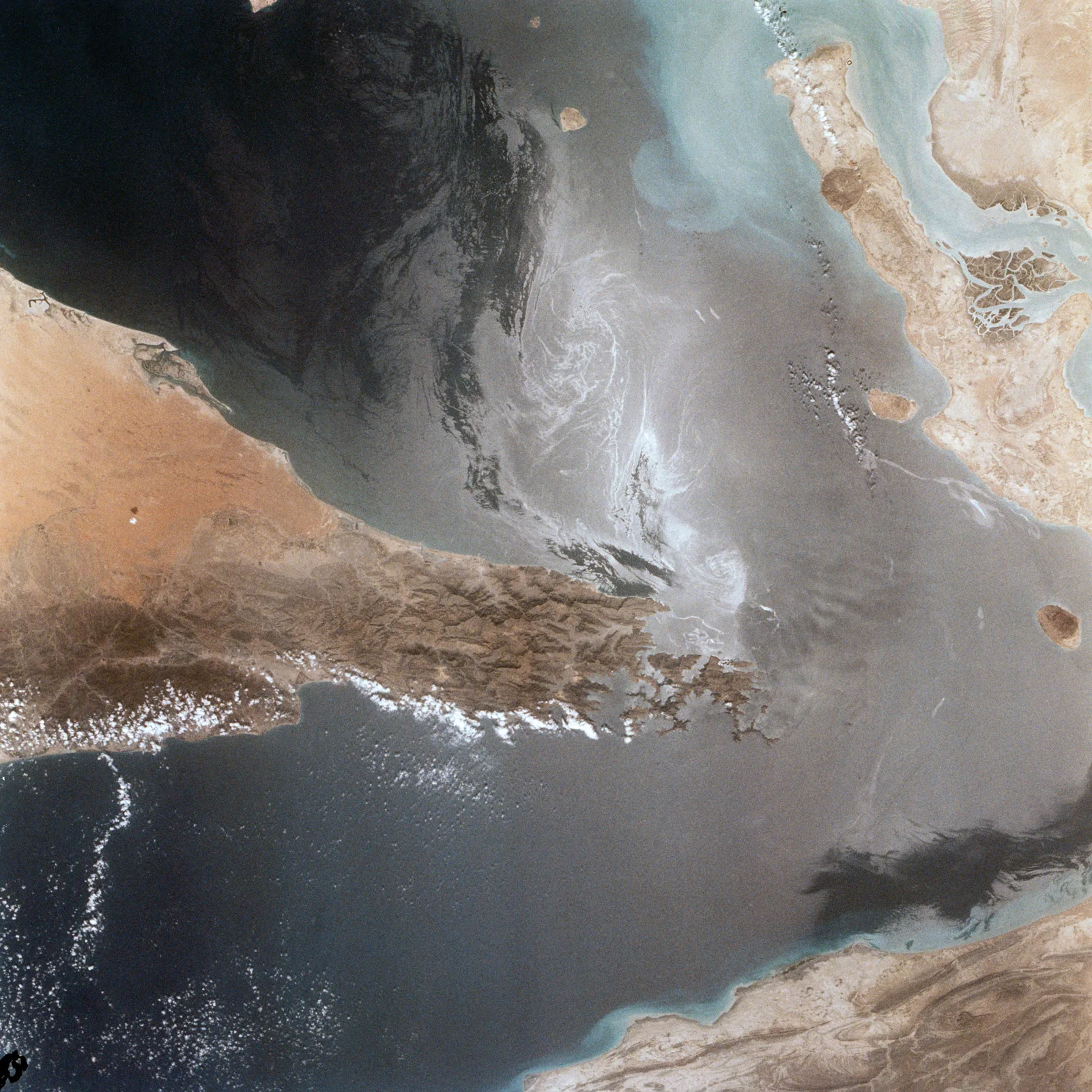
What happened to ships in the Strait of Hormuz this week
Adnoc Logistics and Services, the shipping arm of Abu Dhabi's state oil company, said one of its vessels was attacked while passing through the strait on Tuesday evening. Eleven crew were injured and one is missing; everyone else was evacuated and a search and rescue operation is under way. "Adnoc reiterates the importance of protecting seafarers and safeguarding freedom of navigation and maritime security," the company said, according to The National.
The same day a Panama-flagged gas tanker, the Tara Gas, was struck in the strait and seen engulfed in flames. India's foreign ministry said 21 crew were evacuated, two were taken to hospital and one is unaccounted for, The National reported.
Then on Wednesday Iran's army said three oil tankers had hit naval mines and caught fire in the eastern part of the strait, leaving them unable to sail. It said the ships had switched off their navigation systems and entered an area it had declared off-limits. Iran gave no names, flags or owners, and the claim has not been independently confirmed.
Why oil is still down in November despite the attacks
Brent's January contract settled at $113.43 on Friday 30 October, according to Nation Thailand, so Thursday's price is roughly 18% lower. The slide began with the steepest weekly fall since 2020 early this month, as hopes of a diplomatic end to the war grew.
The latest blow came from the US Energy Information Administration on Wednesday. Its weekly report shows commercial crude stocks, which exclude the government's emergency reserve, rose 3.38 million barrels to 417.8 million in the week to 13 November. Markets had expected a rise of only about 400,000 barrels, Anadolu said. Petrol stocks rose 5.19 million barrels and distillates, which include diesel, rose 1.57 million.
| US stocks, week to 13 November | Level (m barrels) | Weekly change (m barrels) |
|---|---|---|
| Commercial crude oil | 417.8 | +3.38 |
| Motor gasoline (petrol) | 215.9 | +5.19 |
| Distillate fuel oil | 104.9 | +1.57 |
| Strategic Petroleum Reserve | 276.4 | -3.17 |
The International Energy Agency had set the tone a week earlier. "Our November supply and demand balances suggest that the global oil market will return to a surplus in 4Q26," it said in its monthly report on 13 November. World supply has climbed by 5.3 million barrels a day since August as Gulf exports recover, while the agency expects demand to fall 2.7 million barrels a day this year to 102.3 million, the tail end of this year's oil demand shock.
What the IEA's November report says
- Global oil market to return to surplus in the fourth quarter of 2026
- World supply reached 105.4 million barrels a day in October
- North Sea Dated crude fell 32% from a $136 peak in early October to $93
- European diesel near $180 a barrel, still 77% above pre-war levels
What the oil price means for petrol, diesel and inflation
Cheaper crude is reaching drivers, slowly. The EIA's weekly survey put the average US price of regular petrol at $3.805 a gallon on Monday 16 November, down from $4.153 two weeks earlier but still 74 cents higher than a year ago. Diesel averaged $5.937 a gallon, about $2.07 above last year.
Diesel is where the squeeze lingers. The IEA calls product supply, especially diesel, severely tight, which helps explain why pump prices have outpaced crude in Europe. In Britain a record diesel price helped push UK inflation to a one-year high in October.
Interest rates are pulling the other way. Expectations of a US rate rise in December weighed on oil this week, Anadolu said, after the Fed minutes signalled more rate hikes and lifted the dollar, which makes crude dearer for buyers paying in other currencies.
For now the market sits between a supply surplus on paper and a shipping lane under fire. The IEA itself warns that attacks on shipping undermine the maritime security on which a lasting recovery depends.
Why did oil prices rise today?
Brent rose toward $93 a barrel on Thursday 19 November on reports that President Trump is weighing new strikes on Iran, and after Iran's army said three tankers hit mines in the Strait of Hormuz on Wednesday.
How much has Brent fallen in November?
Brent is down about 18% this month, from the $113.43 the January contract settled at on 30 October to around $92.80 on 19 November, as Gulf supply recovers and US stocks rise.
Are US petrol prices falling?
Yes. The EIA put the average price of regular petrol at $3.805 a gallon on 16 November, down 19 cents in a week, though still 74 cents above a year earlier.
Sources
- Anadolu Agency: Oil prices rise on Hormuz shipping risks as surplus outlook caps gains
- Anadolu Agency: 3 oil tankers disabled by mine blasts in Strait of Hormuz: Iranian army
- Trading Economics: Brent crude oil
- US Energy Information Administration: Weekly Petroleum Status Report, 18 November 2026
- US Energy Information Administration: Weekly Petroleum Status Report, Table 1
- US Energy Information Administration: Gasoline and Diesel Fuel Update
- International Energy Agency: Oil Market Report, November 2026
- The National: Adnoc L&S ship attacked in Strait of Hormuz with one crew member missing
- Nation Thailand: Brent ends October up 13.6% as Iran war risks unsettle markets