Brent crude was heading for its steepest weekly fall since the Covid-19 crash of March 2020 on Friday, trading just above $98 a barrel after a week of rising hopes for a diplomatic end to the Iran war. The international benchmark was down about 16 percent on the week, while US crude lost about 12 percent.
A Week of Peace Bets in the Oil Market
The slide began on Monday. Brent settled at $104.77 a barrel, down 7.63 percent, and West Texas Intermediate at $96.46, down 7.36 percent, after reports that Iran's supreme leader had given the government some authority to hold talks with Washington. US Secretary of State Marco Rubio said President Trump had not decided to attack Iran and that the US would prefer to settle the conflict peacefully.
Prices eased again on Tuesday, with Brent settling at $103.60, down 1.12 percent, on speculation of progress in the US-Iran negotiations. Wednesday brought a second heavy blow: both benchmarks fell more than 8 percent after Democrats' clear victory in the US midterm elections. Investors expected the result to increase pressure on the administration to end the war, a view reinforced when Vice President JD Vance blamed the conflict for Republican losses.
By Friday afternoon Brent was holding above $98 and WTI was close to $91. In early London trading Brent had briefly approached $100 before settling back. Trading Economics described the week as the sharpest decline since March 2020.
Oil's week in numbers
- -16% Brent's approximate weekly loss, the most since March 2020
- -7.63% Brent's fall on Monday, to $104.77
- -12% S&P 500 energy sector this week, its worst sector
Iran's Conditions for Reopening the Strait of Hormuz
The market is now pricing a less disruptive outcome to a conflict that has lasted about eight months. Just a week ago the picture was very different: on Friday 30 October Brent was trading at $117.50, up more than 13 percent for the month of October.
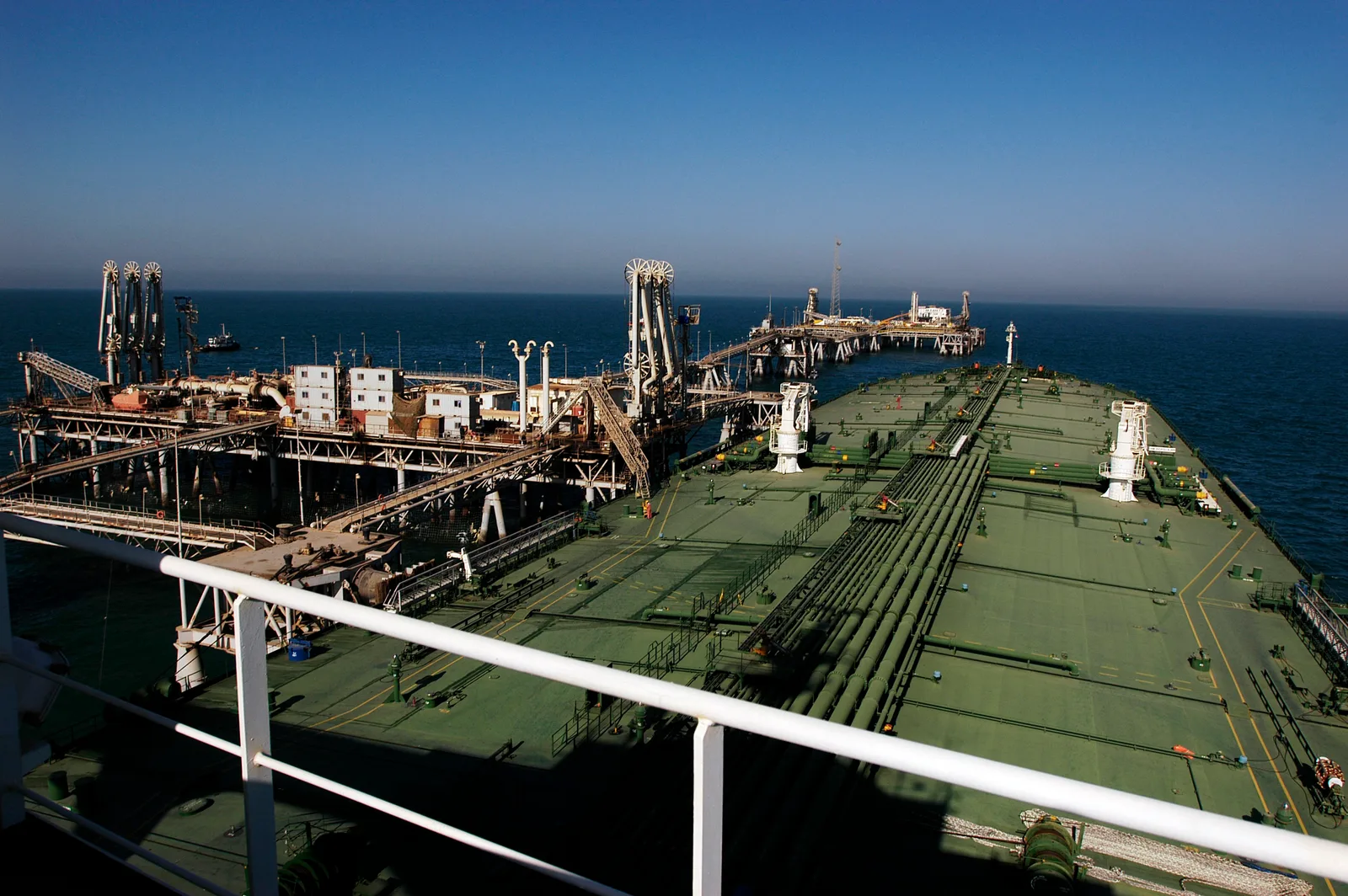
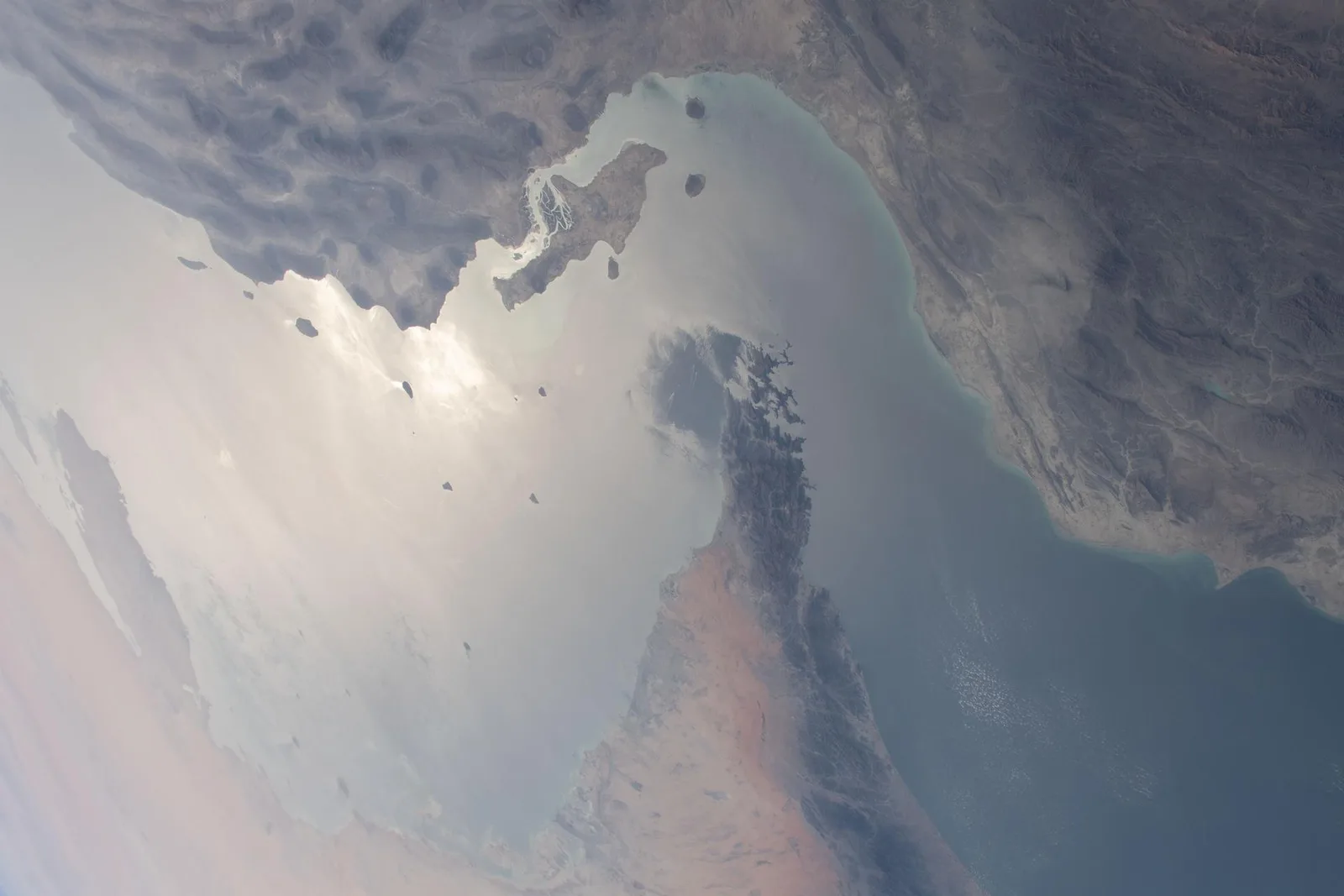
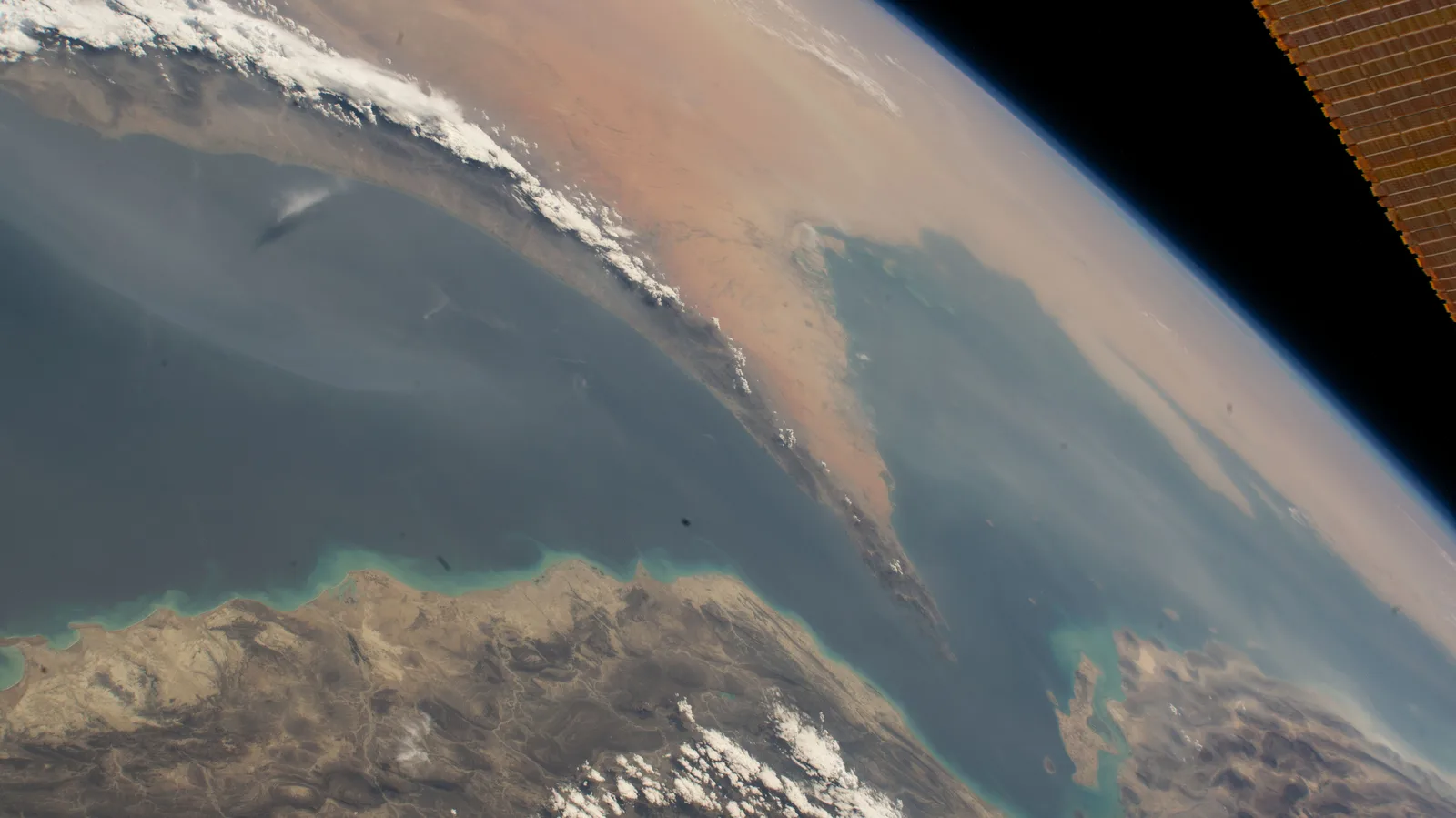
The obstacles to a settlement remain large. Iran wants the US naval blockade lifted, sanctions relief and its frozen assets released before it fully reopens the Strait of Hormuz, the route for a large share of the Gulf's crude exports, according to Trading Economics.
Some analysts see the sell-off as premature. Bob McNally, chief executive of Rapidan Energy Group, told CNBC he puts the odds of renewed US-Iran fighting at 80 percent and expects both Brent and WTI to climb back above $100. On the gap between the two sides, he said "the escalation dynamic remains in place".
The disruption is still visible in shipping. On Thursday Maersk said the closure of the strait was one of the factors behind a 46 percent rise in its average freight rates, as it raised its full-year profit guidance to between $14 billion and $14.5 billion.
Energy Shares Take the Hit
The price fall hit producers hard on Wall Street. The S&P 500 energy sector was on course for a weekly loss of nearly 12 percent on Friday, the worst performance of the index's 11 sectors and almost double the decline of information technology, which suffered its own sell-off on Thursday.
For European investors, the drop cuts into the windfall that oil and gas producers have earned since the conflict began, while easing pressure on energy-intensive industries, airlines and shipping customers.
Why Cheaper Oil Matters for the ECB and the Bank of England
Energy costs sit at the centre of Europe's interest-rate debate. The Bank of England raised Bank Rate by a quarter point to 4 percent on Thursday, its first increase since August 2023, citing the jump in energy prices. Its projections were built on Brent futures averaging about $108 a barrel in the weeks to 27 October and that UK inflation stood at 3.5 percent in September.
The European Central Bank has raised its deposit rate twice this year, in June and September, to 2.5 percent. A sustained fall in crude would ease the energy component of inflation in the months ahead and weaken the case for further rises from both banks.
That depends on the fall lasting. Natural gas prices in Europe climbed above €100 a megawatt-hour last week on worries about winter supply, and the gap between the two sides in the Iran talks has not closed. Traders will watch for signs of a formal negotiating track, shipping incidents near Hormuz and the next round of central bank decisions in December.
Sources
- CNBC: Stock market news for Nov. 6, 2026
- CNBC: Stock market news for Nov. 5, 2026
- CNBC: Dow soars 1,500 points for best day since April 2025 on clear-cut Democratic win, falling oil
- CNBC: Stock market news for Nov. 3, 2026
- CNBC: Stock market news for Nov. 2, 2026
- CNBC: Stock market news for Oct. 30, 2026
- Trading Economics: Brent crude oil
- Bank of England: Bank Rate increased to 4%, November 2026 Monetary Policy Summary and Minutes
- European Central Bank: Key ECB interest rates