Brent crude oil was heading for a third straight weekly loss on Friday, trading at $91.63 a barrel at midday in London, 4.4% below last Friday's close of $95.84. A Houthi strike that blew out windows in the Riyadh tower housing Saudi Arabia's sovereign wealth fund lifted prices only briefly, because Gulf oil is flowing again in far larger volumes and the International Energy Agency expects supply to outrun demand from this quarter.
Oil on Friday 20 November
- $91.63 Brent crude a barrel at 12:00 GMT, down 4.4% on the week (Anadolu Agency)
- $91.98 Brent's closing price on Thursday 19 November (Anadolu Agency)
- 82% share of pre-war Gulf crude flows restored in October, at 15 million barrels a day (IEA)
How far Brent and WTI fell this week
Brent futures for January delivery closed at $91.98 on Thursday, Anadolu Agency reported, then rose 0.6% to $92.50 early on Friday as traders weighed the attack on Riyadh. The bounce faded. By noon in London Brent was back at $91.63, 4.4% down on the week.
West Texas Intermediate, the US benchmark, closed at $82.44 on Thursday and stood at $82.33 on Friday, about 5.7% below the $87.29 it fetched a week earlier. Trading Economics said Brent was on track for its third weekly decline in a row, a run that began with its steepest weekly drop since 2020 in the first week of November.
Wall Street offered no comfort. Around midday in New York the S&P 500 was down about 2% in a deepening AI sell-off, and oil was 0.9% lower at $91.07, the Associated Press reported.

What the Houthi strike hit in Riyadh
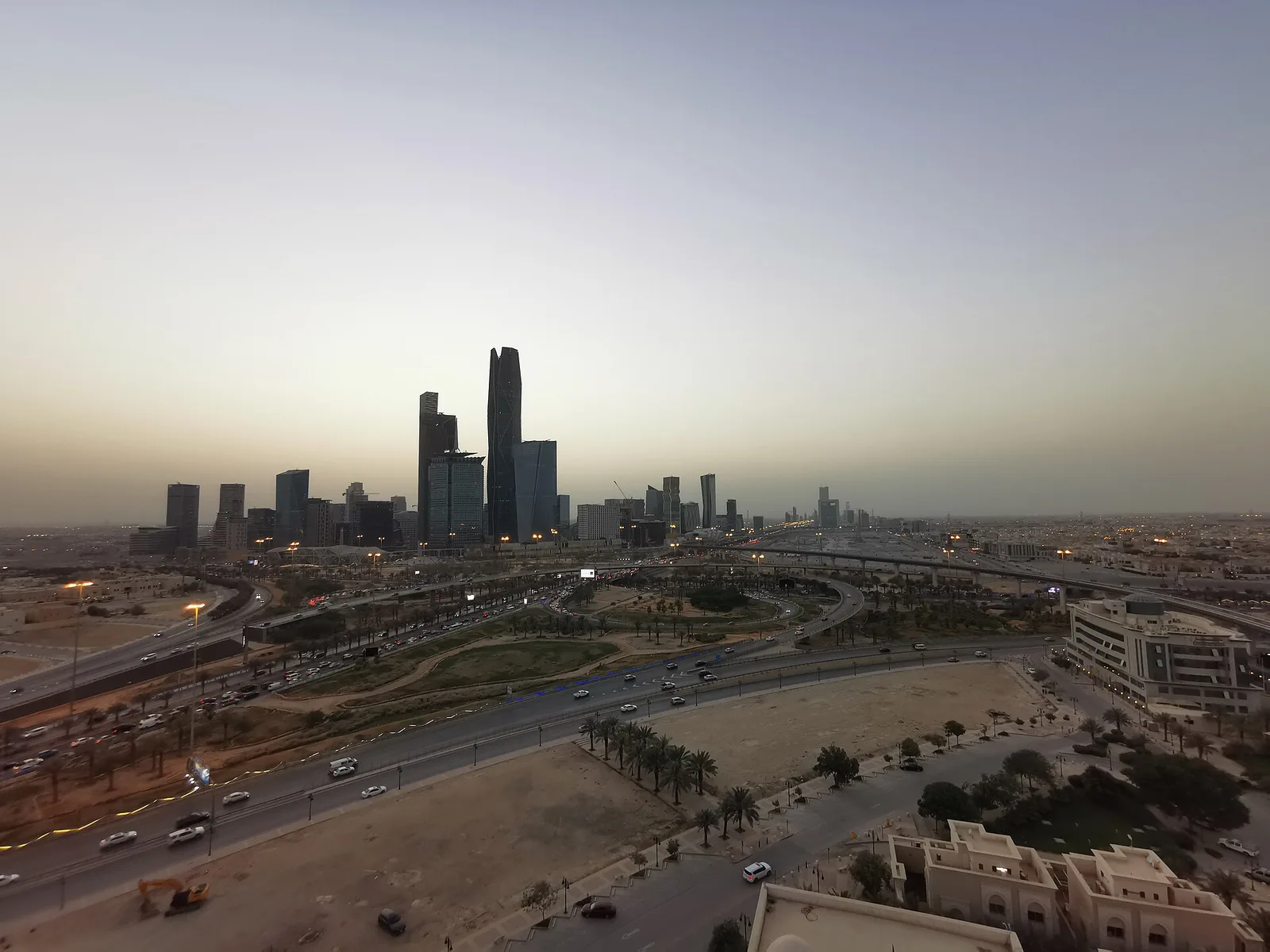
The strike came on Thursday 19 November. It blew out windows across seven to eight floors of the PIF Tower, Riyadh's tallest skyscraper and the headquarters of the Public Investment Fund, and bent parts of its metal facade, according to a Reuters report carried by NBC News. Three sources told Reuters the building was hit by a Houthi missile.
Saudi civil defence said the attack damaged several floors of a tower in the financial district and nearby buildings, and that no injuries were reported. Its statement did not name the tower, but a Saudi Press Agency photo released with it showed the PIF Tower. It was the second time in under two weeks that a Houthi attack had damaged a landmark in the district: the Aramco building was hit on Sunday 8 November. Four days later Brent jumped 3% on Houthi strikes and Hormuz tanker blasts.
The Houthis also said they attacked King Khalid International Airport in Riyadh and the SADAF petrochemical company in Jubail, which Saudi Arabia did not immediately confirm. The Saudi foreign ministry said it reserved the right to take "all necessary measures" to defend its sovereignty and protect its citizens and national assets. Saudi officials now expect their campaign in Yemen to run for up to six months, Reuters reported.
Why oil prices fell despite the attacks
Traders pay a risk premium, an extra amount for the chance that supply is cut, and it shrinks when tankers keep sailing. In its monthly report on Friday 13 November, the IEA said world oil supply rose by 2.3 million barrels a day in October to 105.4 million, up 5.3 million since August. "The global oil market will return to a surplus in 4Q26, with a more substantial build in 2027," the agency said.
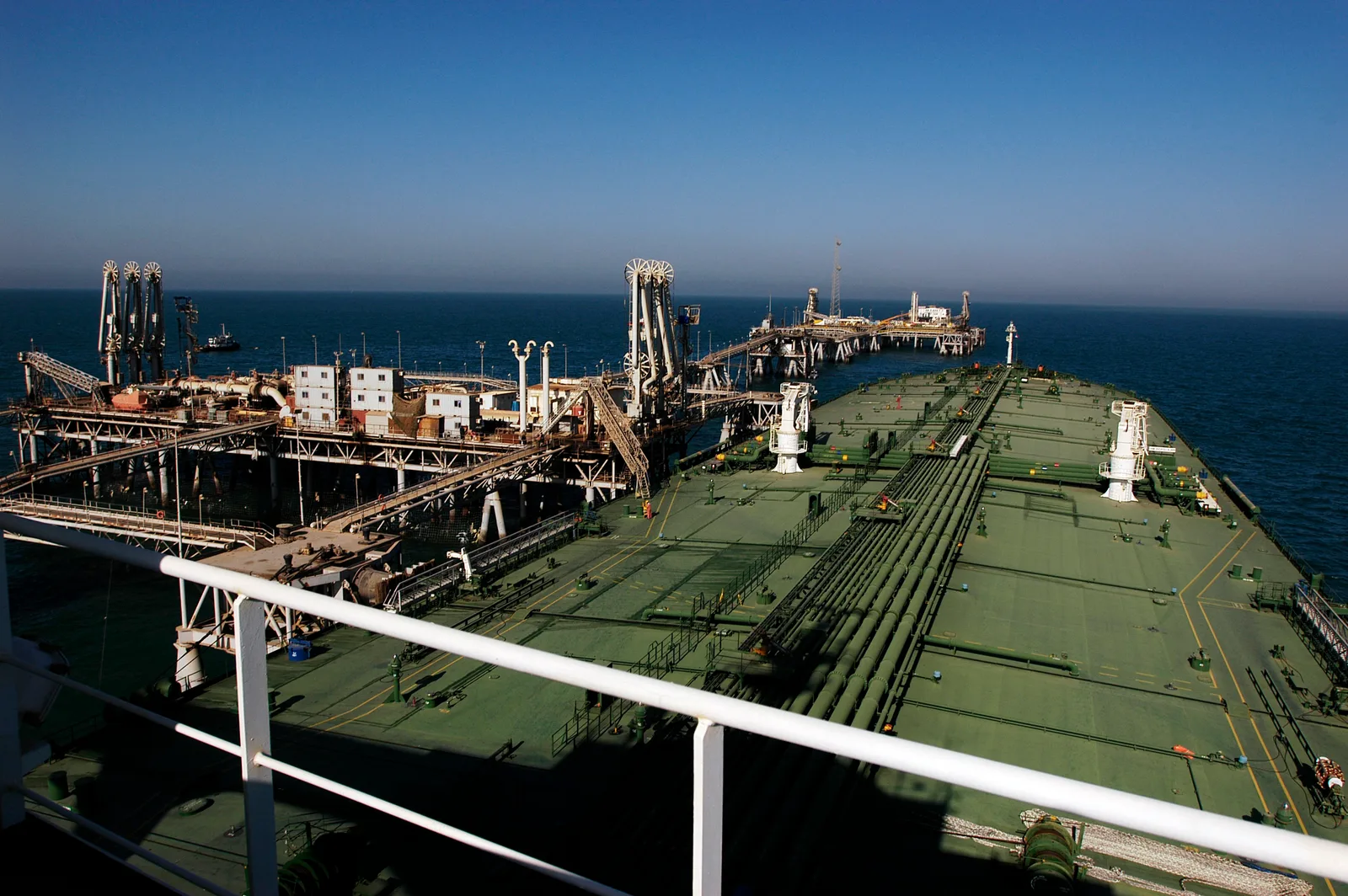
Gulf crude exports climbed to 15 million barrels a day in October, 82% of their pre-war level, despite continued attacks on tankers, the IEA said. US Energy Secretary Chris Wright has said flows through the Strait of Hormuz reached record levels, according to Trading Economics. Flow trackers cited by OilPrice.com are more cautious, saying Gulf exports are not yet back to pre-war levels.
The buyers are back too. China imported 19.7 million tonnes of crude from Gulf producers other than Iran in October, up 42.4% from September and the most since the war began, according to South China Morning Post figures cited by OilPrice.com. Saudi Aramco cut its December price for Arab Light crude sold to Asia by $2 a barrel, to a $6.50 discount to the Oman/Dubai average, the steepest discount since May 2020.
US stockpiles added to the weight. Commercial crude inventories rose by 3.4 million barrels to 417.8 million in the week to 13 November, against expectations of about 400,000, Anadolu reported. Even reports that President Donald Trump was weighing new strikes on Iran could not hold prices up for long: Thursday's climb towards $93 had faded by the close.
The supply risks still hanging over the Strait of Hormuz
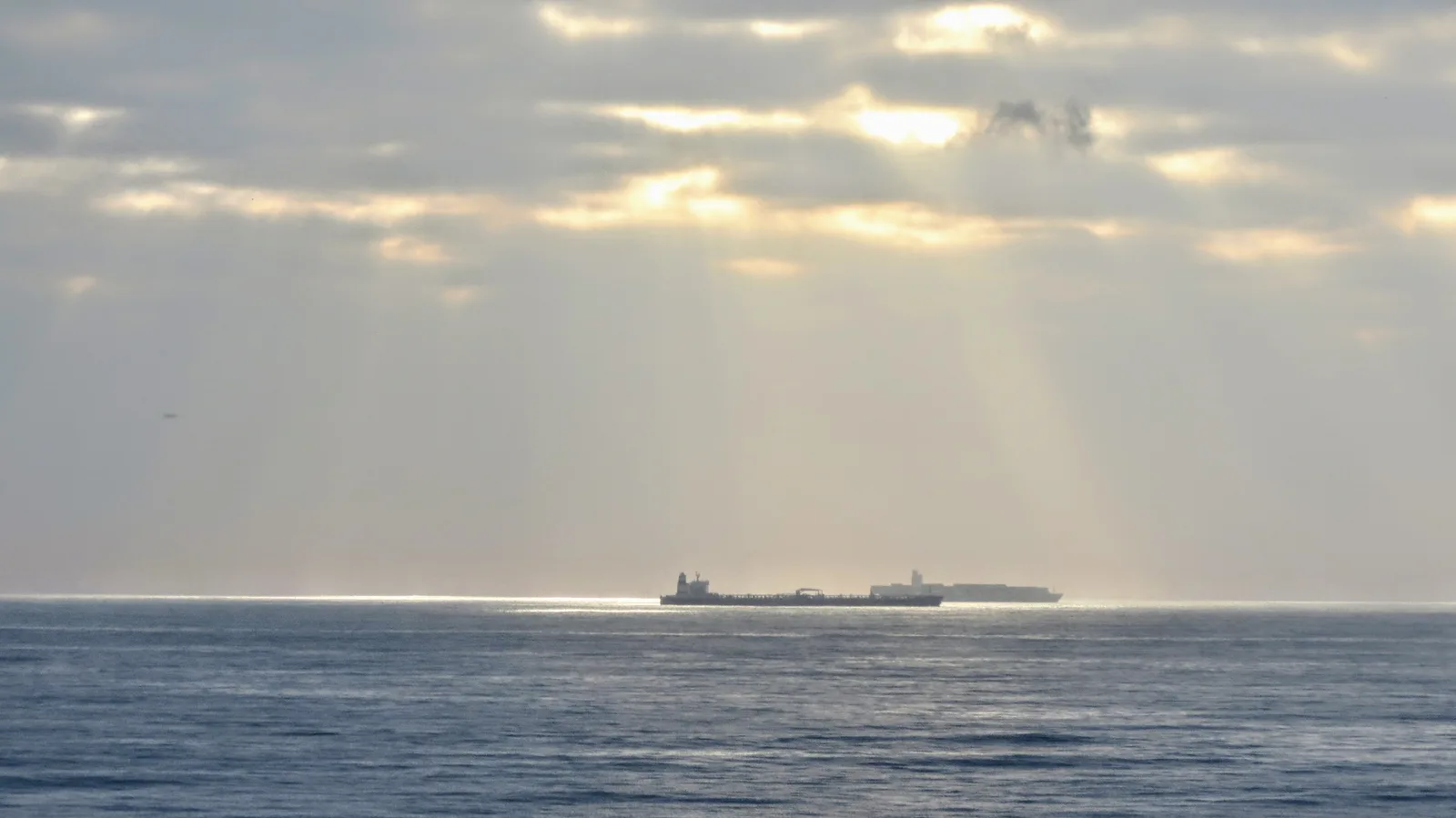
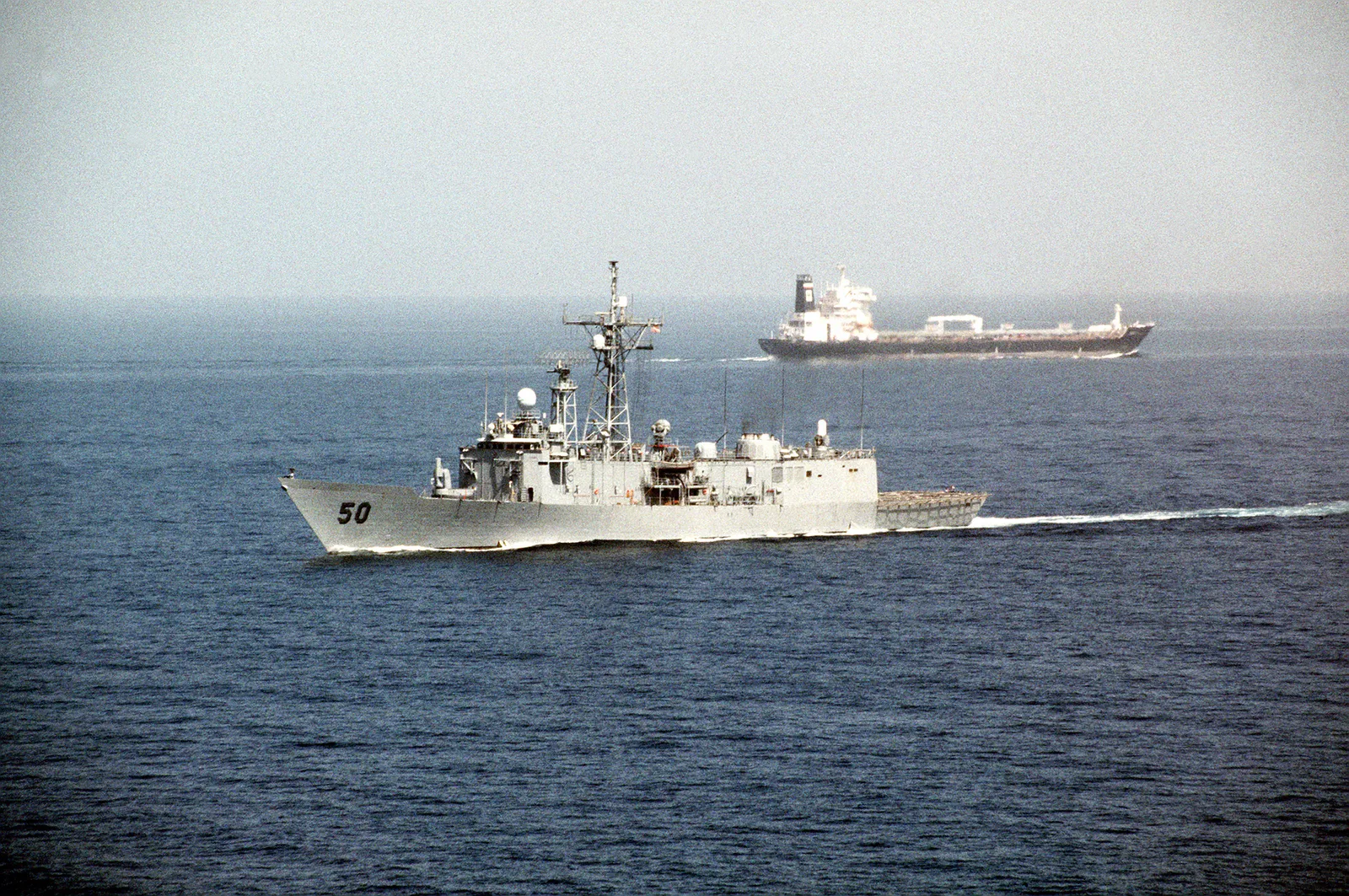
The danger at sea remains. Iran's Revolutionary Guard navy said two supertankers carrying more than 4 million barrels of crude hit naval mines while using an "unauthorized" route and were burning near the strait's southern shore, Iranian media reported on Thursday. The maritime intelligence firm Windward counted five tankers struck near Hormuz in the week from Wednesday 11 to Wednesday 18 November.
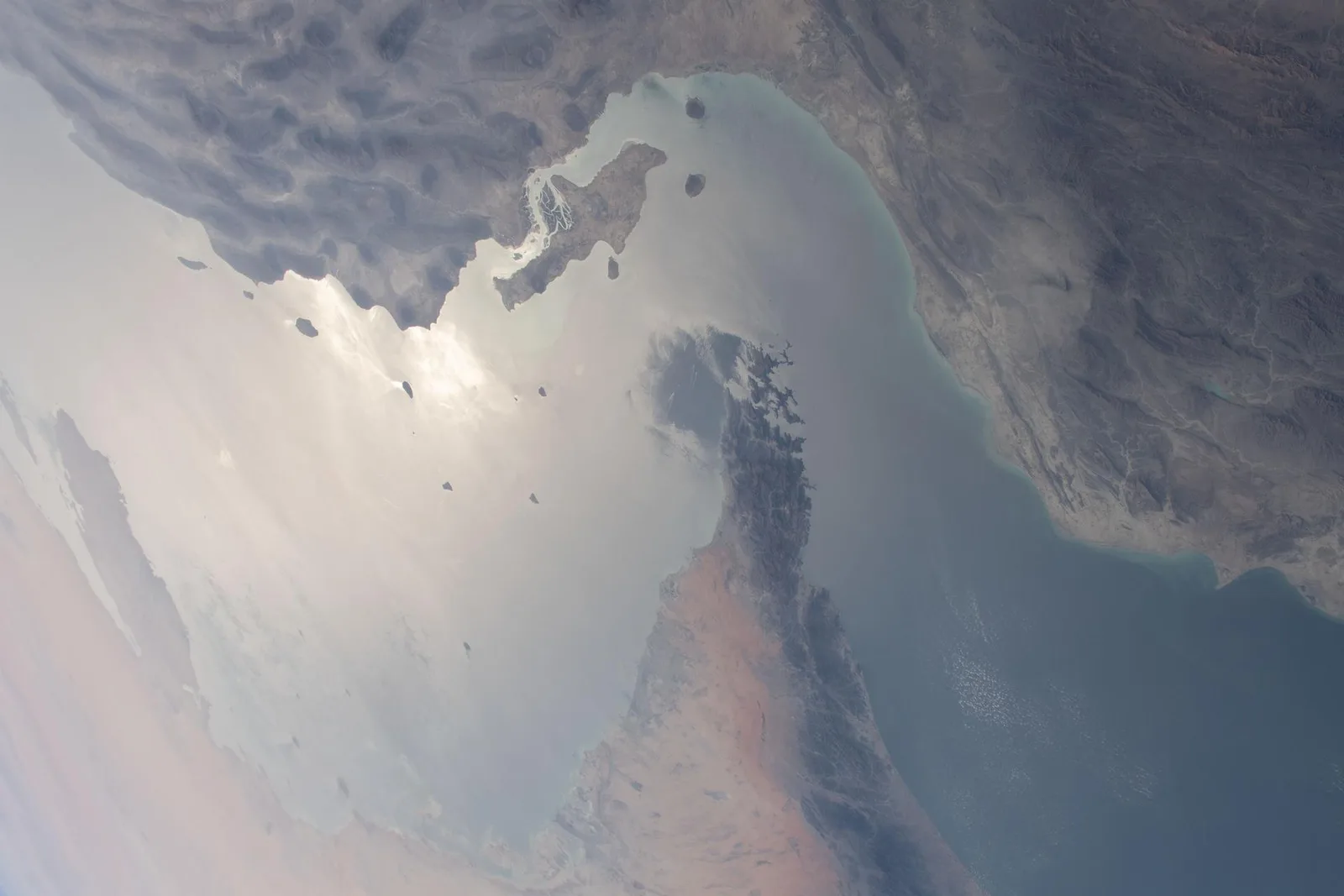
The strait is still the pinch point of this year's energy shock. North Sea Dated crude, the physical benchmark, fell 32% from a peak of $136 a barrel on 8 October to about $93 when the IEA wrote its report, yet it was still $22 above its pre-war level.
What to watch next
- Friday's settlement prices, and whether Brent holds above $90
- The OPEC+ meeting this month, where producers are expected to keep output cuts in place
- Further Houthi strikes on Saudi sites and tanker attacks near Hormuz
For the day's other moves in shares, bonds and commodities, see the latest markets news.
Why are oil prices falling this week?
Brent crude was down 4.4% on the week at $91.63 a barrel at midday on Friday 20 November, because Gulf supply has recovered strongly and the IEA expects a surplus from the fourth quarter of 2026.
What did the Houthis hit in Riyadh?
A Houthi strike on Thursday 19 November damaged the PIF Tower, headquarters of Saudi Arabia's Public Investment Fund, blowing out windows across seven to eight floors, Reuters reported. Saudi civil defence said no injuries were reported.
Is oil flowing through the Strait of Hormuz again?
Largely, yes: Gulf crude exports reached 15 million barrels a day in October, 82% of their pre-war level, according to the IEA. Attacks on tankers continue, and Iran says ships using routes it has not approved have hit mines.
Sources
- Anadolu Agency: Oil set for weekly drop as supply surplus concerns outweigh Middle East risks
- Anadolu Agency: Middle East supply concerns lift Brent crude prices
- NBC News (Reuters): Riyadh's tallest skyscraper hit in Houthi strike on Saudi wealth fund HQ
- International Energy Agency: Oil Market Report, November 2026
- OilPrice.com: Oil Prices Rebound as Houthi Attacks Reignite Middle East Supply Fears
- OilPrice.com: China's Oil Imports from Persian Gulf Jump to Wartime High
- OilPrice.com: Iran Steps Up Hormuz Tanker Attacks as Oil Prices Slide
- Trading Economics: Brent crude oil
- Daily Herald (Associated Press): US stocks tumble, and the S&P 500 drops as sell-off for AI accelerates