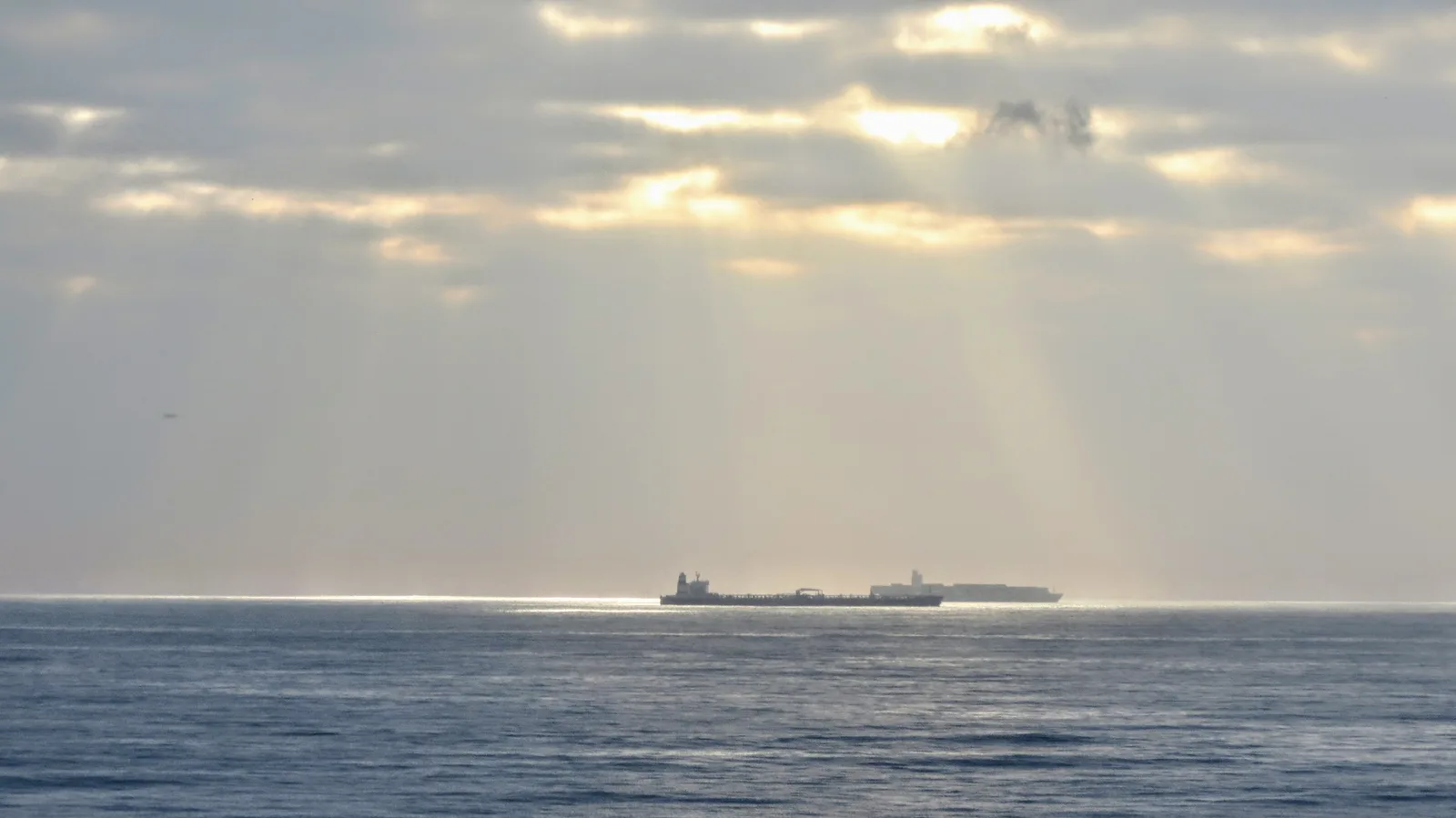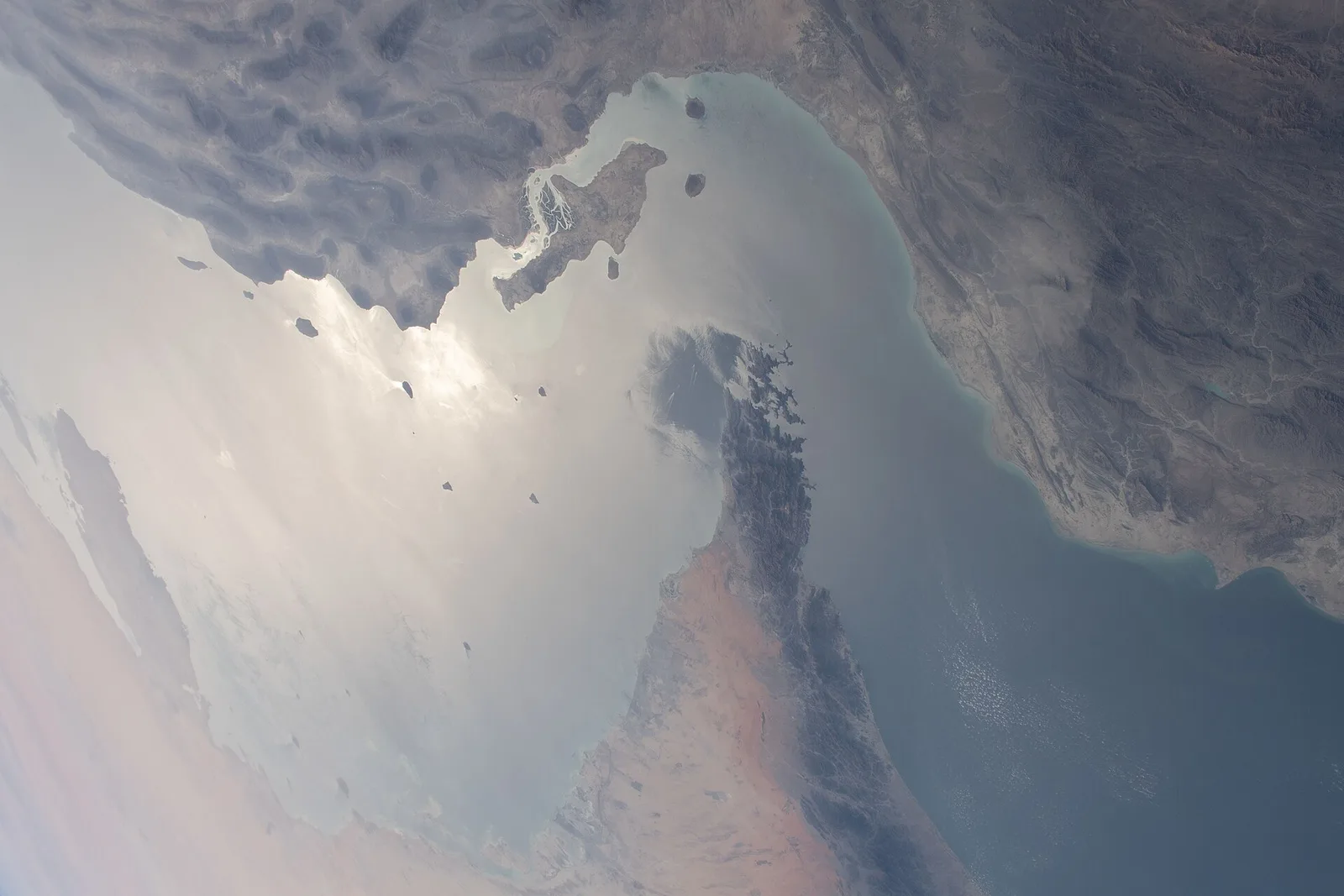
The International Energy Agency (IEA) says the disruption to shipping through the Strait of Hormuz is the largest energy supply shock the world has ever faced, with 2.8bn barrels of oil and 60 billion cubic metres of gas lost from the Gulf so far. In its World Energy Outlook 2026, published on Thursday 19 November, the agency says the world's bill for imported oil and gas is set to reach $1.6tn this year, 25% more than in 2025, even though demand is down.
The Hormuz shock in three numbers
- 2.8bn barrels of oil lost from the Gulf, plus 60 bcm of gas
- $200+ a barrel: the record diesel price reached during the crisis
- $1.6tn world spending on imported oil and gas in 2026, up 25%
How big the Hormuz energy shock is, according to the IEA
The IEA's flagship report sets out scenarios, not forecasts, but its verdict on 2026 is blunt. The disruption "has been the largest energy supply shock that the world has faced", the executive summary says, and as of November it is not over.
Diesel has taken the hardest hit. The IEA calls it "the workhorse of the global economy" and says prices reached records above $200 a barrel. Emergency stocks softened the blow: the largest coordinated release of oil stocks in the IEA's history, including the G7's emergency oil and diesel release agreed in October, was a crucial safety net, the agency says.
Three-quarters of the world's population live in countries that import oil and gas, and more than 4bn people live in countries that rely on the Strait for over 30% of their oil.
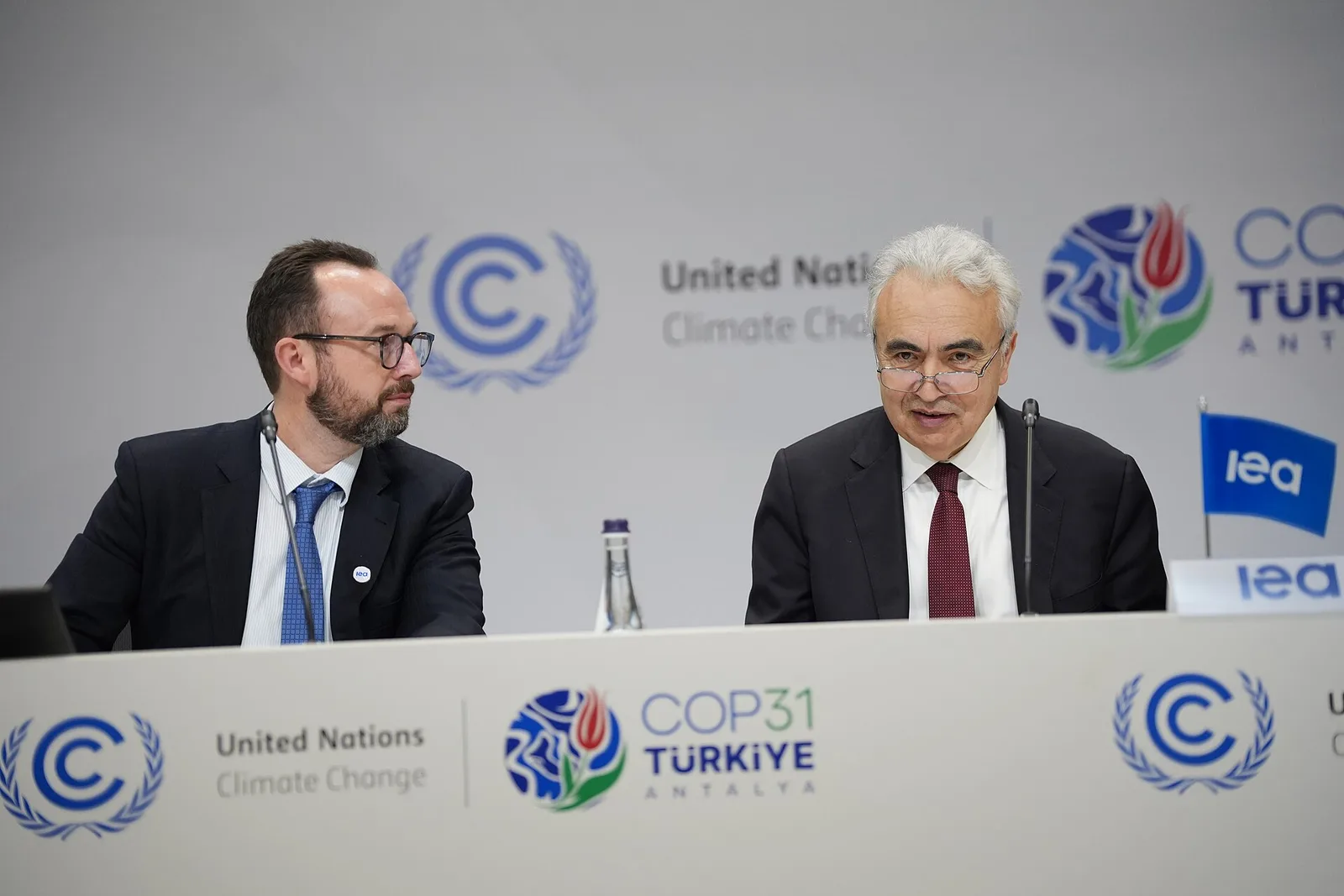
"The Hormuz crisis has delivered a huge shock to the system," said Fatih Birol, the IEA's executive director, adding that "the longer the crisis lasts, the deeper the effects will be."
How the Hormuz crisis could redraw the world's oil routes
The $1.6tn bill is about price, not volume: countries are buying less oil and gas, yet paying far more for it. That is pushing importers to find other routes.
Before the crisis, about 20m barrels of oil a day moved through the Strait. If the danger to shipping persists, the IEA says bypass pipelines, other suppliers and lower demand could cut that to 8.5m barrels a day by 2030 and under 2m by 2035. Even then, the Middle East would remain the world's largest oil exporter.
About 7m barrels a day of pipeline capacity that avoids the Strait is being built or considered. The IEA puts the cost at about $40bn, adding around $2 to each barrel exported from the Middle East.
In the agency's Stated Policies Scenario, world oil demand levels off at about 103m barrels a day by 2030 before a slow decline. That follows this year's sharp fall in oil use.
How the end of the crisis could create a buyers' market for oil and gas
If flows through the Strait are decisively freed up, the IEA says a resolution "could usher in a buyers' market for oil and natural gas", with significant downward pressure on prices.
Part of the reason is a delayed wave of liquefied natural gas (LNG, gas chilled into liquid so it can travel by ship). If all the new export projects led by the United States come through as planned, LNG supply would grow by more than 50%, the IEA says.
"A period of lower prices would offer welcome relief for consumers," the report says. Producers would feel the squeeze, pushed to offer better or more flexible terms to win buyers. Traders have already seen how fast sentiment can turn: Brent suffered its steepest weekly fall since 2020 in early November on hopes of peace with Iran.
What the energy shock means for household bills in the UK, Europe, the US and Australia
The latest national figures show where the shock is landing on households.
| Where | Latest figure | Change | Source |
|---|---|---|---|
| UK | £2,165.89 forecast price cap, January to March 2027 | £442.89 above today's £1,723 cap | Cornwall Insight, 18 November |
| Euro area | Energy prices in October | 21.0% higher than a year earlier | Eurostat, 18 November |
| United States | Diesel at $5.937 a gallon, 16 November | $2.069 more than a year earlier | EIA, 17 November |
| Australia | Diesel at 266.4c a litre, five largest cities, 11 November | 89.8c higher than on 20 February | ACCC, 13 November |
In Britain, Cornwall Insight's forecast for a typical dual-fuel household paying by direct debit would mean a rise of about 26% in January, as BMK News reported in its look at January's bill forecast.
In the euro area, Eurostat confirmed on Wednesday 18 November that inflation reached 4.0% in October, up from 3.8% in September, with energy alone adding 1.89 percentage points. Heating is the next worry, with gas storage running down into winter.
What comes next for energy prices and supply
Much depends on how long the disruption lasts. The IEA's two main scenarios assume ships can pass through the Strait freely by the end of 2027. Birol does not expect a return to normal: "I don't see any credible pathway for the energy world to return to the way it was before," he said.
What did the IEA World Energy Outlook 2026 say about the Strait of Hormuz?
On 19 November 2026 the IEA called it the largest energy supply shock the world has faced, with 2.8bn barrels of oil and 60 bcm of gas lost from the Gulf.
Will oil and gas prices fall when the Hormuz crisis ends?
They could: the IEA said on 19 November 2026 that a resolution could create a buyers' market for oil and gas, with significant downward pressure on prices.
How much is the world spending on oil and gas imports in 2026?
About $1.6tn, according to the IEA's 19 November 2026 report, 25% more than in 2025, even though demand is lower.
Sources
- International Energy Agency: World Energy Outlook 2026, Executive summary
- International Energy Agency: As an unprecedented shock reshapes the energy world, its duration will determine the scale of the change
- Cornwall Insight: Default Tariff Cap (Price Cap) Predictions and Insights
- Eurostat: Annual inflation up to 4.0% in the euro area
- US Energy Information Administration: Gasoline and Diesel Fuel Update
- ACCC: Weekly fuel price monitoring report, 13 November 2026