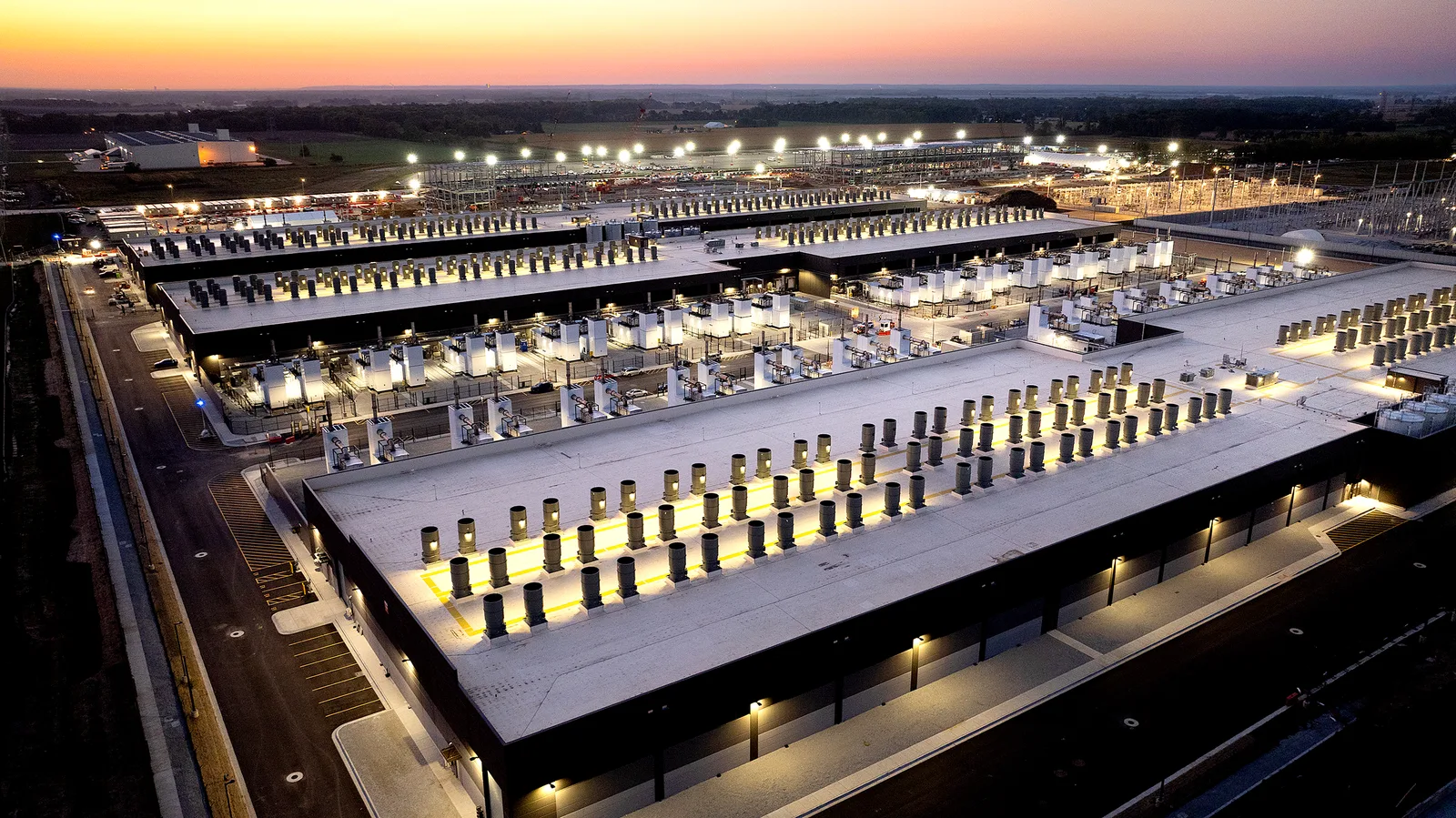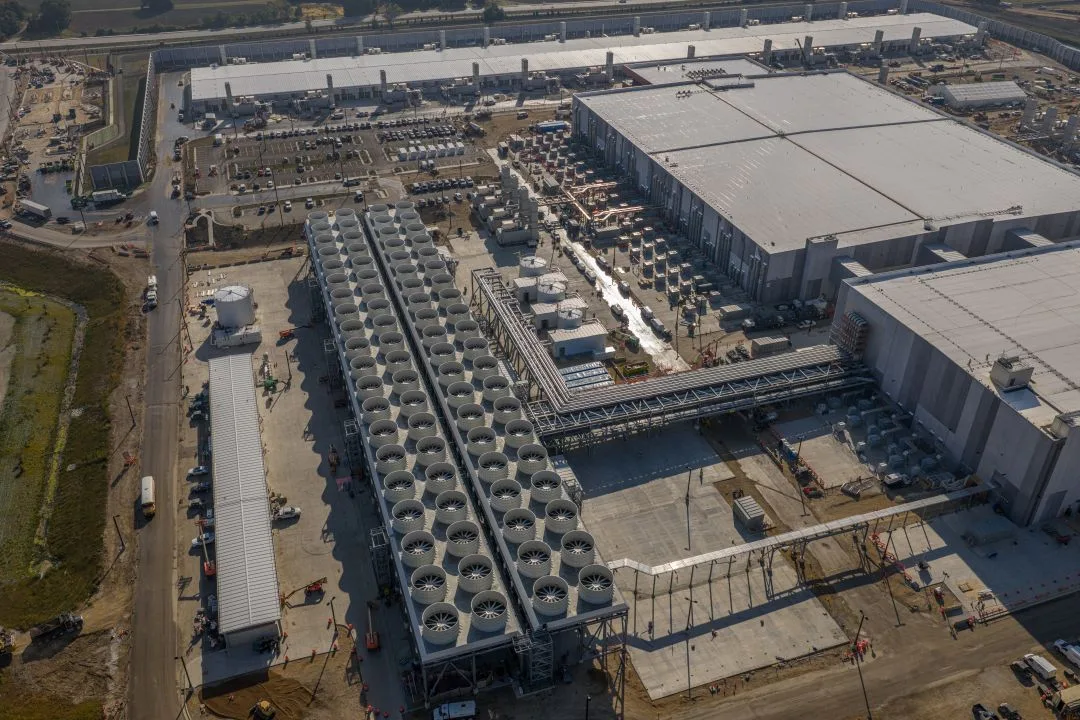
Microsoft said its fiscal first-quarter results exceeded expectations, with revenue up 19% to $92.3bn and its Azure cloud platform growing 48%. The price of that growth showed up in the cash flow statement: additions to property and equipment, mostly data centres and chips, doubled to $39.4bn from $19.4bn a year earlier.
The results for July to September came after the close on Wall Street on 28 October. Finance chief Amy Hood was blunt about the quarter: "Results exceeded expectations across revenue, operating income, and earnings per share."
Microsoft, July to September
- $92.3bn revenue, up 19%
- +48% Azure revenue growth
- $39.4bn additions to property and equipment
Cloud does the heavy lifting
Microsoft Cloud revenue rose 30% to $63.9bn, or 31% at constant currency, and now accounts for more than two-thirds of group sales. Within it, Azure's 48% growth was the standout. Microsoft 365 commercial cloud revenue grew 17%.
The company reports under a new structure, recast in September 2026, with two segments. The larger one did all the growing.
| Segment | Revenue | Growth | Operating income |
|---|---|---|---|
| Agents and Infra | $76.8bn | +25% | $40.6bn |
| Devices and Consumer | $15.5bn | -3% | $5.4bn |
| Group | $92.3bn | +19% | $45.9bn |
Devices and Consumer slipped as Windows sales to PC makers and device revenue fell 22% and Xbox content and services dipped 2%. Search and advertising revenue, excluding traffic acquisition costs, grew 12%.
Group operating income rose 21% to $45.9bn. Net income jumped 32% to $36.6bn, or $4.92 a share. Stripping out the effect of Microsoft's investment in OpenAI, which added a $207m gain this quarter against a $3.1bn loss a year earlier, net income rose 18% to $36.4bn, or $4.89 a share.
Microsoft: share price, chart and news
The spending question
The bill for the AI build-out keeps rising. Cash additions to property and equipment of $39.4bn compare with $19.4bn a year earlier, an increase of about 103%. Revenue grew $14.6bn over the same period, from $77.7bn a year earlier, so spending is rising much faster than sales. Cash spent on property and equipment equalled about 43% of revenue in the quarter, against roughly 25% a year earlier.
Microsoft argues the demand is already contracted. Its commercial remaining performance obligation, the value of signed contracts not yet billed, rose 73% to $677bn. That backlog is the main reason investors have tolerated the capital spending so far.
What stood out
- Azure revenue grew 48%, and Microsoft Cloud revenue 30% to $63.9bn
- Commercial remaining performance obligation rose 73% to $677bn
- Spending on property and equipment doubled year on year to $39.4bn
- OpenAI investments added a $207m gain, after a $3.1bn loss a year earlier
How the shares came into the results
Microsoft's shares have been steady rather than spectacular this autumn. The stock closed last week at $524.51, down 0.9% on the week and about 2% above where it ended August. The Nasdaq 100 was down about 1.6% over the same stretch.
The debate around the stock is less about demand than about cost. The same question hangs over Microsoft's big cloud rivals, Amazon and Alphabet, which are also spending heavily on AI capacity.
What comes next
Microsoft does not put its outlook in the press release. Management was due to give guidance for the December quarter, including Azure growth and capital spending, on its call with analysts later on Wednesday evening, European time.
Three numbers will matter most when it does: how fast Azure is expected to grow, how much more capital spending is planned, and whether Microsoft still says demand is running ahead of the capacity it can bring online. For a company of Microsoft's size, the gap between cloud growth and spending growth is now the number investors watch.
Sources
- Microsoft Investor Relations: FY27 Q1 press release and webcast
- BMK News market data (delayed exchange data)