Planet Labs aims to image the Earth's land every day and sells the data, and increasingly whole satellites, to governments and companies. Revenue is growing at more than 50% a year on defence demand, but the company is still loss-making on a reported basis and has funded part of its expansion by selling shares.
What Planet does
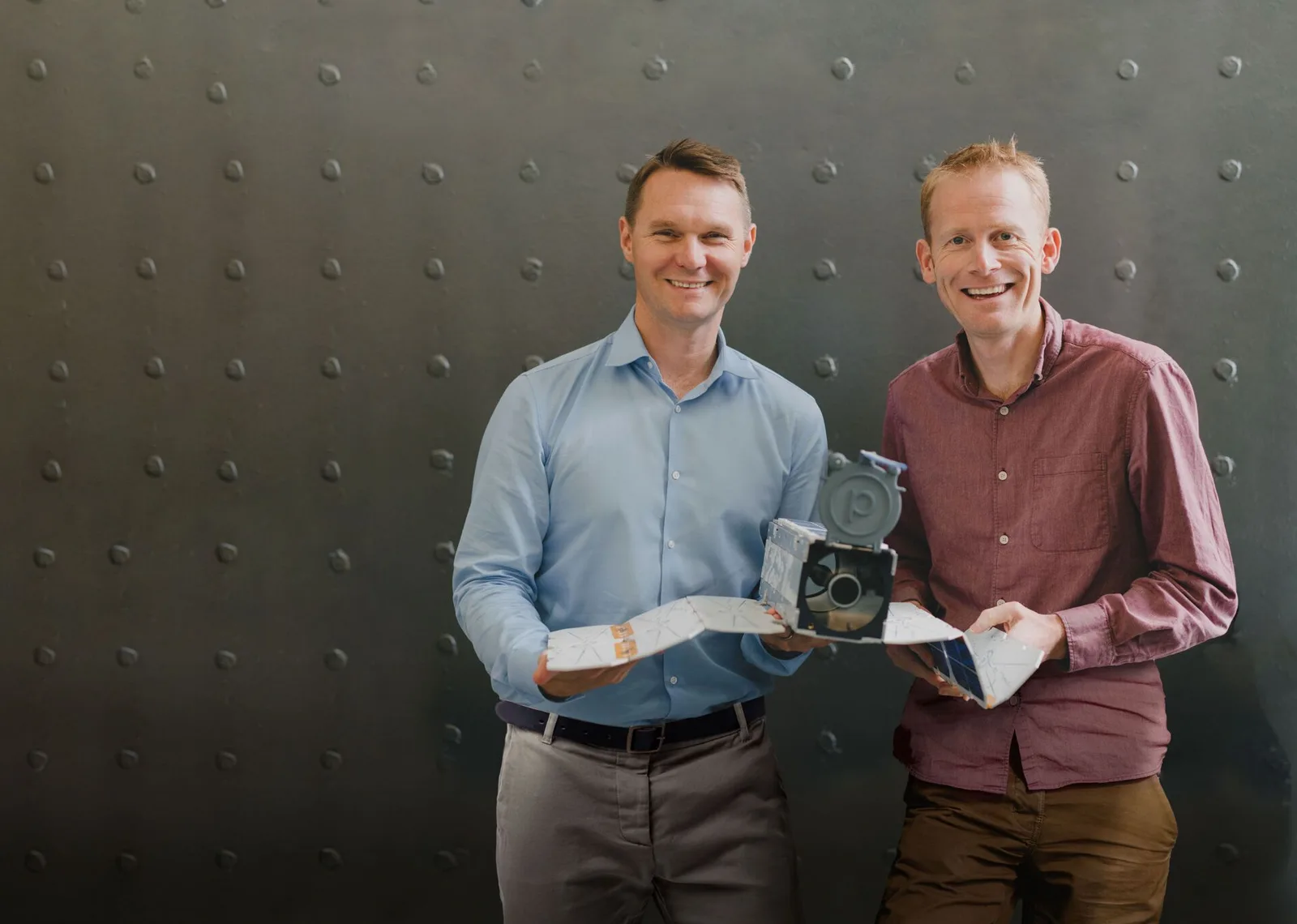
Founded in 2010 by three former NASA scientists and based in San Francisco, Planet designs, builds and operates its own fleet of imaging satellites. It says it has built and launched 688 satellites in 15 years. Its business rests on three families of spacecraft:
- SuperDoves, small satellites that together image the Earth's landmass daily at medium resolution, giving customers a long, dense record of change.
- Pelicans, larger high-resolution satellites. Ten were in orbit after the July launch of Pelican-11, and Planet announced the launch of Pelican-12 on 20 October.
- Tanager, a hyperspectral satellite that can detect gases such as methane. Tanager-2 and 18 more SuperDoves were launched at the start of October.
Customers pay mainly through subscriptions. Recurring contracts made up 98% of annual contract value at the end of July. Around 70% of sales now come from defence and intelligence customers, according to InvestorsHub's report on the latest results.
Planet Labs: share price, chart and news
The latest numbers
Planet's financial year ends on 31 January. In the second quarter of fiscal 2027, to 31 July, it reported:
| Measure | Q2 FY2027 | Q2 FY2026 |
|---|---|---|
| Revenue | $116.1m | $73.4m |
| Gross margin | 57% | 58% |
| Operating loss | $13.5m | $18.0m |
| Net loss | $9.4m | $22.6m |
| Adjusted EBITDA | $13.9m profit | $6.4m profit |
For the first half, revenue was $210.2m and the net loss $148.2m. Most of that loss came from a $106.5m non-cash charge in the first quarter for the rising value of warrants. The warrant liability of $173.3m carried at the end of January was no longer on the balance sheet at the end of July.
Operations still generate cash, though less than a year earlier: operating activities brought in $68.4m in the first half, against $85.1m, and free cash flow was $21.3m, against $54.3m.
Balance sheet and share count
Balance sheet at 31 July 2026
- $865.4m cash, cash equivalents and short-term investments
- $448.3m convertible notes on the balance sheet
- $814.9m backlog, about half due within twelve months
Planet raised about $120m in the second quarter by selling shares through an at-the-market programme, at an average net price of $31.95. The weighted average share count used for the quarter's loss per share was 359.6m, up from 304.1m a year earlier, which shows how much the base has grown. Remaining performance obligations, the narrower contracted figure, were $753.1m.
The sovereign satellite push
The fastest-growing part of the business is what Planet calls satellite services: a government buys dedicated capacity on Planet satellites, or satellites of its own, run through Planet's ground network. The company delivered satellites for the Swedish Armed Forces in the second quarter.
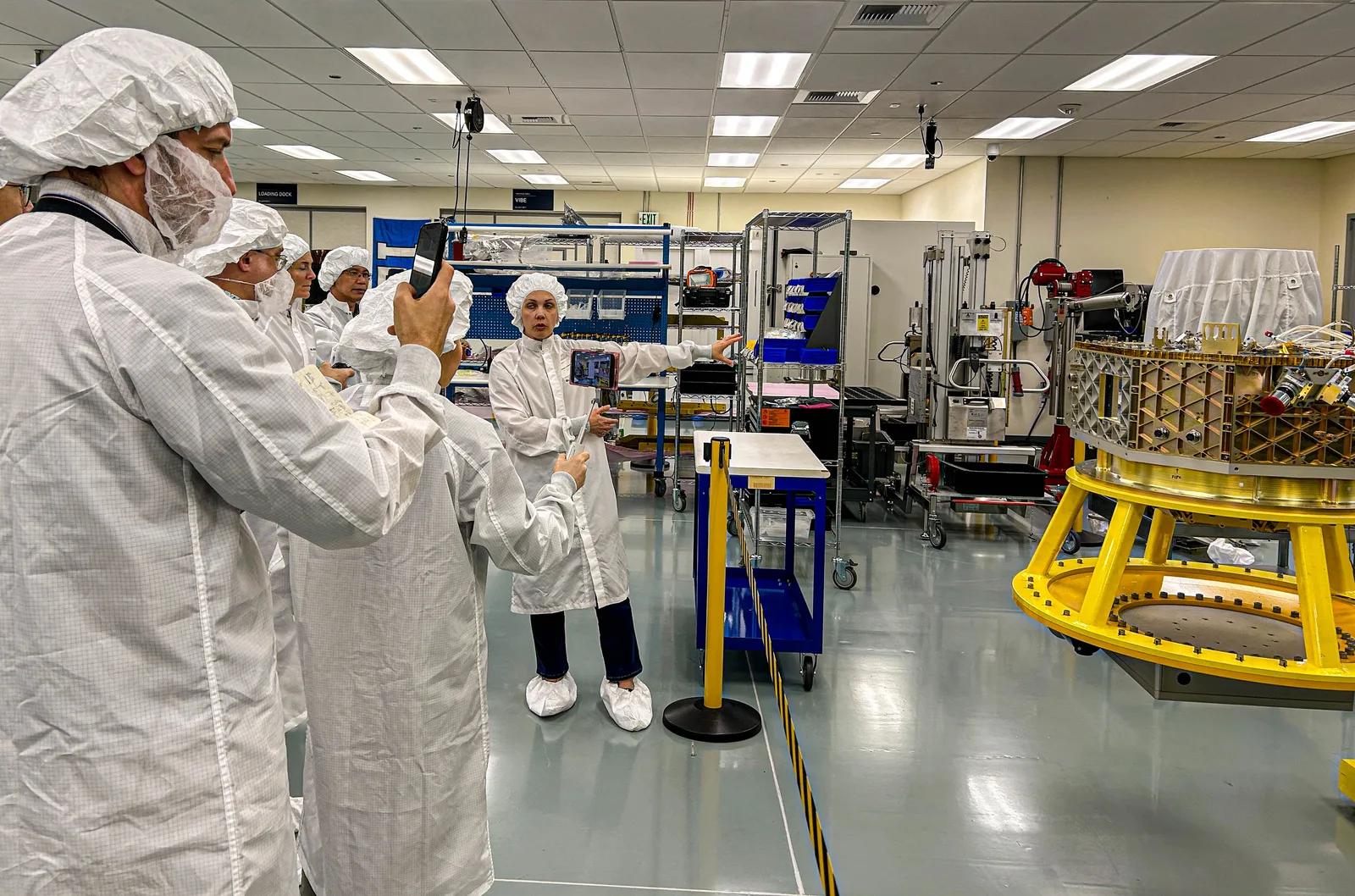
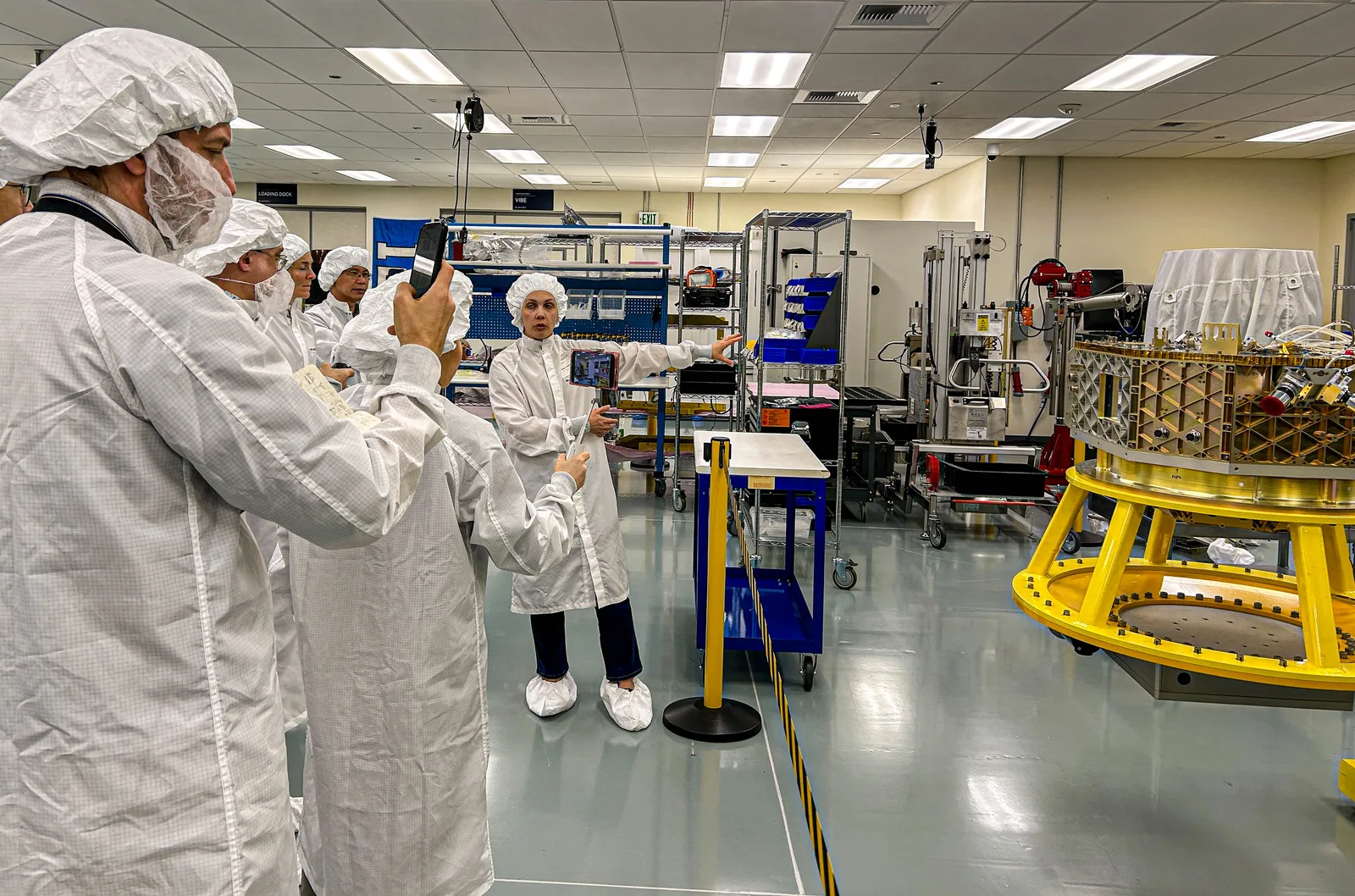
Germany has become a second anchor. On 15 September Planet said its German arm had won a five-year interior ministry tender for exclusive tasking of dedicated satellites, worth up to €25m including options. A week later it opened a 5,700 square metre factory in Berlin that can build up to 60 satellites a year and will add 70 staff. At the opening, German economy minister Katherina Reiche said: "Europe needs its own eyes in space." The first Berlin-built Pelicans are due to fly on an Isar Aerospace rocket in early 2027.
Other recent awards include an $8m NGA contract, an agreement with the Rwanda Space Agency and a European Space Agency project for Slovenia. On 9 November Planet signed a multi-launch deal with Stoke Space for its reusable Nova rocket, whose test flights are due from 2027.
Software, AI and new data products
Planet is trying to sell answers as well as pictures. In November it introduced the Planet AI App, which lets users search and explore its imagery in plain language, and in October it presented Populace, a population-mapping product. Its data is used for tasks ranging from tracking construction of AI data centres for a hyperscale technology customer to estimating sugar beet yields with agronomy partner FarmQA.
Hyperspectral data is a newer line. On 21 October Planet said NASA had awarded it an evaluation task order for Tanager data under the agency's commercial satellite data programme. Planet has also opened a London office aimed at UK government and NATO work, and more than 30% of its staff now work in Europe.
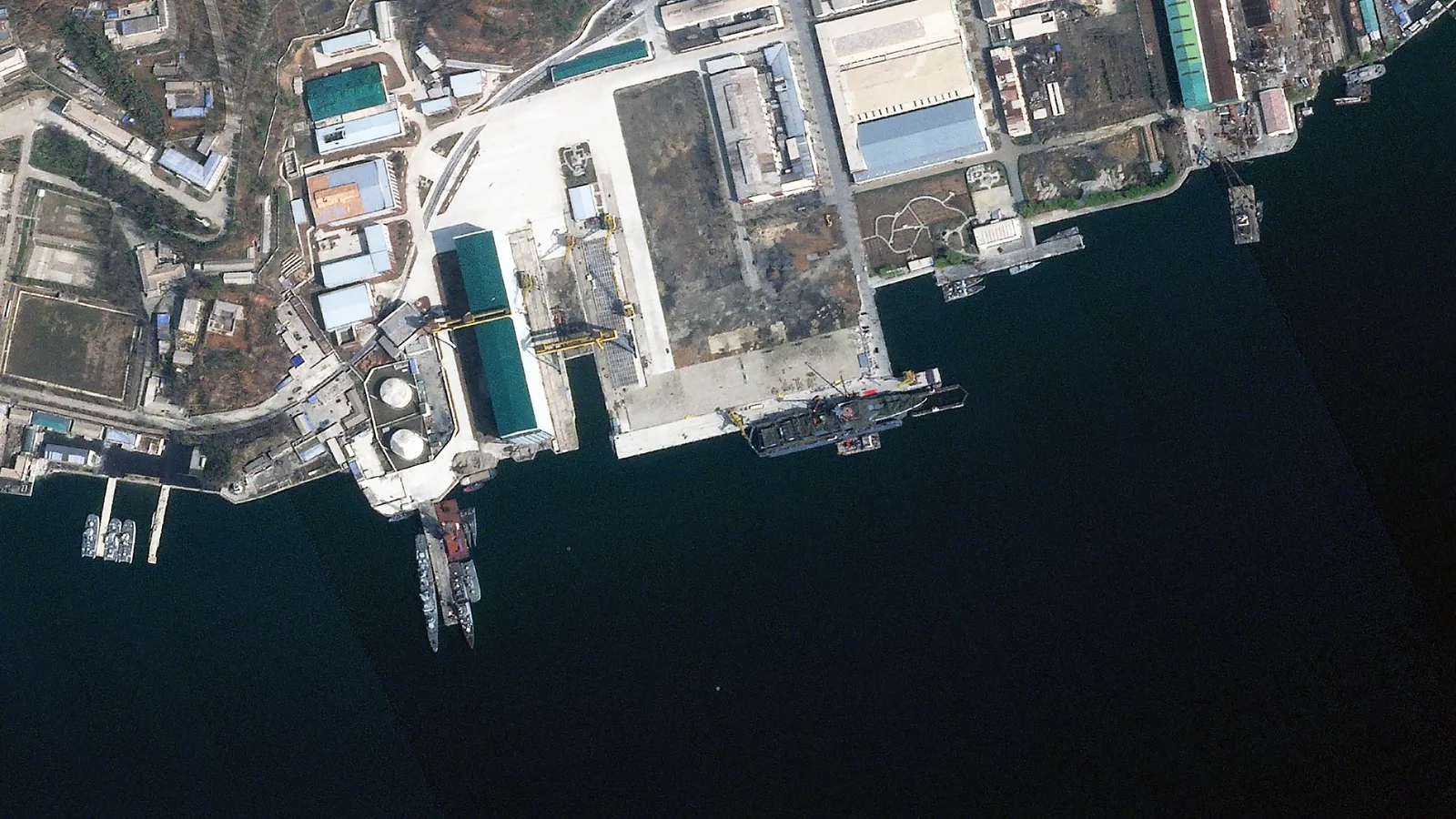
The common thread is that governments want guaranteed access to imagery of their own territory and of crisis zones. Planet's answer is to sell dedicated satellites and capacity on top of its daily global data, which raises the value of each customer relationship but also makes the business more dependent on large, irregular government orders.
Risks and what to watch
Planet's growth depends heavily on government budgets in the US and Europe, and large satellite deliveries make quarterly revenue lumpy. The company guided for third-quarter revenue of $101m to $105m, down from the second quarter, and an adjusted EBITDA loss. Capital spending of $100m to $115m this year is high relative to its cash flow. Share sales dilute holders, and the convertible notes are a future claim on cash or equity. The stock is volatile and fell sharply from its summer highs.
What to watch
- 10 December 2026: third-quarter results for the period to 31 October, after the US market close
- Fiscal 2027 targets: revenue of $430m to $441m and adjusted EBITDA of $3m to $10m
- Early 2027: the first Berlin-built Pelican satellites on an Isar Aerospace launch
- 2027: the first Stoke Space Nova test flights, which open a new launch route
Sources
- Planet Labs: Planet Reports Financial Results for Second Quarter of Fiscal Year 2027
- Planet Labs via Business Wire: Planet Awarded Landmark German Federal Contract for Exclusive Access to Dedicated Satellite Constellation
- Planet Labs via Business Wire: Planet Opens State-of-the-Art Satellite Manufacturing in Berlin
- Planet Labs via Business Wire: Planet and Stoke Space Sign Multi-Launch Agreement for Nova Launch Capabilities
- Planet Labs via Business Wire: Planet to Announce Fiscal Third Quarter 2027 Results on Thursday, December 10, 2026
- Planet Labs: Pulse: news and stories
- Finviz: PL quote page and news list
- InvestorsHub via Finviz: Planet Labs shares jump after Q2 results beat expectations