Planet Labs, the US operator of the world's largest fleet of Earth-imaging satellites, reported record quarterly revenue of $116.1m on 3 September, up 58% from a year earlier, and posted an adjusted EBITDA profit of $13.9m as defence and government demand kept growing. The shares were up about 14% in pre-market trading the next morning.
A record quarter driven by governments
Revenue in the three months to 31 July, Planet's second fiscal quarter of 2027, rose to $116.1m from $73.4m a year earlier. Over the first half, sales reached $210.2m, up from $139.7m.
The company linked the jump to its satellite services business, in which governments buy dedicated capacity on Planet satellites, and to a handover of satellites for the Swedish Armed Forces that landed in the quarter. According to InvestorsHub, defence and intelligence customers made up about 70% of sales and grew by more than 90% from a year earlier.
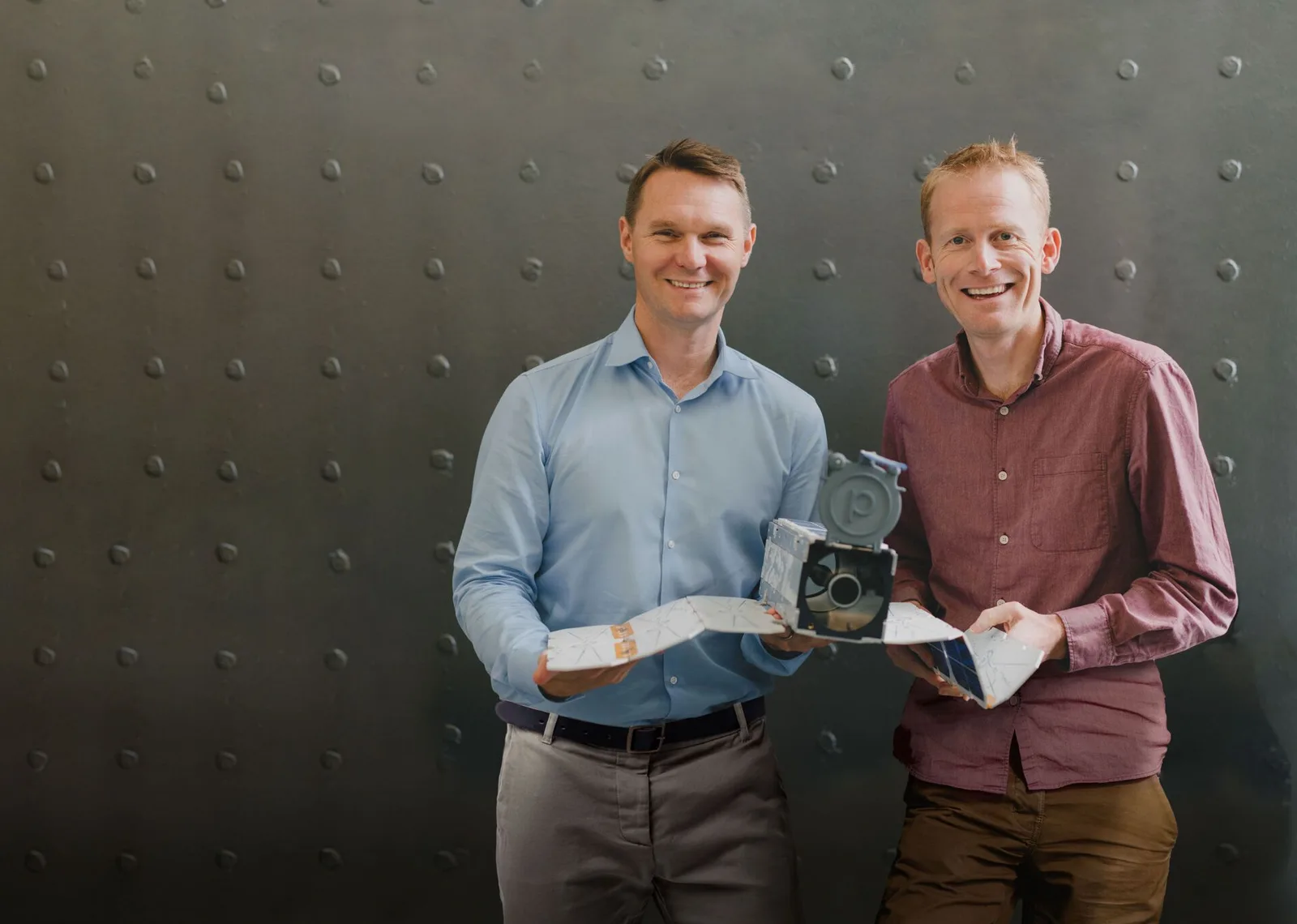
Chief executive Will Marshall said in the results release: "We've seen incredible traction in satellite services." He added that Planet now plans to pair its AI-based analytics with these sovereign satellite deals, treating them as one offering rather than two separate growth lines.
Existing customers also spent more. InvestorsHub reported a net dollar retention rate of 109%, meaning that the same group of customers paid 9% more than a year before. Recurring contracts made up 98% of annual contract value at the end of the quarter.
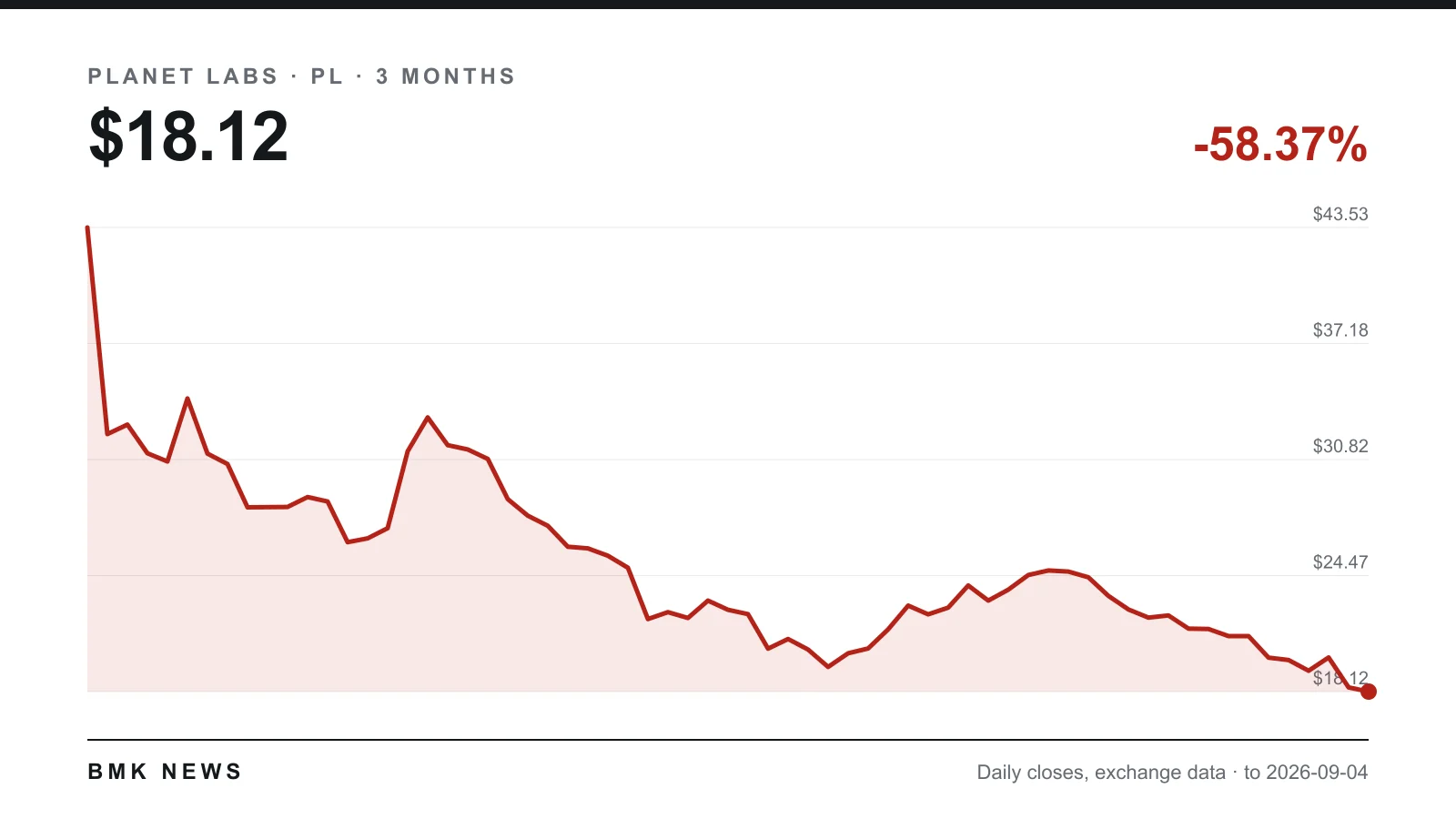
Planet Labs: share price, chart and news
Profit, cash and backlog
Q2 fiscal 2027 at a glance
- $116.1m revenue, up 58% year on year
- $13.9m adjusted EBITDA profit, against $6.4m a year earlier
- $865.4m cash, cash equivalents and short-term investments
Gross margin was 57%, against 58% a year earlier, and 59% on the company's non-GAAP measure. Operating costs rose to $79.1m from $60.2m, so Planet still made an operating loss of $13.5m. The net loss narrowed to $9.4m, or 3 cents a share, from $22.6m.
The adjusted EBITDA profit of $13.9m compared with analyst expectations of about $2m, according to InvestorsHub, while revenue beat a consensus of about $104.5m.
Planet ended July with $865.4m of cash and short-term investments, compared with $640.1m at the end of January. Most of the increase came from investors: warrant holders paid $107.8m to exercise warrants in the first half, and Planet sold shares worth about $120m under its at-the-market programme during the quarter, at an average net price of $31.95. It also carries convertible notes with a book value of $448.3m.
Remaining performance obligations, the contracted revenue not yet recognised, stood at $753.1m, and the company's wider backlog measure at $814.9m. About half of the backlog is due within twelve months.
New contracts in Europe and Africa
The release listed a run of awards signed in August and during the quarter:
Contract wins in the release
- An $8m award from the US National Geospatial-Intelligence Agency to deploy Planet's Global Monitoring Service
- A German government tender for dedicated satellite capacity worth up to €25m over five years, including options
- A one-year, seven-figure deal with a European defence and intelligence customer
- A national data programme with the Rwanda Space Agency, Planet's first of its kind in Africa
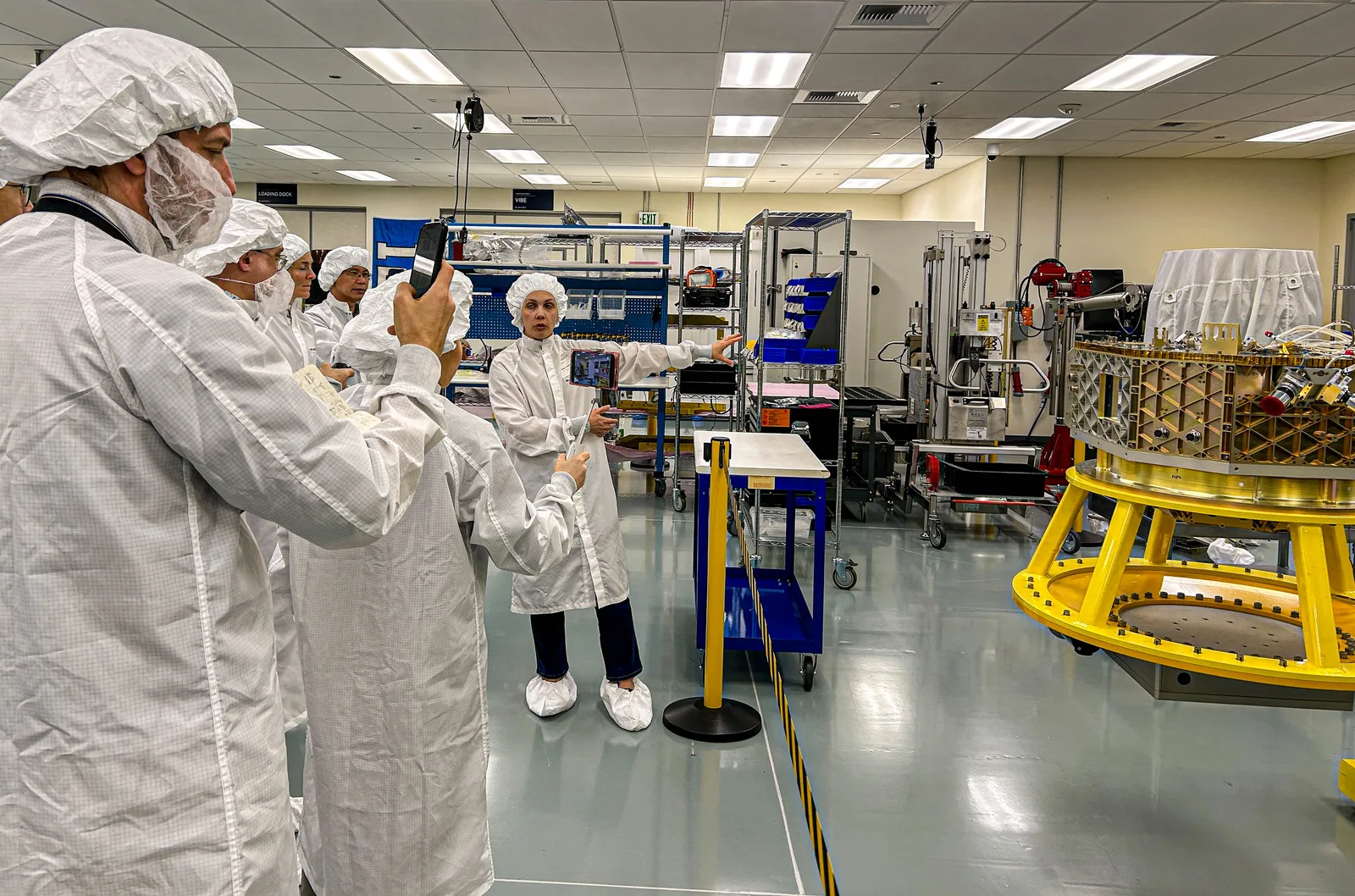
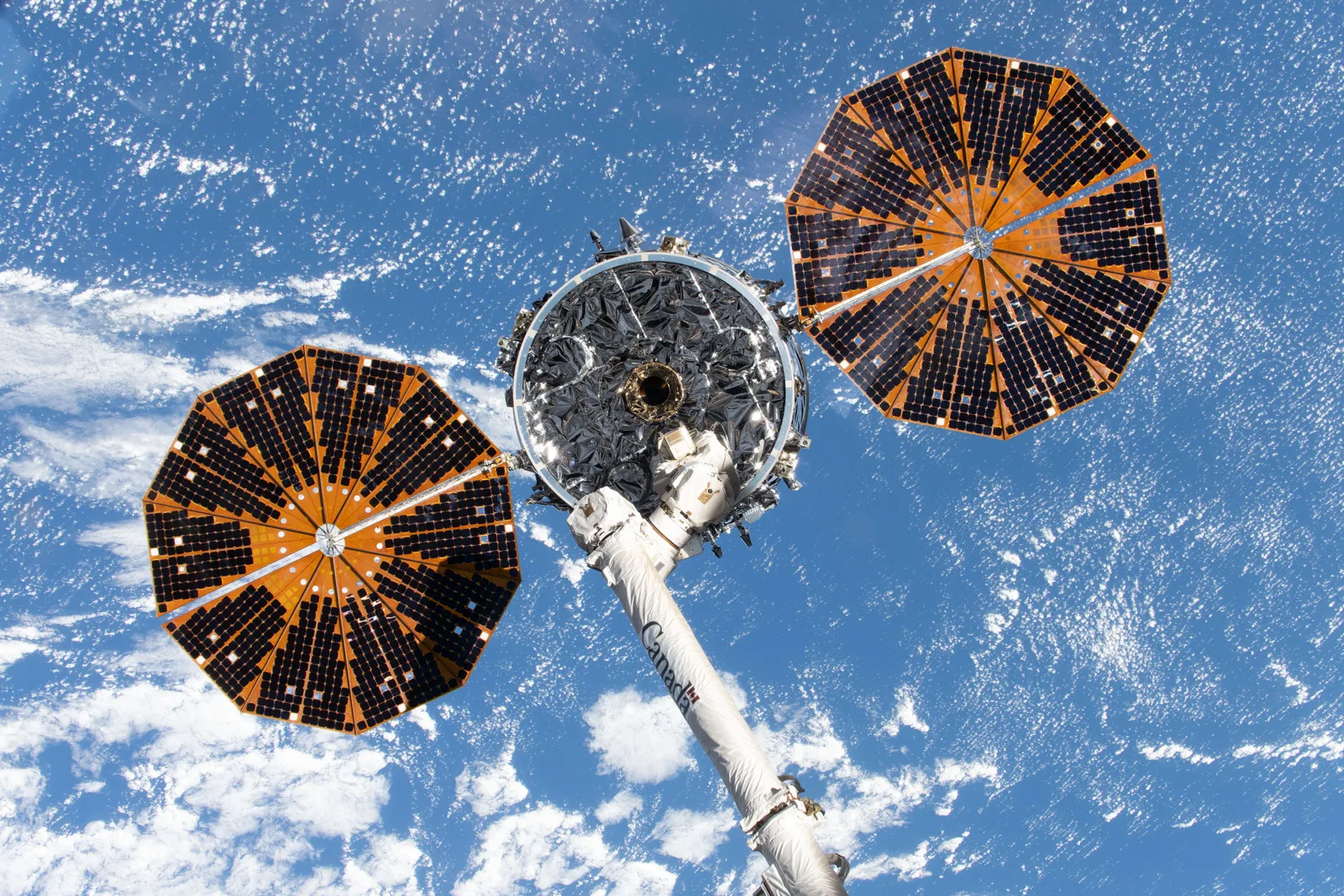
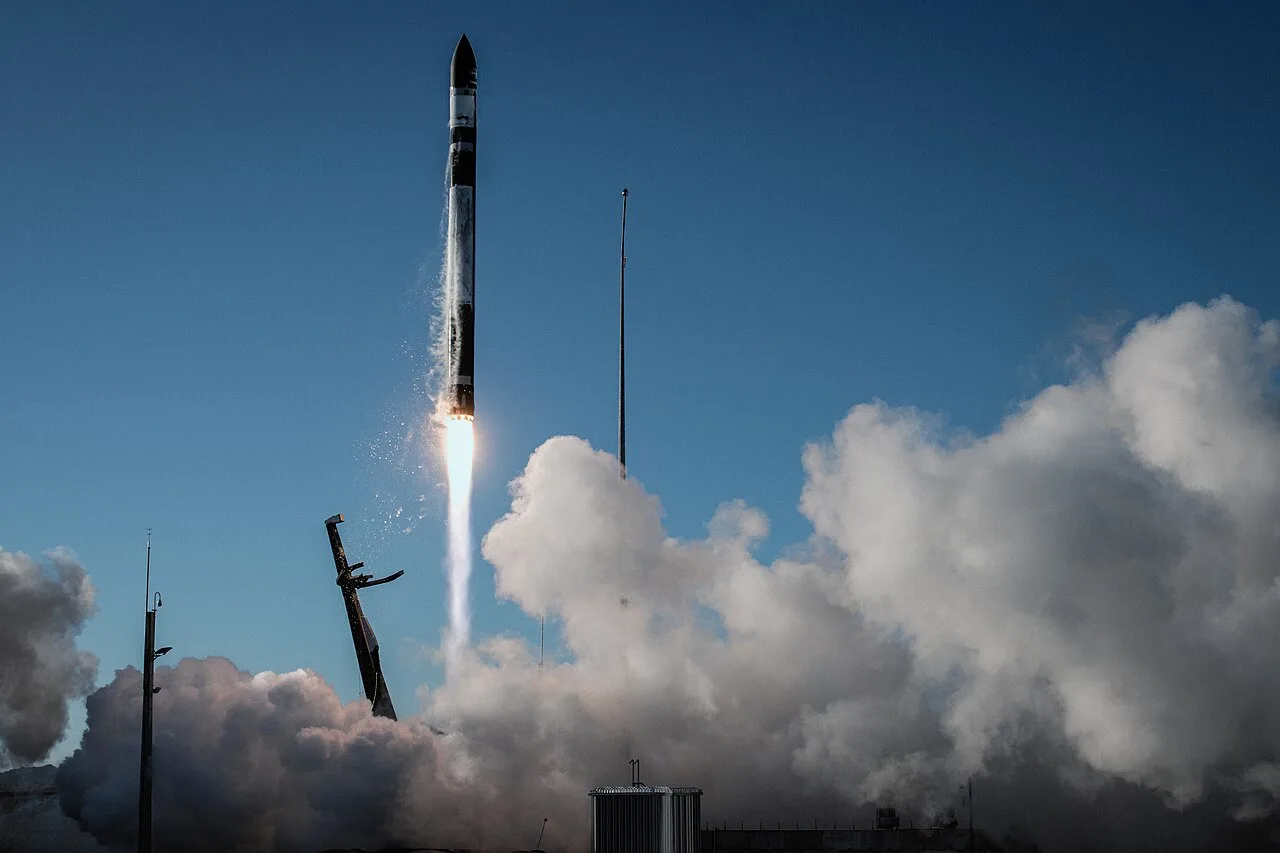
Planet also launched Pelican-11, taking its high-resolution Pelican satellites in orbit to ten, and shipped the Tanager-2 hyperspectral satellite and 18 SuperDoves to California for a SpaceX rideshare launch. It is preparing to build satellites at an expanded facility in Berlin.
A softer third quarter ahead
For the third quarter to 31 October, Planet guided for revenue of $101m to $105m, below the second quarter, and an adjusted EBITDA loss of $1m to $6m. InvestorsHub said analysts had expected about $118m of revenue for the quarter. For the full year it guided for revenue of $430m to $441m, which InvestorsHub described as a raised forecast, with adjusted EBITDA of $3m to $10m and capital spending of $100m to $115m.
The figures carry clear risks. Planet remains loss-making on a reported basis, its revenue is increasingly concentrated in government budgets, and quarterly sales can swing on the timing of large satellite deliveries. Share sales under the at-the-market programme dilute existing holders, and the convertible notes will need to be repaid or converted. The shares had dropped about 8% in the session before the results, to $18.30, according to InvestorsHub, and they remain volatile.