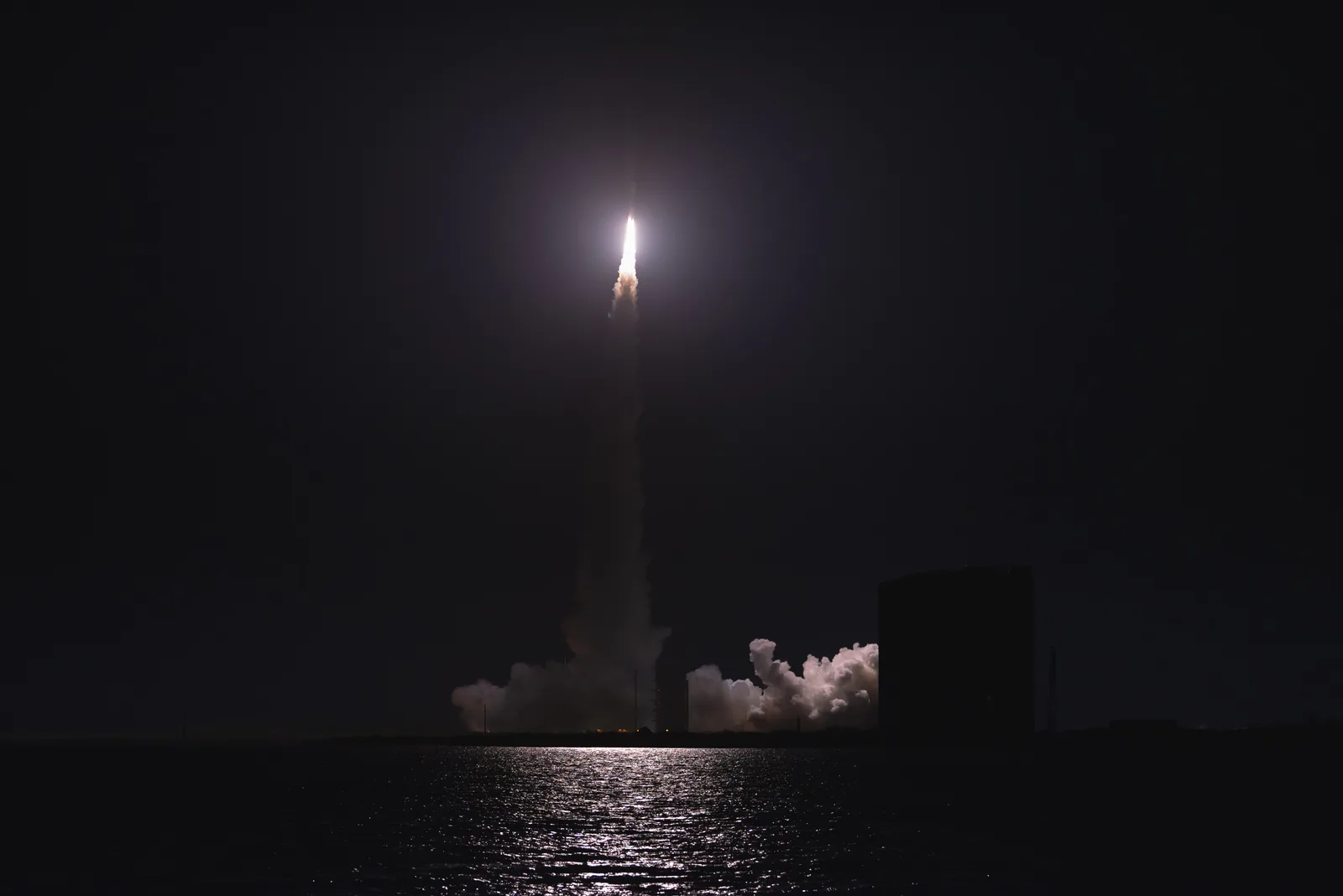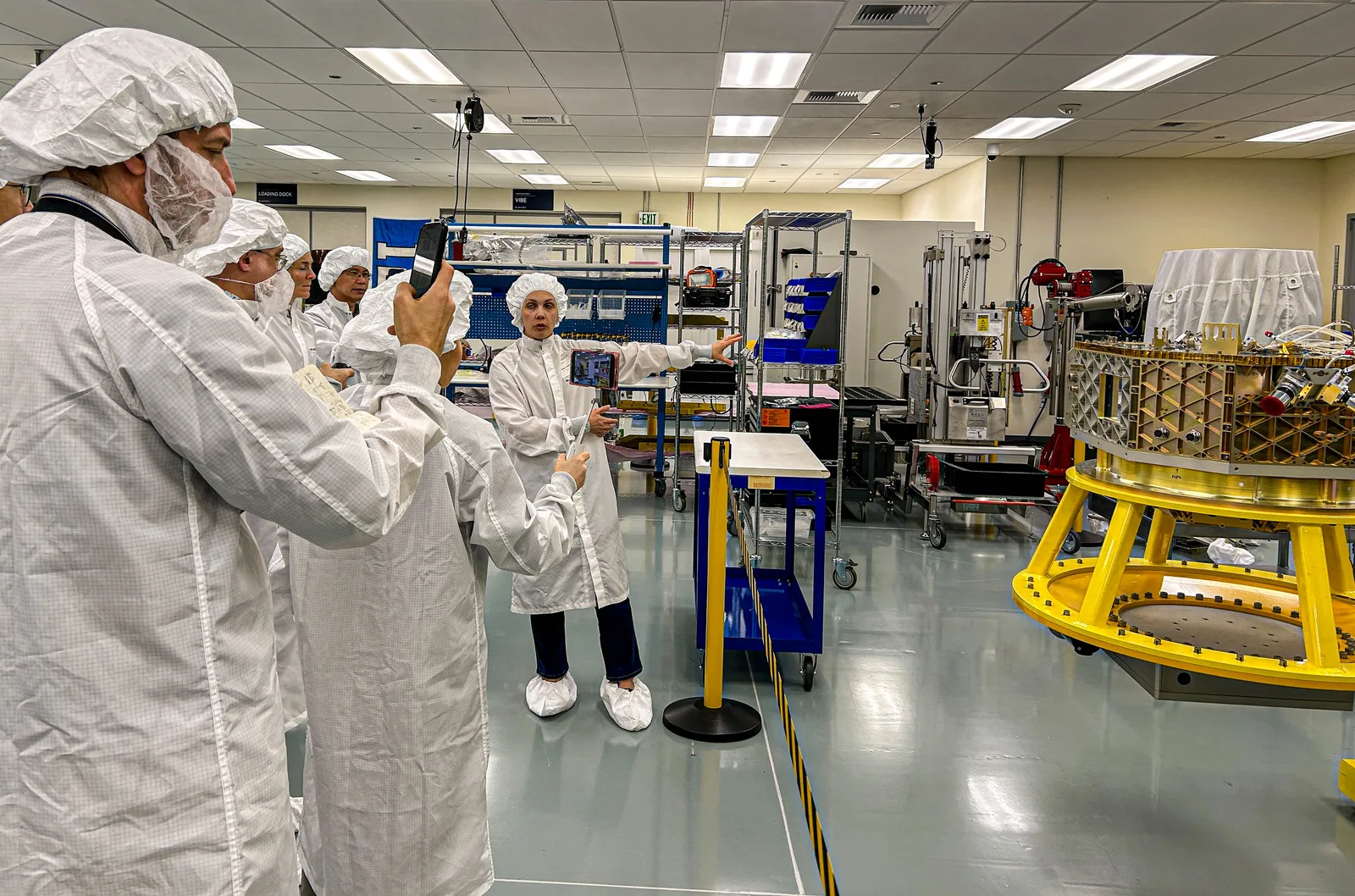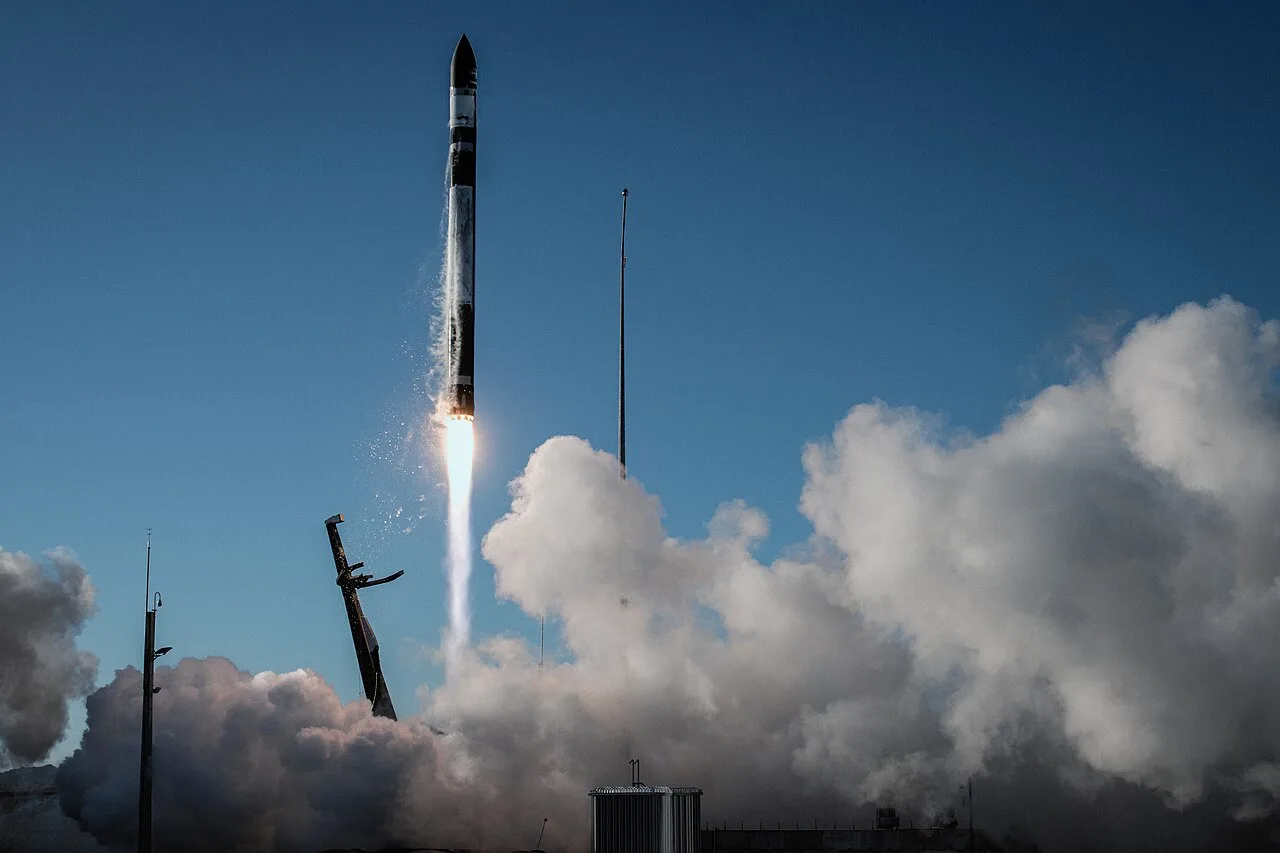
Rocket Lab has signed the largest commercial contract in the history of its Electron rocket: 20 launches for Tokyo radar-satellite operator Synspective, flown once a year or more from 2028 to 2031. The deal pushes the US launch company's backlog past 100 missions, and Citigroup has started coverage of the stock with a Buy rating.
The Synspective deal in numbers
- 20 new Electron launches, the biggest commercial Electron order so far
- 47 Electron missions now contracted by Synspective, more than any other customer
- 100+ missions now in Rocket Lab's launch backlog
What Rocket Lab Has Signed
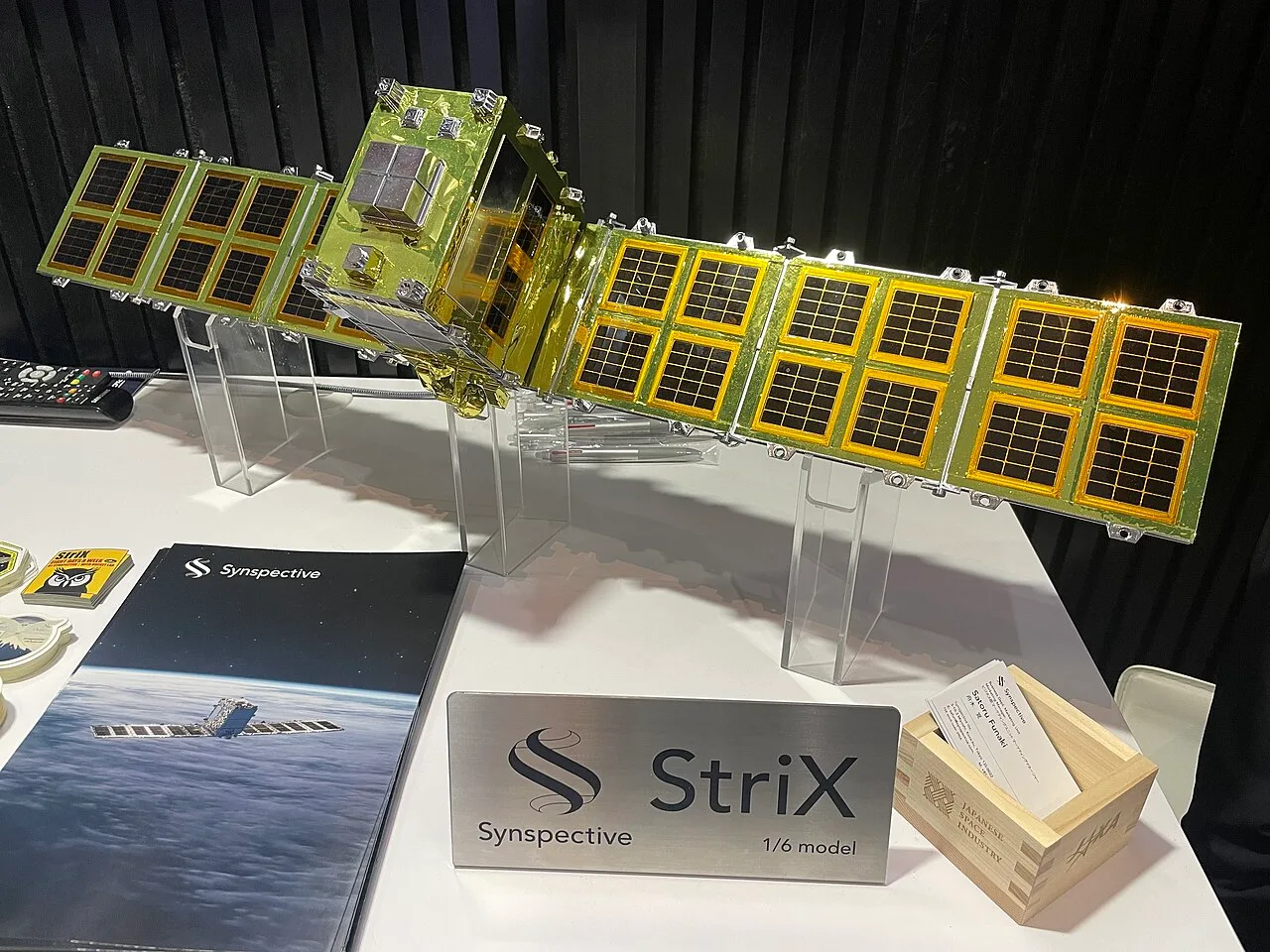
Rocket Lab announced the multi-year agreement late on Wednesday from its Long Beach, California base, after the US market had closed. Synspective will use the 20 launches to put 20 of its StriX satellites into sun-synchronous orbit, the polar path used by most Earth-imaging spacecraft because it passes over each spot at the same local time every day.
All of the missions will fly from Rocket Lab's Launch Complex 1 in New Zealand, the company's own private launch site. The flights are planned as annual missions from 2028 through 2031, so the work sits well beyond the next two years. Neither company disclosed what the contract is worth.
Founder and chief executive Peter Beck presented the order as a win for dedicated launch. "When constellation builders want control over their destiny, they come to Rocket Lab," he said in the announcement.
Why Synspective Keeps Coming Back
Synspective is not a new customer. The 20 new launches take its total Electron contracts with Rocket Lab to 47 missions, which makes it the biggest Electron customer by number of flights. Its founder and chief executive, Motoyuki Arai, credited Electron's precision and reliability for the steady growth of the StriX constellation.
The StriX satellites carry synthetic aperture radar (SAR). Unlike an ordinary camera, radar can image the ground through cloud and at night, which is why governments, insurers and infrastructure operators buy SAR data to track floods, landslides, ground movement and shipping. A constellation needs many satellites so it can revisit the same place often, and that means a steady stream of launches.
For Synspective, a dedicated small rocket also means control. On a shared ride with dozens of other payloads, a customer waits for the rocket to fill and goes to whichever orbit the main passenger chooses. Electron, which carries a few hundred kilograms, flies one customer's satellite to the exact orbit it needs.
Key points
- The contract covers 20 StriX radar satellites, launched one per mission from New Zealand.
- Flights run annually from 2028 to 2031; no contract value was given.
- Synspective now has 47 Electron missions contracted, the most of any Rocket Lab customer.
- Rocket Lab says a run of multi-launch deals this year has lifted its backlog past 100 missions.
Markets: indices, currencies and commodities
What the Backlog Does and Does Not Tell Investors
Rocket Lab said the Synspective order is one of several multi-launch contracts signed this year that together take its launch backlog above 100 missions. For a company whose results have long been judged on how often Electron flies, a backlog of that size gives some visibility on future launch revenue.
There are limits. Because the new missions start in 2028, they will not show up in revenue for some time, and without a contract value investors cannot tell how much they add. 24/7 Wall St. pointed out that the stock trades on confidence in work that is years away, which leaves it exposed if sentiment turns against long-dated growth stories.
The deal also matters in a crowded field. SpaceX, the largest launch company by far, sells shared rides on its much bigger rockets, so each dedicated contract Rocket Lab wins shows that some operators will pay for a rocket of their own. Planet Labs, a US imaging company, works in the same Earth observation market as Synspective, and further orders from such operators would add to the backlog.
Citigroup Starts With a Buy
On the same day Citigroup began covering the stock with a Buy rating and a $105 price target. Several reports put that target about 50% above Wednesday's closing price, and analyst John Godyn described the company as a core holding for investors who want exposure to space.
Rocket Lab is also building Neutron, a much larger reusable rocket meant to compete for bigger satellites and constellation work that Electron cannot carry. Electron contracts like this one provide the steady base business while that larger programme is developed.
For now, the Synspective order gives Rocket Lab a large, named customer for the end of the decade and a clear sign that dedicated small launches still have buyers.
Sources
- Rocket Lab via Taiwan News: Rocket Lab signs 20-launch Electron agreement with Synspective (2026-10-01)
- 24/7 Wall St.: Rocket Lab climbs as largest-ever Electron deal lifts backlog past 100 missions (2026-10-01)
- EdgeX News: Citi initiates Rocket Lab at Buy with $105 target, sees 51% upside (2026-10-01)