Shell's adjusted earnings almost doubled to $10.8 billion in the third quarter, beating forecasts, as its refining margin nearly quadrupled from a year earlier. The company raised its quarterly share buyback to $5 billion.
Adjusted earnings of $10.81 billion compared with $5.43 billion in the third quarter of 2025 and an analyst estimate of $10.33 billion. Net income attributable to shareholders rose to $12.1 billion from $5.3 billion. Adjusted earnings, the measure analysts track, strip out one-off items and the effect of oil price swings on inventory values. Adjusted EBITDA, a rough gauge of operating cash profit, rose 54 percent to $22.7 billion.
The quarter showed both sides of an oil major in a supply shock. Fuel processing paid handsomely, while conflict in the Middle East cut the gas Shell could produce in Qatar.
The quarter in brief
- Adjusted earnings $10.8 billion, up 99 percent, ahead of the $10.3 billion expected
- Global indicative refining margin $42 a barrel, against $11.6 a year earlier
- New buyback of $5 billion over the next three months
- Integrated Gas output down to 772,000 barrels of oil equivalent a day
- Net debt down to $39.7 billion, gearing 16.6 percent
Refining Did the Heavy Lifting
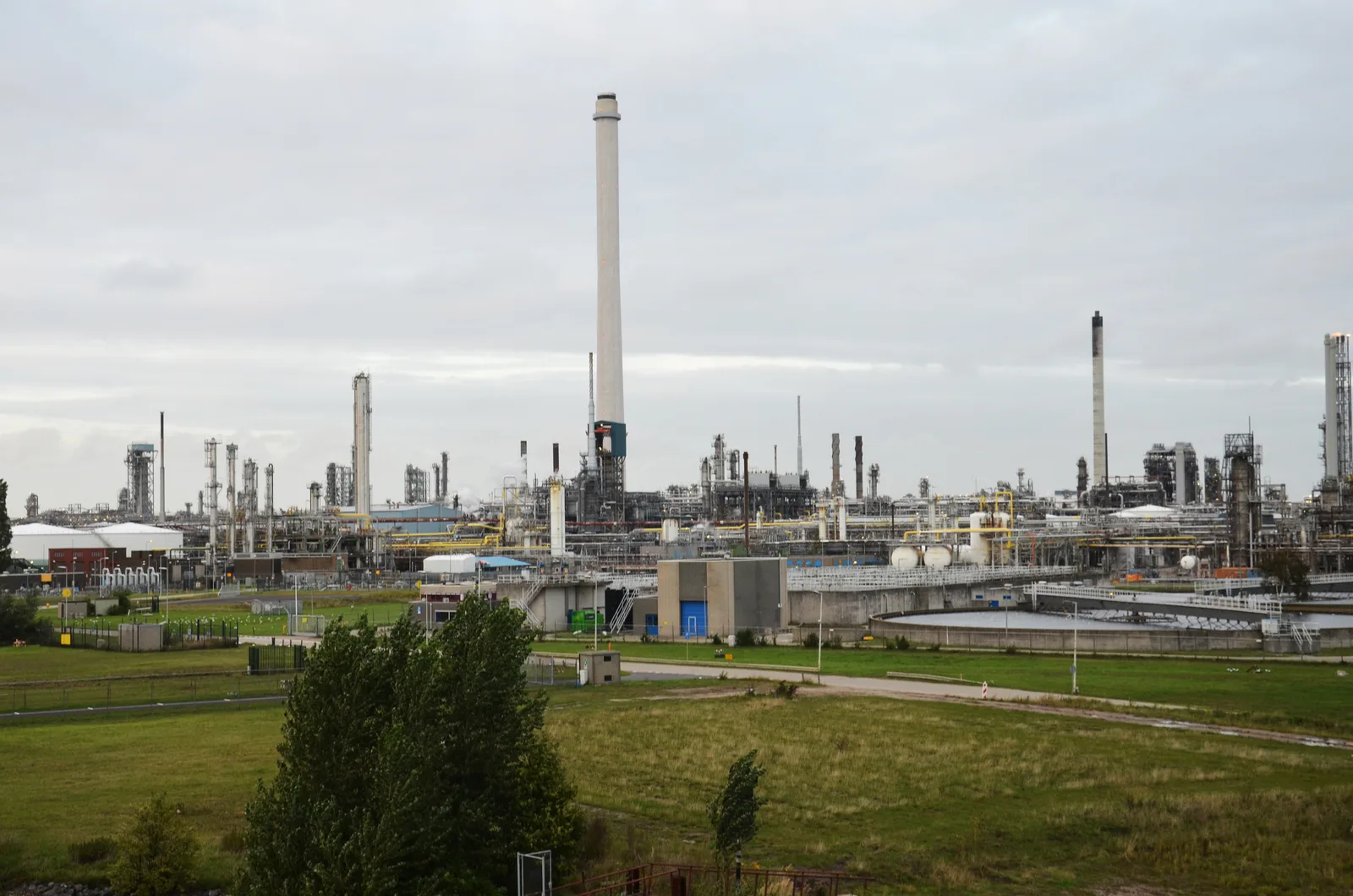
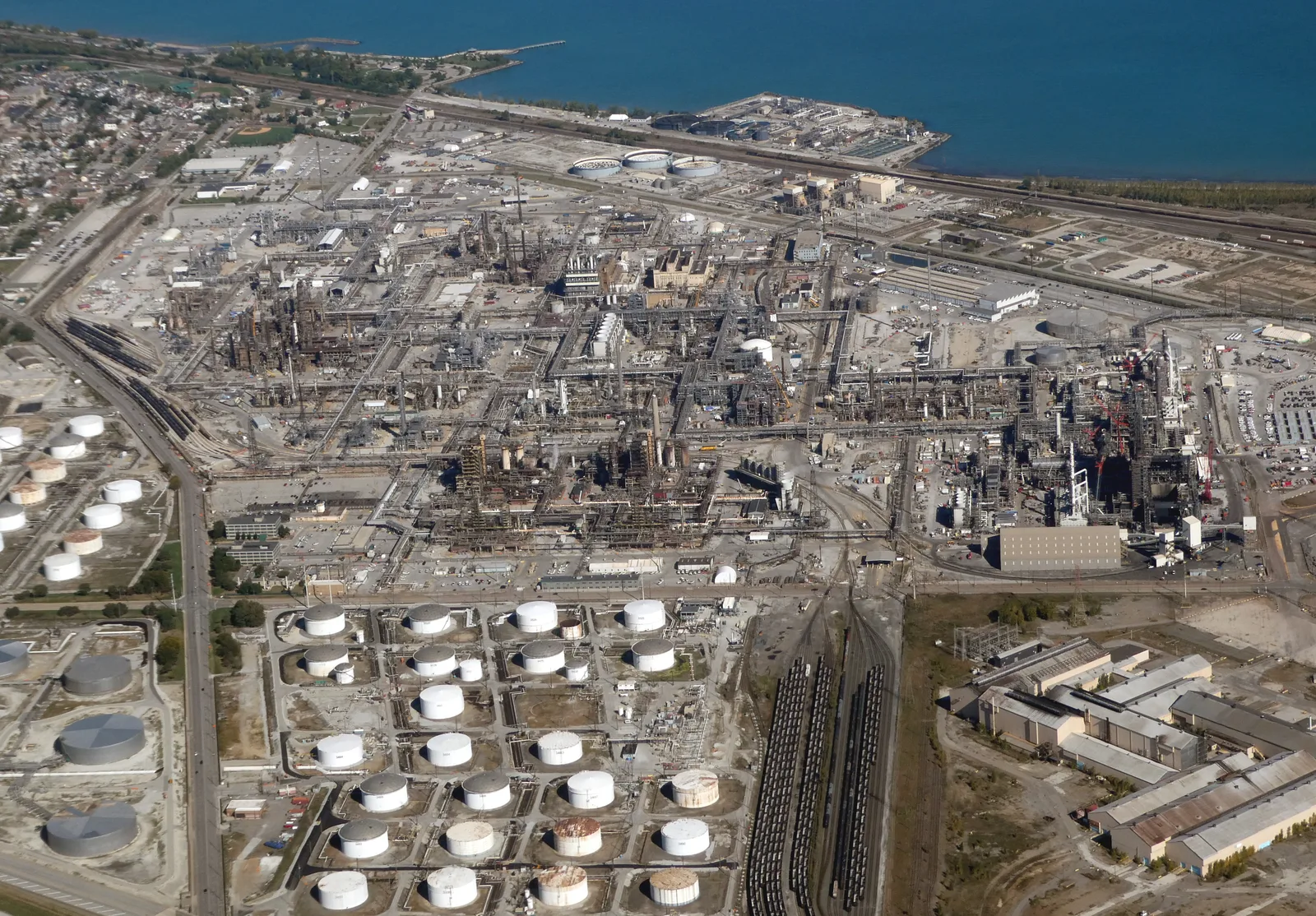
The biggest swing came in Chemicals and Products, the division that houses Shell's refineries and trading. Its adjusted earnings jumped to $3.9 billion from $550 million a year earlier.
The driver was the global indicative refining margin, a benchmark of what a typical refinery earns from turning crude into fuels. It averaged $42 a barrel in the quarter, up from $24 in the second quarter and $11.6 a year earlier. A margin that wide means the price of fuels such as diesel rose far faster than the cost of the crude oil used to make them.
Upstream, the oil and gas production arm, also did well. Its adjusted earnings rose 77 percent to $3.2 billion, even as production edged down to 1.80 million barrels of oil equivalent a day from 1.83 million.
Shell: share price, chart and news
Qatar Shortfall Cuts Gas Output
Integrated Gas, which runs Shell's liquefied natural gas business, earned $3.0 billion, up 42 percent, thanks to higher gas and LNG prices. Volumes went the other way. Production in the division fell to 772,000 barrels of oil equivalent a day from 934,000.
Across the first nine months of 2026 Shell's oil and gas output fell 17 percent, mainly because the Middle East conflict reduced volumes from Qatar. LNG sales still rose to 19.3 million tonnes from 18.9 million, helped by the ramp-up of LNG Canada. In Qatar, the Pearl gas-to-liquids plant has partially restarted.
Shell expects Integrated Gas production of 1.08 million to 1.18 million barrels of oil equivalent a day in the fourth quarter. That range includes volumes from ARC Resources, the Canadian gas producer whose acquisition Shell completed in September.
Buyback Rises to $5 Billion as Debt Falls
Cash flow from operations rose 72 percent to $21.0 billion and free cash flow reached $16.3 billion, up from $10.0 billion a year earlier. Excluding working capital swings, operating cash flow was $21.7 billion, comfortably above the $18.2 billion analysts had expected.
That cash funded a $5 billion buyback for the next three months, up from $3 billion last quarter and $3.5 billion announced with the results a year ago. It also cut net debt to $39.7 billion from $41.2 billion and lowered gearing, the ratio of net debt to capital, to 16.6 percent from 18.8 percent. Lower gearing gives Shell more room to keep paying out cash if energy prices fall back.
For shareholders, the larger buyback is the clearest sign that management sees the cash as more than a one-quarter windfall. It also sets a high bar: refining margins have historically been volatile, and the buyback pace will be tested when they narrow.
Spending, LNG Canada and a Pension Charge Ahead
Shell has kept investing. It took a final investment decision on the second phase of LNG Canada, and it now guides to cash capital expenditure of $23 billion to $25 billion for 2026, including ARC Resources. Chief executive Wael Sawan said the company was investing further in its Integrated Gas business to support cash flow growth over the long term.
The fourth quarter will carry an accounting hit. Shell expects a non-cash loss of about $6.4 billion from derecognising its defined benefit pension plan in the Netherlands, a figure it said could still change. The charge will not affect cash flow, but it will weigh on reported net income when Shell closes its books for the year.