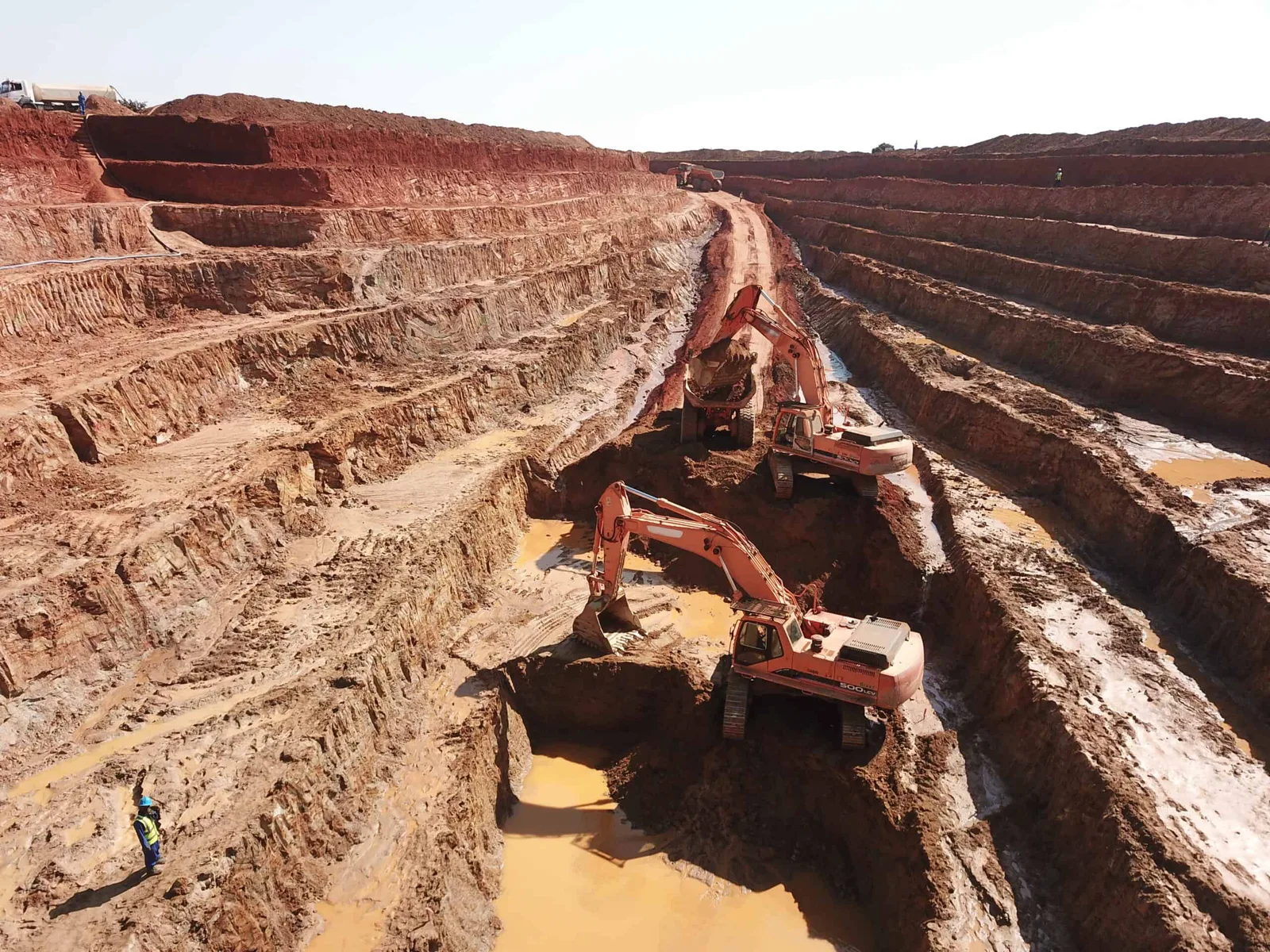
Sovereign Metals is a developer with one large asset: Kasiya in central Malawi, which it plans as a major source of natural rutile and flake graphite, with rare earths as a by-product. The studies are done. The mining licence, the fiscal terms and most of the money are not.
What Sovereign does
Sovereign Metals is based in Perth and listed on the ASX (SVM) and London's AIM (SVML), with its shares also quoted on the OTCQX (SVMLF) and in Frankfurt. Its focus is the Kasiya Critical Minerals Project, about 30km north-west of Lilongwe, the Malawian capital.
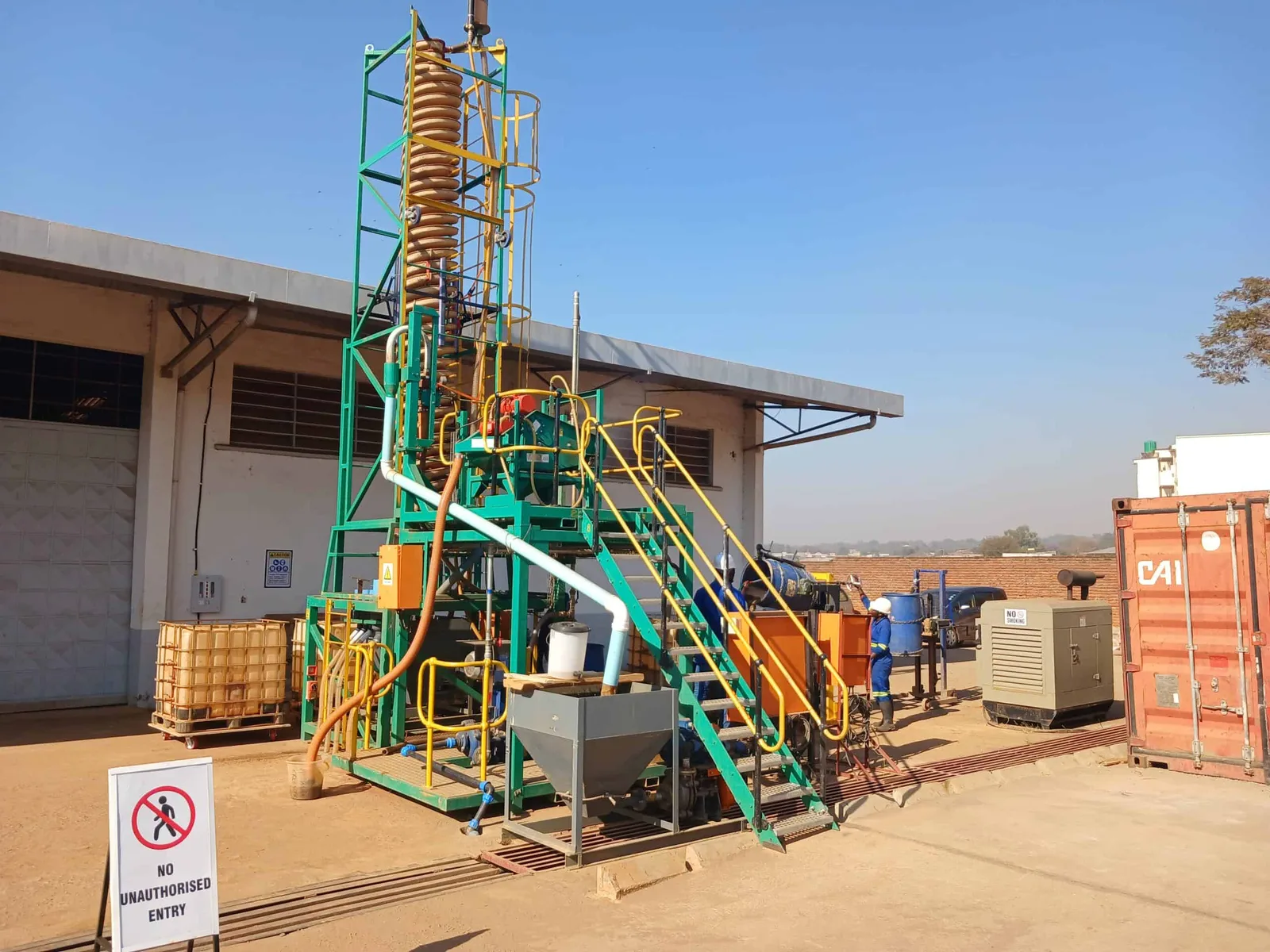
Kasiya is a soft, near-surface deposit that would be dug without drilling and blasting. The plan is to produce natural rutile, a high-grade titanium feedstock, and natural flake graphite, and to export both by road and rail through the port of Nacala in Mozambique. Tailings would be returned to mined-out pits rather than stored behind a conventional tailings dam.
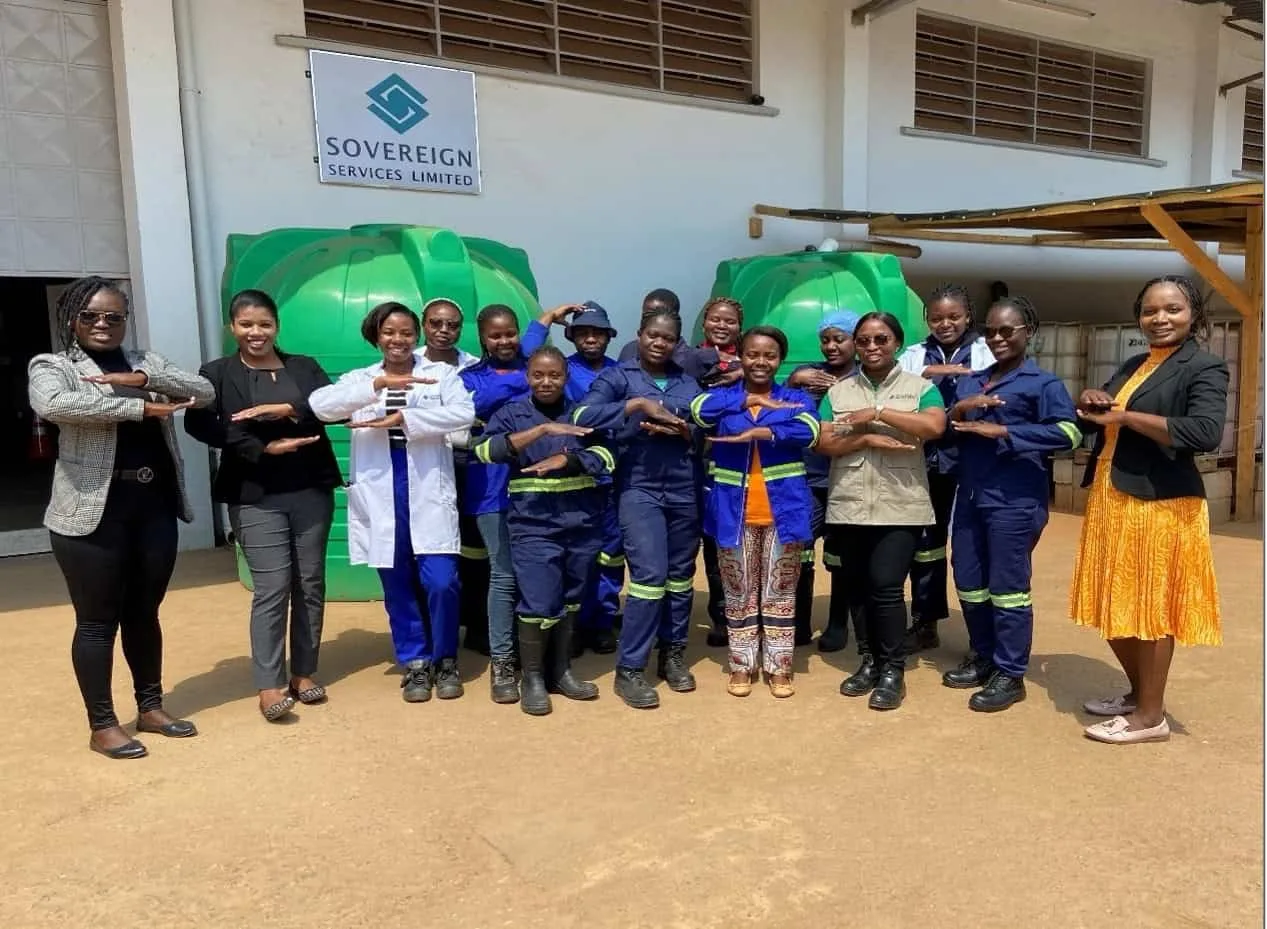
The deposit sits on the Lilongwe Plain in deeply weathered ground, and the same near-surface heavy-mineral system also holds monazite, the rare earth mineral behind the September study. A maiden monazite resource of 524.4Mt at 0.0132% monazite underpins that work. Sovereign runs its own laboratory in Lilongwe, where in January 2026 it recovered a monazite concentrate from the tailings stream left by rutile processing.
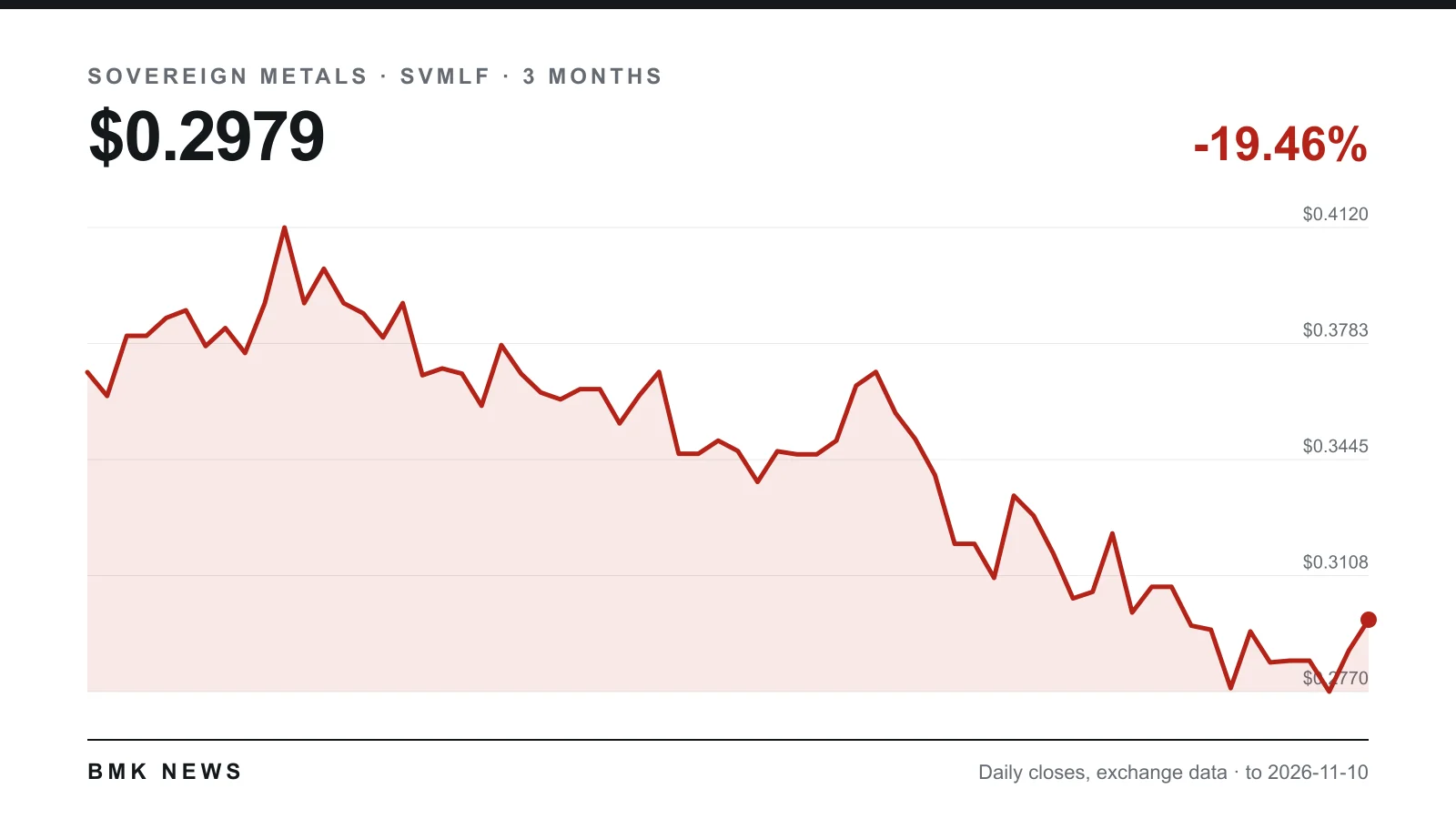
Sovereign Metals: share price, chart and news
Key study numbers
| Item | Kasiya DFS (April 2026) |
|---|---|
| Mine life | 25 years |
| Throughput | 12Mt a year (Phase 1), 24Mt a year (Phase 2) |
| Ore Reserve scheduled for processing | 535.8Mt |
| Steady-state rutile | about 222,000t a year |
| Steady-state graphite | about 275,000t a year |
| Phase 1 capital | US$727m |
| Phase 2 expansion capital | US$511m |
| Pre-tax NPV at 8% / IRR | US$2.204bn / 23.4% |
In September a scoping study added a monazite rare earth concentrate: about 2,626 tonnes a year containing 1,485 tonnes of rare earth oxides, including dysprosium, terbium and yttrium, for about US$29m of extra capital. The base case adds an estimated US$722m of pre-tax NPV, at an accuracy of plus or minus 30%. Sovereign puts the combined pre-tax NPV at US$2.9bn. These are pre-tax study figures for the whole project, not forecasts of what shareholders would receive.
The rare earth case leans on supply politics. Dysprosium, terbium, yttrium, samarium and gadolinium have been under Chinese export controls since April 2025, and Sovereign says Kasiya's concentrate carries all five. The study prices the product delivered to Texas, which shows where the company expects its buyers to be. Its economics include a 5% government royalty, a 2% share of gross profit for the original project vendor and a 0.45% levy for a community development fund.
Partners, buyers and finance
Rio Tinto has invested more than A$60m in the project since 2023 and reviewed the DFS work. In July 2026 it said it would not exercise its option to become operator, citing its own strategy and a review of its iron and titanium business rather than any change in Kasiya itself. Sovereign now leads the project on its own.
Sovereign holds non-binding memoranda of understanding with Mitsui & Co and Traxys North America for rutile and graphite and aims to turn them into binding contracts. It is pitching Kasiya to US and allied buyers as a source of three minerals the US treats as critical: titanium, graphite and heavy rare earths. On finance, a collaboration agreement gives the International Finance Corporation rights to take part as lender, arranger or investor. Earlier investment agreement rights have lapsed, and Sovereign plans to approach development-finance and export-credit agencies directly.
Money in hand versus money needed
- A$20.7m cash at 30 September 2026
- US$727m Phase 1 capital in the DFS
- US$29m extra capital for the rare earth circuit
The gap between those numbers is the central issue for shareholders. Sovereign has said more funding will likely be required and that new equity could dilute existing holders. It also says it could consider a sale, partial sale or joint venture of the project, which could reduce its share. Its September-quarter report, released on 30 October, showed cash of about A$20.7m at 30 September, down from A$25.1m at 30 June after operating outflows of about A$4.4m in the quarter. Former managing director Julian Stephens stepped down as a non-executive director, announced on 2 October.
Main risks
What could go wrong
- Funding and dilution. Phase 1 alone needs US$727m against cash of about A$20.7m at 30 September.
- Licence and fiscal terms. The mining licence application is pending and no Mine Development Agreement has been signed.
- Tax. A proposed supernormal profits tax would charge 40% on profits above MWK 10bn unless an agreement exempts the project.
- Government stake. Malawi can negotiate equity in large mines; two earlier agreements gave it 10% non-diluting stakes.
- Sales and handling. No binding offtakes exist yet, and the rare earth concentrate needs radioactive-material permits.
Sovereign says it knows of no issues or impediments to obtaining the mining licence in the normal course of business. Even so, the licence and the fiscal terms decide whether the DFS economics hold, since the study assumes royalties and taxes that an agreement with the government would confirm or change. Two other miners in Malawi, Lotus Resources and Mkango Resources, signed such agreements in 2024 that left out the resource rent tax, and both are exempt from the proposed new tax. Sovereign does not yet know what terms Kasiya would get.
What to watch next
| When | What |
|---|---|
| Pending | Award of the Kasiya mining licence |
| Pending | Mine Development Agreement and fiscal terms |
| Ongoing | Binding offtakes with Mitsui and Traxys |
| Ongoing | Rare earth concentrate testwork and marketing |
| By end of January 2027 | December-quarter activities report, due under ASX rules |
| 2027 | Pre-feasibility study including rare earths |
Sources
- Sovereign Metals: Scoping Study Confirms Kasiya's Potential as a Globally Significant and Strategic Source of Critical Rare Earths (ASX, 9 September 2026)
- Proactive Investors: Sovereign Metals advances US-focused critical minerals strategy for Kasiya (8 July 2026)
- Investegate: Sovereign Metals RNS announcements
- Investegate: Sovereign Metals September 2026 Quarterly Report (30 October 2026)